Maui Travel Mistakes: 15 Things First-Time Visitors Should Avoid
August 28th, 2026
| Trip Planning & Logistics
Written by Maui Snorkeling, operating tours to Molokini Crater, Turtle Town, and Coral Gardens from Māʻalaea Harbor since 1985. Tours are led by USCG-licensed captains aboard a USCG-inspected passenger vessel.
Last updated September 16, 2026
Quick Answer
The most common Maui travel mistakes are trying to see the entire island in one trip, booking popular reservations too late, underestimating drive times, entering unsafe ocean conditions, snorkeling beyond your ability, ignoring brown water, parking wherever a map pin leads, and treating Maui like a theme park instead of a living community. Plan one major activity per day, build in flexibility, and follow current official guidance.
Main takeaways:
Biggest Itinerary Mistake: Packing every day with several major activities and long drives
Biggest Booking Mistake: Waiting too long to reserve Haleakalā sunrise, Waiʻānapanapa, tours, luaus, and popular dinners
Biggest Ocean Mistake: Assuming clear blue water is automatically safe for swimming or snorkeling
Biggest Driving Mistake: Underestimating the Road to Hāna, parking, traffic, and island drive times
Biggest Packing Mistake: Bringing only beach clothes and forgetting rain gear, walking shoes, and warm Haleakalā layers
Biggest Wildlife Mistake: Touching coral or moving too close to turtles, monk seals, and other marine animals
Best Planning Rule: Choose one anchor experience per day, then leave room for meals, weather, traffic, and rest
Maui looks small on a map. That’s how the trouble starts. Even travelers who have visited Hawaii before can underestimate how much time Maui’s drives, reservations, weather, and ocean conditions add to a day.
A first-time visitor sees one island and begins planning Haleakalā sunrise, the Road to Hāna, three beaches, a farm tour, a luau, snorkeling, grocery shopping, and dinner in another region as though Maui has quietly added eight extra hours to every day.
The most common Maui travel mistakes aren’t usually dramatic. They’re small planning choices that create rushed drives, missed reservations, wasted groceries, unsafe ocean decisions, parking problems, and a vacation that feels more exhausting than relaxing.
This guide covers 15 mistakes first-time Maui visitors should avoid, along with a better plan for each one. It connects the practical details across lodging, reservations, driving, snorkeling, beaches, packing, groceries, wildlife, weather, and respectful travel.
If this is your first trip to Hawaii, Maui can look surprisingly easy to plan on a map, but reservations, drive times, ocean conditions, and local etiquette can make each day more complicated than expected. For a complete day-by-day starting point, pair this article with our Maui Itinerary Guide.
How we chose these mistakes: This list combines recurring questions we hear from Maui visitors with current state, county, federal, and ocean-safety guidance. We prioritized mistakes that can waste vacation time or money, create safety problems, or negatively affect Maui's communities and natural resources.
Maui Travel Mistakes At A Glance
Use this comparison to spot the planning mistakes most likely to create rushed days, missed reservations, wasted money, or unsafe decisions.
Common Mistake
Why It Causes Problems
Better Plan
Trying To See Everything
Creates long drives, fatigue, rushed meals, and pressure to ignore weather or ocean conditions.
Choose one major activity per day and add only flexible nearby stops.
Booking Too Late
Timed entries, tours, luaus, rental cars, and popular dinners may sell out.
Reserve the hardest-to-replace experiences before building the rest of the itinerary.
Choosing The Wrong Home Base
Adds unnecessary driving between lodging, activities, restaurants, and beaches.
Choose lodging based on the regions and activities you plan to use most.
Rushing The Road To Hāna
Leads to missed reservations, night driving, unsafe stops, and little time in Hāna.
Start early, choose priority stops, or stay overnight for a fuller East Maui itinerary.
Judging Safety By Water Color
Blue water may still contain shorebreak, current, shallow reef, high surf, or sudden drop-offs.
Read the signs, watch the water, and ask a lifeguard before entering.
Planning Shore Snorkeling Too Late
Afternoon wind and surface conditions may reduce comfort, visibility, and entry safety.
Check conditions early and keep a land-based backup activity.
Relying On Flotation
Flotation doesn’t replace swimming ability, calm breathing, or independent movement.
Only enter when you meet the activity’s swimming and water-comfort requirements.
Touching Coral Or Wildlife
Damages reef habitat, disturbs protected animals, and may create unsafe encounters.
Keep your hands and fins controlled, maintain distance, and use your camera’s zoom.
Ignoring Brown Water
Storm runoff may contain bacteria, sewage contamination, chemicals, and debris.
Stay out of murky water and check official water-quality advisories.
Following Any Map Pin
A pin may lead to private property, unsafe access, or an area without legal parking.
Use official entrances, marked parking, and public shoreline-access information.
Packing Only Beach Clothes
Rain, farms, trails, boats, and Haleakalā require different clothing and footwear.
Pack light layers, a rain jacket, walking shoes, and a warm summit outfit.
Overbuying Groceries
Bulk food gets wasted when the lodging lacks space or the group eats out frequently.
Buy for the meals you’ll realistically prepare and restock smaller quantities later.
Stacking Major Activities
Traffic, parking, check-in, weather, meals, and fatigue remove the expected buffer.
Schedule one major experience and protect time before and after it.
Assuming Rain Cancels A Tour
Hotel weather may differ from harbor or offshore conditions, and no-shows may lose money.
Check the operator’s messages and let the captain make the final conditions decision.
Treating Maui Like A Theme Park
Creates trespassing, traffic, wildlife disturbance, cultural disrespect, and community strain.
Use legal access, follow closures, support local businesses, and respect residential areas.
Note: Reservations, road access, parking systems, ocean conditions, park rules, weather, and wildlife guidance can change. Check current official information before each major Maui activity.
Mistake 1: Trying To See The Entire Island In One Trip
Maui has several distinct regions, and each one can fill most of a day. The Road to Hāna, Haleakalā, Upcountry, West Maui, South Maui, and a boat tour aren’t quick stops you can stack without consequences.
A packed itinerary creates more than tired travelers. It also creates pressure to speed, skip meals, rush scenic stops, enter the ocean when conditions aren’t right, and keep driving after everyone is exhausted.
A better rule is to choose one anchor experience per day. That might be:
A Molokini snorkeling tour
The Road to Hāna
Haleakalā sunrise or sunset
An Upcountry farm tour
A luau
A major hiking day
Then add one flexible activity nearby, such as a casual meal, a short walk, a market, or a sunset stop.
Leave at least one lighter day during a weeklong trip. It can absorb weather changes, road delays, tired children, sore muscles, or the sudden realization that spending an afternoon at the pool sounds better than driving another 70 miles.
Mistake 2: Booking Priority Reservations Too Late
Some Maui experiences can’t be added casually after arrival.
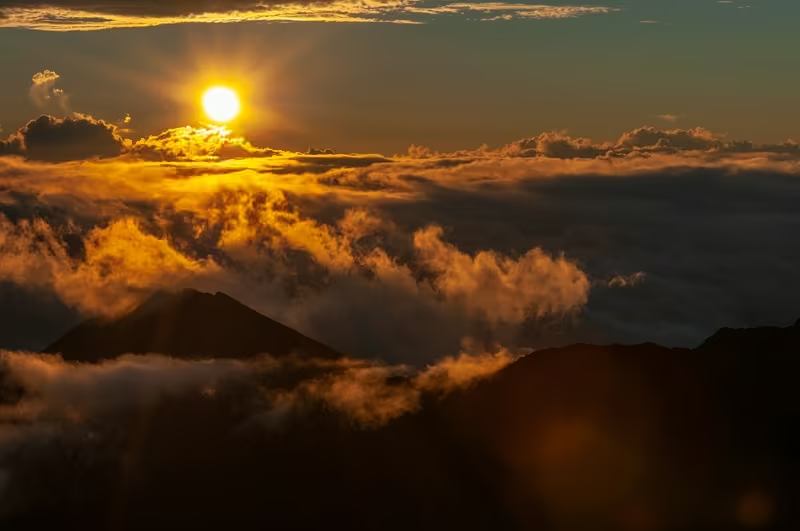
Haleakalā sunrise requires an advance vehicle reservation for entry during the early-morning reservation period. Some reservations become available well ahead of the visit, with another limited release closer to the date.
Nonresident visitors also need advance entry and parking reservations for Waiʻānapanapa State Park. Same-day reservations aren’t available, and showing up without one doesn’t create a legal backup parking option outside the park.
Other activities that may fill early include:
Popular snorkeling tours
Luaus
Guided Road to Hāna tours
Private charters
Farm-to-table experiences
Holiday dinners
Rental cars during busy travel periods
Large-family restaurant reservations
Book the experiences that would genuinely disappoint you to miss before filling the rest of the itinerary.
Don’t reserve every hour. Secure the priority experiences first, then protect the open space around them.
Mistake 3: Choosing Lodging Without Considering Drive Times
A lower room rate doesn’t always mean a less expensive or easier trip if it puts your group far from most planned activities.
Each Maui base has a different advantage:
Kīhei: Condos, casual food, beaches, groceries, and access to South Maui and Māʻalaea
Wailea: Full-service resorts, polished dining, beaches, and resort convenience
West Maui: Resort areas, beaches, restaurants, and West Maui activities
Central Maui: Airport access, practical shopping, and efficient islandwide driving
Upcountry: Haleakalā, farms, cooler elevations, and quieter surroundings
Hāna: East Maui access and a slower alternative to completing the entire drive in one day
Choose your lodging based on the trip you’re actually planning. A family with several South Maui activities may not enjoy repeatedly driving from far West Maui, while someone prioritizing Hāna and Kīpahulu may benefit from an East Maui overnight.
Mistake 4: Treating The Road To Hāna Like A Quick Half-Day Drive
The Road to Hāna is a full-day experience for most visitors. The highway includes narrow curves, bridges, scenic pullouts, managed attractions, food stops, traffic, changing weather, and limited parking.
A rushed plan creates predictable problems:
Leaving too late
Stopping at every waterfall
Missing a timed Waiʻānapanapa reservation
Skipping meals and restroom stops
Arriving in Hāna with no time to enjoy the town
Driving unfamiliar curves after dark
Attempting Kīpahulu without enough hiking time
Choose a short list of priority stops. Make Waiʻānapanapa the timed anchor when it’s part of your plan, then build the rest of the day around that reservation.
Stay overnight in Hāna when your wish list includes Hāna town, Hāmoa Beach, Kahanu Garden, Kīpahulu, or the full Pīpīwai Trail.
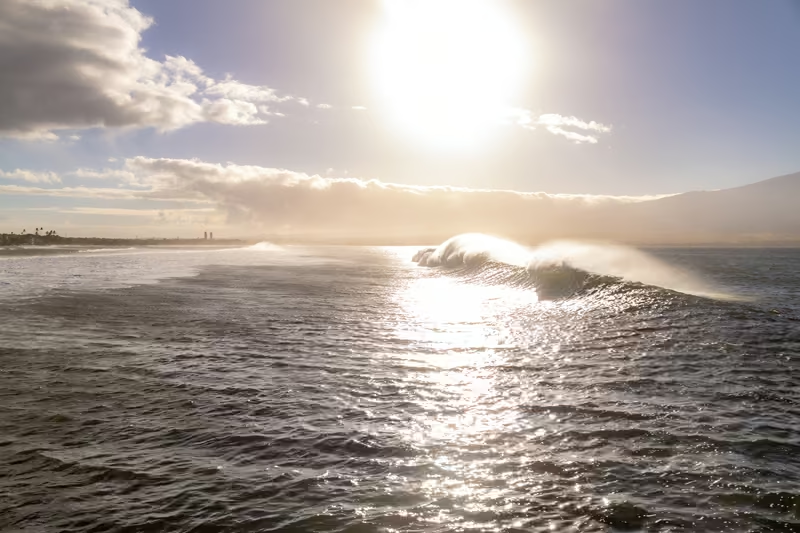
Water color tells you almost nothing about swimming safety.
A bright blue beach can still have dangerous shorebreak, strong currents, shallow reef, sudden drop-offs, high surf, wind, waves, or an entry that becomes much harder when you try to exit.
Before entering any Maui beach:
Read every warning sign.
Watch several complete wave sets.
Look for currents, whitewater, and people struggling.
Ask a lifeguard about the safest area.
Keep children away from active shorebreak.
Choose another activity when conditions exceed your ability.
Other swimmers aren’t proof that the water is safe. They may be more experienced, may understand the location, or may simply be making a poor decision.
Mistake 6: Waiting Until Late In The Day To Plan Shore Snorkeling
Morning often provides a better planning window for Maui shore snorkeling because wind and surface conditions may be lighter before afternoon trade winds strengthen.
That doesn’t mean every morning is calm or every afternoon is unsafe. Swell, current, rain, runoff, wind direction, visibility, and local exposure still control the day.
The mistake is waiting until late afternoon, arriving at the nearest beach, and entering because snorkeling was still on the schedule.
Mistake 7: Confusing Flotation With Swimming Ability
Flotation can reduce effort and help a capable but nervous swimmer relax. It doesn’t replace the ability to swim, remain calm face-down, move through deep water, and follow instructions.
This distinction matters on boat tours and at shore locations.
A beginner snorkeler may be new to the mask, snorkel, and fins while still being a comfortable swimmer. A true non-swimmer may panic when floating face-down, be unable to move independently, or rely completely on another person or device.
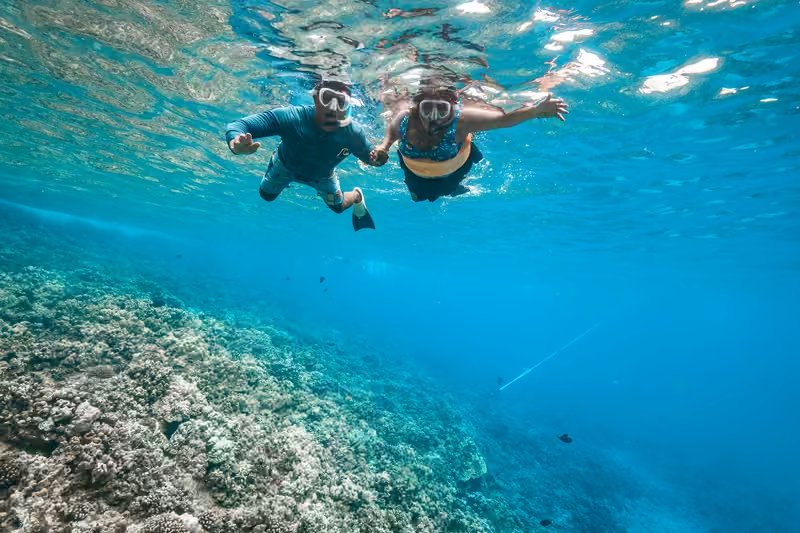
Anyone entering the water on a Maui Snorkeling tour should be comfortable in deep water, able to swim independently, able to stay calm while floating face-down, and able to follow crew instructions.
Guests who can’t meet those requirements shouldn’t enter the ocean. Having a life jacket, noodle, belt, or board doesn’t remove the requirement.
Use our Maui Snorkel Tour Decision Guide to compare recommendations for families, beginners, non-swimmers, seniors, and strong swimmers.
Mistake 8: Touching Coral Or Crowding Wildlife
Coral isn’t rock. It’s a living reef habitat that can be damaged by hands, feet, fins, standing, and careless camera positioning.
Wildlife also needs enough room to rest, feed, surface, swim, and choose its direction.
Current viewing guidance recommends:
Sea Turtles: Stay at least 10 feet away on land and in the water.
Hawaiian Monk Seals: Stay at least 50 feet away.
Monk Seal Mothers and Pups: Stay at least 150 feet away.
Posted Wildlife Areas: Stay behind every barrier, rope, cone, or sign.
Never touch, ride, chase, feed, corner, surround, or block marine wildlife. Use your camera’s zoom rather than moving closer.
Don’t rely on a reef safe label alone. Use mineral sunscreen with zinc oxide or titanium dioxide as the active ingredient. Maui County prohibits non-mineral sunscreen without a prescription.
Heavy rain can carry soil, bacteria, sewage contamination, animal waste, chemicals, and other pollutants into streams, drainage systems, and the ocean.
Don’t swim or snorkel in water that appears:
Brown
Cloudy
Murky
Filled with branches or debris
Affected by runoff near a stream mouth or drainage outlet
Clear water a short distance away doesn’t automatically mean the entire area is suitable. Current, runoff, and pollutants don’t always remain within an obvious brown patch.
Check official water-quality advisories, stay away from stream mouths, and choose a land activity until the water and broader ocean conditions are appropriate.
A map pin tells you where something may be located. It doesn’t guarantee legal parking, public access, a maintained trail, or a safe place to stop.
Common parking mistakes include:
Blocking driveways
Parking on vegetation
Stopping in traffic lanes
Ignoring paid parking instructions
Leaving the vehicle in a no-parking area
Following an unofficial trail through private property
Leaving valuables visible inside the car
Use official lots, marked public shoreline access, and posted entrances. Lot-specific signs always control, even when a blog, app, or old review says parking is free or allowed.
The Park Maui program also doesn’t apply to every beach or parking lot on the island. Read the signs at each location rather than assuming one parking system covers all of Maui.
Maui isn’t one temperature from sea level to summit.
Your beach day may be hot and sunny, while the same trip includes:
A cold, windy Haleakalā sunrise
A rainy Road to Hāna stop
A muddy rainforest trail
A cool Upcountry farm
A breezy boat ride
An air-conditioned restaurant or museum
A practical Maui suitcase should include:
Lightweight beach clothing
Two or three swimsuits
A rash guard
Mineral sunscreen
Comfortable walking shoes
Secure trail or farm shoes when needed
A light rain jacket
Long pants
A genuinely warm Haleakalā layer
Use our Maui Packing List before deciding what belongs in the suitcase and what’s easier to buy after landing.
Mistake 12: Buying Too Many Costco Groceries
Costco can save money for a large family or a longer condo stay. It can also leave a couple with 24 yogurts, six pounds of fruit, and a refrigerator full of food on checkout morning.
Before making a bulk grocery run, ask:
Does the lodging have a full kitchen?
How many meals will we actually prepare?
Are we eating breakfast at the condo?
Will we pack lunches?
How many restaurant reservations do we already have?
Can we refrigerate groceries immediately?
Don’t buy frozen food, meat, seafood, or dairy before the lodging can accept your group and refrigerate the order. A long lunch or beach stop with groceries in a hot vehicle can create both food waste and safety problems.
For many visitors, the best plan is one realistic Costco run followed by smaller purchases at Foodland, Safeway, Times, or a neighborhood market.
Mistake 13: Scheduling Major Activities Back-to-Back
Maui activities rarely end at the exact moment you’re ready to begin the next one.
Traffic, parking, check-in, weather, meals, changing clothes, tired children, and longer-than-expected stops all need time.
Risky combinations include:
Haleakalā sunrise followed by a full Road to Hāna drive
A five-hour snorkeling tour followed by a tightly timed Upcountry farm reservation
A Hāna day followed by a late dinner on the opposite side of the island
A long hike followed immediately by an ocean activity
A major activity scheduled on the afternoon of arrival
A late luau followed by an extremely early tour check-in
Build travel buffers around every reservation. Schedule the activity you care about most first, then add only what fits comfortably nearby.
Travelers flying to Maui from the continental United States may already be tired from a long travel day and a significant time-zone change.
Arrival day is especially unpredictable. Delayed flights, baggage, rental-car lines, groceries, traffic, and hotel check-in can quickly erase the open afternoon you expected.
Mistake 14: Assuming Rain At The Hotel Cancels A Snorkeling Tour
Rain at your hotel doesn’t automatically mean offshore conditions are unsafe or that a boat tour has been canceled.
A captain evaluates more than rain, including:
Wind speed and direction
Swell height and direction
Current
Visibility
Surface conditions
Runoff and water quality
Safe passenger boarding
Available alternate reef locations
Don’t assume the trip is canceled and simply fail to arrive. Check your email, text messages, booking instructions, and the operator’s cancellation policy.
The captain may keep the trip as planned, select a different reef, adjust the route, delay departure, or cancel when conditions require it.
Mistake 15: Treating Maui Like A Theme Park Instead Of A Community
Maui is home to families, schools, farms, businesses, cultural sites, neighborhoods, fishing areas, and communities facing real challenges.
A beautiful social media location isn’t automatically a public attraction. A roadside trail isn’t automatically legal access. A recovery area isn’t a sightseeing stop.
Respectful visitors:
Stay out of restricted and private areas.
Don’t block homes, farms, businesses, or emergency access.
Follow closures even when an older guide says a place is open.
Keep noise low near residential areas.
Support Maui-owned businesses and local workers.
Use legal lodging, parking, tours, and attractions.
Don’t remove rocks, sand, coral, plants, fruit, or cultural objects.
Don’t post real-time locations of sensitive wildlife.
Learn the proper place names and follow local guidance.
The goal isn’t to collect the most stops. It’s to enjoy Maui without creating unnecessary traffic, danger, disturbance, or damage.
The biggest mistake is scheduling too many major activities. Choose one anchor experience per day, add only flexible nearby stops, and leave room for meals, weather, traffic, and rest.
Five to seven days gives most first-time visitors enough time for an ocean activity, Haleakalā or Upcountry, the Road to Hāna, beach time, local food, and at least one lighter day. Longer trips make it easier to explore without rushing.
Book priority tours, luaus, rental cars, and hard-to-replace experiences as soon as your trip dates are firm. Haleakalā sunrise and Waiʻānapanapa have separate reservation systems with limited availability.
It’s physically possible, but it creates an extremely long and tiring day. Most visitors will have a better experience giving Haleakalā and the Road to Hāna separate days.
No. Conditions vary by beach, season, swell, wind, and time of day. High surf, shorebreak, strong currents, sharp reef, and sudden drop-offs can make a beautiful beach unsafe. Read signs and ask a lifeguard before entering.
Leave coral, sand, rocks, shells containing animals, plants, wildlife, and cultural objects where you found them. Take photographs and buy legal locally made souvenirs instead.
No. Weather can vary across Maui, and captains evaluate wind, swell, current, visibility, runoff, boarding conditions, and available reef locations. Check directly with the operator instead of assuming the tour is canceled.
First-time visitors to Maui should avoid overpacking their itinerary, waiting too long to book popular activities, underestimating driving times, ignoring ocean conditions, leaving valuables in rental cars, and getting too close to wildlife. It's also smart to plan some flexibility for weather and avoid trying to see the entire island in just a few days. A slower itinerary usually leads to a safer, less stressful, and more enjoyable Maui vacation.
A Better First-Time Maui Planning Formula
A first Maui trip becomes much easier when you use a simple planning formula:
Choose Your Home Base: Select lodging based on the regions and activities you’ll use most.
Book Priority Reservations: Secure the activities and timed entries that would be hardest to replace.
Plan One Major Activity Per Day: Give Hāna, Haleakalā, snorkeling, hiking, and major tours enough space.
Add Nearby Flexible Stops: Choose meals, markets, short walks, and sunsets near the day’s anchor activity.
Build A Weather Backup: Keep a rainy-day or rough-ocean option ready.
Protect Rest Time: Leave at least one lighter half-day during a longer trip.
Check Conditions Again: Review current road, park, ocean, and weather information before leaving each morning.
Most Maui vacation mistakes come from trying to force too much into too little time.
Visitors rush the Road to Hāna, underestimate drive times, enter a beach because it looks beautiful, wait too long to book reservations, buy more groceries than they can eat, and fill every open hour before the trip even begins.
A better Maui vacation leaves room for conditions, traffic, meals, rest, and the possibility that your favorite moment won’t be the activity scheduled on the spreadsheet.
Book the priorities, keep the rest flexible, respect the ocean, follow official access rules, and remember that Maui is a community rather than a checklist.
You may see fewer places. You’ll probably enjoy the places you do see much more.
Sources & Updates
Use these official resources to confirm current Maui reservation systems, park access, ocean hazards, brown-water advisories, wildlife distances, parking updates, road closures, and mineral-sunscreen requirements before your trip.