Quick Answer
Maui beach warning signs identify specific hazards such as strong currents, dangerous shorebreak, high surf, marine life, and No Swimming conditions. At lifeguarded beaches, Hawaiʻi’s official beach hazard ratings are Yellow for Caution, Red for High Hazard, Black for Extreme Hazard, and Closed. Red and Black are not snorkeling conditions, and a closed beach should never be entered. If no rating is posted, conditions may still be unsafe. Read every posted sign and ask a lifeguard before entering the ocean.
Main takeaways:
- Yellow: Caution: Hazards may still be present. Ask a lifeguard, and enter only if you can swim independently and feel comfortable in the conditions.
- Red: High Hazard: Stay out of the ocean and skip snorkeling.
- Black: Extreme Hazard: Stay out of the water and remain well beyond the reach of waves.
- Closed: Don’t enter the closed beach or restricted area, cross barriers, or ignore posted instructions.
- No Swimming: Stay out of the water in the area covered by the sign.
- Other Flags: Meanings can vary by location, so follow the posted legend and lifeguard instructions.
- Best Rule: If you’re unsure, don’t go in.
You’re on Maui. You’ve got sunscreen on your elbows, a snorkel in your trunk, and the ocean is doing that sparkling thing that makes you feel like you’re in a postcard.
Then you see it: a warning sign. Or a flag. Or both.
And now you’re wondering: “Is this a normal Maui thing, or is the ocean politely telling me to sit down and eat my snack instead?”
Here’s what those signs and ratings mean, so you can spend less time guessing and more time enjoying your Maui day.
Signs Vs Hazard Ratings: What’s The Difference?
Beach warning signs identify a specific hazard at a beach or section of shoreline. Some signs are posted temporarily based on current conditions, while others remain in place because the hazard can occur at any time.
At lifeguarded beaches, Hawaiʻi’s hazard ratings summarize the current level of beach and nearshore risk. Yellow means Caution, Red means High Hazard, Black means Extreme Hazard, and Closed means the beach is closed. These ratings can change as ocean conditions change.
Most Common Maui Beach Warning Signs You’ll See
These are some of the most common warnings you’ll see on Maui and throughout Hawaiʻi. The wording can vary slightly by beach, but the message stays the same: ignoring it can hurt you.
Dangerous Shorebreak
Shorebreak can slam you into the sand in shallow water. It doesn’t have to look huge to be dangerous. If waves are breaking hard right on shore, skip the shore entry and choose a calmer beach day plan.
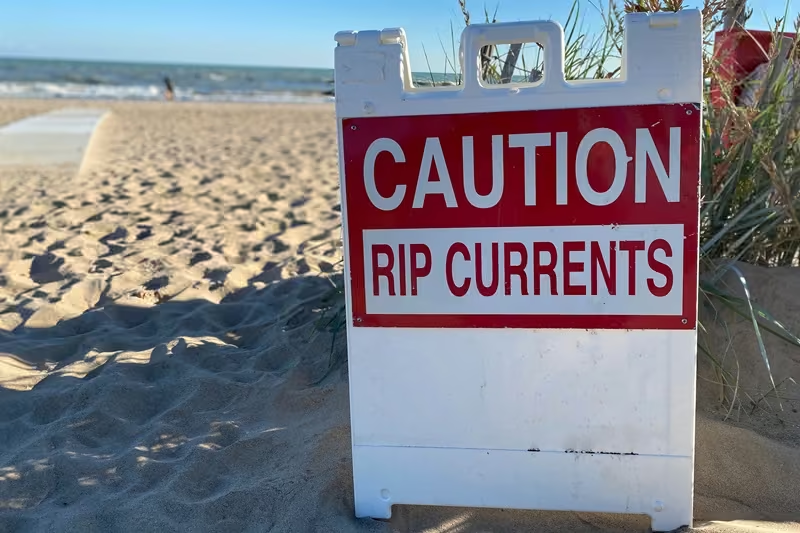
Strong Current
Strong currents can carry you along the shoreline or away from where you entered, making it hard to return. If a strong-current warning is posted, skip snorkeling in that area and ask a lifeguard about the conditions.
Our Maui rip currents guide explains possible warning clues, how rip currents differ from other currents, and what to do if you’re caught.
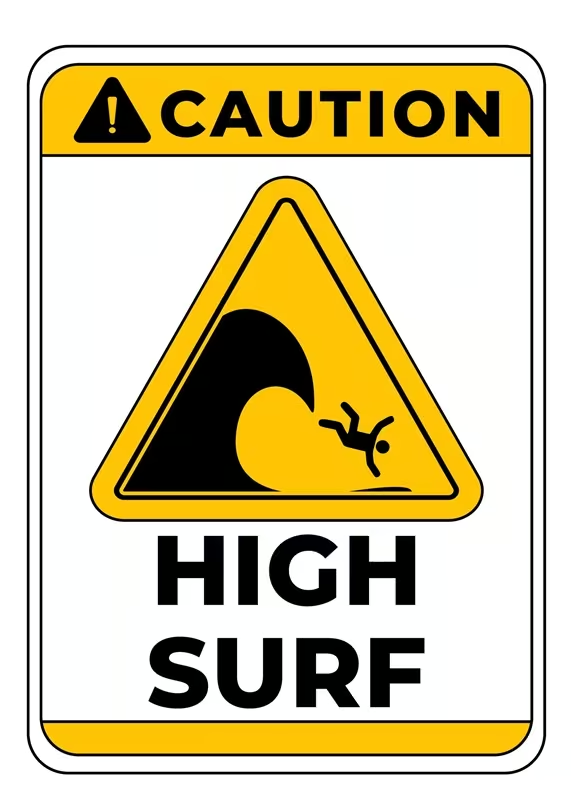
High Surf
High surf means powerful wave energy. A Maui south swell can increase surf, shorebreak, current, and surge along exposed South Maui beaches even when the skies look clear. Snorkeling is usually a no when a high-surf warning is posted, or the shoreline looks rough and chaotic.
No Swimming
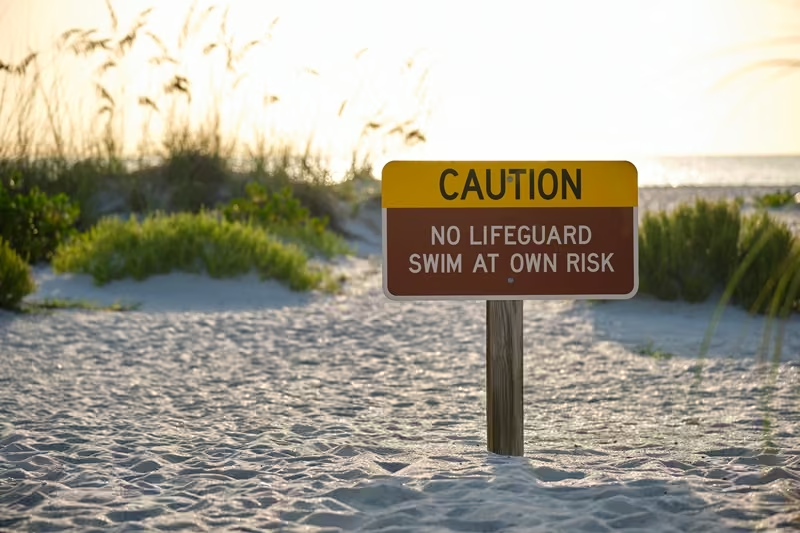
This is the ocean’s version of “hard no.” If you see a no swimming sign, don’t get in. It’s posted for extreme, life-threatening conditions.
Jellyfish And Man O' War
If a beach is warning about jellyfish or Portuguese man o' war, don’t enter that area. If you see them on the sand, assume they may also be in the waterline.
If you want to plan around box jellyfish timing, use our guide: Maui Box Jellyfish Calendar 2026.
Waves Break On Ledge And Slippery Rocks
Rocky shoreline looks cool until a wave sneaks up, the rock is slick, and suddenly your vacation is a medical appointment. If you see these warnings, stay out of the wet rocky zone and keep your distance from wave-washed ledges.
Shark Sighted
If you see a shark warning sign posted, don’t enter the water in that area. If you’re already in, get out calmly and listen for lifeguard instructions.
No Diving
A no-diving sign means the water may be too shallow, murky, rocky, or of unknown depth. Don't dive from shore, rocks, walls, ledges, or boats when this warning is posted. Enter feet first only if conditions are safe, and skip the area if you cannot clearly see the bottom.
Sudden Drop-Off
A sudden drop-off sign means the ocean floor can change quickly from shallow water to water over your head. This is especially important for children, weak swimmers, and snorkelers focused on the reef. Avoid ledges and drop-off areas when currents, waves, or low visibility are present.
How To Read Hawaiʻi Beach Hazard Ratings
At lifeguarded beaches, Hawaiʻi’s official hazard rating system uses Yellow, Red, Black, and Closed. These are beach and nearshore hazard ratings, not a universal flag code. Conditions can change quickly, so check the current rating and talk with a lifeguard before entering the ocean.
- Yellow: Caution. This is the lowest hazard rating, but it doesn’t mean the ocean is hazard-free. Watch for changing waves, currents, shorebreak, and drop-offs. Only independent swimmers who feel comfortable in the conditions should consider entering.
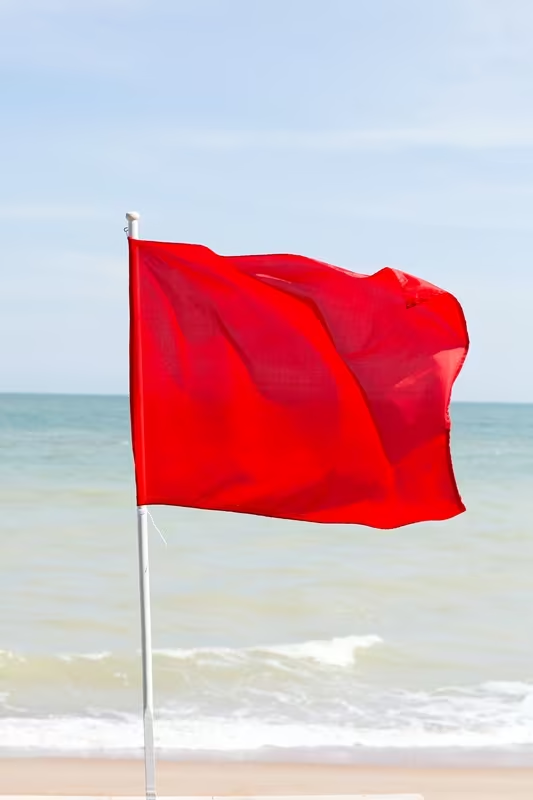
- Red: High Hazard. Swimmers are advised to stay out of the ocean. Don’t swim or snorkel, and avoid wet sand or rocks that waves can reach.
- Black: Extreme Hazard. Stay out of the water and remain well beyond the reach of waves. Powerful currents, surge, and shorebreak can make the water and shoreline dangerous.
- Closed. The beach is closed. Don’t enter the beach or water, cross barriers, or ignore official instructions.
You can review the complete system on Hawaiʻi Ocean Safety’s official beach hazard ratings page.
What About Other Beach Flags?
Other colored flags or signals may be used at a particular beach, but their meanings can vary by location. Don’t assume a flag definition from another state or a national guide applies on Maui. Read the posted legend and follow lifeguard instructions. If you can’t confirm what a flag means, stay out of the water.
Many Maui beaches aren’t lifeguarded and may not display a daily hazard rating. No posted rating doesn’t mean conditions are safe.
If you want a simple “windy day snorkel” plan, use: Best Maui Snorkel On A Windy Day.
Snorkeling Decision Checklist: When To Skip It
If your goal is a safe, fun snorkel (not a stressful workout), use this checklist:
- Closed or No Swimming: Don't enter the water.
- Red or Black Hazard Rating: Stay out of the ocean and skip snorkeling.
- Yellow Hazard Rating: Ask a lifeguard about conditions. Only independent ocean swimmers should consider entering; anyone unsure should stay out.
- Strong Current, High Surf, Dangerous Shorebreak Signs: Skip snorkeling, especially for kids and beginners.
- Brown Water or Water Quality Warnings: Skip swimming and snorkeling until it clears and advisories lift.
- You Feel Unsure: That’s your answer. Don’t go in.
Want to get better at choosing safe snorkel days? Use: 5 Best Maui Snorkel Conditions For Safe Snorkeling.
Where To Check Conditions Before You Go
Before you pack your beach bag, check beach conditions, water quality, and marine weather using the resources below.
- Hawaii Beach Safety/Safe Beach Day: Check current Maui beach hazard levels, including surf, wind, public safety alerts, and beach condition updates. Use this first when choosing a lifeguarded beach.
- Hawaiʻi DOH Water Quality Advisories: Check for brown water advisories, wastewater spills, bacteria concerns, and posted water-quality notices, especially after heavy rain.
- NOAA/National Weather Service Marine Forecasts: Review wind, swell, surf, and marine weather before snorkeling, swimming, kayaking, or boating.
Online updates are helpful, but conditions can change quickly. When you arrive, read the posted signs, watch the ocean for a few minutes, and ask a lifeguard before entering the water when one is present.
What To Do If You’re Not Sure
If conditions don’t look right, a change of plans can still make for a lovely Maui day:
- Enjoy a café stop, a land-based outing, or ocean views from a safe, open area well beyond the waves.
- Try another open, lifeguarded beach, but check its conditions before entering.
- Save snorkeling for another morning if conditions improve, and check again before heading out.
Final Thoughts
Maui’s beach warning signs and flags aren’t there to ruin your day. They’re there to keep your day fun and safe.
Read what’s posted, respect what you see, and don’t treat “maybe” conditions like a dare. Maui will still be gorgeous tomorrow, and the best snorkel days are the ones you finish smiling.