Written by Maui Snorkeling, operating tours to Molokini Crater, Turtle Town, and Coral Gardens from Māʻalaea Harbor since 1985. Tours are led by USCG-licensed captains aboard a USCG-inspected passenger vessel.
Last updated October 9, 2026
Quick Answer
Maui beach parking varies by location, so a little planning goes a long way. Some lots are free, while others use Park Maui, state park fees, or private parking systems. Check your chosen lot’s hours and payment instructions before heading out, and keep a backup beach in mind. At Kamaʻole I and III’s paved lots, visitors using standard spaces should plan around the resident-only parking period before 10 a.m. on weekends and County-observed holidays.
Main takeaways:
Best Time To Park: Arrive within the lot’s permitted visitor hours. Earlier isn’t always an option at lots with resident-only morning parking.
Park Maui: Follow the lot’s signs for pay station or app instructions.
Have A Backup: Keep a second beach option in mind if a lot is full.
Park Legally: Don’t block driveways or squeeze into no-parking zones.
Check The Specific Lot: A parking pass or payment for one location doesn’t automatically cover another operator’s lot.
A little parking planning leaves more time for the fun part of your Maui beach day. Rules vary between County beach parks, state parks, resort-area lots, and the harbor, so it helps to know what to expect before you leave.
This Maui beach parking guide explains where Park Maui applies, what visitors pay, and how to keep your plans flexible when a popular lot fills up.
What Is Park Maui?
Park Maui is Maui County’s parking management program for certain County-owned beach, town, and street parking areas. The biggest mistake visitors make is assuming it applies everywhere. It doesn’t.
That matters because the best parking strategy in Kīhei may be completely different from what works in Kaʻanapali, Kapalua, or Maʻalaea. The sign in the lot is still the boss.
If you searched “Maui beach parking,” this is the part that saves the most stress: not every Maui beach is a Park Maui beach. Official Park Maui pages currently focus most clearly on South Maui beach parking and Wailuku town parking.
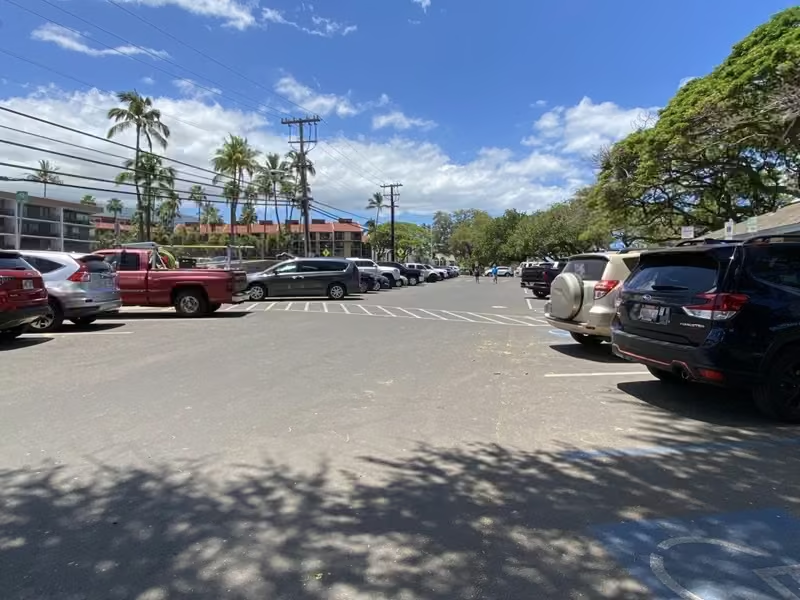
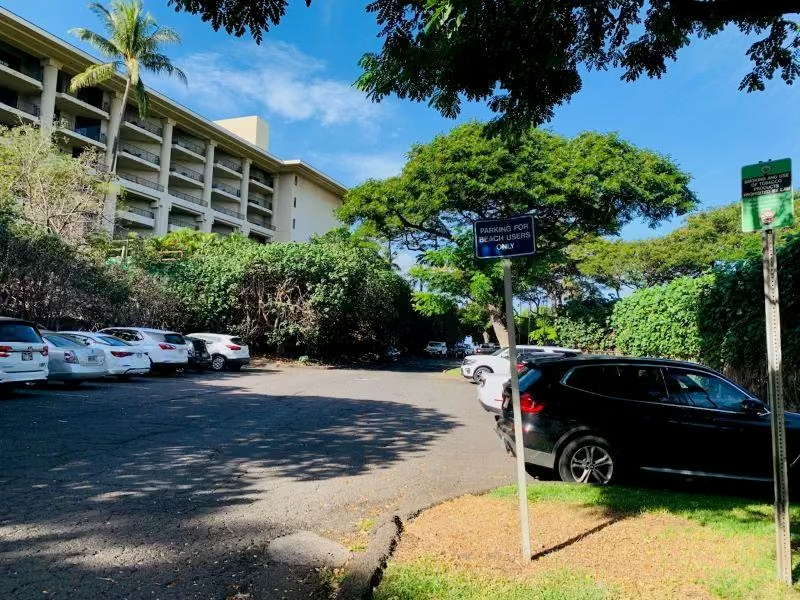
South Maui/Kīhei: Kamaʻole I and III Paved Parking Lots
Park Maui’s current beach parking guidance identifies the paved lots at Kamaʻole Beach Parks I and III in Kīhei. Check the signs at your specific lot rather than assuming the same payment rules apply to every Kamaʻole parking area.
Visitors and part-time residents pay to park in these designated lots. Hawaiʻi residents with a valid Hawaiʻi driver’s license qualify for free parking, but they still need to register a parking session each visit.
Planning a weekend beach morning? Standard parking spaces in these paved lots are reserved for Hawaiʻi residents before 10 a.m. on weekends and County-observed holidays. The beaches remain open to everyone.
Big Beach at Mākena State Park uses separate state park entrance and parking fees and has its own posted operating hours. Review our Big Beach Maui parking fees and hours before driving south.
Wailuku Town: On-Street Parking and Wailuku Garage
Wailuku is part of the Park Maui conversation, too, even though it’s not a beach stop. If your Maui plans include courthouse errands, shops, restaurants, or business appointments in town, Wailuku parking rules matter.
Park Maui lists free on-street parking with a 2-hour daily limit in Wailuku, as well as paid parking rules for the Wailuku Garage. If you’re stopping in a town before or after the beach, this is useful to know.
Areas That Are Not Part Of The County Park Maui Program
Park Maui’s official site says Kaʻanapali, the Kapalua Coast Trail, and Maʻalaea are not part of the County Park Maui program.
That does not mean parking is easy there. It just means you should not assume the Park Maui app or Park Maui beach rules apply. In those areas, expect private-lot, resort, condo, harbor, or site-specific parking rules instead.
Use the lot’s pay station or the Park Maui app to start your parking session. Double-check the parking zone and your rental car’s license plate before confirming. Pay stations accept credit cards, so you don’t need a smartphone to park.
Hawaiʻi residents should follow the license-scanning instructions to claim their benefit and start a session each visit. You won’t need to display a paper receipt on your dashboard.
Quick Checklist Before You Leave Your Rental
Check the lot’s hours, restrictions, and parking zone.
Have your license plate number and payment method ready.
Confirm your parking session before walking away.
Keep valuables out of sight and lock your vehicle.
How Much Is Park Maui Parking In Kīhei And Wailuku?
Here’s the simplest way to understand the official Park Maui pricing and rules currently listed online:
Park Maui Parking Rates And Rules At A Glance
Area
Who It Applies To
Rate Or Rule
Kamaʻole I and III paved lots (Kīhei)
Hawaiʻi residents with a valid Hawaiʻi driver’s license
Free with license verification. Start a parking session each visit.
Kamaʻole I and III paved lots (Kīhei)
Visitors and part-time residents
$10 daily, $50 for 7 consecutive days, or $150 for 30 consecutive days
Kamaʻole I and III morning parking restrictions
Drivers using standard spaces in the paved lots
Reserved for Hawaiʻi residents before 10 a.m. on weekends and
County-observed holidays. The beaches remain open to everyone.
Wailuku on-street parking
All drivers
Free with a 2-hour daily limit. Follow the restrictions posted
at your parking space.
Wailuku Garage
Hawaiʻi residents with a valid Hawaiʻi driver’s license
First 2 hours free once per day with license verification,
then $1 per hour, up to $8 per day. Start a session each visit.
Paid hours: 8 a.m. to 6 p.m. daily.
Wailuku Garage
Visitors and non-residents
$1 per hour, up to $10 per day.
Paid hours: 8 a.m. to 6 p.m. daily.
Pass details: Weekly and monthly beach parking passes
are available through the Park Maui app or its linked web payment option.
Check the lot’s signs and your checkout total, including any processing
fees, before confirming.
Accessible parking: At Park Maui beach lots, you can
park free in a designated accessible stall with a valid, unexpired
disability parking placard from any U.S. state clearly displayed.
This also applies before 10 a.m. during resident-only parking hours.
The exemption doesn’t cover standard spaces, and Wailuku Garage
parking fees still apply.
Even outside of Park Maui zones, parking gets competitive fast in certain parts of the island. In general, expect more friction in:
South Maui beach parks: especially after the early-morning window
Wailea beach access points: limited public access parking plus resort traffic
West Maui beaches: public demand plus private-lot and resort-area rules
Small shoreline lots: “hidden gem” parking is usually tiny, not magical
Before driving south, check our Pōʻōlenalena Beach parking and access guide to find the public lot near Makena Surf, not a condominium entrance. Follow posted restrictions and any payment instructions when you arrive.
For a West Maui stop with limited highway-side parking, read our Slaughterhouse Beach parking and access guide before heading to Mokulēʻia Bay. It explains what to check on the parking signs and how the stairway to the beach affects what you should bring.
Give yourself a little flexibility, especially at smaller lots. Check visitor parking rules, choose a backup beach before you leave, and move on if your first choice is full.
Beach lots also come with everyday Maui surprises, including wild chickens on Maui wandering near cars, picnic areas, and trash cans. Drive slowly, watch for movement, and keep snacks closed when you unload.
Ways To Make Beach Parking Easier
You don’t have to spend your beach morning circling a lot. Depending on where you’re staying, walking, sharing a ride, or choosing a backup beach can make the day easier.
Option 1: Walk In From Nearby Lodging
If you’re staying in Kīhei, Wailea, or near a legal public access point, walking in can be the best move of the day. You skip the lot drama and start the beach day with one less thing to stress about.
Option 2: Use A Drop-Off Or Ride Share
For a quick swim, sunset, or short beach stop, getting dropped off can be easier than circling for a stall. Just make sure you already know how you’re getting back.
Option 3: Share A Ride
Traveling with friends or family? Sharing one vehicle can reduce the number of parking spaces your group needs and let you split any parking charges. Check the lot’s permitted visitor hours before deciding when to arrive.
Option 4: Choose A Backup Beach Before You Leave
This is the underrated move. Don’t build your entire day around one single lot. If your first choice is packed, already knowing your Plan B keeps the vibe intact.
Parking Mistakes To Avoid
Assuming Park Maui applies everywhere: it doesn’t
Ignoring posted signs: lot-specific rules always control
Blocking driveways or access points: even “just for a minute” can go badly
Skipping the parking session: Hawaiʻi residents still need to start one each time in Park Maui areas
Leaving valuables visible: keep your car empty-looking
Ignoring closing times or overnight restrictions: Check the signs before leaving your car, especially if you’re staying for sunset.
FAQs
Sometimes, but not always. Some lots and areas may use Park Maui paid zones or other rules. Always follow posted signs in the lot you’re using.
Park Maui is Maui County’s parking management program. It can include paid parking zones and different options depending on location.
Use the lot’s pay station or the Park Maui app. Pay stations accept credit cards. Check the parking zone and your license plate carefully, then confirm your session before heading to the beach.
Check the lot’s visitor hours first. At Kamaʻole I and III’s paved lots, standard spaces are reserved for Hawaiʻi residents before 10 a.m. on weekends and County-observed holidays. Elsewhere, arriving earlier within opening hours may help, but spaces aren’t guaranteed.
Don’t block driveways, don’t park in no-parking zones, and don’t leave valuables visible. Keep it simple and legal.
Walking from nearby lodging can be a great option when there’s a suitable public route. A drop-off can also help, but arrange your return ride. Booking a snorkel tour reduces beach hopping, although you’ll still need to plan for harbor parking if you drive.
Final Thoughts
Maui beach parking is easier when you know your first stop and have a backup in mind. Check the lot’s hours, follow its payment instructions, and leave a little room in your plans. Once you’re parked, you can settle into the beach day you came for.
Sources & Updates
Before you head out, check current parking locations, rates, hours, and payment instructions using the resources below.