Written by
Maui Snorkeling, operating tours to Molokini Crater, Turtle Town, and Coral Gardens from Māʻalaea Harbor since 1985. Tours are led by USCG-licensed captains aboard a
USCG-inspected passenger vessel.
General planning guidance only. This page doesn't provide live water-quality reporting or medical advice.
Check Current Maui Water Advisories
In the state viewer, filter Island to Maui and Status to Issued. Recheck immediately before entering the water.
Quick Answer: The Hawaiʻi Department of Health (DOH) recommends avoiding brown water and exposed beach sand for 48 to 72 hours after heavy rain and until conditions improve. Don't use elapsed time as an automatic all-clear. Stay out while an advisory covers your planned location or water remains brown, cloudy, or turbid.
Main Takeaways:
- Check Live Status: Filter the DOH viewer to Maui and Issued immediately before entering the water.
- Follow DOH Timing: Avoid brown water and exposed beach sand for 48 to 72 hours after heavy rain and until conditions improve.
- Don't Rely On Color: Runoff-affected water may appear gray or even colorless and is often cloudy or turbid.
- Avoid Runoff Areas: Stay away from stream mouths, storm drains, drainage canals, floating debris, and murky water.
- When In Doubt: Stay out of the water and choose a land-based Maui activity.
After heavy rain, visitors often need to decide whether to postpone snorkeling. Start with the current Hawaiʻi DOH advisory viewer, then use the general planning guidance below.
What Is A Brown Water Advisory In Maui?
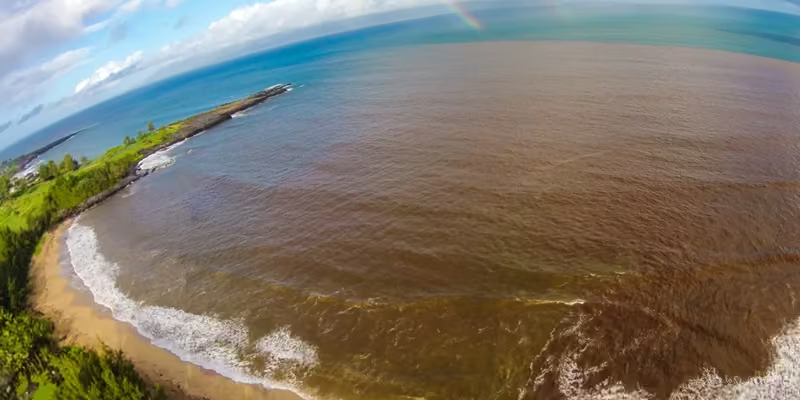
A Brown Water Advisory warns that recent rainfall may have carried land-based polluted runoff into coastal water.
After heavy rain, soil and silt can wash into streams and drainage systems. Runoff can also carry sewage from overflows or cesspools, pesticides, fertilizers, oil, chemicals, animal waste, flood debris, and pathogens.
Runoff-Affected Water May Not Look Brown
Hawaiʻi DOH notes that affected water may appear gray or even colorless and is often cloudy or turbid. Don't rely on color alone. Check the live DOH viewer, and stay out of brown, cloudy, or turbid water even when no Brown Water Advisory has been issued.
Rain Can Affect A Sunny Beach
Rain in the mountains or upcountry can reach a sunny coastal area through streams, storm drains, canals, and other drainage systems. Sunny conditions at the beach don't rule out runoff impacts from rain in the mountains or upcountry.
Why Brown Water Is Risky For Maui Snorkelers
Brown or turbid water is a health and safety concern.
Runoff Can Carry Pollutants And Pathogens
Contaminants in runoff may not be visible from shore. The risk is especially important when someone may swallow water, has an open cut, or has a health condition that increases risk.
Low Visibility Makes Snorkeling Riskier
Low visibility creates additional physical hazards:
- Coral heads, rocks, surge channels, and shallow areas are harder to see.
- Tracking a buddy, children, or the exit point is more difficult.
Don't enter the water when visibility is poor.
How Long Should You Wait To Snorkel After Heavy Rain In Maui?
Short answer: Hawaiʻi DOH recommends avoiding brown water and exposed beach sand for 48 to 72 hours after heavy rain and until conditions improve. Don't use elapsed time as an automatic all-clear. If an advisory covers your planned location, the water remains brown or turbid, or runoff and debris are present, stay out.
Hawaiʻi DOH’s 48-To-72-Hour Guidance
The state’s guidance is designed to reduce contact with polluted runoff after storms. Review the Hawaiʻi DOH timing guidance and check the current Clean Water Branch advisory viewer before entering the ocean.
Don't use the clock alone. Clear-looking water doesn't cancel an issued advisory, and the absence of an advisory isn't a safety certification. Stay out when water looks brown, cloudy, or turbid, even if no Brown Water Advisory appears in the viewer.
When To Wait Longer
Wait longer or choose a land-based activity when any of these apply:
- An advisory remains issued for the area.
- The water is brown, cloudy, debris-filled, or visibly turbid.
- You are near a stream mouth, drainage ditch, canal, storm drain, or flood channel.
- There was intense rain, flooding, or a sewage spill.
- Anyone in your group has an open cut, may swallow water, or has a health condition that increases risk.
How To Check Maui Water Quality And Beach Safety Today
Water quality and ocean conditions can change quickly. Use current official information immediately before you swim or snorkel.
Check Hawaiʻi DOH Water Quality Advisories
- Open the Hawaiʻi DOH water-quality advisory viewer.
- Filter Island to Maui and Status to Issued.
- Open any result near your planned entry and follow the posted instructions.
- Recheck immediately before entering because advisory status can change.
This article provides general planning guidance. It doesn't display live water-quality status and isn't medical advice.
Brown Water Advisory Vs. Beach Advisory Vs. Sewage Spill Advisory
These notices have different triggers and instructions. Follow each posted notice. Avoid water covered by an issued advisory. Hawaiʻi DOH advises people at higher risk to stay out whenever a notification is issued or a sign is posted.
1) Brown Water Advisory
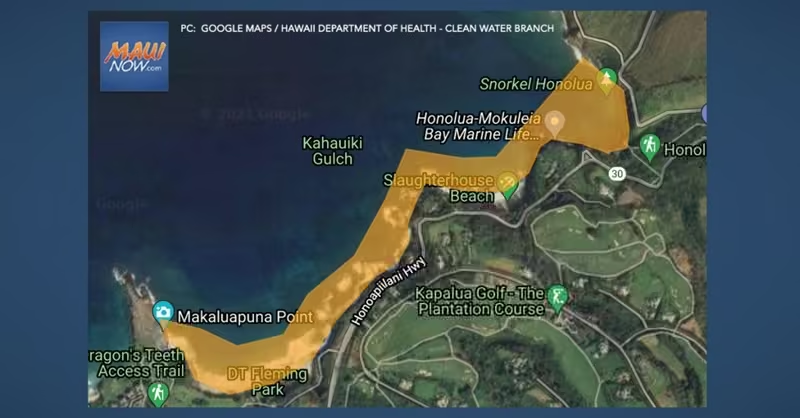
A Brown Water Advisory warns that brown, cloudy, or turbid coastal water may contain polluted runoff. It is precautionary and may be issued based on a Clean Water Branch field assessment and the likelihood of land-based runoff; laboratory confirmation of a specific contaminant isn't required. DOH doesn't close beaches in response to advisories, but highly recommends avoiding recreation or contact with affected water. Learn more from the Clean Water Branch Beach Monitoring Program.
2) Beach Notification Or Beach Advisory
Hawaiʻi monitors enterococci as an indicator of increased gastrointestinal-illness risk. A result above the state Beach Action Value of 130 CFU or MPN of enterococci per 100 mL can trigger a notification and follow-up sampling. A Beach Advisory may follow based on confirmation or the agency’s resampling protocol. The result signals increased risk; it doesn't by itself identify the pollution source or prove a specific contaminant is present.
Snorkeler takeaway: Don't assume clear-looking water is safe when a notification or advisory is posted.
3) Sewage Spill Advisory
A Sewage Spill Advisory follows a confirmed spill reported by a permitted wastewater facility or verified by Clean Water Branch staff. Avoid contact with affected water until Hawaiʻi DOH cancels the advisory.
Check Beach Conditions And Talk To Lifeguards
Water quality is only one part of the decision. Surf, currents, wind, shorebreak, and visibility also matter.
- Choose a lifeguarded beach when possible.
- Read all posted signs and flags.
- Ask a lifeguard about current snorkeling conditions and a suitable entry and exit.
- Use the Maui snorkel conditions guide to understand wind, swell, and visibility.
If either water quality or ocean conditions are questionable, postpone the snorkel. Don't drive from beach to beach looking for clearer water. A different beach isn't automatically safer after the same storm.
Maui Rain To Snorkel Decision Checklist
Use this sequence before entering the water:
- Follow the state’s timing guidance. Avoid brown water and exposed beach sand for 48 to 72 hours after heavy rain and until conditions improve.
- Check current advisories. Open the Hawaiʻi DOH viewer, filter to Maui and Issued, review the planned location, and recheck immediately before entering.
- Look for signs of runoff. Don't enter brown, cloudy, or turbid water, or water with runoff or debris. Avoid stream mouths, drainage pipes, canals, and storm drains.
- Check ocean conditions. Postpone the water activity when currents, surf, wind, shorebreak, or visibility are unsuitable.
- If you are uncertain, stay out. Choose a land-based activity instead.
How to Decide When to Return to the Water
Follow Hawaiʻi DOH’s recommendation to avoid brown water and exposed beach sand for 48 to 72 hours after heavy rain and until conditions improve. Don't return based on time alone. Check the live viewer for the planned location, follow any issued advisory or posted warning, and recheck immediately before entering.
Don't move from beach to beach looking for clearer water. Runoff-affected water may not be visibly brown, and a clearer-looking beach isn't automatically safe after the same storm.
If an advisory remains issued or conditions are uncertain, wait and choose a land-based activity. Use our Maui Rainy Day Activities guide for weather-friendly alternatives.
What If You Already Booked A Maui Snorkel Tour?
Contact the operator and ask how current Hawaiʻi DOH advisories, water quality, wind, swell, and visibility affect the trip. The operator may change the site, delay, or cancel. Follow the operator’s current instructions and cancellation terms. Don't enter affected or questionable water because the trip was prepaid.
Final Safety Check Before Returning
Return only after following the state’s 48-to-72-hour guidance and waiting until conditions improve, no relevant advisory remains issued, and current water and ocean conditions are suitable. Recheck the Hawaiʻi DOH viewer immediately before entering.
If water is brown, cloudy, or turbid, runoff or debris is present, or conditions are uncertain, stay out and choose a land-based activity. No checklist guarantees risk-free conditions.
Sources & Updates: This page doesn’t show live advisory status. Before you swim or snorkel after rain, check current water quality advisories, ocean safety guidance, and marine conditions using the official resources below.