Planning a Maui snorkel day? Start with the conditions report above, then use this guide to understand what the numbers mean for your outing.
Wind, waves, water quality, and the exact shoreline all matter. You don’t need to become a weather expert, but knowing what to check can help you spend less time guessing and more time enjoying your vacation.
What Good Maui Snorkel Conditions Look Like
Calm water, light wind, clear visibility, and a manageable entry are encouraging signs. They’re a starting point, not proof that the ocean is suitable.
Currents can be difficult to see, water-quality concerns aren’t always visible, and larger waves can arrive between quieter periods. Look beyond the surface: check advisories, watch the shoreline, and ask a lifeguard about local hazards when one’s available.
Rough surf, brown or murky water, strong water movement, or an uncertain exit are reasons to change plans. Keep your buddy and your return route in mind throughout the outing.
The 6 Things To Check Before Snorkeling On Maui
Before you grab your mask and fins, use these six checks to review the forecasts, local warnings, and conditions at your planned snorkeling location.
1. Check The Wind
Check the wind forecast for the time you’ll actually be snorkeling, not just the morning weather at your hotel. Check direction, speed, and any forecast increases during your outing.
Wind direction describes where the wind comes from. An east wind blows from the east. Also check the units: marine forecasts commonly use knots rather than miles per hour.
There isn’t one wind-speed number that makes every Maui beach suitable. Shoreline orientation and local terrain affect how the wind reaches the water. Watch for surface chop and changing conditions, and ask about the return route before entering.
2. Check The Waves
Waves can make it harder to enter and exit, and to swim safely. Even small waves can be a problem if they’re breaking where you need to walk in or pushing water over a shallow reef.
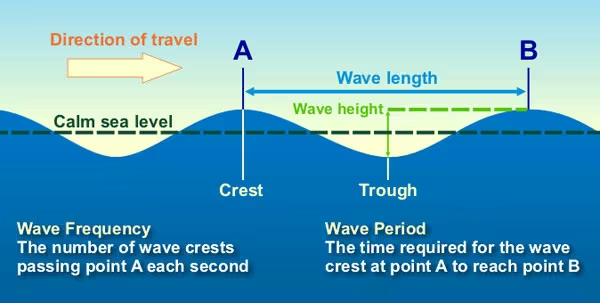
Read the wave height, direction, and period together. Period is the time between waves, measured in seconds. Longer-period swells can bring substantial energy to shore even when the water looks relatively quiet between sets.
Also distinguish offshore wave height from breaking surf. NWS Hawaiʻi surf forecasts describe breaking-wave face heights and group shores by the direction they face. A beach in West Maui doesn’t necessarily face west, so the regional label alone isn’t enough to choose the right forecast.
Watch the water rather than judging it during one calm-looking pause. Forecast ranges aren’t maximum wave heights; larger sets can occur.
A good snorkel spot should have a calm entry. If waves are crashing on the shore, knocking people around, or making the water cloudy, it’s better to stay out. If the forecast shows wave energy arriving from the south, read our guide to understanding a Maui south swell before choosing a South Maui beach or shore entry.
Tide can also change the water depth over the reef and how an entry feels. Our guide to the Best Tide for Snorkeling in Maui explains why tide is only one part of the decision.
3. Check The Water Clarity
Clear water is one of the most important parts of a good snorkel day. If the water is clear, you’ll have a better chance of seeing fish, reef, and turtles from a safe distance. If the water is murky, snorkeling is less enjoyable and less safe.
Murky water can hide rocks, reef, and other swimmers. Clear water makes it easier to see your surroundings, but it doesn’t rule out currents or water-quality concerns. If visibility is poor, save the reef exploring for another day.
4. Check Recent Rain
Heavy rain can carry runoff into the ocean, even when it’s sunny at the beach. Avoid snorkeling during and immediately after heavy rain, especially near stream mouths and drainage outlets.
Check Hawaiʻi DOH advisories for the affected location, including bacteria and sewage notices. Don’t judge water quality by color alone. The automated report above flags Maui or statewide advisories, so open the notice to see which area it covers.
For more details about runoff, water clarity, and how long conditions may take to improve, read our Maui Brown Water Advisory Guide. When the ocean isn’t suitable, switch to one of these Maui rainy day activities instead of forcing a shore snorkel.
5. Check Beach Safety Warnings
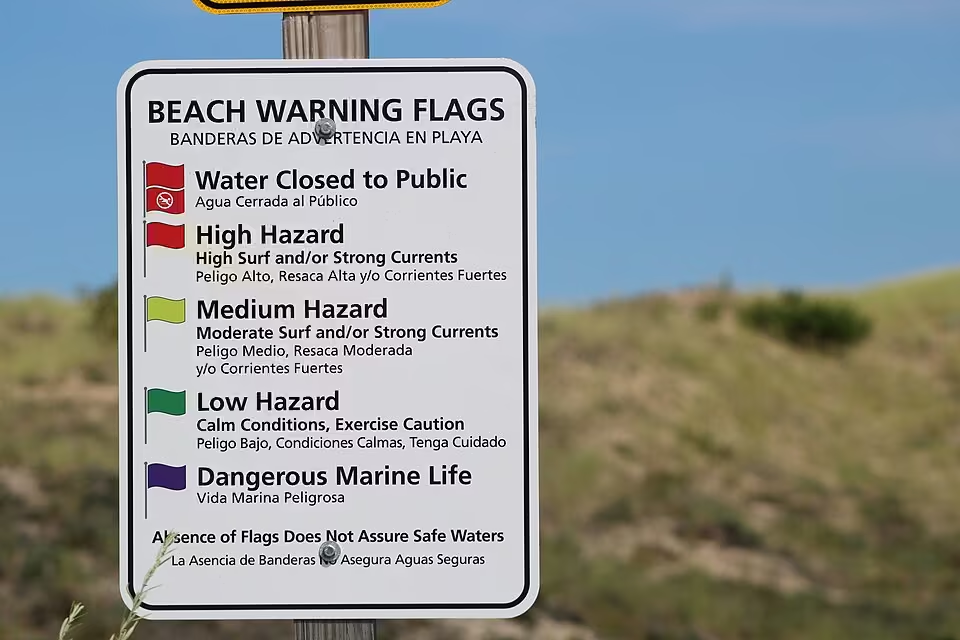
Before you snorkel, check for posted signs, flags, and official beach safety alerts. Warnings may mention strong currents, high surf, shorebreak, jellyfish, poor visibility, or other hazards.
- Yellow: Use caution and watch for changing conditions
- Red: High hazard. Stay out of the ocean
- Black: Extreme hazard. Stay out and remain beyond the reach of waves
- Closed: The beach is closed. Don’t enter
At a lifeguarded beach, ask about the entry, exit, and current hazards before getting in. A beach without a posted rating isn’t automatically suitable for snorkeling. If you can’t confirm conditions and you’re unsure, enjoy the shoreline instead.
Our Maui Beach Warning Signs and Flags Guide explains what common flags, water closures, high-surf warnings, and marine-life alerts mean.
Note: Refer to Hawaiʻi’s official beach hazard ratings for more information.
6. Check Currents And Your Return Route
A smooth surface doesn’t mean the water underneath is still. Currents can move along the shoreline or away from it, and they may not be obvious from the beach.
Ask a lifeguard about water movement, shorebreak, and your planned exit. Don’t enter simply to test whether there’s a current. If you can’t assess the route or aren’t confident about getting back out, choose another activity.
During your snorkel, check in with your buddy regularly. If returning becomes difficult, signal for assistance early rather than exhausting yourself.
Best Maui Snorkeling Spots When Conditions Are Good
Maui has many beautiful snorkel areas, but no spot is perfect every day. The best place to snorkel depends on the wind, waves, visibility, season, and your comfort level.
Molokini Crater
Molokini is one of Maui’s most famous snorkel destinations. It’s known for clear water, reef fish, and a unique offshore crater setting. Because Molokini is reached by boat, it’s usually best to go with an experienced crew that checks the marine forecast and ocean conditions before heading out. For a deeper look at the crater, water clarity, marine life, and timing, read our full guide to Molokini snorkeling.
Conditions matter during the boat crossing as well as at the reef. Molokini isn’t a guaranteed stop, and the captain may change destinations or cancel when conditions aren’t suitable.
Turtle Town
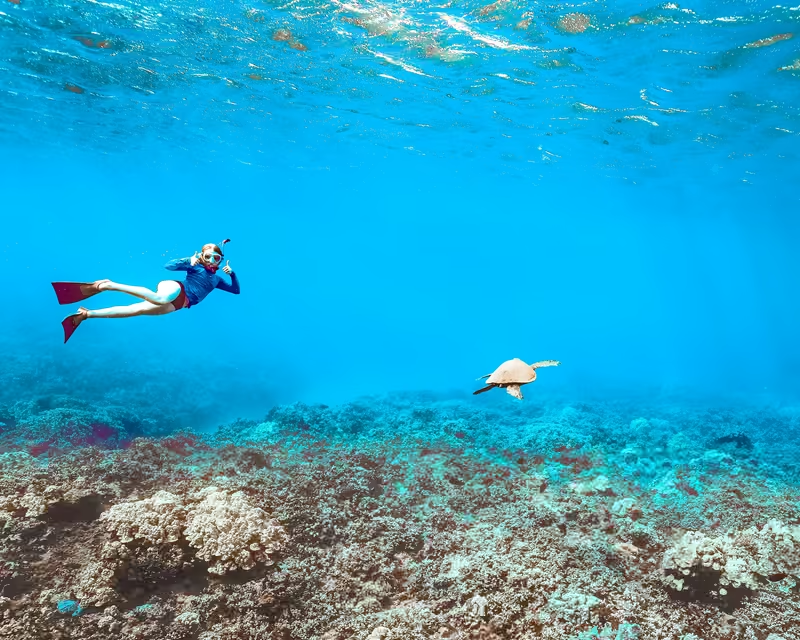
Turtle Town is a popular South Maui snorkel area known for lava rock, reef, fish, and the chance to see Hawaiian green sea turtles from a respectful distance. It’s best when the ocean is calm, and visibility is good. To learn more about this South Maui snorkel area, including what you may see and when to go, read our guide to Turtle Town snorkeling.
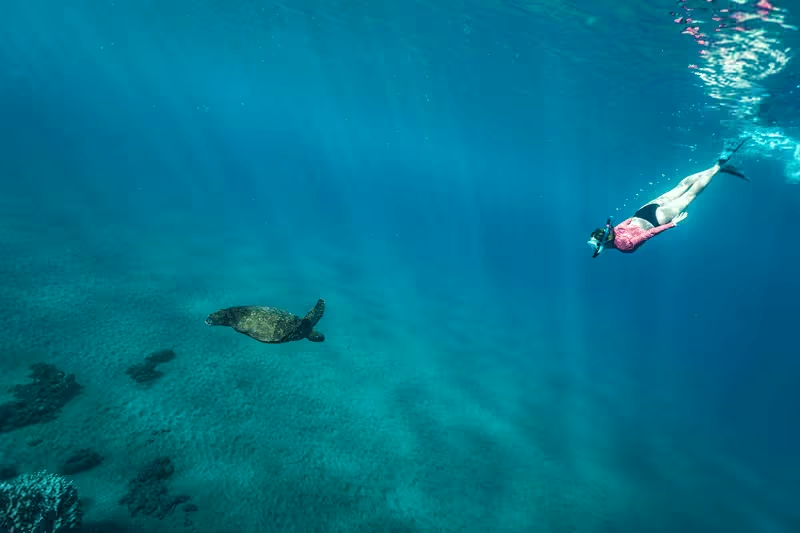
If you see turtles, give them space. Don’t chase, touch, or crowd them. Enjoy the moment calmly and let the turtles move naturally.
Coral Gardens
Coral Gardens can be a great option when conditions line up, especially on days when a protected route is better. You typically reach it by boat, and it can offer beautiful reefs, fish, and scenery. For more details on the reef, location, and what makes this area special, visit our guide to Coral Gardens Maui.
Like every Maui snorkel location, Coral Gardens depends on the day’s conditions. A guided tour crew can help decide if it’s a good fit.
South Maui Shore Beaches
South Maui areas like Kihei, Wailea, and Makena can offer excellent snorkeling on calm mornings. These areas can also become windy or murky later in the day, so an early start is helpful.
If you're exploring South Maui from shore, Maluaka Beach snorkeling is worth learning about because it's often associated with the Turtle Town area. More experienced visitors can also read our ʻĀhihi-Kīnaʻu Maui guide before visiting, since the reserve has rocky entries, specific parking rules, and conditions that may not suit every snorkeler.
Always check the entry before you go in. Some beaches have sandy entries, while others have rock, reef, or uneven footing. If you’re a beginner, choose a beach with easy entry, calm water, and, when possible, a lifeguard.
West Maui Shore Beaches
West Maui areas like Kaanapali, Napili, and Kapalua can be beautiful for snorkeling when the ocean is calm. Conditions can change with swell, wind, and season, so don’t assume a popular beach is safe every day.
If the water looks rough, cloudy, or crowded, wait for better conditions or choose a different plan.
General beach-flag reference. Flag systems vary by location. For Maui, follow posted instructions and Hawaiʻi’s Yellow, Red, Black, and Closed hazard ratings.
Shore Snorkeling Vs. A Guided Maui Snorkel Tour
Shore snorkeling gives experienced ocean swimmers flexibility, but you’re responsible for choosing an appropriate entry, checking conditions, and planning the return with your buddy.
A guided boat tour adds equipment, instruction, and crew support, and provides access to offshore destinations such as Molokini. Turtle Town can be explored from shore as well as by boat, depending on the specific reef and access point.
Neither option guarantees suitable conditions. Choose based on the exact location, the day’s outlook, and your group’s abilities. A guided tour can also provide:
- Help with mask fit, fins, and flotation
- Basic snorkeling instructions and water-entry support
- Access to snorkel areas that are usually reached by boat
- A crew familiar with changing local ocean conditions
- Less guesswork about where to snorkel that day
Guided tours are also condition-dependent. The crew may reroute the trip or cancel it if ocean conditions aren’t suitable. When a trip can operate, that flexibility allows the crew to choose the route that best matches the day’s conditions and the group’s comfort. Learn more about how Maui Snorkeling captains choose the day’s destination and why a route may change after the boat leaves Māʻalaea Harbor.
What To Do If Conditions Change While You’re Snorkeling
If wind increases, visibility drops, or your return starts feeling harder, end the session early and alert your buddy. On a boat tour, signal the crew and follow their instructions.
If a current prevents you from making progress, don’t exhaust yourself fighting directly against it. Conserve energy and signal for help. Someone ashore should alert a lifeguard or call 911 if immediate assistance isn’t available.
Leaving early doesn’t spoil the outing. It gives you time to regroup and enjoy the rest of your day.