Where to Stay in Maui: Best Areas for Your Trip Style
January 10th, 2025
| Areas & Town GuidesTrip Planning & Logistics
Written by Maui Snorkeling, operating tours to Molokini Crater, Turtle Town, and Coral Gardens from Māʻalaea Harbor since 1985. Tours are led by USCG-licensed captains aboard a USCG-inspected passenger vessel.
Last updated August 27, 2026
Quick Answer:
South Maui is the most flexible base for most first-time visitors, with
Kīhei offering condos and casual dining and Wailea emphasizing full-service
resorts. Choose West Maui for a classic resort stay, Central Maui for
airport access and islandwide driving, Upcountry for Haleakalā and cooler
elevations, or Hāna when an East Maui overnight is a priority.
Use the trip-style finder below to compare shorter visits, longer trips,
split stays, no-car travel, and family needs.
Choosing where to stay in Maui comes down to how you want your trip to feel. South Maui is usually the easiest fit if you want sunny beaches, snorkeling, restaurants, and a convenient vacation base. West Maui is best for classic resorts, sunsets, Kaʻanapali, Nāpili, and Kapalua. Central Maui works well for value and short stays, Upcountry gives you cooler weather and big views, and Hāna is best when you want to slow down on the Road to Hāna.
This guide compares Maui’s main regions by trip style, including where to stay for families, couples, snorkeling, luxury resorts, budget-friendly lodging, and quieter escapes.
Lodging disclosure: Maui Snorkeling is a tour operator, not a hotel-booking company. The properties listed here are representative examples to compare, not rankings or endorsements. Maui Snorkeling doesn't receive affiliate or referral compensation from the hotel links on this page.
Find Your Best Maui Base By Trip Style
Use this comparison to choose a lodging region based on your trip length,
transportation plans, and group needs.
Kīhei, Wailea, or Kāʻanapali, depending on planned activities
These areas offer combinations of beaches, restaurants, shops, and
resort services within walking distance. Use the
Maui Without a Rental Car guide
to compare transportation options.
Airport transfers, harbor transportation, and activities outside the
lodging area must be arranged in advance.
Three-To-Four-Day Visits
Kīhei or Māʻalaea
One convenient base limits hotel changes and provides practical
access to South Maui, Central Maui, and an early Māʻalaea Harbor
tour.
West Maui, Upcountry, and East Maui plans may require longer drives
or early starts.
Five-To-Seven-Day Visits
South Maui, West Maui, or Central Maui
One base can still work well. Choose South Maui for flexibility,
West Maui for a resort-focused stay, or Central Maui for airport
access and islandwide driving.
A widely scattered itinerary can still create substantial daily
driving.
Split Stays
South or West Maui plus one or two nights in Hāna
An East Maui overnight can reduce the pressure to complete the Road
to Hāna as a same-day round trip.
Changing properties takes time and may add cleaning fees, parking
charges, and stricter check-in or cancellation terms.
Families And Multigenerational Groups
Kīhei, Wailea, Kāʻanapali, or Nāpili
These areas offer a broad selection of resorts and condos. Compare
kitchens, larger room layouts, elevators, pools, parking, and nearby
dining.
Accessibility, connecting rooms, sleeping arrangements, total fees,
and walking distances must be confirmed with the property.
Note: These are planning starting points, not rankings.
Confirm current lodging permits, accessibility features, transportation,
parking, fees, and cancellation terms before booking.
Representative Maui Hotels And Resorts To Compare
These are representative properties to compare, not a ranking.
Price categories are relative to Maui's lodging market:
$ value,
$$ moderate,
$$$ upscale, and
$$$$ luxury.
They're planning estimates, not live rate quotes.
Couples, families, and small groups wanting kitchens, lanais, and a
quieter condo-style stay
$$
Moderate. Immediate shoreline access, but limited
dining and shopping are available nearby.
Service and environmental fee $25, or $29.68 including tax; parking
included
No air conditioning, televisions, or elevators.
Note: Rates, taxes, parking charges, mandatory fees,
cancellation terms, amenities, and availability can change. Confirm the
final terms directly with the property before booking.
South Maui: Flexible Beaches, Dining, Condos, And Resorts
South Maui is a flexible base for many first-time visitors because Kīhei, Wailea, and Mākena place beaches, dining, permitted accommodations, and the route to Maʻalaea within a relatively compact region. It's generally drier than windward East Maui, but wind, swell, runoff, shorebreak, and visibility still change by day.
Wailea: Full-Service Resorts And Multiple Beaches
Wailea concentrates large resorts, restaurants, golf, spas, and access to several beaches. It suits travelers who want many services on-property or nearby. Resort rates can be high, and no beach is guaranteed to be calm or suitable for swimming or snorkeling on a particular day. Read the Wailea guide.
Kīhei: Condos, Casual Dining, And A Broader Lodging Mix
Kīhei offers a wide mix of condos, hotels, groceries, casual dining, and beaches. It's useful for travelers who want to compare more room types and stay within practical driving distance of Maʻalaea Harbor. “Better value” depends on dates, property condition, taxes, fees, parking, and cancellation terms, so compare total prices rather than assuming the town is always cheaper. Use the Kīhei guide.
Mākena: Less Development And Fewer Nearby Services
Mākena has less visitor development and fewer dining, shopping, and lodging choices than Kīhei or Wailea. Confirm that any accommodation is legally permitted. Large shorebreak, currents, wind, heat, and limited shade can affect beach plans, so use current signs and lifeguard guidance rather than choosing it solely for a quieter setting.
Main trade-off: South Maui offers a convenient mix of beaches and visitor services, but popular roads and beaches can be busy and the region isn't closest to West Maui, Upcountry, or Hāna.
West Maui: Resorts, Sunsets, And Seasonal Whale Watching
West Maui includes established visitor areas in Kāʻanapali, Nāpili, and Kapalua, along with Lahaina’s ongoing recovery area. It can work well for travelers who prioritize a resort base, west-facing sunsets, golf, and seasonal whale activity. The main trade-off is the drive to many South, Central, Upcountry, and East Maui plans.
August 2026 update: Front Street from Pāpalaua Street to Shaw Street reopened to vehicle traffic on August 1. Market Street, Papelekane Street, and Mokuhinia Place remain closed during ongoing work, and temporary closures may still occur. Check Maui County’s current update and Maui Recovers before visiting; stay out of fenced or private areas, and follow posted signs.
Lahaina: What To Know During Rebuilding
Lahaina’s recovery remains active, so don't rely on a general statement that West Maui is open. Confirm current street access, business hours, permitted lodging, parking, and property-specific conditions before booking or visiting. Respect all closures and community guidance. For historical context, see the Lahaina Banyan Tree guide.
Kāʻanapali: Classic Resort-Area Convenience
Kāʻanapali offers large resorts, vacation ownership properties, dining, shopping, beach access, and a coastal walking path. It's practical when your group wants many services nearby. Water conditions still vary by day, especially near rocky points. Check surf, currents, water quality, and lifeguard guidance before swimming or snorkeling. Learn more in the Kāʻanapali Beach guide and the Black Rock comparison.
Kapalua: Resorts, Golf, And A Quieter Setting
Kapalua offers resort lodging, golf, coastal trails, and several bays. Its location is quieter and farther north than Kāʻanapali, which can add drive time to other regions. A protected-looking bay isn't guaranteed to be calm, so check current conditions.
Nāpili: Condos And A Smaller Beach-Area Base
Nāpili can suit travelers who prefer a smaller-scale West Maui setting with condos and beach access. Confirm that any short-term rental is legally permitted, compare parking and kitchen needs, and don't assume the bay is safe for every child or swimmer every day. See the Nāpili Bay guide.
Before booking a condo or vacation rental, confirm that it's legally permitted using Maui County’s short-term-rental information.
Central Maui: Airport Access And Islandwide Driving
Central Maui places you near Kahului Airport, Maʻalaea Harbor, groceries, practical services, and roads to multiple regions. It's useful for short stays and travelers who prioritize driving logistics over a resort-beach setting. Rates are date-specific, so compare total lodging costs rather than assuming Central Maui is always the least expensive.
Wailuku: Historic Town And ʻĪao Valley Access
Wailuku offers restaurants, coffee shops, civic services, and access toward ʻĪao Valley. It can work for travelers who want a central base and don't need resort amenities outside the room. Confirm parking, nighttime services, and the legal status of any short-term rental.
Kahului: Airport And Practical Convenience
Kahului is home to OGG, shopping, groceries, restaurants, and the Maui Arts & Cultural Center. It's practical for a late arrival, early departure, or itinerary spread across several regions. The trade-off is a smaller selection of resort-style beachfront stays.
Central Maui doesn't eliminate long drives. Hāna, Haleakalā, West Maui, and far South Maui still require route and timing checks.
Upcountry Maui: Cooler Elevations And Haleakalā Access
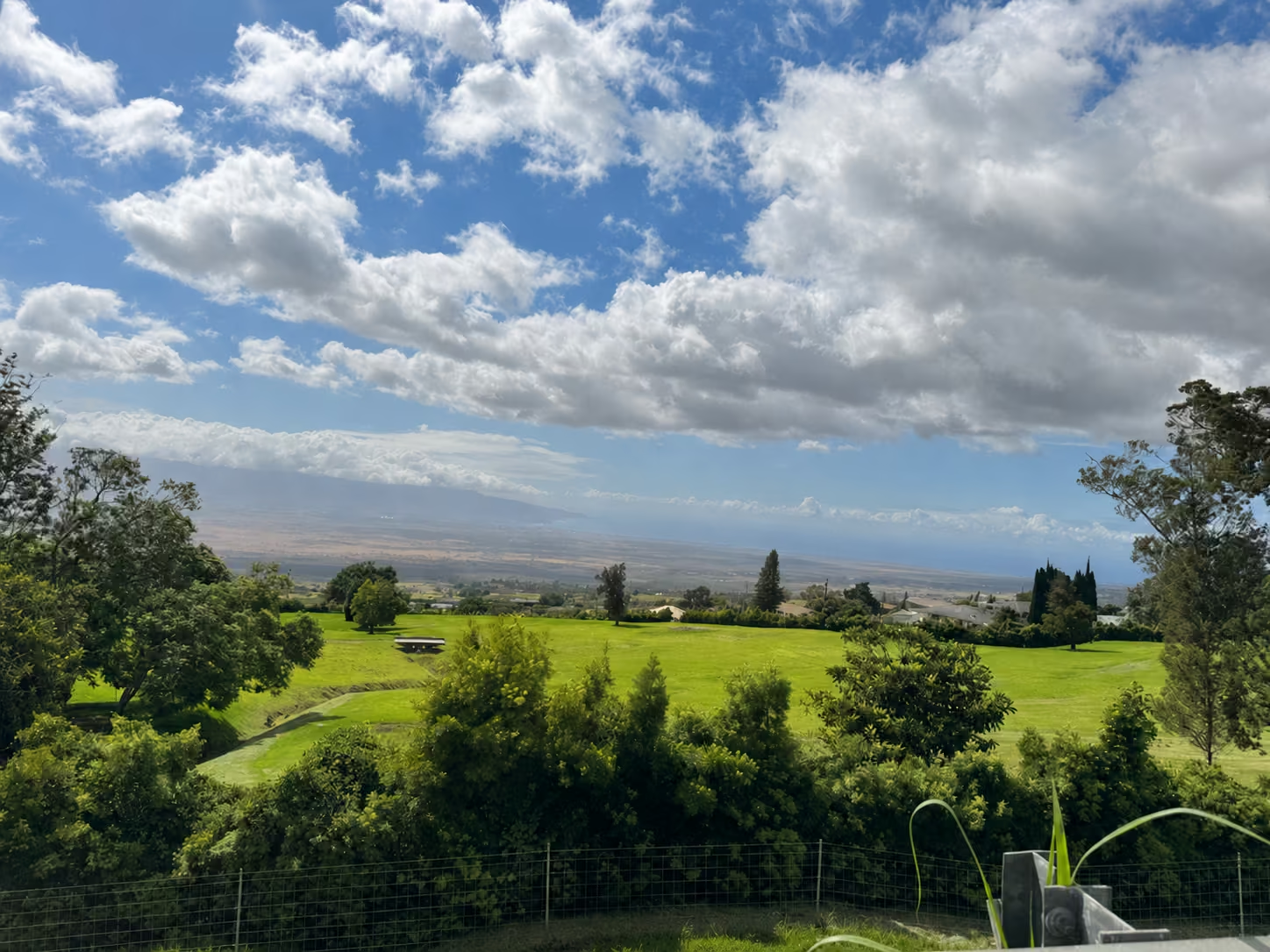
Upcountry includes residential communities, farms, ranchland, and small towns on Haleakalā’s slopes. It can suit travelers focused on Haleakalā, farm visits, scenic drives, and cooler elevations. Visitor lodging is limited, so book only a clearly permitted accommodation and expect to drive for most beaches and many restaurants.
Makawao: Shops, Art, And Paniolo History
Makawao offers galleries, boutiques, food stops, and access to North Shore and Upcountry roads. It isn't a beach base, and permitted visitor accommodations are less concentrated than in resort areas.
Kula: Farms, Views, And A Quieter Setting
Kula places you higher on Haleakalā’s slopes near farms and scenic overlooks. It can reduce the approach to some Upcountry plans, but beach, nightlife, and many dining options require driving.
Pukalani: Residential Upcountry Convenience
Pukalani has groceries, casual food, and road access toward Central Maui and Haleakalā. It's primarily residential, not a resort district. Don't assume a listing is legal because it appears on a booking platform; verify the permit and property address through Maui County’s short-term-rental resources.
East Maui And The North Shore: Hāna, Pāʻia, Haʻikū, And Rainforest Access
East Maui and the North Shore can suit travelers who prioritize the Road to Hāna, rainforest scenery, farms, surf culture, and a less resort-focused stay. The trade-offs are winding roads, variable services, limited permitted lodging in some communities, and long drives to South and West Maui.
Hāna: An Overnight On The East Side
Staying in Hāna can reduce the pressure to drive the full route out and back in one day. Compare full-service lodging, clearly permitted smaller accommodations, legal camping, and one-night or two-night plans. Hāna has fewer restaurants, shops, and services than resort regions, so confirm hours, fuel, food, road conditions, and check-in instructions.
Nonresidents need an advance reservation for Waiʻānapanapa State Park when it's open. A lodging reservation doesn't replace a park reservation. Use the Hāna lodging and destination guide and check current state and county road notices.
Pāʻia And Haʻikū: North Shore Access
Pāʻia offers shops, restaurants, and beach access near the start of the Hāna Highway. Haʻikū is more residential and spread out. Permitted visitor lodging is limited compared with South or West Maui, so verify the property through Maui County’s short-term-rental resources.
North Shore wind, surf, shorebreak, and currents can be strong. Don't choose this region expecting reliable beginner swimming or snorkeling.
Where To Stay For An Early Maʻalaea Harbor Tour
Maʻalaea, Kīhei, Wailea, Wailuku, and Kahului generally provide the most practical access to Maʻalaea Harbor. Kīhei is a flexible option when you also want condos, casual dining, and South Maui beaches. Wailea emphasizes full-service resorts. Wailuku and Kahului emphasize airport and driving convenience.
West Maui, Upcountry, the North Shore, and Hāna can add travel time to an early check-in. Confirm the exact harbor slip, weekday traffic, parking instructions, and your planned departure time.
How To Choose The Best Maui Base For Your Trip
Map your fixed plans: Note the harbor, park, tour, restaurant, or event locations that can't move.
Compare real drive times: Check the hour you expect to travel, not just mileage.
Choose the lodging type: Decide between a full-service resort, hotel, condo, or clearly permitted short-term rental.
Check total price: Include taxes, resort fees, cleaning fees, parking, and cancellation terms for your dates.
Treat beaches as condition-dependent: No region guarantees calm swimming or snorkeling every day.
Verify volatile information: Recheck Lahaina access, road closures, park reservations, water quality, and property permits before the trip.
Morning Travel Planning For Māʻalaea Harbor
Use these estimates to plan for Maui Snorkeling's 6:30 a.m. morning check-in at Māʻalaea Harbor, Slip 64. Each leave-by time aims for a 6:00 a.m. harbor arrival, allowing 30 minutes to park, pay, and walk to the slip.
Lodging Region
Pre-Dawn Drive
Leave By For 6:30 A.M. Check-In
Traffic Sensitivity
Māʻalaea
5 to 10 minutes
5:50 a.m.
Low. The drive is short, but allow time to enter the correct parking area and find Slip 64.
Kīhei
15 to 25 minutes
5:35 a.m.
Low to moderate. Your location within Kīhei matters, and routes converge near North Kīhei Road and the harbor.
Wailea And Mākena
25 to 40 minutes
5:20 a.m.
Moderate. Wailea is usually nearer the lower end; Mākena and properties farther south need more time.
Kahului And Wailuku
15 to 30 minutes
5:30 a.m.
Low to moderate. The exact property location and Central Maui intersections affect the trip.
Kāʻanapali And Lahaina Area
25 to 45 minutes
5:15 a.m.
High. The Honoapiʻilani Highway corridor has limited practical alternatives when a crash, closure, or work zone causes delays.
Nāpili And Kapalua
45 to 60 minutes
5:00 a.m.
High. These areas use the same limited West Maui corridor and add more distance and resort-area roads.
Makawao And Kula
30 to 50 minutes
5:10 a.m.
Moderate. Elevation, darkness, lower-speed roads, and the property's exact location can change the drive.
Pāʻia And Haʻikū
25 to 45 minutes
5:15 a.m.
Moderate. Haʻikū adds distance on two-lane approaches before the route crosses Central Maui.
Hāna
2 hours 30 minutes to 3 hours
Stay closer the night before
Very high. The same-morning trip requires a long drive in darkness on a winding route with narrow sections, one-lane bridges, and limited alternatives.
Note: Maui Snorkeling doesn't provide hotel pickup or transportation. These are conservative planning estimates for ordinary pre-dawn conditions, not guarantees. Weather, construction, collisions, road closures, special events, and parking demand can add time. Check live navigation before leaving. Taxi and rideshare users should schedule pickup before the listed leave-by time because driver wait time isn't included. Follow the check-in time in your reservation if it differs. Planning ranges last checked August 12, 2026.
Ready to snorkel Maui?
Snag your spot on a Maui Snorkeling Tour! Make your ocean day easy with snorkel gear, food, crew support, and simple online booking.
Best visibility: Morning Tour at Molokini Crater & Turtle Town
South Maui is a flexible first-time base because Kīhei and Wailea offer beaches, dining, condos, resorts, and practical access to Maʻalaea. West Maui may fit better for a Kāʻanapali, Nāpili, or Kapalua resort stay. Choose from your fixed activities, budget, permitted lodging, and acceptable drive time rather than treating one region as universally best.
Choose South Maui for a broader mix of Kīhei condos, Wailea resorts, dining, and practical Maʻalaea access. Choose West Maui for established resort areas in Kāʻanapali, Nāpili, and Kapalua. West Maui can add driving to South, Central, Upcountry, and Hāna plans. Neither region guarantees calm beach conditions.
No region guarantees safe or clear snorkeling every day. South and West Maui both place visitors near multiple beaches, while Maʻalaea, Kīhei, Wailea, Wailuku, and Kahului generally provide practical access to Maʻalaea Harbor tours. Choose the exact beach or tour from current surf, wind, water quality, visibility, and lifeguard guidance.
Families often compare Kīhei, Wailea, Kāʻanapali, and Nāpili for permitted accommodations, food, beaches, and activities. Check room layout, kitchen needs, parking, walking distance, pool rules, and total price. Shore time may suit all ages, but swimming depends on daily conditions and continuous adult supervision.
Couples may compare Wailea or Kapalua for full-service resorts, Hāna for an east-side overnight, and permitted Upcountry lodging for cooler elevations and Haleakalā access. The best fit depends on dining, beach access, privacy, driving, and budget rather than a universal romantic-area ranking.
There's no Maui area that's always the least expensive. Start by comparing Kīhei and Central Maui, then calculate the total for your dates, including taxes, resort or cleaning fees, parking, kitchen savings, cancellation terms, and extra driving. Confirm that any short-term rental is legally permitted.
Stay in Hāna when the east side is a trip priority and you want to reduce the pressure of a same-day out-and-back drive. Expect fewer services and long drives to other regions. Book permitted lodging, check current roads, and remember that nonresidents need a separate advance Waiʻānapanapa reservation when the park is open.
Upcountry can work for Haleakalā, farms, scenic drives, and cooler elevations. It isn't a beach base, and restaurants and visitor accommodations are less concentrated than in resort regions. Verify that any rental is legally permitted and expect to drive for most beach and evening plans.
Lahaina’s recovery is ongoing. Front Street from Pāpalaua Street to Shaw Street reopened to vehicle traffic on August 1, 2026, but Market Street, Papelekane Street, and Mokuhinia Place remain closed during ongoing work, and temporary closures may occur. Check Maui Recovers before booking or visiting, stay out of fenced or private areas, and follow posted signs.
Final Thoughts
South Maui is a flexible starting point for many first-time visitors, but it isn't automatically the best choice for every budget or itinerary. West Maui may fit a resort-focused trip; Central Maui may reduce airport and islandwide driving; Upcountry may fit Haleakalā and farm plans; and Hāna may justify an overnight when the east side is a priority.
Choose from the activities you've already committed to, the amount of driving you accept, and the permitted lodging that fits your dates. Then recheck Lahaina access, roads, parks, ocean conditions, water quality, and property-specific terms before you travel.
Sources & Updates: Before you choose where to stay in Maui, check current travel updates, Lahaina access, park alerts, ocean safety, water quality, and marine conditions using the official resources below.