Things To Do In Maui, Hawaii: 60 Best Activities For 2026
June 26th, 2025
| Things To Do In Maui
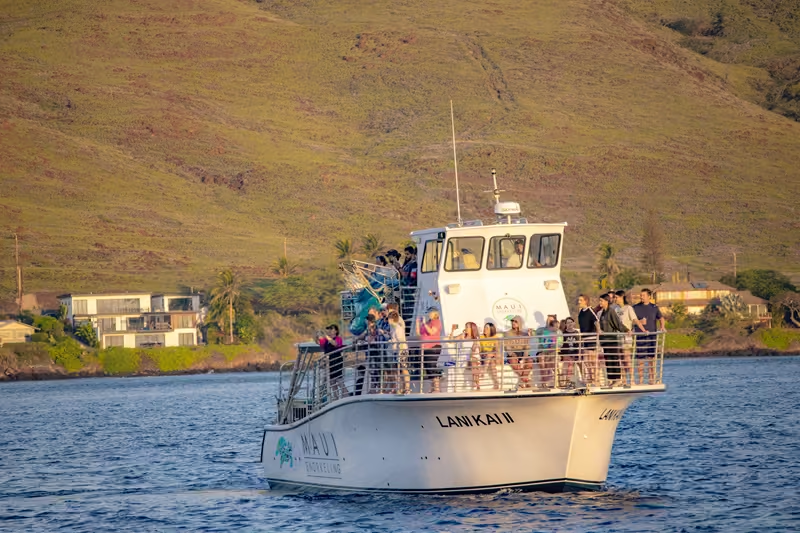
Written by Maui Snorkeling, operating tours to Molokini Crater, Turtle Town, and Coral Gardens from Māʻalaea Harbor since 1985. Tours are led by USCG-licensed captains aboard a USCG-inspected passenger vessel.
Last updated September 30, 2026
Quick Answer
The best things to do in Maui include snorkeling at Molokini Crater and Turtle Town, driving the Road to Hāna, watching sunrise or sunset at Haleakalā, exploring scenic trails, attending a lūʻau, and enjoying local food. For your first visit, 5–7 days gives you room for a few big adventures, an Upcountry outing, and plenty of unhurried beach time.
Main takeaways:
Ocean adventure: Book your Molokini Crater and Turtle Town snorkel tour early in your vacation for more flexibility if weather changes your plans.
Scenic drive: Set aside a full day for the Road to Hāna, with a short list of stops for rainforest scenery, coastal views, and small-town exploring.
Mountain views: Choose sunrise or sunset at Haleakalā, bring warm layers, and allow plenty of time for the drive up and back.
Beach days: Explore Kāʻanapali, Wailea, Mākena, Nāpili, and Kapalua for sandy walks, sunsets, and swimming or snorkeling when conditions are suitable.
Family favorites: Mix Maui Ocean Center, shave ice, farm visits, and shorter scenic stops with snorkel tours suited to your family’s swimming ability.
Book ahead: Reserve Haleakalā sunrise entry. Nonresident visitors also need advance reservations for Waiʻānapanapa State Park and ʻĪao Valley State Monument.
Leave room to relax: Build each day around one main outing, group nearby stops together, and leave time for meals and a little downtime.
Aloha and welcome. Maui’s best experiences are spread across several regions, and travel times can be longer than they look. Build each day around one area, check official access and reservation requirements, and save directions and confirmations before you leave reliable cell service.
The guide below covers 60 ocean, beach, scenic, cultural, food, and family-friendly experiences. Use the Quick Answer, Main Takeaways, and Top 10 table to narrow your choices, then use the full list to plan each day by region.
Access and business conditions in Lāhainā continue to change as recovery progresses. Review our current Lāhainā guide before visiting, respect closures and privacy, and support businesses that are open.
How to use this list: Activities are grouped by category for easier planning. The numbers help you navigate the guide and aren’t a strict ranking. Maui Snorkeling operates the tours listed in activities 1 and 2.
How we selected these activities: We selected these activities based on visitor usefulness, realistic scheduling, current access requirements, and how well each experience fits into a Maui vacation. Our firsthand expertise is strongest for ocean activities; for places we don’t operate, this guide uses information from official agencies and activity providers.
Top 10 Things To Do In Maui At A Glance
Here’s a quick comparison of who each activity is best for, where it’s
located, how much time to allow, typical cost, and whether you’ll need
a reservation.
Maui Activity
Best For
Region
Time Needed
Typical Cost
Reservation Needed
Molokini Crater and Turtle Town Snorkeling
First-time visitors, reef views, tropical fish, and possible turtle sightings
South Maui waters; departure from Maʻalaea Harbor
5-hour morning tour, plus check-in
Our morning tour is advertised at $178 per adult; confirm the final booking total
Yes, reserve your morning snorkel tour
Whale Watching
Seasonal wildlife viewing, boat trips, and winter visitors
South and West Maui waters
2–4 hours, depending on the tour
Moderate to premium; varies by operator and trip length
Book ahead during whale season, especially January through March
Road to Hāna
Waterfalls, rainforest views, coastal scenery, and adventure days
East Maui
Full day
Self-drive: fuel, food, parking, and attraction fees; guided tour prices vary
Not for the drive; some stops, including Waiʻānapanapa, require advance booking
Haleakalā Sunrise or Sunset
High-elevation views, photography, couples, and cooler mountain air
Haleakalā Summit
Most of a day, including round-trip driving
$30 per private vehicle; separate $1 sunrise reservation. Guided tours cost extra
Vehicle reservation for 3–7 AM entry; no separate sunset reservation
Waiʻānapanapa State Park
Black sand beach, lava rock, coastal photos, and Road to Hāna stops
East Maui
1–2 hours in the park, within your reserved time slot
Nonresidents: $5 per person age 4+, plus $10 parking per vehicle
Yes, nonresidents need advance entry and parking reservations
Kāʻanapali Beach and Black Rock
Beach days, sunsets, coastal walks, and swimming when conditions are suitable
West Maui
2–4 hours
Free beach access; parking, rentals, and dining extra
No, but parking can fill quickly
Wailea Beach
Families, couples, beach walks, and a relaxed South Maui day
South Maui
2–3 hours
Free beach access; rentals and dining extra
No, but arrive early for easier parking
Pīpīwai Trail
Hiking, bamboo forest, waterfalls, and a more active Maui adventure
Kīpahulu, East Maui
3–4 hours hiking, plus travel to and from Kīpahulu
$30 per private vehicle, or use a valid Haleakalā National Park entrance pass
No trail reservation; check current park alerts
Hawaiian Lūʻau
Culture, food, music, families, couples, and first-time visitors
West or South Maui
Evening
Prices vary by venue, date, age, and seating package
Yes, book early during busy travel dates
Upcountry Maui Farms and Small Towns
Food, families, slower days, scenic drives, and cooler temperatures
Upcountry Maui
1–3 hours for one stop; longer for several
Town browsing is free; farm admission, tours, tastings, and purchases vary
Sometimes, depending on the farm or tour
Planning tip: Allow extra time for travel, parking, and
check-in unless it’s included above. Ocean conditions can change snorkel
destinations, and wildlife sightings aren’t guaranteed.
Cost guide: Use these costs as a starting point for your
budget. Your final total may vary by date, operator, seating choice, taxes,
and booking fees. In the full guide, low cost generally covers park fees,
parking, food, or a small admission charge; moderate includes many rentals,
lessons, short tours, and ticketed attractions; and premium includes most
boat tours, lūʻau, helicopter flights, and private or fully guided experiences.
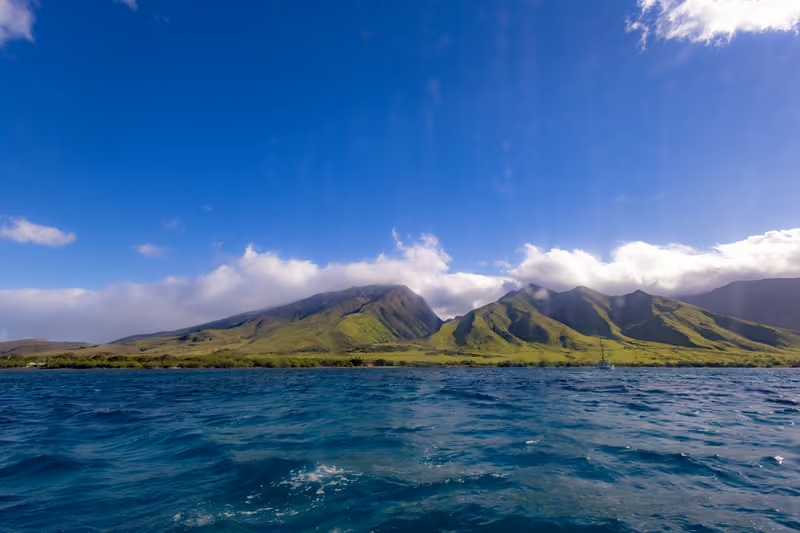
View of West Maui Mountains from a Maui Snorkeling Tour
Best Maui Ocean Activities and Snorkeling
1. Snorkel at Molokini Crater and Turtle Town
Best for: Snorkeling, clear water, coral, tropical fish, and sea turtles
Area: Departs Māʻalaea Harbor, Slip 64; snorkel sites off South Maui
Time to allow: 5 hours
Cost: About $178 per adult; child and youth rates available
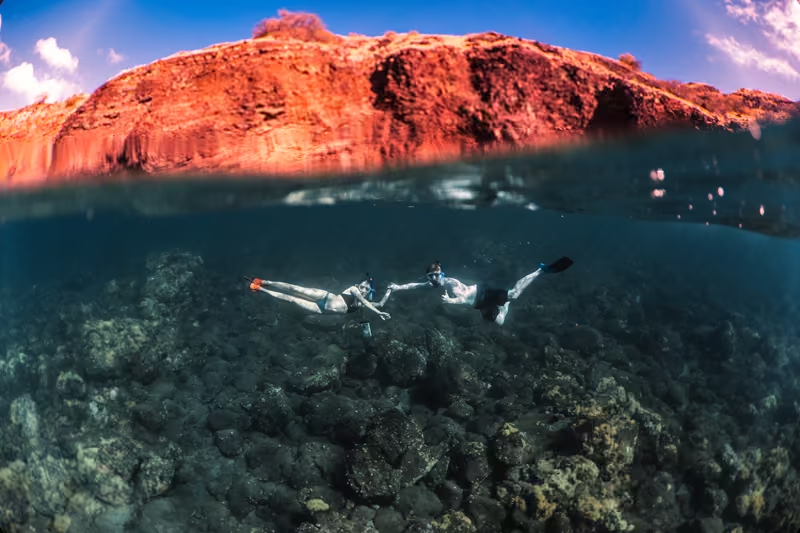
Why it’s worth doing: Molokini Crater is known for clear water, colorful coral, and tropical fish, while Turtle Town offers a chance to observe Hawaiian green sea turtles in their natural habitat. Many morning tours visit both locations when ocean conditions allow.
Know before you go: Both stops are reached by boat, and wind, swell, current, visibility, and wildlife activity can change the itinerary. Transportation to and from Māʻalaea Harbor isn’t included, so arrange your own ride and allow time for parking before the 6:30 AM check-in. Follow the crew’s safety guidance, keep at least 10 feet from sea turtles, and never chase or touch marine life.
Pair it with: Keep the rest of the day flexible for lunch and a relaxed South Maui beach stop after the tour.
Crew Planning Tip: Book this tour early in your vacation so you have another day available if wind or ocean conditions change the itinerary.
Not sure which snorkeling location fits your trip? Compare the Best Places to Snorkel in Maui, including guided boat destinations and calm-morning shore options. The guide breaks down access, ocean conditions, swimming experience, family logistics, and what you may see at each location.
2. Afternoon Snorkeling at Coral Gardens
Best for: Families, afternoon snorkeling, reefs, and tropical fish
Area: Departs Māʻalaea Harbor, Slip 64; typically Coral Gardens along the Pali coast
Why it’s worth doing: Coral Gardens sits along the Pali coastline and is home to colorful reef habitat and tropical fish. An afternoon snorkeling tour works well after a relaxed morning on the beach.
Know before you go: Afternoon ocean conditions can still change, so follow the crew’s safety guidance throughout the trip. Transportation to and from Māʻalaea Harbor isn’t included, so arrange your own ride and allow time for parking before the 12:30 PM check-in.
Pair it with: Spend the morning at a South Maui beach before boarding the afternoon snorkeling tour.
Crew Planning Tip: Coral Gardens can offer smoother water than more exposed snorkeling locations later in the day, but the captain will choose the route based on current conditions.
3. Go Whale Watching
Best for: Seasonal wildlife viewing, boat trips, and winter visitors
Area: Māʻalaea and waters off South and West Maui
Time to allow: 3–4 hours
Cost: Moderate
Book ahead: Yes during the November–May season; peak demand is January–March
Why it’s worth doing: Thousands of humpback whales migrate to Maui’s warm waters each winter, creating opportunities to see blows, tail flukes, and other surface activity from the water.
Know before you go: We do not run dedicated whale-watching trips, and wildlife sightings are never guaranteed. Whales can often be seen during our snorkeling trips in season.
Pair it with: Combine seasonal whale viewing with a morning or afternoon snorkeling trip.
Seasonal Wildlife Tip: Whale season generally runs from November through May, with peak abundance from January through March. Reserve early during those months and bring a windbreaker for the boat ride.
Why it’s worth doing: Warm water and beginner-friendly waves make Maui a welcoming place to learn the basics and ride a first wave.
Know before you go: A beginner lesson covers safe technique, right of way, and local surf etiquette.
Pair it with: Follow the lesson with an easy South Maui beach stop.
Lesson Planning Tip: Choose a morning lesson, when winds are often lighter, and follow your instructor’s direction on where to paddle, stand, and wait for waves.
5. Stand-Up Paddleboarding
Best for: Calm-water paddling, balance, and a quiet ocean morning
Why it’s worth doing: Stand-up paddleboarding offers a peaceful way to move across the water and look for tropical fish below the surface.
Know before you go: Calm morning conditions are easiest for paddling. Wind can make the return more difficult.
Pair it with: Add a relaxed South Maui beach morning after your paddle.
Wind Safety Tip: Start early and turn back before the wind makes the return difficult. If the wind picks up, kneel on the board to reduce your profile.
6. Sail on a Catamaran Cruise
Best for: Couples, coastline views, sailing, and sunsets
Area: South and West Maui
Time to allow: 2–4 hours
Cost: Moderate to premium
Book ahead: Yes; choose a daytime or sunset cruise
Why it’s worth doing: A catamaran cruise provides wide coastal views from the water. Daytime trips may include snorkeling, while sunset sails focus on the evening scenery.
Know before you go: Channel breezes can catch loose items, so secure hats and sunglasses before departure.
Pair it with: Enjoy beach time before boarding a sunset sail.
Cruise Planning Tip: Compare what’s included before booking. Some catamaran cruises focus on snorkeling, while others are designed for sunset views, food, or drinks.
7. Kayaking Along the Coast
Best for: Coastal paddling, reef views, and wildlife lovers
Why it’s worth doing: Napili Bay combines a relaxing beach day with swimming, sunset views, and casual shore snorkeling along the rocky sides when the water is calm and clear.
Know before you go: Seasonal swell and shorebreak can quickly change conditions. Make it a beach day instead if waves are breaking or the water looks windy or murky.
Pair it with: Walk part of the nearby Kapalua Coastal Trail before or after your beach time.
Parking and Snorkeling Tip: Arrive early because nearby parking is limited. Enter from the sand, stay inside the bay, and snorkel with a buddy only when the water is calm and clear.
9. Scuba Diving Tour
Best for: Certified divers, reef walls, wrecks, and lava formations
Why it’s worth doing: Maui’s reefs and volcanic formations offer plenty to explore below the surface. Choose a guided dive that matches your certification and experience.
Know before you go: If you’re also planning a flight or a Haleakalā visit, ask your dive operator how much time you’ll need between diving and traveling to altitude before you arrange your itinerary.
Pair it with: Plan a relaxed beach afternoon after the half-day dive.
Dive Comfort Tip: Morning charters may offer calmer conditions. Pack a warm layer for the ride back, even if the day feels warm on shore.
Molokini Crater Snorkeling Tour
Best Maui Beaches and Coastal Stops
10. Kāʻanapali Beach and Black Rock at Sunset
Best for: Beach time, snorkeling, sunset views, and couples
Why it’s worth doing: Kāʻanapali Beach offers a long stretch of golden sand, snorkeling near Black Rock, oceanfront resorts, and sunset views. Stay for the evening cliff-diving ceremony when it is scheduled.
Know before you go: Black Rock can create strong currents. Snorkel only when conditions are calm and stay within your ability.
Pair it with: Take an evening beach walk and have dinner nearby after sunset.
Ceremony Safety Tip: Watch the evening ceremony from a safe distance and keep clear of the cliff-diving and water-entry area.
11. Wailea Beach
Best for: Families, couples, swimming, and beach walks
Area: South Maui
Time to allow: 2–3 hours
Cost: Free; rentals and dining extra
Book ahead: No for beach access; reserve activities and popular restaurants
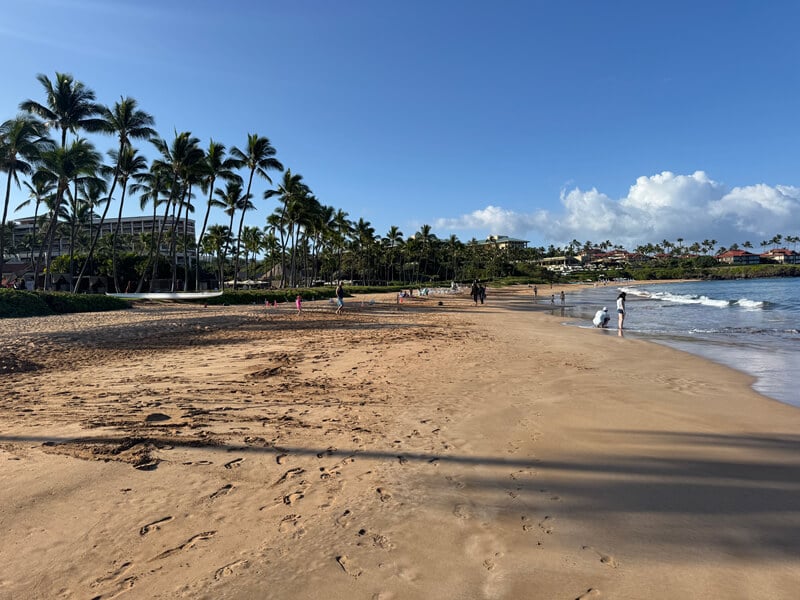
Why it’s worth doing: Wailea Beach combines a broad sandy shoreline, restrooms, equipment rentals, and direct access to the paved Wailea Beach Path. It’s an easy choice for families and couples who want a relaxed South Maui beach day.
Know before you go: Wailea Beach does not have a lifeguard, and ocean conditions can change quickly. Swim with a buddy, read posted warnings, and enter only when the water is calm and within your ability.
Pair it with: Walk the paved Wailea Beach Path past neighboring beaches, resorts, restaurants, and shops.
Parking Tip: Use the signed public beach parking and arrive early for the easiest access.
12. Makena State Park (Big Beach)
Best for: A wide sandy beach, sunbathing, picnics, and sunsets
Area: South Maui
Time to allow: 1–3 hours
Cost: Hawaiʻi residents free with valid ID; nonresidents pay entrance and parking fees
Book ahead: No; parking is first come, first served
Why it’s worth doing: Big Beach is one of Maui’s largest beaches, with plenty of sand for sunbathing, picnics, and sunset views.
Know before you go: The shorebreak can be very dangerous. Check the water before entering, follow posted warnings, and stay out when conditions exceed your ability.
Pair it with: Visit neighboring Little Beach only if the access path, park hours, and conditions are appropriate.
Shorebreak Safety Tip: Stand back and watch the water before deciding whether to enter. If waves are breaking hard at the shore, keep this a beach and picnic stop.
13. Little Beach
Best for: A smaller cove, coastal scenery, and experienced beachgoers
Area: South Maui
Time to allow: 2–3 hours
Cost: Hawaiʻi residents free with valid ID; nonresidents pay Mākena State Park entrance and parking fees
Book ahead: No; check current park hours before going
Why it’s worth doing: D.T. Fleming Beach is a scenic beach near Kapalua, backed by ironwood trees and rolling waves. Lifeguards, picnic space, swimming, and bodyboarding make it a popular family stop.
Know before you go: Check with the lifeguard about current conditions and follow posted hazard ratings and warnings. When shorebreak or surf makes swimming unsuitable, enjoy the beach and picnic areas instead.
Pair it with: Walk the Kapalua Coastal Trail, which connects with D.T. Fleming Beach Park.
15. Baldwin Beach Park
Best for: Families, beach walks, picnics, and swimming when calm
Why it’s worth doing: Baldwin Beach Park is a long sandy stretch near Pāʻia with room for walking, swimming when conditions allow, and picnics with local families.
Know before you go: North Shore conditions can change, and trade winds often strengthen after lunch.
Pair it with: Add a casual stop in nearby Pāʻia before or after the beach.
Family Beach Tip: Mornings are often mellower. Families with small children can check the west-end cove known as Baby Beach, but should still evaluate conditions before entering.
16. Hamoa Beach
Best for: Road to Hāna travelers, scenery, and swimming when calm
Why it’s worth doing: Hamoa Beach near Hāna is surrounded by lush greenery and offers a scenic place for beach time and swimming when the water is calm.
Know before you go: Services are limited, and surf conditions can change. Check the water before swimming.
Pair it with: Include Hamoa Beach as a stop on your Road to Hāna day.
East Maui Timing Tip: Bring water and leave enough daylight for the rest of your East Maui drive.
17. Walk the Kapalua Coastal Trail
Best for: Scenic walking, coastal views, and beach hopping
Area: West Maui
Time to allow: 1–2 hours
Cost: No trail fee; parking costs vary by access point
Why it’s worth doing: The Kapalua Coastal Trail connects Kapalua Bay, Oneloa Bay, resort grounds, and D.T. Fleming Beach Park along coastal paths, boardwalk, and natural surfaces.
Know before you go: Surfaces vary along the route. Stay on marked paths and keep back from wet rocks, dunes, and exposed ocean edges.
Pair it with: Walk the section that fits your schedule, then stop at Kapalua Bay or D.T. Fleming Beach.
Trail and Parking Tip: Start early for cooler walking temperatures and easier parking, and check the posted terms at your chosen access point.
18. Lava Fields at La Perouse Bay
Best for: Geology, rugged coastal scenery, and walking on lava terrain
Why it’s worth doing: The end of the road in Mākena offers views of rugged lava formations and Maui’s dry southern coastline.
Know before you go: The ʻā‘ā lava is rough, and parts of the nearby ʻĀhihi-Kīnaʻu Natural Area Reserve have sensitive closures. Follow all signs and posted hours.
Pair it with: Visit Big Beach earlier in your South Maui day.
Terrain and Closure Tip: Wear secure shoes, remain on open routes, and don’t enter protected or closed areas.
Wailea Beach
Road to Hāna and East Maui Activities
19. Drive the Road to Hāna
Best for: Scenic drives, waterfalls, rainforest views, and full-day adventures
Area: East Maui
Time to allow: Full day, including the round-trip drive and a few planned stops.
Cost: Fuel and food for a self-drive trip; guided tours cost extra
Book ahead: No for self-driving; reserve guided tours and Waiʻānapanapa entry
Why it’s worth doing: The winding Road to Hāna passes rainforest, waterfalls, coastal overlooks, and small East Maui communities. The journey is the experience, so a thoughtful stop list makes the day more rewarding.
Know before you go: Expect narrow roads, one-lane bridges, limited cell service, and changing weather. Check current road conditions, park only in legal areas, and never enter private property for a photo or waterfall.
Pair it with: Build your driving schedule around a reserved visit to Waiʻānapanapa State Park.
Road Planning Tip: Leave early, fuel up in Pāʻia, download offline maps, and choose a few priority stops instead of trying to see everything.
20. Explore Pāʻia Town
Best for: Food, shopping, local art, North Shore scenery, and Road to Hāna planning
Area: North Shore Maui
Time to allow: 1–3 hours
Cost: Free to explore; food and shopping cost extra
Book ahead: No for the town; reserve popular restaurants when needed
Why it’s worth doing: Pāʻia is a colorful North Shore town with restaurants, cafés, boutiques, local art, and easy access to the start of the Road to Hāna. It works as a quick food stop or a relaxed town visit before exploring nearby beaches.
Know before you go: Parking and traffic can be challenging during busy periods. Arrive early, use legal public parking, and check current business hours before building your day around a specific stop.
Pair it with: Continue to Hoʻokipa Beach Park for surf watching, or use Pāʻia as your first stop before driving the Road to Hāna.
Road Trip Prep Tip: If you’re continuing east on Hāna Highway, pick up water and snacks and use a restroom before the longer drive.
21. Stop at Twin Falls
Best for: Short nature walks, waterfalls, families, and a first Road to Hāna stop
Area: North Shore
Time to allow: 1–2 hours
Cost: Paid parking
Book ahead: No; parking is first come, and access rules can change
Why it’s worth doing: Twin Falls offers marked walks through a private farm setting with streams and waterfalls, making it an approachable early stop on the Road to Hāna.
Know before you go: The current visitor policy does not allow street parking, rideshare arrivals, or drop-offs, and reserves the first Saturday of each month for Hawaiʻi residents. Confirm the official Twin Falls visitor information before leaving because access rules can change.
Pair it with: Stop in Pāʻia for breakfast or supplies before continuing toward Hāna.
Water Safety Tip: Stay on marked paths and skip streams or waterfall pools when rain has made the water fast, muddy, or difficult to judge.
22. Reserve Waiʻānapanapa State Park and Visit the Black Sand Beach
Best for: Black sand, lava coastlines, coastal walks, and Road to Hāna itineraries
Why it’s worth doing: Waiʻānapanapa State Park combines its famous black sand beach with sea stacks, lava formations, blowholes, and rugged coastal scenery in one memorable stop.
Know before you go: Non-Hawaiʻi residents need advance entry and parking reservations, and same-day reservations are not available. The beach is small and ocean conditions can be rough, so follow all posted warnings.
Pair it with: Continue into Hāna for a meal and a slower look around town.
Reservation Tip: Reserve your Waiʻānapanapa time slot first, then plan the rest of your Road to Hāna stops around that fixed arrival window.
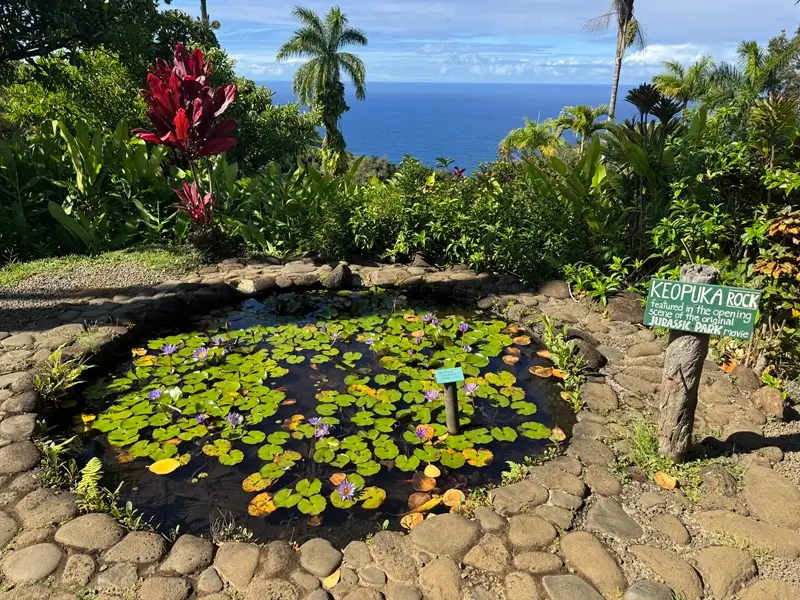
23. Garden of Eden Arboretum
Best for: Tropical plants, easy walks, photography, and ocean viewpoints
Area: East Maui
Time to allow: 1–2 hours
Cost: Paid admission
Book ahead: Usually no; confirm current hours and admission details
Why it’s worth doing: This privately operated arboretum offers landscaped tropical gardens, short walking routes, and elevated lookouts that add an easy nature break to the Road to Hāna.
Know before you go: Admission and operating hours can change, and paths may be wet after rain. Check current visitor information before relying on it as a scheduled stop.
Pair it with: Visit Twin Falls earlier in the drive, then continue toward the Keʻanae Peninsula and Hāna.
Timing Tip: Arriving near opening can mean a quieter walk and more room at the popular lookout points.
24. Visit Kahanu Garden and Piʻilanihale Heiau
Best for: Hawaiian cultural history, tropical plants, guided learning, and a quieter East Maui stop
Area: Hāna, East Maui
Time to allow: 1.5–2.5 hours
Cost: Paid admission; tour prices vary
Book ahead: Recommended; guided tours may sell out
Why it’s worth doing: Kahanu Garden is a managed visitor site where tropical plants and Hawaiian cultural history are interpreted together. It’s home to Piʻilanihale Heiau, a National Historic Landmark and a place of deep cultural importance.
Know before you go: Online reservations are encouraged, and guided tours may sell out. This is a cared-for cultural place, so stay on visitor paths and follow staff instructions and posted rules.
Pair it with: Hāna town and Hāna Bay on an overnight or deliberately paced East Maui day.
Kahanu Planning Tip: Check the official tour calendar before fixing the rest of your Hāna schedule. Choose self-guided admission when flexibility matters more than a set tour time.
25. Pipiwai Trail
Best for: Hikers, bamboo forest scenery, waterfalls, and longer East Maui days
Area: Kīpahulu District, East Maui
Time to allow: 3–4 hours for the hike, plus travel to and from Kīpahulu.
Cost: Haleakalā National Park entrance fee or valid park pass
Book ahead: No for a day hike; check current park alerts before driving
Why it’s worth doing: The Pipiwai Trail passes giant banyan trees and a dense bamboo forest before reaching a designated view of 400-foot Waimoku Falls.
Know before you go: Rain can make the trail muddy and slick, and weather can change quickly in Kīpahulu. Stay on the trail, obey closure signs, and never cross swollen streams.
Pair it with: Walk the nearby Kūloa Point Trail for coastal views before leaving the Kīpahulu District.
Trail Safety Tip: Start early, bring water, bug protection, and a rain layer, and wear shoes with dependable traction.
Garden of Eden Arboretum
Haleakalā and Upcountry Maui Activities
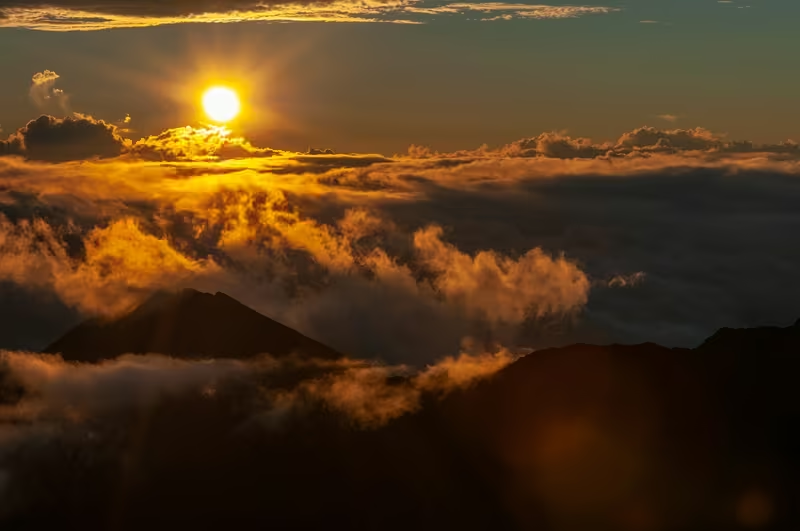
26. Sunrise at Haleakalā National Park
Best for: High-elevation views, photography, couples, and first-time visitors
Area: Haleakalā Summit
Time to allow: Most of a day, including the round-trip mountain drive
Cost: Park entrance fee plus a $1 vehicle reservation
Why it’s worth doing: Watching daybreak above the clouds near Haleakalā’s 10,023-foot summit is one of Maui’s most memorable high-elevation experiences.
Know before you go: You need a vehicle reservation to enter the Summit District from 3 AM to 7 AM. The summit can be wet, windy, and below freezing, and the dark road has no streetlights.
Pair it with: Stop for breakfast in Kula or Makawao after descending from the summit.
Sunrise Reservation Tip: Reservations are released up to 60 days ahead, with another portion released two days ahead at 7 AM HST. Bring the reservation holder’s photo ID, your confirmation, and warm layers.
27. Sunset at Haleakalā
Best for: Couples, photographers, mountain views, and visitors who prefer a later start
Area: Haleakalā Summit
Time to allow: Most of a day, including the round-trip mountain drive
Cost: Haleakalā National Park entrance fee or valid park pass
Book ahead: No separate reservation currently required for sunset; reserve guided tours in advance
Why it’s worth doing: When skies cooperate, sunset brings changing color across the crater and clouds without the predawn wake-up required for sunrise.
Know before you go: Parking is limited and not guaranteed at any particular overlook. Temperatures fall quickly after sunset, and you’ll descend on a dark, winding road.
Pair it with: Stay after sunset for a short stargazing session when skies are clear.
Sunset Timing Tip: Arrive well before sunset, bring a beanie, gloves, and a warm layer, and allow time afterward because color can linger when skies are clear.
28. Sliding Sands Trail
Best for: Experienced hikers, volcanic landscapes, photography, and challenging trails
Area: Haleakalā Crater
Time to allow: 4–6 hours for a partial out-and-back hike
Cost: Haleakalā National Park entrance fee or valid park pass
Book ahead: No for a day hike; check current park alerts and weather
Why it’s worth doing: Sliding Sands Trail descends into Haleakalā’s stark volcanic landscape, with cinder cones, broad crater views, and colors that feel far removed from Maui’s coast.
Know before you go: High elevation, strong sun, cold wind, and a demanding uphill return make this harder than the downhill start suggests. Turn around before you’ve used half your time and energy.
Pair it with: Add one or two summit overlooks before leaving the park.
Hiking Safety Tip: Carry more water than you expect to need, protect yourself from sun and wind, and wear sturdy shoes that can handle loose volcanic cinders.
29. Stargazing on Haleakalā
Best for: Night-sky viewing, couples, photographers, and quiet evenings
Area: Haleakalā Summit
Time to allow: 2–3 hours
Cost: Park entry for self-guided visits; guided tours cost extra
Book ahead: Yes for guided tours; no additional reservation after sunset
Why it’s worth doing: Haleakalā’s high elevation and distance from major city lights can provide striking views of stars and planets when clouds and moonlight cooperate.
Know before you go: Summit weather can turn cold, windy, wet, or cloudy without much warning. The road is dark and winding, so drive slowly and remain alert for cyclists and wildlife.
Pair it with: Watch sunset first, then allow your eyes time to adjust before stargazing.
Stargazing Tip: Check the moon phase, dress for winter conditions, and use a dim red light instead of a bright phone or flashlight.
30. Makawao Forest Reserve
Best for: Hiking, mountain biking, shaded trails, and cooler Upcountry weather
Area: Upcountry Maui
Time to allow: 2–3 hours
Cost: Free
Book ahead: No; check current trail and weather conditions
Why it’s worth doing: Forested trails and cooler temperatures make this a refreshing change from Maui’s exposed coastal hikes, with routes used by both hikers and mountain bikers.
Know before you go: Expect roots, mud, and slick sections after rain. Stay aware of other trail users and follow posted access or closure notices.
Pair it with: Spend time in nearby Makawao for shops, galleries, and a meal.
Trail Conditions Tip: Wear shoes with good traction and keep a light rain layer in the car, even if the coast is sunny.
31. Horseback Riding in Upcountry
Best for: Couples, families with older children, ranch scenery, and paniolo culture
Area: Upcountry Maui
Time to allow: 2–3 hours
Cost: Guided ride prices vary by operator
Book ahead: Yes; reserve your preferred operator and time in advance
Why it’s worth doing: A guided ride through rolling pasture offers a different view of Maui and an introduction to the island’s paniolo, or Hawaiian cowboy, heritage.
Know before you go: Age, height, weight, mobility, and footwear requirements vary by operator. Review the rules before booking and disclose any relevant limitations.
Pair it with: Explore Makawao’s shops and galleries before or after your ride.
What to Wear Tip: Wear closed-toe shoes and bring a light jacket. Morning rides can be cooler, while mountain visibility depends on the weather.
32. Upcountry Farms
Best for: Local food, agriculture, families, couples, and slower scenic days
Area: Upcountry Maui
Time to allow: 1–3 hours
Cost: Free for some farm stands; tours and tastings cost extra
Book ahead: Yes for organized farm tours and tastings
Why it’s worth doing: Upcountry farms showcase another side of Maui through lavender, goats, tropical fruit, local produce, distilling, and pineapple-growing experiences. Compare 12 current Maui farm tours by location, duration, age requirements, activity level, and traveler type before choosing the best farm experience for your trip.
Know before you go: These are separate private businesses with different schedules, reservation policies, and age restrictions. Confirm each stop directly before building your route.
Pair it with: Add lunch and a walk through Kula or Makawao.
Route Planning Tip: Group two nearby stops instead of crisscrossing Upcountry, and leave room in the car for produce or locally made gifts.
Haleakalā National Park Sunrise
Central and West Maui Attractions
33. Drive the Northwest Maui Coast to Nākālele and Return
Best for: Coastal scenery, photography, West Maui road trips, and visitors who want an out-and-back drive
Area: West Maui
Time to allow: Half day
Cost: Free; fuel and food cost extra
Book ahead: No for self-driving; reserve a guided tour in advance
Why it’s worth doing: An out-and-back drive from Kāʻanapali, Nāpili, or Kapalua to Nākālele gives you rugged coastline, ocean views, and worthwhile stops without committing to the full loop around the West Maui Mountains.
Know before you go: Plan to turn around at Nākālele and return to West Maui the same way. The road narrows north of Kapalua, so drive in daylight, watch for blind curves, park only where it’s legal, and skip the trip in heavy rain.
Pair it with: Stop at Honolua Bay Lookout before visiting Nākālele Blowhole.
Driving Safety Tip: Leave after breakfast and allow extra time for slow traffic and limited parking at roadside viewpoints. Download directions before you leave reliable cell service.
34. ʻĪao Valley State Monument
Best for: Families, Hawaiian history, short walks, and lush mountain scenery
Why it’s worth doing: ʻĪao Valley combines a short, accessible visit with views of the ʻĪao Needle and meaningful Hawaiian history in one of Central Maui’s most dramatic green valleys.
Know before you go: Check current park notices for temporary closures before reserving. When the monument is open, non-Hawaiʻi residents need advance entry and parking reservations; rain can make paths and steps slippery.
Pair it with: Visit Hale Hō‘ike‘ike at the Bailey House in nearby Wailuku.
Timing and Weather Tip: An early time slot can offer cooler walking weather, but valley clouds and rain are possible at any hour.
35. Helicopter Tour
Best for: Aerial photography, remote waterfalls, first-time visitors, and special occasions
Area: Island-wide
Time to allow: About 1 hour plus check-in time
Cost: Premium
Book ahead: Yes; popular routes and morning departures can sell out
Why it’s worth doing: A helicopter flight reveals valleys, waterfalls, sea cliffs, and volcanic terrain that are difficult or impossible to see from Maui’s roads.
Know before you go: Flights can be delayed, rerouted, or canceled for weather. Operators also have check-in, identification, and passenger weight requirements, so review the policy before booking.
Pair it with: Visit one of the landscapes you saw from the air, such as Haleakalā or the Road to Hāna, on another day.
Photo and Weather Tip: Morning flights may offer lighter winds, and dark, nonreflective clothing helps reduce window glare in photos.
36. Waihe'e Ridge Trail
Best for: Active hikers, ridge views, waterfalls, and West Maui Mountain scenery
Area: West Maui Mountains
Time to allow: 3–4 hours
Cost: Free
Book ahead: No; check current trail and weather conditions
Why it’s worth doing: This challenging ridge hike climbs through pasture and forest to broad views over Waiheʻe Gorge, Makamakaʻole Gulch, Central Maui, and the coast when the clouds cooperate.
Know before you go: The trail is steep, exposed in places, and frequently muddy, and there is no drinking water along the route. Stay on the marked trail and turn back if rain or visibility worsens.
Pair it with: Stop in Wailuku for a meal after the hike.
Trail Timing Tip: Start in the morning because the trailhead parking area can fill and clouds often build later in the day.
37. Zipline Tour
Best for: Adventure travelers, families with older children, groups, and forest views
Area: Multiple regions across Maui
Time to allow: 2–3 hours
Cost: Moderate to premium
Book ahead: Yes; reserve your preferred operator and time in advance
Why it’s worth doing: Maui zipline courses combine speed, elevated forest or valley views, and guided outdoor adventure in an activity that works well for groups.
Know before you go: Age, weight, mobility, and footwear requirements vary by operator. Read the participation rules before paying and secure phones, hats, and other loose items.
Pair it with: Choose lunch, shopping, or another nearby stop in the same area as your zipline course.
Tour Planning Tip: Choose an earlier departure if you prefer cooler conditions, then check the operator’s weather and rescheduling policy before booking.
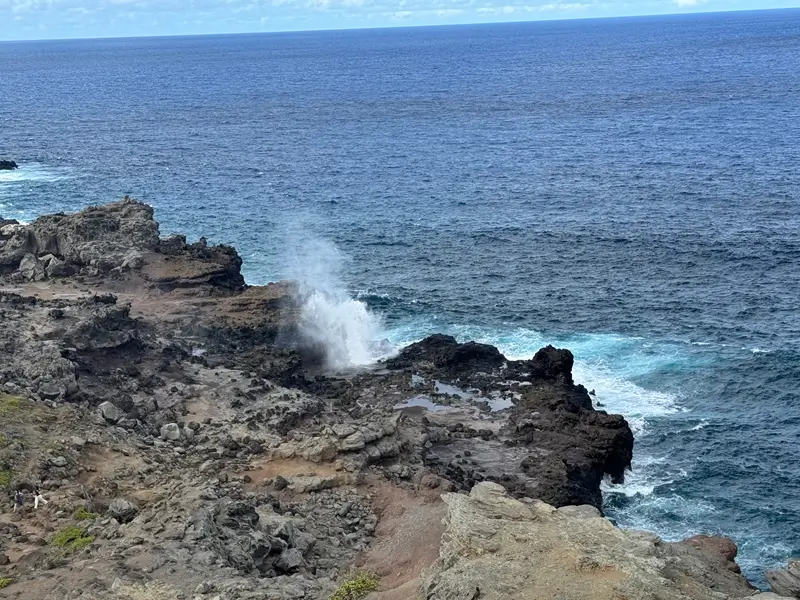
38. Nakalele Blowhole
Best for: Coastal scenery, photography, geology, and West Maui road trips
Why it’s worth doing: When waves and tides align, water surges through a natural opening in the lava shelf and sprays high above Maui’s rugged northwest coast.
Know before you go: Stay well back from the blowhole opening, cliff edges, wet rocks, and breaking waves. Sudden surges can reach farther inland than expected, and there is no safe reason to approach the opening.
Pair it with: Include it on an out-and-back drive from Kāʻanapali, Nāpili, or Kapalua, then return to West Maui the same way.
Blowhole Safety Tip: Watch from a dry, stable viewpoint and keep both hands free because trade winds and uneven ground can affect your balance.
39. Maui Ocean Center
Best for: Families, marine life, rainy days, and educational indoor activities
Area: Māʻalaea, Central Maui
Time to allow: 2–3 hours
Cost: Paid admission; nonresident parking costs extra
Why it’s worth doing: Maui Ocean Center introduces Hawaiʻi’s marine ecosystems through coral reef exhibits, sharks, sea turtles, cultural interpretation, and immersive presentations.
Know before you go: Some exhibits are outdoors, and special tours or presentations may have separate capacity limits. Review current ticket, parking, and experience details before arrival.
Pair it with: Walk around Māʻalaea Harbor and choose a nearby meal before or after your visit.
Weather Backup Tip: Maui Ocean Center is a practical backup when wind or rain changes an outdoor plan. Buying tickets before arrival can simplify check-in, and a light layer helps in air-conditioned exhibits.
40. Visit Maui Nui Botanical Gardens
Best for: Native Hawaiian plants, cultural learning, families, and a low-key Central Maui stop
Area: Kahului, Central Maui
Time to allow: 1–1.5 hours
Cost: Low cost; check current admission
Book ahead: No for general admission; reserve tours and workshops
Why it’s worth doing: Maui Nui Botanical Gardens focuses on conserving the native plants and cultural heritage of Maui Nui. Its interpreted collection gives visitors a managed place to learn how local plants connect with Hawaiian cultural practices.
Know before you go: Check the garden’s current hours and closure notices before driving over. Most of the visit is outdoors, so bring sun and rain protection.
Pair it with: ʻĪao Valley State Monument and lunch in Wailuku.
Garden Planning Tip: If an ethnobotany tour is offered on your date, reserve it for more context about the traditional uses of plants in the collection.
41. Visit Currently Open Lāhainā Heritage Sites Respectfully
Best for: Hawaiian history, respectful local support, and visitors checking current conditions
Area: Lāhainā, West Maui
Time to allow: 1–3 hours
Cost: Free to moderate, depending on open sites, parking, food, and shopping
Book ahead: Check current access first; reserve any timed or guided visit
Why it’s worth doing: Lāhainā remains one of Maui’s most historically significant communities, but recovery continues and access can change. A respectful visit should focus on places and businesses confirmed open, not fire-affected or restricted areas.
Know before you go: Check current County of Maui access updates and our Lāhainā guide on the day of your visit. Respect barriers, memorials, private property, and closed areas.
Pair it with: An open Lāhainā restaurant or shop, followed by a beach stop elsewhere in West Maui.
Access Planning Tip: Build this stop from a current list of open locations instead of trying to follow a fixed historic trail. If a site is closed, keep moving and don’t stop along the roadway.
42. Honolua Bay Lookout
Best for: Scenic views, photography, surfers, and short West Maui stops
Why it’s worth doing: The lookout provides a quick elevated view over Honolua Bay’s blue water, forested shoreline, and surfers when a swell is running.
Pair it with: Continue to Kapalua Bay or use the West Maui Mountains Guide to add the lookout to a broader West Maui drive.
Parking and Conservation Tip: Park only where it’s permitted and don’t leave valuables visible in your car. If you continue to the shoreline, don’t take or disturb coral, sand, or marine life, and use reef-safe sunscreen.
43. Sugar Museum
Best for: Maui history, families, indoor exhibits, and Central Maui itineraries
Area: Central Maui
Time to allow: 1–2 hours
Cost: Paid admission
Book ahead: Usually no; confirm the museum’s limited weekly hours
Why it’s worth doing: The Sugar Museum explains how sugar plantations, labor, technology, immigration, and community life shaped modern Maui.
Know before you go: The museum operates on a limited weekly schedule and has an earlier last-admission time than many attractions. Check the official website before driving to Puʻunēnē.
Pair it with: Continue to Maui Tropical Plantation or another Central Maui stop.
44. Hale Hō‘ike‘ike at the Bailey House (Wailuku)
Best for: Hawaiian culture, local history, artifacts, and historic architecture
Area: Wailuku, Central Maui
Time to allow: 1–1.5 hours
Cost: Admission fee; confirm current pricing
Book ahead: Usually no; confirm current hours before visiting
Why it’s worth doing: Hale Hō‘ike‘ike presents Hawaiian artifacts and exhibits about Maui’s cultural and community history inside a historic Wailuku property.
Know before you go: Museum hours, admission, and exhibit access can change. Confirm current visitor information directly before building your day around the stop.
Pair it with: Visit ʻĪao Valley State Monument on the same Central Maui outing.
Accessibility Planning Tip: If anyone in your group uses mobility support, ask the museum which galleries and outdoor areas are currently accessible before you arrive.
Nakalele Blowhole
Maui Culture, Food, Farms, and Evening Activities
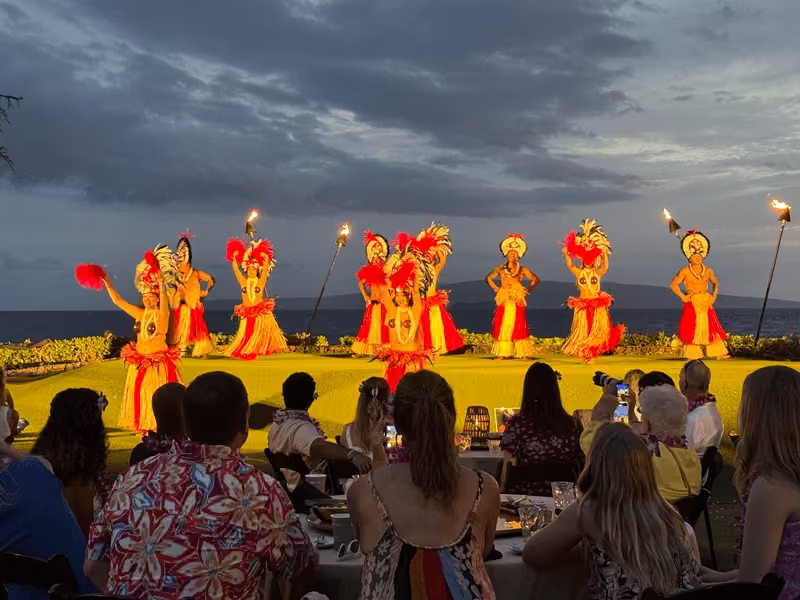
45. Attend a Hawaiian Luau
Best for: First-time visitors, couples, families, Hawaiian culture, and an evening dinner show
Area: West and South Maui
Time to allow: 2–3 hours
Cost: Moderate to premium
Book ahead: Yes; popular luaus can sell out weeks in advance
Why it’s worth doing: A well-chosen luau brings hula, live music, storytelling, and a shared meal together in one easy evening. Programs vary, but the experience can offer an accessible introduction to Hawaiian and broader Polynesian performance traditions.
Know before you go: Menus, seating, show content, and accessibility vary by venue. Review dietary options, transportation, cancellation terms, and check-in instructions before booking.
Pair it with: Keep the morning relaxed with a nearby beach visit so you have time to change and arrive without rushing.
Booking and Comfort Tip: Reserve early during busy travel periods, confirm the check-in time and seating details, and bring a light layer for the evening breeze.
46. Attend a Performance at the Maui Arts & Cultural Center
Best for: Live music, dance, theater, cultural programs, and an easy evening activity
Area: Kahului, Central Maui
Time to allow: 1.5–3 hours
Cost: Free to premium, depending on the event
Book ahead: Yes for ticketed performances; check the current calendar
Why it’s worth doing: The Maui Arts & Cultural Center hosts local and touring music, dance, theater, film, and cultural programs in one managed venue with a current event calendar.
Know before you go: The schedule changes, and not every program focuses on Hawaiian music or dance. Confirm the event description, ticket terms, venue, and start time before planning your evening.
Pair it with: Plan dinner in Kahului or Wailuku before the performance.
Performance Planning Tip: Review the venue’s current entry and bag policies, then arrive early enough to park and find your seat without rushing.
47. Take a Ukulele Lesson (Wailuku/Pā‘ia)
Best for: Beginners, families, music lovers, and a hands-on cultural activity
Area: Wailuku and Pāʻia
Time to allow: About 1 hour
Cost: Low to moderate
Book ahead: Yes; lesson times and loaner instruments may be limited
Why it’s worth doing: A beginner lesson gives you a practical introduction to basic chords and strumming while connecting the music you hear around Maui with an instrument you can keep learning.
Know before you go: Ask whether the lesson includes a loaner ukulele, printed practice material, and an age-appropriate format for everyone in your group.
Pair it with: Explore Pāʻia’s shops and restaurants or spend time in Wailuku before or after the lesson.
48. Visit Halekiʻi-Pihana Heiau State Monument Respectfully
Best for: Hawaiian history, archaeology, and respectful cultural learning
Why it’s worth doing: This state monument preserves the remains of two important heiau associated with Kahekili, Maui’s last ruling chief, and provides historical context for Central Maui.
Know before you go: Visit during daylight hours, remain in public areas, and follow all posted notices. Don’t climb, walk on, touch, or rearrange stones at the heiau.
Pair it with: Hale Hō‘ike‘ike at the Bailey House or lunch in Wailuku.
Cultural Context Tip: Read the State Parks information before arriving so the structures and their importance have context. Treat this as a quiet cultural visit, not a photo prop.
49. Maui Art Galleries
Best for: Local art, rainy afternoons, shopping, and meeting Maui artists
Area: Lāhainā, Pāʻia, and Makawao
Time to allow: 1–2 hours
Cost: Free to browse; purchases cost extra
Book ahead: No; check current gallery hours and Lāhainā access before visiting
Why it’s worth doing: Maui’s galleries feature work by local and visiting artists, giving you a weather-flexible way to see how the island’s landscapes and culture inspire different media.
Know before you go: Gallery hours can be limited, and Lāhainā’s recovery continues to affect access and business openings. Check the Lahaina Today Guide before making a special trip.
Pair it with: Combine galleries in Pāʻia or Makawao with nearby shops, coffee, or lunch.
Gallery Planning Tip: Verify same-day hours before making a special trip, ask whether a piece was created by a Maui-based artist, and request insured shipping details for larger purchases.
50. Surfing Goat Dairy
Best for: Families, animal lovers, local food, and an Upcountry farm stop
Area: Upcountry Maui
Time to allow: 1–2 hours
Cost: Low to moderate
Book ahead: Yes for guided tours and hands-on experiences
Why it’s worth doing: Surfing Goat Dairy combines a working Upcountry farm, friendly goats, and locally made cheese in a stop that is especially approachable for families.
Know before you go: Tour schedules, age guidelines, footwear rules, and hands-on activities can vary. Confirm the experience you want before driving Upcountry.
Pair it with: Add a coffee farm tour or time in nearby Makawao to create an easy Upcountry day.
Tour Selection Tip: Don’t assume every tour includes feeding, milking, or other hands-on activities. Confirm the specific experience, age guidelines, and footwear rules before booking.
51. Maui Food Truck Parks
Best for: Casual meals, families, groups with different tastes, and trying local favorites
Area: Kahului, Kīhei, and West Maui
Time to allow: 1–2 hours
Cost: Low to moderate
Book ahead: No; check each truck’s current location and hours
Why it’s worth doing: A food truck park lets everyone choose a different meal, from poke and seafood to tacos and desserts, without committing to a formal restaurant.
Know before you go: Trucks can move, close early, sell out, or keep different schedules, and seating or shade may be limited. Verify the location on the day you plan to go.
Pair it with: Use a food truck stop as an easy meal between the airport, a beach, and another nearby activity.
Food Truck Tasting Tip: When several trucks are open, order one shared item at a time so your group can sample more than one kitchen and adjust if a popular item sells out.
52. Coffee Farm Tours
Best for: Coffee lovers, local agriculture, tastings, and an Upcountry morning
Area: Upcountry Maui
Time to allow: 1–2 hours
Cost: Low to moderate
Book ahead: Yes; reserve a morning tour when possible
Why it’s worth doing: A farm tour connects the coffee in your cup with Maui’s elevation, climate, growing methods, harvesting, and roasting, often followed by a tasting.
Know before you go: Tour content and terrain vary by farm. Ask whether your visit includes the fields, roasting process, or a tasting, which coffees are grown on Maui, and what footwear you’ll need.
Pair it with: Continue to Makawao or Surfing Goat Dairy for another Upcountry stop.
53. Breweries & Distilleries
Best for: Local beer, spirits, food, and guided tastings
Area: Kīhei, Kāʻanapali, and Upcountry Maui, depending on the venue
Time to allow: 1–2 hours
Cost: Low to moderate
Book ahead: Usually no for taprooms; reserve formal tours and tastings
Why it’s worth doing: Maui’s breweries and distilleries turn local ingredients and island-inspired flavors into tasting flights, cocktails, and a relaxed break from sightseeing.
Know before you go: Bring valid identification, review age and tour policies, and never combine tastings with driving. Rideshare availability may be limited in some Upcountry areas.
Pair it with: Add lunch or an alcohol-free farm stop before your tasting.
Transportation Tip: Choose a designated driver or confirm your return transportation before tasting.
54. Maui Swap Meet & Farmers Markets
Best for: Local produce, crafts, souvenirs, casual food, and budget-friendly shopping
Area: Central Maui
Time to allow: 1–2 hours
Cost: Free or low-cost admission; purchases cost extra
Book ahead: No; confirm the current day, hours, and location
Why it’s worth doing: Maui’s swap meet and farmers markets make it easy to browse local produce, prepared food, clothing, crafts, and practical souvenirs in one stop.
Know before you go: Market schedules, vendors, parking, and payment methods can change. Check the current listing before you drive, and do not assume every vendor accepts cards.
Pair it with: Visit the Maui Arts & Cultural Center or stop in Wailuku while you are in Central Maui.
Market Planning Tip: Confirm the market’s date, location, and parking before leaving. Bring small bills and a reusable tote because not every vendor accepts cards.
55. Visit Hui Noʻeau Visual Arts Center
Best for: Local art, Upcountry history, families, and a flexible indoor-outdoor stop
Area: Makawao, Upcountry Maui
Time to allow: 1–2 hours
Cost: Free general visit; classes, tours, and workshops cost extra
Book ahead: No for the gallery and grounds; yes for scheduled programs
Why it’s worth doing: Hui Noʻeau is a nonprofit arts center at the historic Kaluanui Estate, with rotating exhibitions, working studios, estate grounds, and Maui-made art in one managed location.
Know before you go: Exhibitions, demonstrations, and opening days change. Check the current visitor information and exhibition calendar before driving Upcountry.
Pair it with: Makawao town, an Upcountry farm stop, or lunch nearby.
Group Planning Tip: This works well for groups with different interests because some visitors can explore the gallery while others walk the open estate grounds.
56. Maui Tropical Plantation
Best for: Families, tropical plants, an easy Central Maui stop, and a relaxed meal or stroll
Area: Central Maui
Time to allow: About 2 hours
Cost: Low to moderate; tour, dining, and shopping costs vary
Book ahead: Recommended for the Tropical Express tour; check current hours for other attractions
Why it’s worth doing: Maui Tropical Plantation offers an easy look at tropical fruits, flowers, and agricultural history, with a narrated tram-style tour through parts of the property.
Know before you go: Tour schedules and available attractions can change. Check current hours, ticket policies, and dining reservations before building your day around the stop.
Pair it with: Visit ʻĪao Valley or stop for a meal in Wailuku on the same Central Maui outing.
Visit Planning Tip: If the tram tour is the main reason for your visit, secure your ticket before driving over. Check current dining availability and leave time to walk the public grounds.
Te Au Moana Luau
Easy, Flexible, and Low-Cost Maui Activities
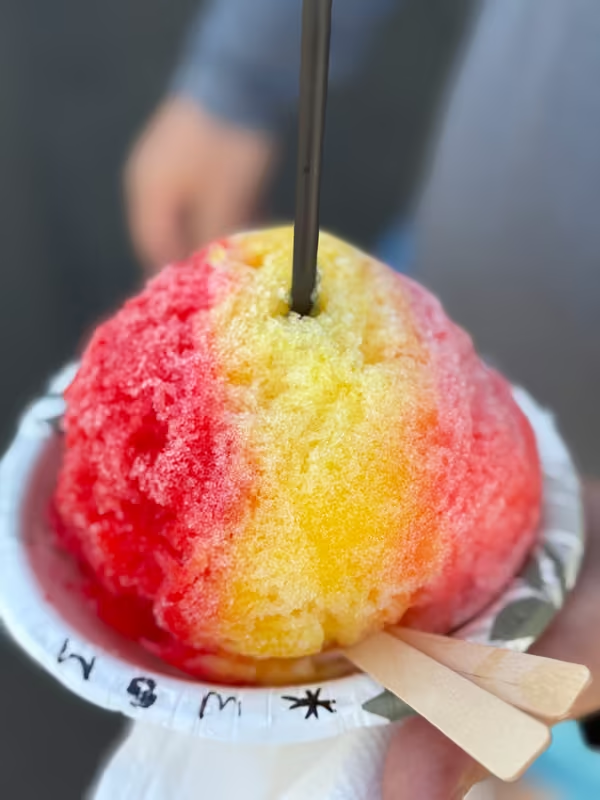
57. Try Shave Ice
Best for: Families, couples, a quick treat, and cooling off between activities
Why it’s worth doing: Fine, fluffy shave ice topped with tropical flavors is a refreshing Hawaiʻi treat and an easy stop that fits almost any itinerary.
Know before you go: Syrups, toppings, portion sizes, and allergen practices vary. Ask what is used before ordering if you have food allergies or prefer to avoid artificial dyes.
Pair it with: Stop after a beach visit, food truck meal, or afternoon of shopping.
Portion Planning Tip: If you’re adding ice cream or sweetened condensed milk, start with a smaller size than you would order for plain shave ice.
58. Bike the North Shore Greenway Near Kanahā
Best for: Recreational cyclists, walkers, and an active Central Maui morning
Why it’s worth doing: The North Shore Greenway offers a designated route for cycling and walking near Kanahā and Kahului Airport. It’s a pleasant way to add some movement to a Central Maui morning before lunch or a beach stop.
Know before you go: Check current access notices and posted gate hours before starting. Don’t assume every continuation toward Pāʻia is separated from traffic.
Pair it with: Kanahā Beach Park or a meal in Pāʻia after returning the bike.
Route Planning Tip: Plan an out-and-back ride and turn around while everyone still has comfortable energy. Use designated sections instead of extending the ride onto a busy highway shoulder.
59. Watch Sunset at Kamaʻole Beach Park III
Best for: Families, picnics, couples, and an easy final evening
Why it’s worth doing: This county-managed park combines sunset views with a large lawn, picnic areas, restrooms, showers, a playground, parking, and lifeguard services.
Know before you go: Follow current posted park hours, and don’t begin an ocean activity as lifeguard coverage is ending. Sunset time and ocean conditions change through the year.
Pair it with: Dinner or shave ice in Kīhei.
Sunset Setup Tip: Use the lawn or picnic area if you want an easy sunset stop without carrying a complete beach setup onto the sand.
60. Watch Surfers and Look for Sea Turtles at Hoʻokipa Beach Park
Best for: Surf watching, coastal photography, sea turtle viewing, and a quick North Shore stop
Area: North Shore
Time to allow: 30 minutes–1.5 hours
Cost: Free
Book ahead: No; check current ocean and weather conditions
Why it’s worth doing: Hoʻokipa Beach Park is one of Maui’s best North Shore stops for watching experienced surfers and windsurfers, photographing the coastline, and looking for honu resting on the sand. Wildlife sightings are never guaranteed, but the upper lookout makes this an easy sightseeing stop near Pāʻia and the beginning of the Road to Hāna.
Know before you go: Treat Hoʻokipa primarily as a sightseeing stop, not a casual swimming or snorkeling beach. Waves, currents, and wind can be powerful, so follow posted warnings and lifeguard guidance.
Pair it with: Stop in Pāʻia for food or shopping, or add Hoʻokipa to the beginning of a Road to Hāna day.
Wildlife Viewing Tip: Use the upper lookout for the broadest view, stay at least 10 feet from sea turtles, and never block an animal’s route to the ocean.
Shave Ice
Tips for Planning Your Maui Activities
Schedule important ocean activities early: Book your highest-priority snorkel trip during the first half of your vacation. If wind, swell, or visibility changes the route, you’ll have more flexibility later in the trip.
Plan for changing ocean conditions: A destination is never guaranteed. The captain may select a different snorkel site when another location offers safer or more comfortable conditions.
Allow time for parking and check-in: Our morning check-in is at 6:30 AM, and afternoon check-in is at 12:30 PM. Give yourself an extra 20–30 minutes before check-in to park, pay, and walk to Slip 64.
Consider the physical details: Difficulty depends on balance, stamina, motion sensitivity, walking distance, heat, boarding steps, and boat ladders, not age alone. Ask the operator about accessibility before booking if you have children, seniors, or anyone with mobility concerns.
Choose a realistic weather backup: If the ocean is rough, don’t assume shore snorkeling will be safer. Maui Ocean Center, Pāʻia Town, museums, galleries, shopping, and farm visits can be better alternatives. For a complete backup plan, use our Maui Rainy Day Activities guide to compare indoor attractions, food stops, family options, and safety checks.
Pair activities that fit naturally: A five-hour morning snorkel tour pairs well with lunch and a flexible South Maui beach afternoon. It doesn’t pair well with the Road to Hāna or another long, reservation-based excursion.
Find The Best Maui Activities For Your Trip
Use this table after you’ve reviewed the 60 activities. It matches home base, trip length, group needs, and interests with practical planning guides.
Your Trip Style
Suggested Activities
Best Planning Guides
Staying in South MauiKīhei, Wailea, and Mākena
Molokini and Turtle Town, Wailea Beach and Beach Path, Mākena beaches, and a Haleakalā day trip
Visitors Without a Rental CarWalkable bases and confirmed transportation
Stay near beaches, restaurants, and paths in Kīhei, Wailea, or Kāʻanapali. For Maui Snorkeling tours, arrange transportation to Māʻalaea Harbor, Slip 64 before booking because hotel pickup isn’t included.
Some of the best things to do in Maui Hawaii need advance planning. Use this quick table to see which popular Maui activities need reservations, where to check current rules, and why it matters before you go.
Maui Activity
Reservation Needed
Where To Check
Why It Matters
Haleakalā Sunrise
Yes, each vehicle needs a sunrise reservation for entry from 3:00 AM to 7:00 AM
Roadwork, closures, weather, and reservation-only stops can change your timing for the day
Hawaiian Luaus
Yes, especially during holidays, school breaks, and busy travel dates
Check your chosen luau directly
Popular luaus can sell out, and earlier booking gives you better date and seating options
Whale Watching
Yes, during winter whale season
Check your chosen boat tour directly
January through March is usually the busiest whale watching window, so the best tour times can fill up
Note: Reservation rules, closures, fees, and ocean conditions can change. Check official park, road, and tour resources before you go. For snorkel tours, book early in your Maui trip so you’ll have more flexibility if wind or ocean conditions change.
FAQs About Things To Do In Maui
The best things to do on Maui for first time visitors include snorkeling at Molokini Crater and Turtle Town, driving the Road to Hana, watching sunrise or sunset at Haleakalā, relaxing at Kāʻanapali or Wailea, visiting a luau, exploring Upcountry Maui, and trying local food spots. You’ll get the best trip when you mix ocean time, scenic drives, culture, beach days, and rest.
Most visitors should plan 5 to 7 days in Maui. That gives you time for a snorkel tour, the Road to Hana, Haleakalā, beach days, a luau, local food, and a slower day if the weather changes. If you only have 3 or 4 days, choose one big adventure and leave room for beach time.
Haleakalā sunrise requires a vehicle reservation for entry from 3:00 AM to 7:00 AM. Nonresident visitors also need advance reservations for Waiʻānapanapa State Park and ʻĪao Valley State Monument. Book popular snorkel tours, luaus, whale-watching trips, guided excursions, and private charters ahead of time, especially when your dates are fixed.
Yes, Molokini Crater is worth it if you want a classic Maui snorkeling experience with clear water, reef views, and a boat trip across the channel. Conditions matter, so it’s smart to book a reputable snorkel tour early in your trip. That gives you more flexibility if wind or ocean conditions change.
Some of the best places to snorkel in Maui include Molokini Crater, Turtle Town, Coral Gardens, Honolua Bay, Kapalua Bay, Napili Bay, and calm South Maui reefs. Go in the morning when conditions are usually calmer, don’t snorkel alone, and skip snorkeling if the water is rough, murky, or uncomfortable.
The best things to do in Maui with kids include calm beach days, family friendly snorkel tours, Maui Ocean Center, shave ice stops, Maui Tropical Plantation, easy scenic lookouts, luaus, and short nature walks. Don’t overpack the day. Kids usually enjoy Maui more when there’s time to swim, snack, and slow down.
Yes, the Road to Hana is worth it if you enjoy waterfalls, coastal views, rainforest scenery, black sand, and small town stops. Plan a full day, start early, choose a few priority stops, and don’t try to see everything. Waiʻānapanapa State Park is one of the most popular stops, but non-resident visitors need advance reservations.
The best time to visit Maui depends on what you want to do. Spring and fall are great for lighter crowds, winter is best for whale watching, and summer often brings warm beach days. Maui is a year round destination, but ocean conditions, prices, and crowds can change by season.
You can enjoy Maui without booking an activity every day. Free options include sunset watching, public beach walks, browsing local towns, and visiting some scenic lookouts. Check parking and admission before you go, since a free activity can still involve a parking fee. If you spot sea turtles, NOAA recommends staying at least 10 feet away and giving them an unobstructed path to the ocean.
Snorkel with a buddy, choose suitable conditions, and enter only if you can swim independently and feel comfortable in deep ocean water. Flotation can help you conserve energy, but it doesn’t replace swimming ability. Check current ocean and water-quality advisories, follow lifeguard or crew guidance, and keep your distance from coral and wildlife. If conditions aren’t right, enjoy a different Maui adventure that day.
Plan Your Maui Activities
Choose one major excursion per day, reserve required parks and tours early, and leave room for weather or ocean changes. Confirm current access, parking, hours, and safety notices with official sources before you go.
Use the activity finder and reservation table above to build a realistic itinerary, then support open local businesses and respect closures, private property, wildlife, and cultural sites.
Sources & Updates
Use these official resources to plan park visits, check roadwork and ocean conditions, and enjoy Maui’s wildlife respectfully. For attraction hours, tour prices, and availability, check directly with the provider before you book.