Written by
Maui Snorkeling, operating tours to Molokini Crater, Turtle Town, and Coral Gardens from Māʻalaea Harbor since 1985. Tours are led by USCG-licensed captains aboard a
USCG-inspected passenger vessel.
Quick Answer
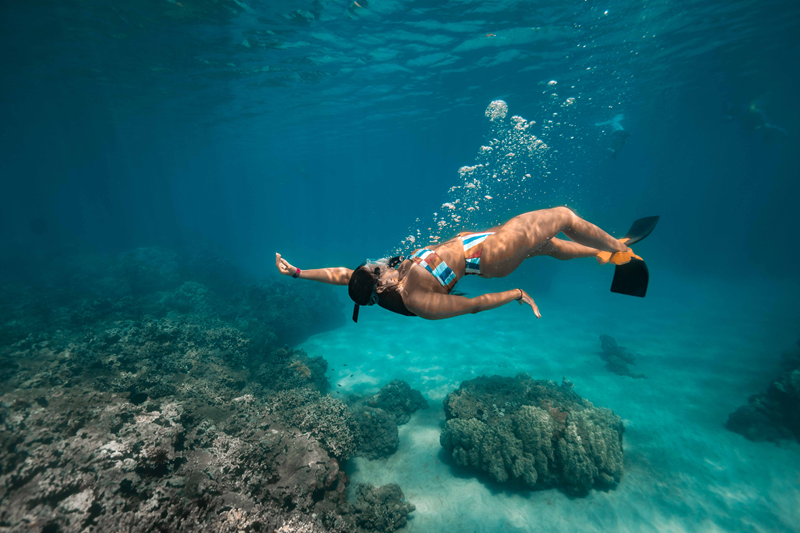
Molokini and Turtle Town offer two different Maui snorkeling settings: an offshore volcanic crater and South Maui’s coastal lava reefs. Molokini is known for its crater scenery, tropical reef fish, and clear-water views when conditions cooperate. Turtle Town offers lava formations, coral habitat, reef fish, and possible Hawaiian green sea turtle sightings. Neither location is always calmer or easier, and our captain chooses the stops according to the day’s conditions.
Main takeaways:
-
Setting: Molokini offers an offshore crater backdrop, while Turtle Town features coastal lava reefs near Mākena.
-
Marine Life: Both locations support tropical reef fish. Turtle Town is especially associated with honu, but wildlife sightings aren’t guaranteed.
-
Conditions: Wind, swell, currents, and visibility matter at both stops. A nearshore location doesn’t automatically mean calmer water.
-
Boat Access: Molokini is boat-access only, and landing is prohibited. On our morning tour, both planned snorkeling stops involve entering the ocean from the boat.
-
Morning Tour: Our planned itinerary visits Molokini first, followed by Turtle Town or another reef. The captain may change either destination according to conditions.
-
Turtle Etiquette: NOAA recommends staying at least 10 feet, or 3 meters, from sea turtles. Never touch, chase, feed, crowd, or block their path.
Molokini and Turtle Town offer two different views of Maui’s underwater world: an offshore crater reef and a lava-lined coastline where you may spot honu. If you’re planning a snorkeling trip, understanding those differences helps you know what to look for at each stop and why they can complement each other on a morning tour.
Molokini vs. Turtle Town: Quick Look
Compare Molokini and Turtle Town by setting, marine life, ocean conditions,
and what to expect on our morning tour. Their different reef landscapes
are part of what makes the combination appealing.
| Topic |
Molokini Crater |
Turtle Town |
| Setting |
Offshore crescent-shaped volcanic crater
|
Coastal lava reefs along South Maui near Mākena
|
| Marine Life |
Tropical reef fish, including butterflyfish and parrotfish,
with occasional rays or reef sharks
|
Tropical reef fish and possible Hawaiian green sea turtle,
or honu, sightings
|
| Ocean Conditions |
Conditions inside the crater can differ from the offshore
crossing. Wind, swell, currents, and visibility still matter.
|
Conditions vary by reef, wind, swell, and water clarity.
Being nearshore doesn’t automatically mean calmer water.
|
| Access And Depth |
Boat-access only, with deep-water entry from the vessel.
Landing on the islet is prohibited.
|
Our tour visits by boat, with deep-water entry from the vessel.
Reef depth varies by stop.
|
| What To Notice |
The crater backdrop, coral formations, sandy patches,
and fish moving through the offshore reef
|
Lava formations, coral habitat, reef fish,
and the possibility of observing honu
|
| Planned Tour Order |
Planned first stop on our morning tour, conditions permitting
|
Planned second destination, or another reef selected
by the captain according to conditions
|
Note: The captain selects snorkel locations according
to weather, ocean conditions, visibility, and safety. Destinations
and wildlife sightings aren’t guaranteed.
Setting and Access
Molokini
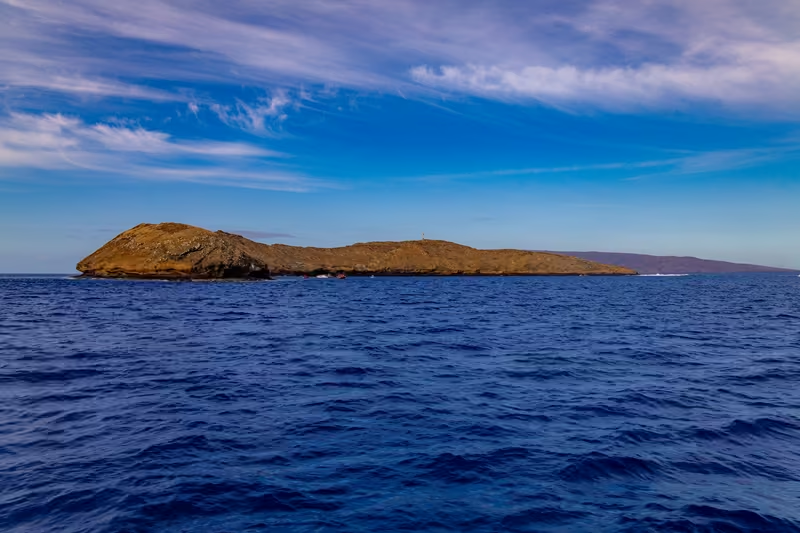
Rising out of the Pacific just off Maui’s south coast, Molokini Crater is a crescent-shaped Marine Life Conservation District protected by Hawaiʻi DLNR. The islet is a state seabird sanctuary, so landing is not allowed. Snorkeling is boat-access only, with deep-water entry from vessels using fixed day-use moorings.
Its offshore position creates open-water conditions. Visibility can be excellent when winds and swell are calm.
Turtle Town
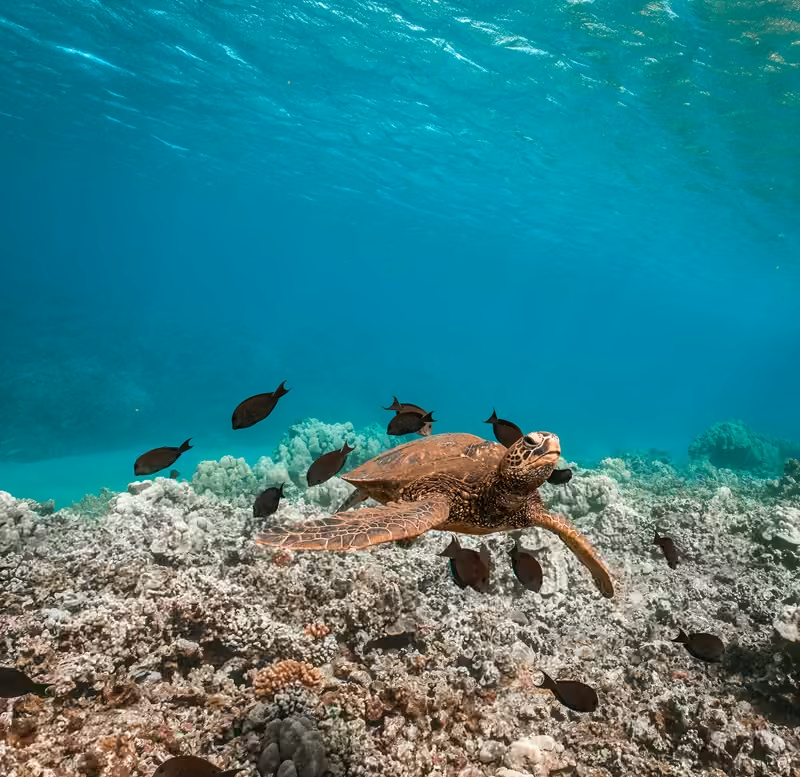
Turtle Town is associated with South Maui’s coastal lava reefs near Mākena. Underwater rock formations and coral create a different backdrop from Molokini’s offshore crater, with tropical fish and the possibility of Hawaiian green sea turtles.
On our tour, you’ll visit by boat rather than walk into the water from a beach. The exact reef and its conditions can vary, so a nearshore location doesn’t automatically mean shallow water or an easier snorkeling stop.
- 🐢 Turtle Etiquette: NOAA Fisheries recommends staying at least 10 feet, or 3 meters, from sea turtles. Never touch, chase, feed, crowd, or block a turtle’s path.
What You’ll See While Snorkeling
At Molokini: Look beyond individual fish and notice the reef itself: coral formations, sandy patches, and schools moving through the water. You may recognize butterflyfish and parrotfish, while the crater backdrop gives this stop its distinctive setting.
At Turtle Town: Watch how fish move around the lava formations and coral. Honu may also appear, but there’s more to enjoy here than a turtle sighting. Hawaiian green sea turtles feed mainly on algae and other marine vegetation, and they must surface to breathe. If you spot one, keep its path clear and observe from a distance.
Bigeye emperor, known in Hawaiian as mū, have also been photographed at Molokini, although sightings aren't guaranteed. Our Bigeye Emperor in Maui guide explains how to identify them and what snorkelers should look for.
For more help recognizing the animals you might encounter, explore our Molokini fish and marine life.
How Molokini And Turtle Town Fit Into Our Morning Tour
Our five-hour Molokini Crater Snorkeling Tour departs from Maʻalaea Harbor at 7 a.m. and returns around noon. The planned route visits Molokini first, followed by Turtle Town or another reef, depending on the captain’s assessment of conditions.
That five-hour outing includes boat travel, meals, equipment preparation, and snorkeling. It isn’t five continuous hours in the water. The price includes breakfast, lunch, snorkel gear, flotation, and crew guidance.
Looking for a shorter outing? Our three-hour afternoon tour typically visits Coral Gardens or another nearby reef. It isn’t the standard two-stop Molokini and Turtle Town itinerary.
Two Different Perspectives On Maui’s Reefs
You don’t have to choose between Molokini Crater and Turtle Town. Their appeal is in the contrast: crater scenery at one, coastal lava formations at the other, and reef life worth slowing down to notice. When conditions allow both stops, they offer a varied morning on the water.
Sources & Updates
Use these official resources to check Molokini’s protected-area rules, sea turtle facts, wildlife viewing guidance, snorkeling safety, water quality, and marine forecasts before your trip.