Written by
Maui Snorkeling, operating tours to Molokini Crater, Turtle Town, and Coral Gardens from Māʻalaea Harbor since 1985. Tours are led by USCG-licensed captains aboard a
USCG-inspected passenger vessel.
Quick Answer: Lahaina today remains in active recovery. Front Street from Pāpalaua Street to Shaw Street, along with Dickenson and Prison streets, reopened to vehicle traffic on August 1, 2026, with no regularly restricted hours. Market Street, Papelekane Street, and Mokuhinia Place will remain closed. Limited commercial boat tours are operating from Lahaina Small Boat Harbor, and the County hasn't announced a public reopening date for Banyan Tree Park. Follow posted signs, stay out of fenced and private areas, and check official updates before you go.
Main Takeaways:
- Front Street Access: Front Street from Pāpalaua to Shaw, plus Dickenson and Prison streets, reopened to vehicle traffic on August 1, 2026
- What Remains Closed: Market Street, Papelekane Street, Mokuhinia Place, private property, and fenced construction areas remain closed. The County hasn’t announced a reopening date for Banyan Tree Park.
- Harbor Operations: Limited commercial boat tours are operating, and permitted commercial operations are continuing during the harbor dredging project
- Recovery Snapshot: The September 15 dashboard shows 415 homes under construction across wildfire recovery areas, 530 with permits being processed, 679 with issued permits, and 604 completed.
- Expect Changes: Temporary road, parking, and access changes may still happen as rebuilding continues, so check Maui Recovers before visiting
Aloha. Since the August 2023 Lahaina fires, recovery has moved from debris cleanup into rebuilding, housing, and long-term planning. The memories are still sharp for the people who love Lahaina, and so is the determination to restore it in a way that honors the community, its history, and its culture.
This guide looks at Lahaina today: the progress that’s visible, the challenges that remain, and what the next phase of recovery looks like.
Lahaina Recovery Progress: September 2026
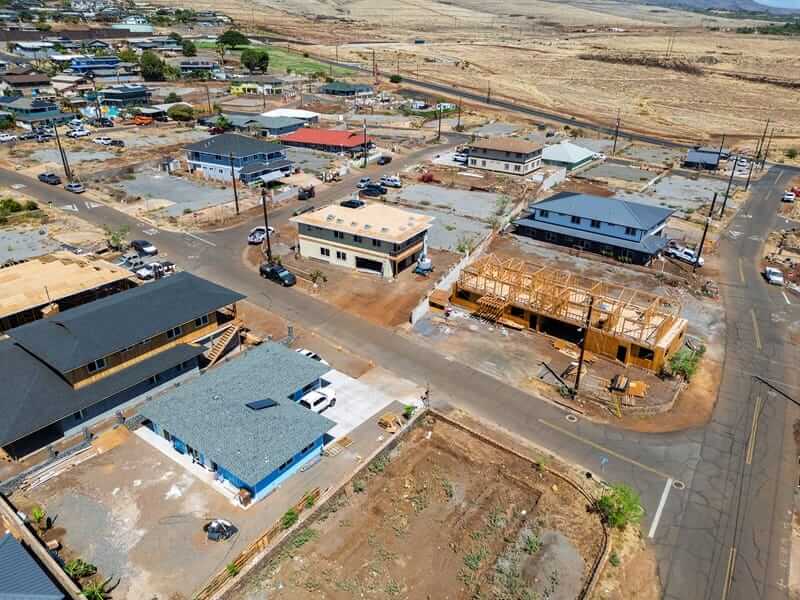
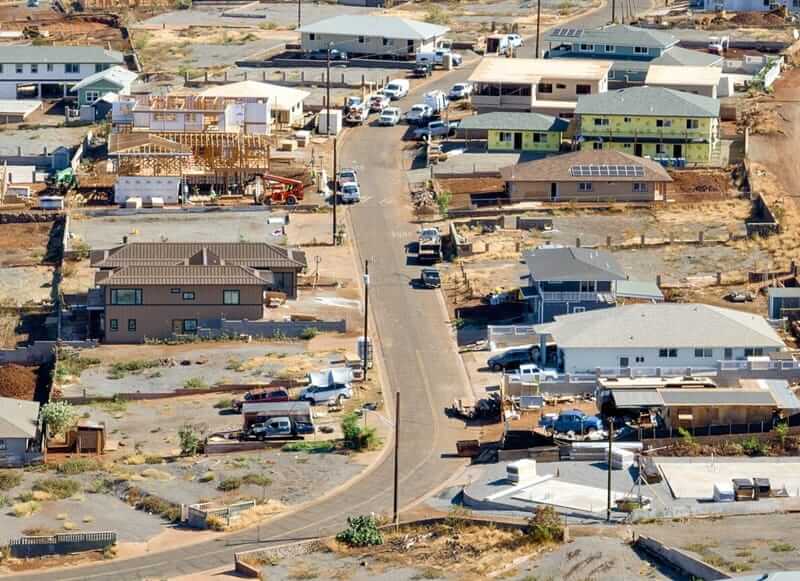
Lahaina's recovery has moved beyond debris removal and into rebuilding homes, restoring infrastructure, reopening roads, and preparing the historic commercial district for businesses to return. Residential and commercial debris removal is complete, although construction and infrastructure work will continue for years.
According to the County's September 15, 2026 Rebuild Dashboard:
- Homes under construction: 415 across wildfire recovery areas
- Homes with permits being processed: 530
- Homes with issued permits: 679
- Homes completed: 604
- Debris removal: Residential and commercial lot clearing is complete
Source: Maui Recovers Rebuild Dashboard, updated September 15, 2026.
What's Open and Closed in Lahaina Today
Front Street Update: Reopened August 1, 2026
Front Street entered an important new phase of recovery on August 1, 2026, when the section from Pāpalaua Street to Shaw Street reopened to vehicle traffic with no regularly restricted hours. Dickenson and Prison streets also reopened. Market Street, Papelekane Street, and Mokuhinia Place will remain closed while infrastructure and harbor work continue.
The road reopening doesn't mean every business, historic site, sidewalk, or nearby property is open. Reconstruction will continue throughout the commercial district, and temporary closures may still be necessary. Visitors should follow signs, stay off private property, and remain outside fenced areas.
Commercial rebuilding is also moving forward. In an August 2026 update, the County reported that 14 properties in Lahaina’s historic commercial core were actively moving through planning and permitting. ʻUlu o Lele, an interim marketplace and community gathering space at the former Outlets of Maui site, is being developed to accommodate 25 to 50 local vendors. Vendor applications opened in September, but the latest announcement didn’t confirm a public opening date.
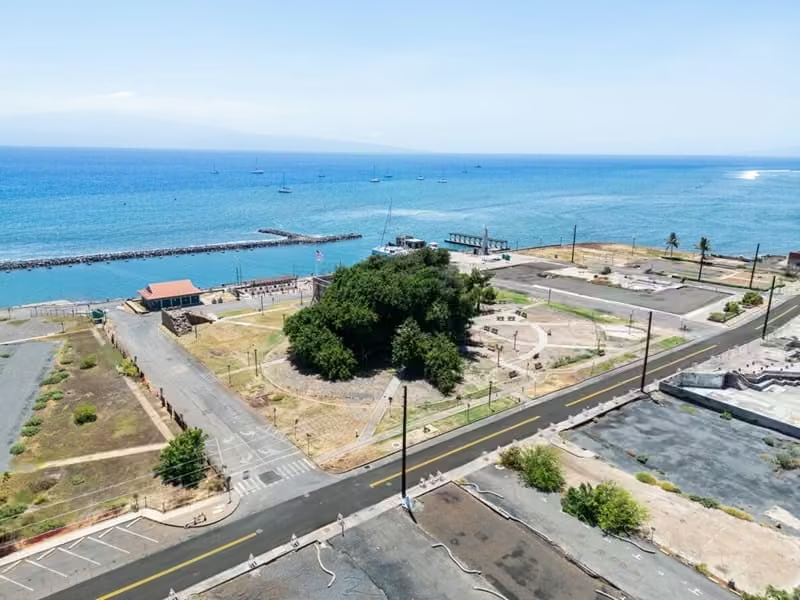
Lahaina Banyan Tree Update: Still Recovering
The famous Lahaina Banyan Tree remains one of the clearest symbols of survival after the fire. The tree survived and has shown real regrowth thanks to continued care from arborists and volunteers. But Banyan Tree Park still isn’t open to the public, so the story right now isn’t a full return. It’s a steady recovery.
Housing, Support, and Community Recovery
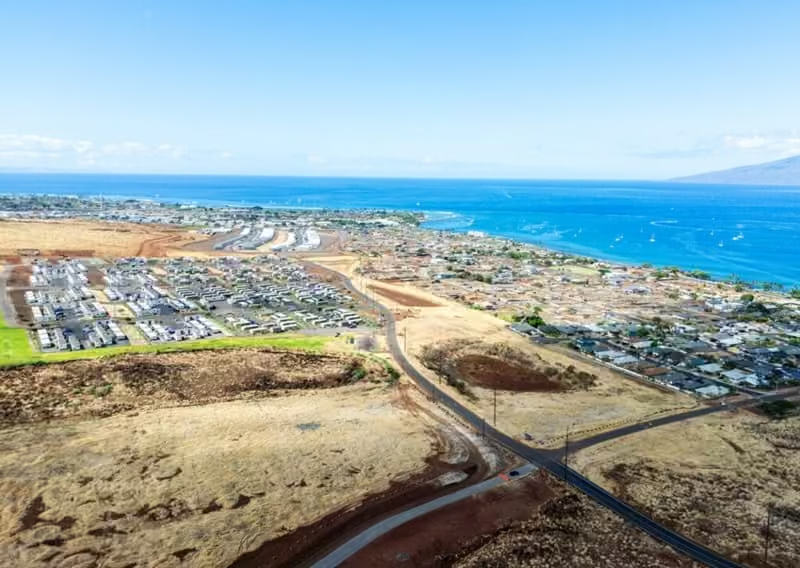
Housing is still one of the biggest parts of Lahaina’s recovery story. Ka Laʻi Ola is Maui’s largest interim housing community for wildfire survivors. The 57-acre village includes 450 homes for up to 1,500 people and is intended to serve families through 2029. FEMA’s temporary housing assistance has also been extended through February 28, 2027, while survivors continue working toward permanent housing.
Support systems are still active, too. The Lahaina Resource Center at Lahaina Gateway continues to connect residents with county, state, federal, and community agencies, and it also hosts 4LEAF permit support for people rebuilding in fire-affected areas. Recovery hasn’t only been about construction. It’s also been about helping people stay housed, find services, and keep moving forward.
Protecting Lahaina’s History While Rebuilding
Lahaina’s recovery isn’t only about replacing structures. It’s also about protecting the town’s history and cultural memory. County recovery planning still includes preserving or reconstructing historic buildings, a future museum space, a multicultural center, and oral history work to ensure Lahaina’s stories, places, and identity aren’t lost as rebuilding continues.
Challenges That Still Remain
Recovery is real, but it’s still uneven. Housing supply remains tight, affordable rental options are limited, and commercial rebuilding in the historic core is more complicated than a standard rebuild. Most businesses and historic sites within Lahaina’s affected historic core haven’t reopened yet, although commercial rebuilding and preparations for returning businesses are moving forward.
Tourism, Respect, and Responsible Visits
Tourism across Maui continues to recover, but Lahaina’s historic core is still rebuilding. Visitors should follow current access guidance, stay out of private and fenced areas, and support open local businesses across West Maui and Maui Nui.
What’s on the Horizon?
Maintenance dredging at Lahaina Small Boat Harbor is expected to continue through December 2026 while permitted commercial operations remain active. More homes and businesses will continue moving from permits into construction, but Lahaina’s recovery remains a multi-year process. Reopened roads shouldn’t be mistaken for a complete reopening of the historic district.
Lahaina Paddle Out
One of the most powerful expressions of Lahaina’s grief and resilience has been the paddle out. Community remembrance events in 2024 and 2025 included large paddle-out gatherings in West Maui, where residents, paddlers, and loved ones came together in prayer, music, and support to honor those lost. It reminded everyone that Lahaina’s spirit has always lived in its people as much as in its buildings.
Aloha Remains the Underlying Thread
Even after the fires, Lahaina’s heartbeat never stopped. It changed rhythm. Neighbors helped neighbors. Families made room for families. Volunteers showed up. Recovery in Lahaina is still unfinished, but aloha is still the thread holding it together.
Sources & Updates
Before You Go: Check these County and State sources, plus current local reporting, for Lahaina access, rebuilding progress, harbor operations, and Banyan Tree updates. Conditions can change as recovery work continues, so don't rely on an older update.