Written by
Maui Snorkeling, operating tours to Molokini Crater, Turtle Town, and Coral Gardens from Māʻalaea Harbor since 1985. Tours are led by USCG-licensed captains aboard a
USCG-inspected passenger vessel.
Quick Answer
The best Maui hiking trails range from scenic coastal walks to bamboo forests and volcanic landscapes above the clouds. You don’t need an all-day trek to enjoy the views. Choose a route that fits your group’s fitness, available time, and interests, then check current access and weather before heading out.
Main takeaways:
-
Shorter Scenic Outings: Try a section of Kapalua Coastal Trail, the paved paths and lookout steps at ʻĪao Valley, or a short visit to the lower falls at Twin Falls.
-
Forest And Ridge Views: Pīpīwai Trail offers a moderately strenuous four-mile round-trip hike through bamboo forest to waterfall viewpoints. Waiheʻe Ridge features a sustained climb with valley and coastal views.
-
More Challenging Adventures: Longer Sliding Sands routes, Lahaina Pali, and Hoapili call for more preparation. Check the exact route, terrain, return distance, and any transportation needs before committing.
-
Book Ahead: Nonresidents need advance entry and parking reservations for ʻĪao Valley. Vehicles entering Haleakalā’s Summit District between 3 a.m. and 7 a.m. need a separate sunrise reservation, even when the main plan is hiking.
-
Trail Access: Check the official trail information before heading out, since access, parking, and trail conditions can change.
-
Enjoy The Journey: Wear sturdy shoes, bring water and snacks, and pack for your destination, including warm layers for the summit. Leave time for breaks, photos, and an unhurried return.
Maui hiking trails can take you from oceanfront paths to bamboo forests and volcanic landscapes above the clouds. This guide compares nine options by terrain, distance, access, and planning needs, so you can choose a walk or hike that fits your vacation.
Why Go Hiking in Maui?
A hike gives you a different view of Maui than you’ll get from the beach or the car. You might hear bamboo moving in the breeze, follow a lava coastline, or watch clouds drift across a mountain valley. Choose a route that leaves you time to enjoy those little moments, and stick to established public trails.
Maui Hiking Trails At A Glance
Here’s a side-by-side look at nine Maui hiking trails, from short scenic
walks to longer adventures. Compare the distance, difficulty, and planning
details to find a route that fits your day.
| Trail |
Area |
Difficulty |
Distance |
Time |
Fee |
Reservation |
Best For |
| Kapalua Coastal Trail |
Kapalua, West Maui |
Easy, with uneven sections |
About 3.5 miles round-trip |
1 to 2 hours |
No trail fee; parking varies |
No |
Ocean views and a relaxed coastal walk |
| ʻĪao Needle Lookout Trail |
Near Wailuku, Central Maui |
Easy, with steps to the lookout |
About 0.6 mile for the lookout and garden route |
30 to 60 minutes |
Nonresidents: $5 per person plus $10 per vehicle |
Advance entry and parking booking for nonresidents |
Valley views and a short scenic visit |
| Twin Falls Trail |
Near the start of the Road to Hāna |
Easier lower falls; rougher upper route |
Short lower-falls walk; upper falls over 1 mile round-trip |
30 to 60 minutes for lower falls; longer for upper falls |
$10 parking per car |
No for regular visits; parking is first-come |
A waterfall stop with a choice of walking routes |
| Pīpīwai Trail to Waimoku Falls |
Kīpahulu, East Maui |
Moderately strenuous |
4 miles round-trip; about 800 feet of elevation gain |
Allow 3 to 4 hours |
$30 per private vehicle or a qualifying park pass |
No for day hiking |
Bamboo forest and waterfall viewpoints |
| Waiheʻe Ridge Trail |
West Maui Mountains |
Moderate, with a sustained climb |
Approximately 4 to 5 miles round-trip |
Allow 3 to 4 hours |
No trail fee listed |
No |
Ridge views and an uphill adventure |
| Makawao Forest Reserve, Kahakapao Loop Trail |
Upcountry Maui |
Moderate |
About 5.7 miles for the full loop |
Allow 3 to 4 hours |
No trail fee listed |
No reservation listed; check current access |
Forest shade and shared-use trails |
| Sliding Sands Trail (Keoneheʻeheʻe) |
Haleakalā Summit |
Strenuous on longer routes |
0.5 mile round-trip to first overlook; about 11 miles point-to-point across the crater |
Varies by route; full day for the crossing |
$30 per private vehicle or a qualifying park pass |
$1 per vehicle for Summit entry between 3 a.m. and 7 a.m. |
Volcanic scenery and a carefully planned summit hike |
| Lahaina Pali Trail |
Maʻalaea to Ukumehame |
Hard; rocky and exposed |
About 5.5 miles one way |
About 4 hours one way, plus breaks |
No trail fee listed |
No |
Experienced hikers and wide coastal views |
| Hoapili Trail (King’s Highway) |
La Pérouse Bay, South Maui |
Hard; rough lava terrain |
Out-and-back; turn around at Kanaio Beach or earlier |
Depends on your turnaround and pace |
Check trailhead parking instructions |
No |
Lava coastline and historic features |
Planning note: Distances and times are approximate, and your
chosen route matters. The Sliding Sands cross-crater hike and the full Lahaina
Pali Trail finish at different trailheads, so arrange return transportation
before you start. Check official trail alerts, weather, and posted access rules.
Fee details: Haleakalā’s $30 private-vehicle pass covers its
occupants for three days in both the Summit and Kīpahulu districts. Entry on
foot or bicycle is $15 per person age 16 and older. At ʻĪao Valley, children
ages 3 and under enter free, and Hawaiʻi residents with valid Hawaiʻi
identification receive free entry and parking.
Access reminders: Twin Falls reserves the first Saturday of each month for Hawaiʻi residents and doesn’t allow roadside walk-ins or rideshare drop-offs. Before visiting state-managed trails, check
DLNR’s current trail information
for access updates and posted restrictions.
What to Know Before You Hike in Maui
Maui hikes vary a lot more than most visitors expect. One trail might be a short scenic walk, while another is a muddy ridge, a sharp lava trail, or a high-altitude crater hike. Before you go, match the hike to your fitness level, start earlier than you think you need to, and pack for trail conditions instead of beach conditions.
Fees, reservations, and current trail alerts
Don’t assume every Maui hike is free or first-come, first-served. ʻĪao Valley is one of the biggest plan-ahead hikes on this list, Haleakalā comes with park fees and a separate sunrise rule, and Twin Falls is easy to underestimate because parking is limited even though there’s no standard reservation. That’s why it’s smart to check the official park or land manager page before you leave, not just a map app or an old blog post.
The easiest way to keep your day simple is to check four things before you go: fee, reservation, parking, and alerts. If you’re heading to Haleakalā, check conditions and sunrise rules. If you’re hiking a state-managed trail like ʻĪao Valley, Waiheʻe Ridge, Lahaina Pali, or Hoapili, check DLNR updates and access info first. A quick check can save you from a closed parking lot, a changed entry rule, or a trail that isn’t a good fit that day.
What to pack
- Sturdy Footwear: Trails can be muddy, rocky, and covered in roots. Closed-toe hiking shoes with good grip are essential. Leave the flip-flops for the beach!
- Plenty of Water: The tropical sun and humidity can dehydrate you quickly. Bring more water than you think you'll need. A hydration pack is a great option for longer treks.
- Sun Protection: Bring a hat, sunglasses, and mineral sunscreen.
- Rain Gear: Especially in the rainforests of East Maui, passing showers are common. A lightweight, waterproof jacket can be a lifesaver.
- Insect Repellent: Mosquitoes are commonly present, especially in wet, jungle environments.
- Snacks: Pack some energy-boosting snacks, such as granola bars, fruit, or trail mix, to keep you going.
- Fully Charged Phone & Navigation: Although many trails are well-marked, it's wise to have a map for added convenience. Download an offline map of the trail or use a GPS app for navigation. Cell service can be spotty to nonexistent in many areas.
- Summit Layers: For Haleakalā, pack warm clothing and a wind-resistant outer layer, even when your beach hotel feels warm.
For the rest of your vacation, our Maui Packing List covers beach gear, snorkeling essentials, Haleakalā layers, Road to Hāna items, everyday clothing, and more.
Respect the land and trail etiquette
Part of Hawaii's magic is its pristine natural environment and rich culture. When you hike, you're a guest in a sacred place. Please practice the principles of Mālama ʻĀina (caring for the land):
- Stay on the Trail: Wandering off the path can damage fragile ecosystems and is a common way hikers get lost.
- Leave No Trace: Pack out everything you pack in. This includes food scraps, such as fruit peels.
- Respect Cultural Sites: Leave historic walls, temples, and other archaeological features undisturbed. Don’t climb on them, move stones, or enter restricted areas.
- Heed All Signs: Warning signs for flash floods, cliff edges, or private property are there for your safety.
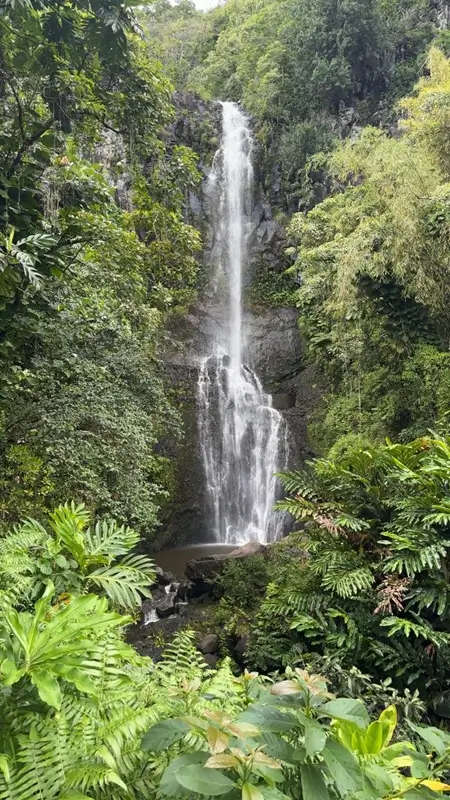
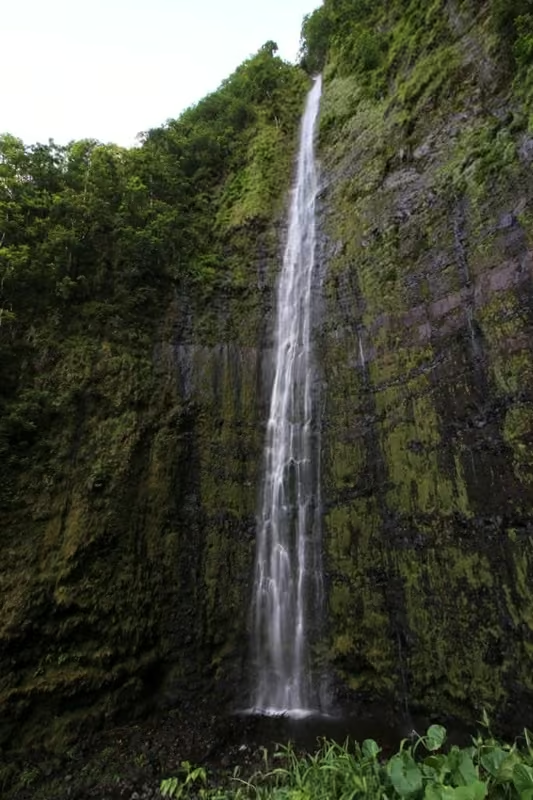
Pipiwai Trail - Waimoku Falls - Photo Courtesy of
Maui Guidebook
Which Maui Hike Is Best for You?
Not sure where to start? Match the scenery you’d love to see with the time and energy you want to spend.
- Choose Kapalua Coastal Trail if you want the easiest ocean-view walk on this list.
- Choose ʻĪao Valley if you want a short scenic visit with paved paths and steps to the lookout.
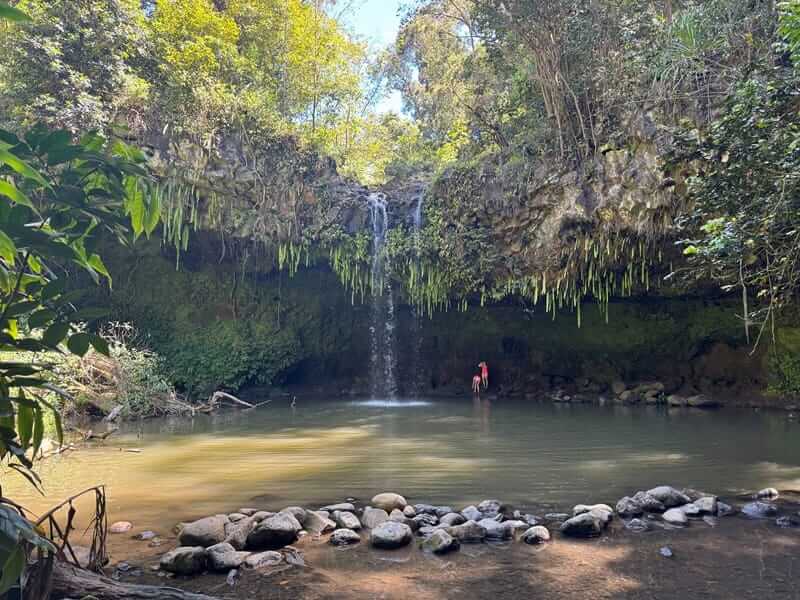
- Choose Twin Falls if you want a short walk to the lower waterfalls near the start of the Road to Hāna.
- Choose Pīpīwai Trail if you want the best mix of bamboo forest, waterfalls, and a real hike.
- Choose Waiheʻe Ridge if you want a stronger workout with huge valley views.
- Choose Makawao Forest Reserve if you want cooler weather, shade, and a different side of Maui.
- Choose Sliding Sands if you want a bucket list crater hike and don’t mind altitude.
- Choose Lahaina Pali if you want a hot, exposed challenge with big dry-side views.
- Choose Hoapili Trail if you want rugged lava scenery, coastline, and a more historic feel.
Final Thoughts
The best Maui hike is the one that fits your day, whether that’s a coastal stroll or a longer adventure you’ve planned around. Pick a route you’re excited about, leave time to enjoy it, and keep another activity in mind if access or weather changes your plans.
Sources & Updates
Use these park and trail resources to check routes, fees, reservations, and current access before your Maui hiking day.