Iao Valley State Park Maui: 2026 Reservations, Fees, & Iao Needle Guide
February 6th, 2026
| Hikes & Land Adventures
Written by Maui Snorkeling, operating tours to Molokini Crater, Turtle Town, and Coral Gardens from Māʻalaea Harbor since 1985. Tours are led by USCG-licensed captains aboard a USCG-inspected passenger vessel.
Last updated September 28, 2026
Quick Answer:ʻĪao Valley State Monument, often called Iao Valley State Park, is a lush Central Maui landmark known for the ʻĪao Needle lookout, short paved walking paths, rainforest scenery, and deep cultural history. Standard park hours are 7:00 a.m. to 6:00 p.m. daily. Non-resident visitors need advance reservations for entry and parking, while Hawaiʻi residents can enter and park for free with a valid Hawaiʻi ID. Check the official DLNR park notice before visiting because heavy rain or high stream levels can cause temporary closures.
Main Takeaways:
Hours: Standard park hours are 7:00 a.m. to 6:00 p.m. daily. Check official DLNR notices before visiting for any access changes.
Reservations: Non-residents need advance reservations for entry and parking. Hawaiʻi residents enter and park free with a valid Hawaiʻi ID.
Fees: Non-resident entry is $5 per person, plus $10 parking for non-commercial vehicles. Children 3 and under are free.
Main Walk: The paved ʻĪao Needle Lookout Trail and Ethnobotanical Loop is about 0.6 miles and includes a short climb to views of Kukaʻemoku, the ʻĪao Needle.
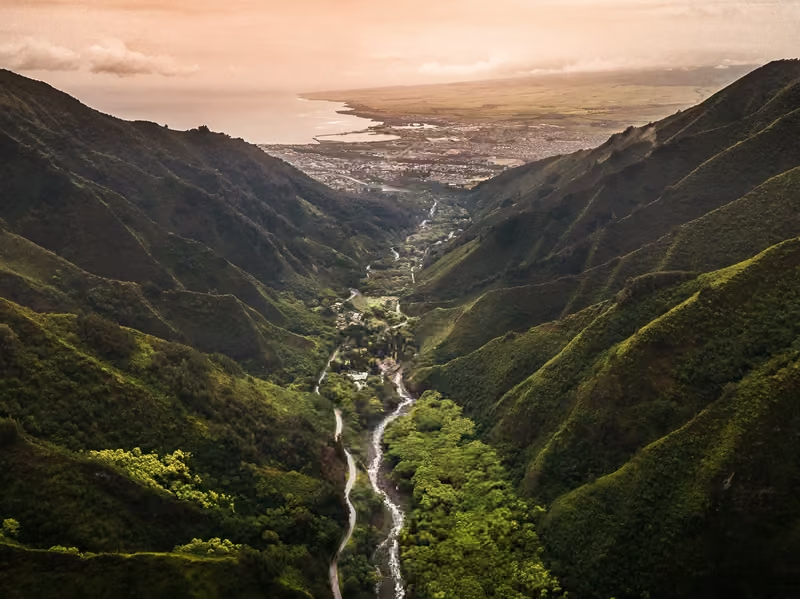
If you’re looking for a Maui adventure that feels peaceful, powerful, and straight out of a storybook, Iao Valley State Park (Iao Valley State Monument) deserves a spot at the top of your list. Just a short drive from Wailuku, this green, misty valley brings together towering mountains, flowing streams, and deep Hawaiian history in one stunning place.
It’s an easy stop on your Maui itinerary, but don’t let that fool you; this valley leaves a big impression.
Want more ideas beyond this stop? Here’s our complete list of things to do in Maui.
What is ʻĪao Valley State Park?
ʻĪao Valley State Monument (often called Iao Valley State Park) is a protected natural area nestled in Central Maui. Known for its dramatic peaks, tropical vegetation, and cultural significance, the park offers one of the island's most accessible rainforest experiences.
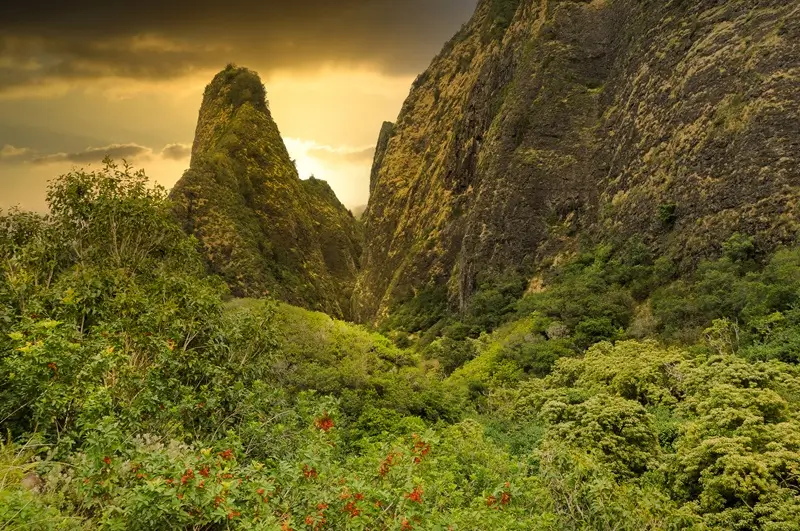
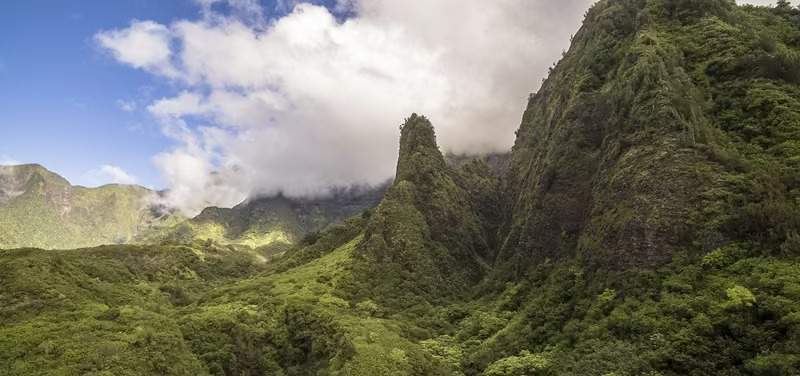
At the heart of the valley is Kukaʻemoku, commonly called the ʻĪao Needle, an erosional feature rising about 1,200 feet from the valley floor. It’s one of Maui’s most recognizable natural landmarks and even more impressive in person.
How to Get There, Parking, and Facilities
ʻĪao Valley State Monument is in Wailuku at the end of ʻĪao Valley Road (Highway 32). The simplest way to navigate is to plug it into Google Maps: Open ʻĪao Valley State Monument in Google Maps
Parking: Parking is limited, and the parking lot fills up fast, especially mid-morning. Non‑residents must reserve and pay for parking online, and you’ll need to exit by the end of your reservation time to make room for the next time slot. Also, plan to arrive within the first 30 minutes of your reservation window.
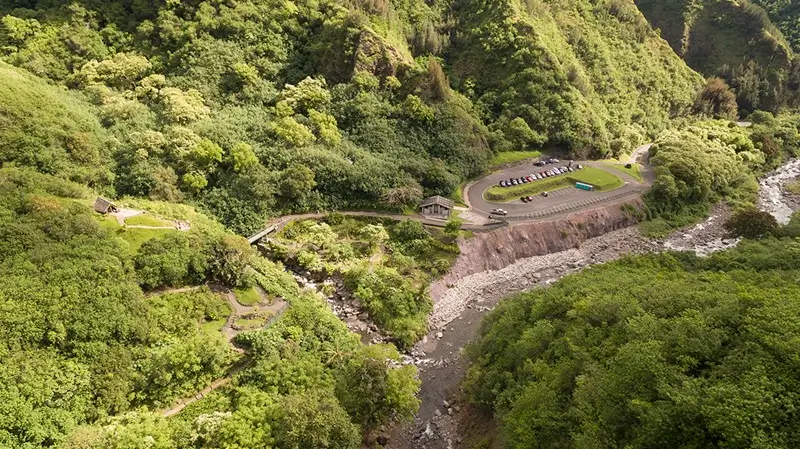
Trail Start + Restrooms: The main paved walk begins just beyond the park restrooms and interpretive signs, crosses a bridge over the stream, and climbs to the lookout (there’s a small shelter at the top).
Hours + Entry Basics: Standard park hours, when ʻĪao Valley State Monument is open, are 7:00 am to 6:00 pm daily. Non‑residents need to make entry and parking reservations in advance.
The star of the show is definitely the Iao Needle. Surrounded by clouds, ferns, and sheer cliffs, it feels almost unreal—especially on misty mornings when the valley looks like something out of a fantasy movie.
A short paved walkway and viewing area offer great photo opportunities without a long hike.
Rainforest, Stream, and Valley Views
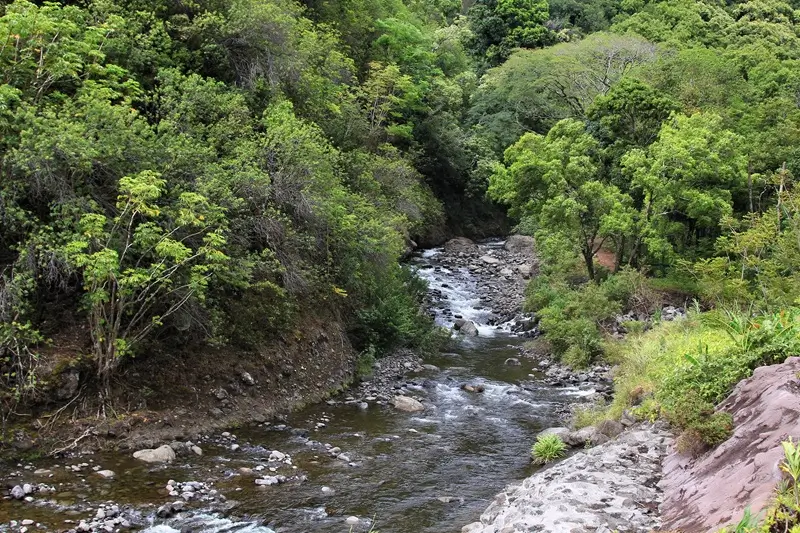
Expect vibrant greens everywhere you look. The valley is filled with towering bamboo, tropical plants, flowing freshwater streams, and moss-covered rocks. It’s a refreshing change of pace from Maui’s beaches and a great way to experience the island’s interior landscapes.
If you love this “green side of Maui” vibe, you’ll also enjoy our guide to the West Maui Mountains.
One of the best things about ʻĪao Valley is how much scenery you can enjoy without a long hike. The main route is short and paved, making it a good choice for families and casual walkers, but it does include a steady climb and several steps.
If you’re comparing easy walks vs. bigger hikes, our Maui hiking trails guide breaks down distance, difficulty, and fees across the island.
Iao Needle Lookout Trail and Ethnobotanical Loop
The main paths are paved, well-maintained, and clearly marked, with a short, steady climb and a few steps to the lookout. Most visits take 30 to 60 minutes, making this an easy stop to fit into a Maui day.
Is the Iao Needle Trail Accessible?
Good news: ʻĪao Valley is one of the most accessible “rainforest” stops on Maui. The main route is short and paved, with interpretive signs along the way.
That said, it’s not perfectly flat. The walk includes a steady climb up to the lookout (about 200 feet of elevation gain), and wet conditions can make surfaces feel slick—especially on steps and near the stream.
Quick accessibility tips: go slowly, use handrails where available, and consider focusing on the lower viewpoints and garden loop if anyone in your group has mobility concerns.
Iao Valley Visiting Tips
Reservations and Entry: Non‑residents need advance reservations for entry + parking.
Dress For The Valley: The weather here is often cooler and wetter than in other parts of Maui. Wear comfortable walking shoes, bring a light jacket or rain layer, and expect muddy areas after rainfall.
Respect The Land: Iao Valley is a sacred place. Stay on marked paths, don’t climb on rocks or the Iao Needle, and never swim in the streams; flash flooding can happen quickly.
ʻĪao Valley State Monument isn’t just a “quick scenic stop”; it’s a place layered with Hawaiian history, culture, and deep meaning.
The lush valley walls, the flowing ʻĪao Stream, and the iconic ʻĪao Needle (Kukaʻemoku) create a landscape that feels almost unreal, yet it’s also a real place with real stories. Visiting with a little context makes the experience hit differently—in the best way.
Today, most visitors come for the dramatic views and the easy, paved walking paths. But the valley is also remembered as a significant cultural and historical site. A few minutes of reading the interpretive signs (and keeping your voice a little softer than your “beach day volume”) helps you connect the scenery to the people and events that shaped Maui.
Battle of Kepaniwai
In 1790, ʻĪao Valley was the setting of the Battle of Kepaniwai, one of the best-known conflicts of the era when the Hawaiian Islands were being unified. Oral histories and historical accounts describe a fierce fight in the valley between Kamehameha I's forces and Maui’s warriors, an event still remembered as a turning point in Hawaiian history.
You’ll often hear that “Kepaniwai” translates to “the damming of the waters,” a reference to how intense and devastating the battle was said to be. Whether you’re a history buff or just here for the views, it’s worth pausing for a moment to recognize that this valley is more than a photo backdrop; it’s a place where major history happened.
If you have a few extra minutes, pair this visit with a stop at nearby Kepaniwai Park for a quieter, more reflective break.
How To Visit Respectfully
“Mālama ʻāina” means to care for the land, and it’s the right mindset to bring to ʻĪao Valley.
Think of it like being invited into someone’s home: enjoy yourself, take all the photos you want, and leave the place exactly (or better) than you found it.
A few easy ways to be the kind of visitor locals would happily welcome back:
Stay on the paved paths and marked trails. The area is sensitive, and shortcutting damages plants and soils.
Leave rocks, plants, and cultural features undisturbed. (And if you see offerings, leave them as-is.)
Keep noise low. This valley feels peaceful; let everyone enjoy it.
Pack out trash (even the tiny stuff like snack wrappers).
Even though ʻĪao Valley State Monument is an easy visit, it’s still a rainforest valley, which means cooler temps, slick surfaces, quick weather changes, and occasional downpours. The goal is simple: be comfortable, stay safe, and keep your day fun (not “why are my socks soaked” memorable).
Here’s the quick “you’ll thank yourself later” list:
Water
A light rain jacket or poncho
Bug spray
Phone/camera cloth (mist happens!)
Sun protection
Good shoes
Shoes, Rain, and Mud
Let’s be real: ʻĪao Valley has a talent for being wet and gorgeous at the same time. The main walk is paved, but moisture, mossy edges, and steps can turn an “easy stroll” into “whoa, that’s slippery” fast.
For the best experience, choose:
Sneakers or light hiking shoes with grip
Sandals with solid tread and heel support
Skip slick flip-flops because wet pavement and steps can be slippery
If it’s recently rained, assume the path will be damp and take the steps slowly, especially if you’re carrying a coffee, holding a kid’s hand, or both (Maui multitasking at its finest).
Weather and Flash-Flood Safety
Rain in ʻĪao Valley can roll in quickly, and valleys can be flash‑flood prone even when it’s not raining right on top of you. The state park’s own guidance is to monitor weather reports before your visit, and it’s smart advice, especially in winter and during stormy stretches.
If you’re seeing heavy rain, fast-moving water, or debris in the stream, take the safe win: save ʻĪao Valley for a clearer day and swap in a museum, coffee stop, or a leeward-side beach afternoon.
Early morning is the best time to visit. The valley is cooler, less crowded, and often wrapped in beautiful mist. The late afternoon can also be pleasant, but rain showers are more common then.
Is Iao Valley Worth Visiting?
Absolutely. If you want to see a different side of Maui, one that’s green, calm, and rich in history, ʻĪao Valley State Monument is well worth your time.
It’s not about big thrills or long hikes. It’s about slowing down, taking in the scenery, and connecting more deeply with the island.
If this sparks a “more rainforest, please” mood, put the Pīpīwai Trail (Road to Hāna) on your list too!
FAQs About Iao Valley State Park Maui
ʻĪao Valley State Monument is open under its regular schedule from 7:00 am to 6:00 pm daily. Non-resident entry and parking reservations are required. Because heavy rain and high stream levels can cause temporary closures, confirm the current notice on DLNR’s official park page before visiting.
If you are an out-of-state visitor, yes, advance reservations (and entry/parking purchase) are required. Hawaiʻi residents with a valid Hawaiʻi ID are exempt, but out-of-state guests traveling with residents still need their own reservations. Always confirm the latest rules on the official reservation system.
ʻĪao Valley State Monument is open daily from 7:00 am to 6:00 pm.
The last reservation time is 4:30 pm, and you must enter the park no later than 5:00 pm.
For non-residents, entry is $5 per person and parking is $10 per vehicle. Children 3 and under are free. Hawaiʻi residents enter free with a valid Hawaiʻi driver’s license or state ID.
Most visits take about 30–60 minutes.
The ʻĪao Needle Lookout Trail and Ethnobotanical Loop is about 0.6 miles total, rated easy, and includes a paved walking trail with roughly 200 feet of elevation gain.
No, dogs are not allowed on the ʻĪao Needle Lookout Trail or the Ethnobotanical Loop.
Reservations may be made up to 30 days in advance. Popular time slots can sell out, so booking early is smart.
Final Thoughts: A Quiet Maui Classic
Iao Valley State Monument (Iao Valley State Park) is one of those places that sneaks up on you. It’s easy to visit, easy to love, and leaves you feeling like you’ve experienced something truly special. 🌿
Sources & Updates: Park access, reservations, fees, trail conditions, and closures can change. Before visiting ʻĪao Valley, confirm the latest details using the official resources below.