West Maui Mountains Guide: Scenic Drives, Hikes, and Safety Tips
September 17th, 2025
| Hikes & Land Adventures
Written by Maui Snorkeling, operating tours to Molokini Crater, Turtle Town, and Coral Gardens from Māʻalaea Harbor since 1985. Tours are led by USCG-licensed captains aboard a USCG-inspected passenger vessel.
Last updated September 28, 2026
Quick Answer:West Maui Mountains, also called Mauna Kahālāwai, are the lush volcanic range behind West Maui’s coast, with scenic views from Highway 30, ridge hiking on Waiheʻe Ridge Trail, and dramatic valley and ocean lookouts. It’s a great Maui day trip when you want mountain scenery, short walks, coastal pullouts, and a fresh look at the island beyond the beach.
Main Takeaways:
Best Time To Go: Morning for clearer views, cooler trails, and better weather
Best Hike: Waiheʻe Ridge Trail on a dry, clear morning if you’re comfortable with uphill hiking
Easiest Scenic Drive: Explore Highway 30 between Māʻalaea and Kapalua for mountain and ocean views, then return the same way instead of completing the northern loop.
Drive With Caution: Kahekili Highway can be narrow, cliffside, and stressful, so don’t drive it after dark or during heavy rain
ʻĪao Valley: Standard park hours are 7:00 a.m. to 6:00 p.m. daily. Non-residents need advance entry reservations, plus parking reservations if driving. Check official DLNR notices before visiting for any access changes.
The West Maui Mountains are one of the most beautiful sights on the island of Maui! This mountain range is filled with lush valleys, hidden waterfalls, and stunning views. It’s a playground for explorers and dreamers alike. Wondering what makes this part of Maui so special? This guide will walk you through its history, beauty, and the many activities you can enjoy here!
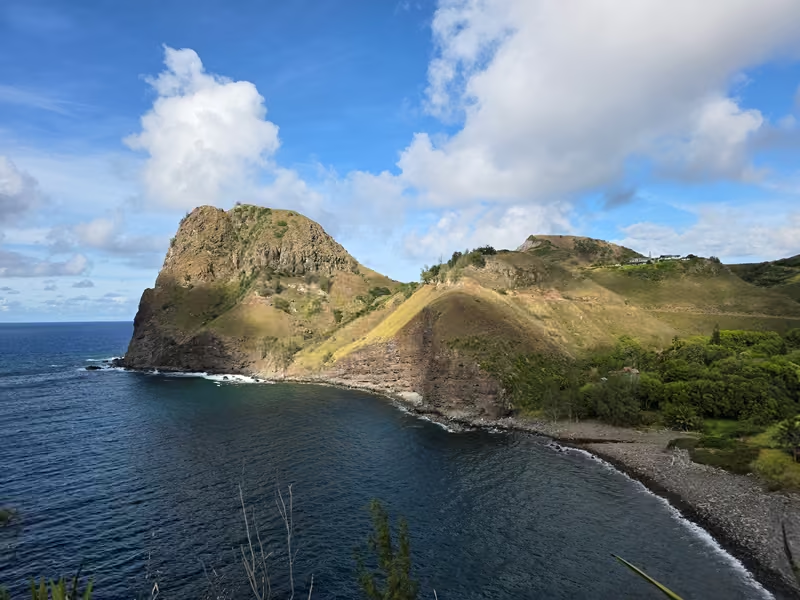
From the beach, they look like tall, soft waves made of rock and forest. Up close, you’ll see verdant valleys, sharp ridges, and mist that drifts like a dream. Their peaks are often hidden by clouds, giving them a magical, special vibe.
How the West Maui Mountains Formed
The West Maui Mountains are the deeply eroded remains of an ancient volcano. Some of its shield-stage lava flows date back roughly 1.6 to 2 million years. Over time, rain and streams carved the steep ridges and deep valleys you see today. It’s a beautiful example of how much an island’s landscape can change!
The Highest Point
The tallest peak is Puʻu Kukui. It reaches about 5,788 feet above sea level. That is very high for an island mountain! The summit is part of the Puʻu Kukui Watershed Preserve. It's one of the wettest places on Earth and a key source of Maui’s fresh water. But you can still enjoy amazing views from many safe, open spots nearby.
Cultural Importance
Mauna Kahālāwai is often interpreted as the “House of Water” or “Meeting Place of Waters,” a fitting name for mountains that help supply Maui’s freshwater. The range also holds important cultural and historical sites, including ʻĪao Valley, where the Battle of Kepaniwai took place in 1790. A visit offers a chance to appreciate both the landscape and its place in Hawaiian history.
Best Ways to See the West Maui Mountains
Here’s a quick comparison of the best West Maui Mountains experiences, including scenic drives, hikes, lookout stops, and safer options if you’d rather keep the day simple.
Experience
Best For
What To Know
Highway 30 Coastal Drive
Easy mountain views, ocean scenery, and a flexible West Maui day
Follow Highway 30 between Māʻalaea and Kapalua, then return the same way. This scenic outing doesn’t require completing the narrow northern loop.
Waiheʻe Ridge Trail
Hikers who want big ridge views, green valleys, and ocean lookouts
Go early, bring water, wear real shoes, and skip it after heavy rain because the trail can get muddy and slippery
ʻĪao Valley State Monument
Short walks, cultural history, and dramatic valley scenery during regular park hours
The park’s regular hours are 7:00 am to 6:00 pm daily. Non-residents need advance entry and parking reservations; check DLNR notices for weather-related closures
Kahekili Highway
Confident drivers who are comfortable with narrow roads and cliffside sections
Don’t drive it after dark, during heavy rain, or if tight roads make you nervous
Nakalele Blowhole Area
Dramatic coastline, rugged scenery, and mountain views from the north side
Stay well back from the blowhole, avoid wet rock, and never turn your back on the ocean
Kapalua Coastal Trail
Families, easy walking, resort access, and mountain backdrops without a hard trail
It’s not a mountain hike, but it gives you beautiful views of the West Maui Mountains above the coast
Best Overall Pick
Most visitors who want a safe, scenic, low stress West Maui Mountains day
Choose a Highway 30 coastal drive with a Kapalua walk, or plan a Wailuku-side outing to ʻĪao Valley or Waiheʻe Ridge. Pick one main adventure and leave room for scenic stops along the way.
Note: Weather, road conditions, trail access, and park closures can change quickly in the West Maui Mountains. Check official updates before you go, especially for ʻĪao Valley State Monument, Waiheʻe Ridge Trail, and Kahekili Highway.
Driving the West Maui Mountains
You can enjoy the West Maui Mountains by car, on foot, or from lookouts by the sea. Here are easy ways to take it all in.
Scenic Coastal Drive (Highway 30)
For a scenic outing, explore Honoapiʻilani Highway (30) between Māʻalaea and Kapalua, then return the same way. You’ll find ocean views and mountain backdrops along the route without continuing around the narrow northern loop. Take your time, and stop for photos only in designated parking areas or legal pullouts. Keep travel lanes and driveways clear.
Should You Drive Kahekili Highway?
The road around the north end is called Kahekili Highway (340). Parts are very narrow and twisty, with cliffs. If you don't like tight roads, skip this drive. If you go, take it slow, yield to oncoming cars, and be kind. Morning light is best. Don't drive it in the dark or in heavy rain.
Easy Lookouts
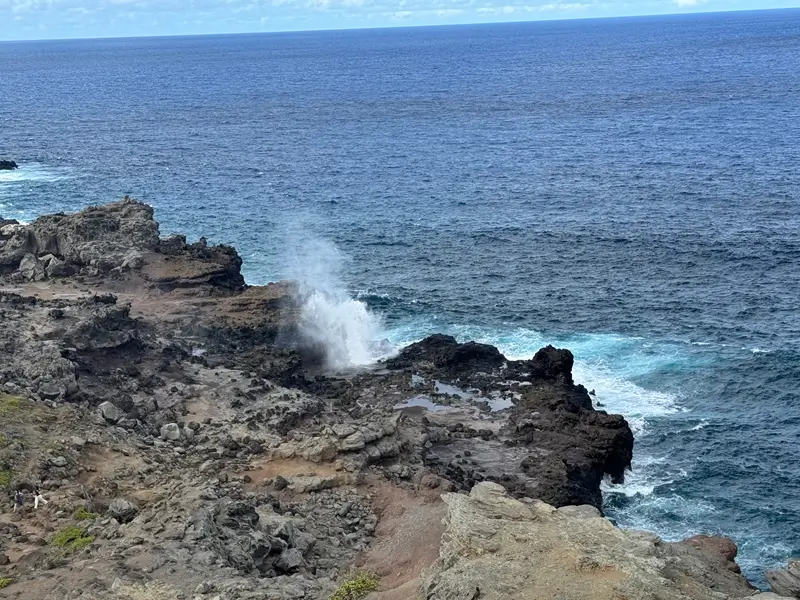
Nakalele Blowhole Area: Park in a safe spot and look inland. Ridges stack up like green paper fans.
Waiheʻe Coast: Pullouts along the coast show the mountains meeting the sea.
Ukumehame: South of Lahaina, look mauka and see dry slopes cut by deep gullies. It’s a cool “rain shadow” view.
Sunrise and Sunset
Sunrise lights the east faces, and sunset paints the west faces gold and pink. If clouds gather, don’t worry. The mist makes the mountains feel alive. Bring a light jacket; the wind can be cold near lookouts.
Best West Maui Mountains Hikes
Hiking is the best way to feel the mountains up close. Always check the current trail status and weather before you go. Pack water, snacks, and a light rain jacket! Below are a few trails to check out:
Waiheʻe Ridge Trail
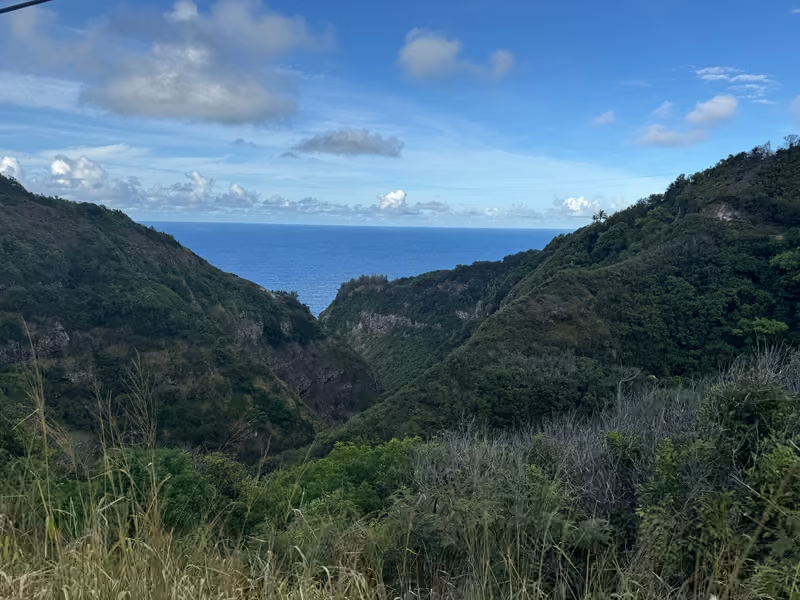
This is the classic West Maui hike. It climbs along a ridge with huge valley views. You’ll see rolling green slopes, cliffs, and the blue sea far below. We recommend wearing sturdy shoes for this trail.
Quick Trail Specs
Distance: 4.3 miles (out & back)
Elevation gain: ~1,591 ft
Estimated time: 3-3.5 hours
Difficulty: Hard (steep + can be slippery)
Parking: Use the designated trailhead parking area, arrive early, and follow posted parking and access signs.
Mud factor: High after rain (expect slick sections)
Pro tip: Start early for cooler temps and clearer views. If it’s raining, consider skipping; this trail gets very slick fast.
Why it’s great: Big views the whole way, easy to follow, and a true “wow” at the top.
Lahaina Pali Trail
This steep, rocky path crosses the south slopes above the wind farm. Views sweep over the channel to Kahoʻolawe and Lānaʻi. The trail is hot and exposed, so go early, bring lots of water, and expect wind.
The details below describe a shorter west-side out-and-back toward the wind turbines, not the full trail crossing. Your distance depends on where you turn around. If you’re planning a point-to-point hike, arrange transportation from the other trailhead before setting out.
Quick Trail Specs
Distance: 4.4 miles (out & back) from the Ukumehame/West side (most common)
Elevation gain: ~1,578 ft
Estimated time: 3–3.5 hours
Difficulty: Hard (steep, rocky, hot & exposed)
Parking: Limited roadside parking near the west/Ukumehame side; use caution re-entering Highway 30.
Mud factor: Low (more rocky/dry), but can be slick after rain
Good to know: Trailforks notes two trailheads (east + west). Many hikers go halfway to the wind turbines and turn back, but a full point-to-point hike is possible if you arrange a shuttle car.
Why it’s great: Wide ocean views and a sense of old Maui paths that once linked towns across the mountains.
ʻĪao Valley State Monument
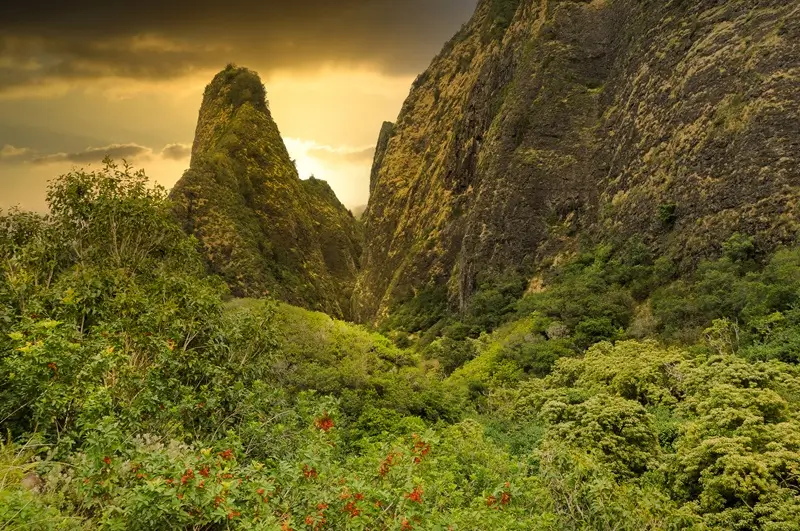
This lush, famous valley is within the West Maui range. A short paved walk leads to a viewpoint of the ʻĪao Needle and the ridge walls around it. The valley holds deep cultural significance. Stay on paths, be quiet, and enjoy the beauty!
Quick Walk Specs (ʻĪao Needle Lookout + Ethnobotanical Loop)
Distance: 0.6 miles (paved loop)
Elevation gain: ~200 ft
Estimated time: 20-45 minutes (longer if you read signs / enjoy views)
Difficulty: Easy (paved, short climb)
Parking: Non-residents need advance entry and parking reservations. Hawaiʻi residents with valid Hawaiʻi identification enter and park free.
Mud factor: Low (paved), but surfaces can be wet/slippery in rain
Flash-flood note: ʻĪao Valley can close due to high water; always check the DLNR park notice before you go.
Why it’s great: Easy access, rich history, and dramatic cliffs without a long hike.
Kapalua Area Walks
Kapalua has mellow paths that wind through golf and resort lands with mountain backdrops. If you want a low-effort stroll with big views, this is a nice pick.
Best Easy Pick: Kapalua Coastal Trail
Quick Trail Specs
Distance: ~3.5 miles round trip (about 1.76 miles one-way)
Elevation gain: ~209 ft
Estimated time: 1–3 hours (depends on stops for beaches + viewpoints)
Difficulty: Easy (mostly flat; mix of path/boardwalk/lava rock)
Parking: Use designated public parking near Kapalua Bay and/or D.T. Fleming Beach Park; arrive early when busy.
Mud factor: Low (more “stroll” than hike), but lava rock can be slick when wet
Why it’s great: Simple, family-friendly walks with the West Maui Mountains as your backdrop.
Waterfalls, Rainforest, and Safe Viewing Tips
The West Maui Mountains catch a lot of rain on their windward sides, which feeds streams and falls.
Honokōhau Falls (Best Seen By Air)
This is one of the tallest waterfalls on Maui. It drops in stages into a deep valley. Most people see it on a helicopter tour. If you choose to fly, pick a company with a strong safety record and a focus on the land.
Roadside Cascades After Rain
After heavy rains, small waterfalls can appear along the north road. Never stop in the lane or stand under a waterfall. Rocks can fall without warning. Also, avoid swimming in mountain streams. Flash floods can happen quickly.
Quick Trip Tips for the West Maui Mountains
Best Time To Go: Mornings are often clear. Afternoons can bring clouds and showers, especially on the windward side. For hiking, start early. For sunset photos, aim for the leeward slopes near Kāʻanapali, Kapalua, or Ukumehame.
What To Bring:
Water (more than you think you need)
Snacks or a simple lunch
Hat and light jacket
Sunscreen and sunglasses
Sturdy shoes for hikes
Camera or phone (plus a dry bag if rain is likely)
Driving Notes: Fuel up before you head out. Use safe pullouts; never stop in travel lanes. Let local drivers pass when you can. If a road looks too tight or the weather turns bad, turn around. There’s always another viewpoint.
Family-Friendly Options: Try the short paved walk in ʻĪao Valley, a mellow Kapalua stroll, or a photo stop along Highway 30. Follow up with shave ice, a beach break, or a snorkel tour to make a full, happy day.
West Maui Mountains FAQs
Kahekili Highway (Hwy 340) has narrow, cliffside sections with tight turns and limited shoulders. If you’re not comfortable with one‑lane roads and blind corners, skip it and use Highway 30 instead. If you do drive 340, go slow, drive in daylight, avoid heavy rain, and use pullouts to let locals pass.
Yes. Non-resident visitors need advance entry reservations for ʻĪao Valley State Monument, plus a parking reservation if they drive. Hawaiʻi residents with a valid Hawaiʻi driver’s license or State ID don’t need reservations. Book through the official reservation website, and check park notices before heading out.
Not as a typical visitor hike. Puʻu Kukui sits within a protected watershed preserve, and access is limited. For a “classic” West Maui mountain hike that’s open to the public, Waiheʻe Ridge Trail is the better choice.
No single direction makes the entire North Loop an easy drive. Kahekili Highway has narrow sections and blind corners in both directions. For a more relaxed outing, explore the Highway 30 coast between Māʻalaea and Kapalua and return the same way. You’ll still enjoy beautiful mountain and ocean views without completing the loop.
For families, stick to the easy wins: the paved ʻĪao Needle viewpoint walk (with reservations when required), Kapalua Coastal Trail for a low‑stress ocean stroll, and scenic stops along Highway 30. If anyone gets carsick or nervous on tight roads, skip Hwy 340.
Final Thoughts
The West Maui Mountains aren’t only a pretty background for the shoreline. They hold stories of history, culture, and adventure waiting to be discovered. Enjoy a coastal drive, choose a hike that suits your group, or take in the views of the ʻĪao Needle. The mountains show that Maui is as much about the past as the view ahead!
Sources & Updates: Before you hike, drive, or visit ʻĪao Valley, check current park status, trail notices, road conditions, and weather using the official resources below.