
Bamboo rustling overhead, a giant banyan tree, and waterfall views make Pipiwai Trail one of East Maui’s most memorable hikes. This guide covers what you’ll see, how to plan your visit, and what to bring so you can enjoy the trail without rushing.
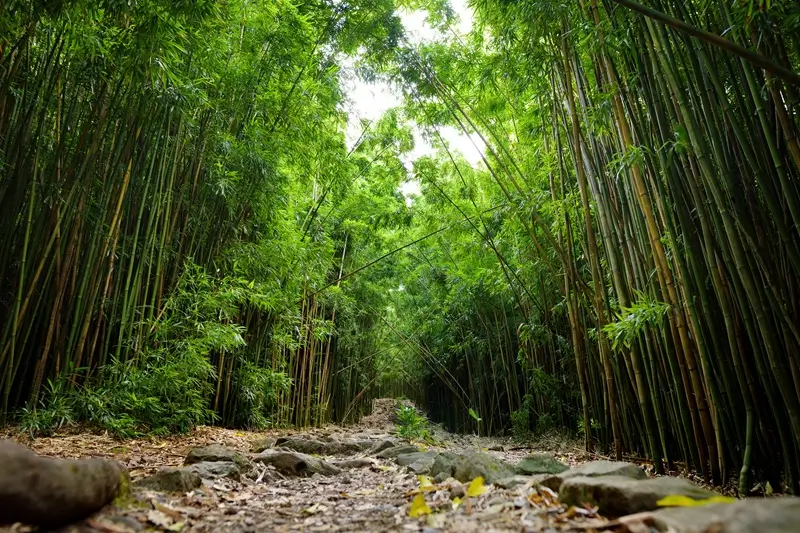
Pipiwai Trail Maui, also spelled Pīpīwai Trail, is a moderately strenuous 4-mile round-trip hike in Haleakalā National Park’s Kīpahulu District. Along the way, you’ll pass Makahiku Falls Overlook, a giant banyan tree, and a bamboo forest before reaching the Waimoku Falls viewpoint. Give yourself time to enjoy the scenery, bring sturdy shoes, water, and bug spray, and check park alerts before heading out.
Main takeaways:
Bamboo rustling overhead, a giant banyan tree, and waterfall views make Pipiwai Trail one of East Maui’s most memorable hikes. This guide covers what you’ll see, how to plan your visit, and what to bring so you can enjoy the trail without rushing.
Here’s a quick look at the distance, timing, highlights, and park entry details for your Pīpīwai Trail hike.
| Trail Detail | What To Know | Why It Matters |
|---|---|---|
| Location | Kīpahulu District of Haleakalā National Park | About 12 miles beyond Hāna; make the hike a main stop in your East Maui itinerary |
| Distance | About 4 miles round-trip | It’s an out-and-back route, so leave time and energy for the return walk |
| Elevation Gain | Roughly 800 feet | Expect uphill sections, roots, steps, and muddy or slippery surfaces |
| Difficulty | Moderately strenuous | Uneven footing and humid weather can make the hike feel more demanding |
| Time Needed | Allow about 3 to 4 hours for an unhurried hike with photo breaks | Driving, parking, and other sightseeing stops take additional time |
| Main Highlights | Makahiku Falls Overlook, giant banyan tree, bamboo forest, and Waimoku Falls viewpoint | Turning around at Makahiku Falls Overlook offers a shorter, roughly 1-mile round-trip option |
| Best Time To Hike | Morning, with enough time to finish in daylight | An early start leaves more time for breaks and the return drive, but rain can arrive at any time |
| Park Entry | Park entrance fees or a valid entrance pass apply | A standard private-vehicle entrance pass covers both the Summit and Kīpahulu districts for 3 days |
| Reservations | No separate reservation is required for a day hike on Pīpīwai Trail | The sunrise reservation applies to the Summit District, not this coastal hike |
| Safety Check | Check current park alerts and local weather before leaving | Heavy rain, flash flooding, rockfalls, and trail closures can affect access |
Note: Conditions can change quickly. Stay on the marked trail, follow posted signs and closures, and respect barriers at waterfall viewpoints.
Pipiwai Trail begins in Haleakalā National Park’s coastal Kīpahulu District, about 12 miles beyond Hāna. You’ll reach it via the Hāna Highway, not the road to Haleakalā’s summit. Make the hike a main part of your East Maui plans, not an extra stop after a full day of sightseeing.
Because Kīpahulu is beyond Hāna, use our Hāna overnight planning guide to compare lodging, food, fuel, and nearby attractions before adding the trail to your East Maui itinerary.
Park near the Kīpahulu Visitor Center and follow the signs to Pīpīwai Trail. Restrooms are available near the visitor center, but the park has no food or fuel for sale. Bring your supplies and download directions before leaving, since cell service in Kīpahulu is spotty.
Many hikes in Maui are beautiful, but the Pipiwai Trail is special. It has changing terrain, a green rainforest, and a bamboo forest that feels like a different world.
Let’s break down what makes this trail so epic:
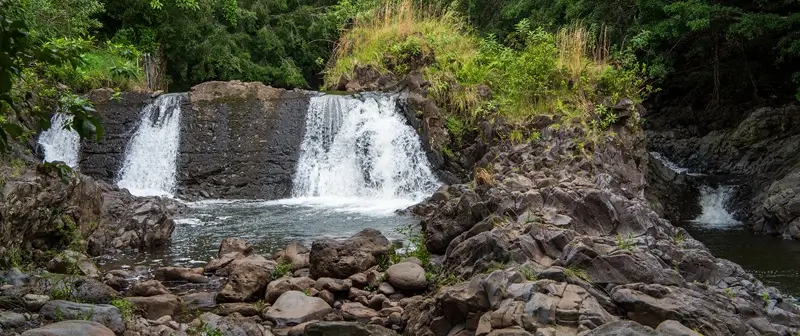
At about 0.5 miles into the hike, you’ll reach the Makahiku Overlook, your first big “wow” moment on the Pīpīwai Trail. From here, you get a scenic view into the valley and a glimpse of Makahiku Falls, a nearly 200-foot waterfall dropping through lush rainforest.
This is also a great turnaround point if you’re short on time: you’ll still get classic Pipiwai Trail scenery without committing to the full out-and-back to Waimoku. Turning around at the overlook makes this about a 1-mile round-trip hike, though the route still includes uphill sections, roots, and uneven footing.
Safety Note: Enjoy the falls from the overlook and stay on marked trails. This area is steep and can be slick after rain.
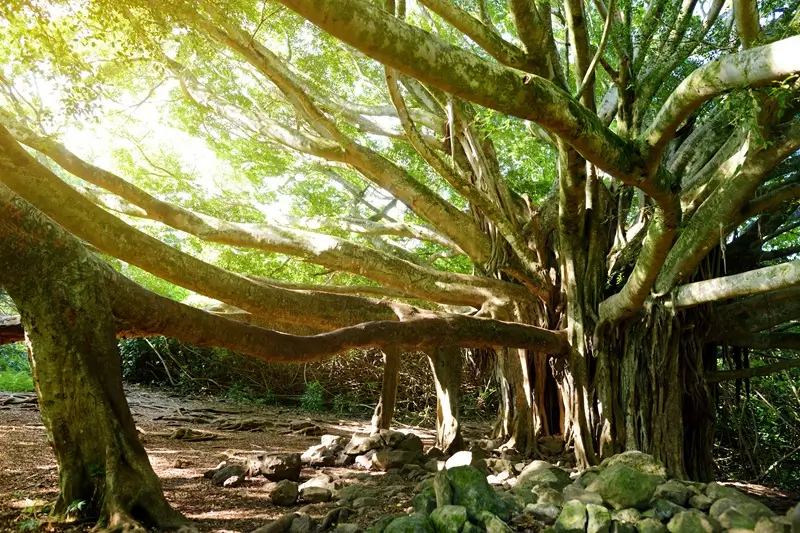
Beyond the Makahiku Falls overlook, you’ll reach a giant banyan tree with spreading branches and aerial roots. It’s a lovely place to pause for a photo while keeping the trail clear for other hikers.
About a mile into the hike, tall bamboo surrounds the trail, with stalks creaking and tapping together in the breeze. Boardwalk sections carry you through part of the forest, but the route also includes steps, rocks, and exposed roots. Take your time on wet surfaces and leave enough daylight for the return walk.
The trail’s final viewpoint looks toward Waimoku Falls, which drops roughly 400 feet down a green cliff face. Enjoy the view from the open, designated trail area and follow all posted signs and barriers. Don’t continue toward the waterfall’s base or enter closed areas for a closer photo, since falling rocks and flash floods are serious hazards here.
A morning start gives you more daylight for the hike and the winding drive back. Rain can arrive at any time in Kīpahulu, so check the forecast and park alerts rather than assuming an early start guarantees dry weather.
For an unhurried hike with photo breaks, allow about 3 to 4 hours on the trail, plus driving and any other stops. If you’re visiting from West or South Maui, keep your other Road to Hāna stops limited. An overnight stay in Hāna can give you more breathing room, but book your accommodation before the trip.
Ready to hit the trails? Awesome! Here are a few essential tips to ensure your hiking experience is safe, fun, and respectful.
When you hike in Hawaiʻi, you are a guest in a sacred place. Please practice the principles of Leave No Trace. For local etiquette and up-to-date visitor guidance, read our How to Visit Maui Responsibly in 2026 guide.
Still comparing Maui hikes? These guides can help you decide whether Pipiwai Trail is the right fit for your day.

The full hike is about 4 miles round-trip. The Waimoku Falls viewing area is about 2 miles from the trailhead (one way), with roughly 800 feet of elevation gain. Official trail details: NPS hiking page.
The trail starts in the Kīpahulu District of Haleakalā National Park, about 12 miles past Hāna on the Hāna Highway. For the drive plan, use our Road to Hāna guide.
Haleakalā National Park charges a standard entrance pass fee of $30 per private vehicle (valid for 3 days and covering both the Summit and Kīpahulu Districts). Motorcycles are $25, and walk-in/bike entry is $15 per person (age 16+). Confirm current pricing on the NPS Fees & Passes page.
No. The National Park Service states that the Pools of ʻOheʻo are not accessible due to safety concerns. The pools can be viewed safely from the Kūloa Point Trail. Details: NPS Kīpahulu District.
Pipiwai Trail is one of Maui’s most memorable hikes because it combines rainforest, bamboo, waterfalls, and Haleakalā National Park in one route. It’s worth the drive when you have enough time to enjoy the Kīpahulu District without rushing.
Start early, check current park alerts, stay on the marked trail, and give your Road to Hāna day plenty of breathing room.
Before you head out, check current trail conditions, park hours, entrance fees, weather, and Hāna Highway updates using these official resources.
© 2026 Maui Snorkeling | Sitemap | Disclaimer | Privacy Statement | Cookie Policy