Mākena Beach And Big Beach Maui Guide: Parking, Shorebreak, And Safety
July 28th, 2026
| Areas & Town Guides
Written by Maui Snorkeling, operating tours to Molokini Crater, Turtle Town, and Coral Gardens from Māʻalaea Harbor since 1985. Tours are led by USCG-licensed captains aboard a USCG-inspected passenger vessel.
Last updated September 1, 2026
Quick Answer
Big Beach Maui, officially listed as Oneloa at Mākena State Park and commonly called Makena Beach, is best for wide-open sand, long walks, picnics, photography, and dramatic South Maui views. It isn’t a dependable beginner swimming or snorkeling beach because steep shorebreak and strong currents can become dangerous. Check the warning signs and speak with a lifeguard before entering the water.
Main takeaways:
Best For: Beach walks, sunbathing, picnics, photos, wave watching, and sunsets
Main Hazard: Powerful waves can break directly onto the steep sandy shoreline and cause serious injuries
Current Hours: Big Beach is posted for 5:00 a.m. to 7:00 p.m. daily, with closing extended to 7:45 p.m. during May, June, and July
Current Fees: Nonresidents pay $5 per person plus $10 per vehicle, while Hawaiʻi residents with valid identification enter and park free
Lifeguards: Lifeguard coverage is generally scheduled daily from 8:00 a.m. to 4:45 p.m.
Snorkeling: Big Beach isn’t one of Maui’s best beginner snorkeling locations. Consider Makena Landing, Maluaka Beach, or a guided boat tour instead
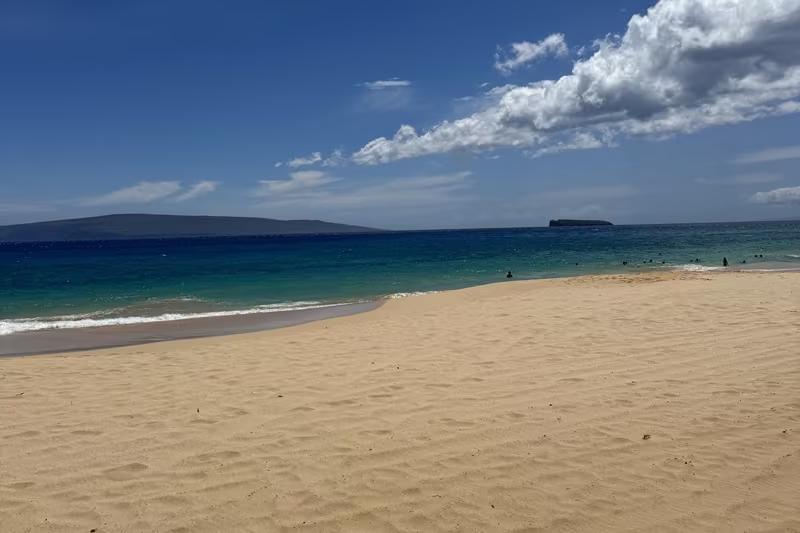
Big Beach Maui is the kind of place that makes the word “big” feel like an understatement. The shoreline is wide, the sand seems to stretch forever, and the blue South Maui water can look almost too perfect to be real.
Officially listed as Oneloa at Mākena State Park, this beach is also commonly called Mākena Beach or Makena Beach. All three names usually refer to the same broad sandy beach south of Wailea.
Big Beach is beautiful, but it isn’t a place where visitors should judge ocean safety by water color alone. The beach has a steep shoreline and is known for powerful shorebreak that can knock people down and cause serious injuries, even close to the water’s edge.
This guide covers Big Beach parking, current Mākena State Park fees and hours, lifeguards, facilities, swimming and snorkeling conditions, family considerations, nearby alternatives, and what to bring for a safer beach day.
What Is Big Beach Maui?
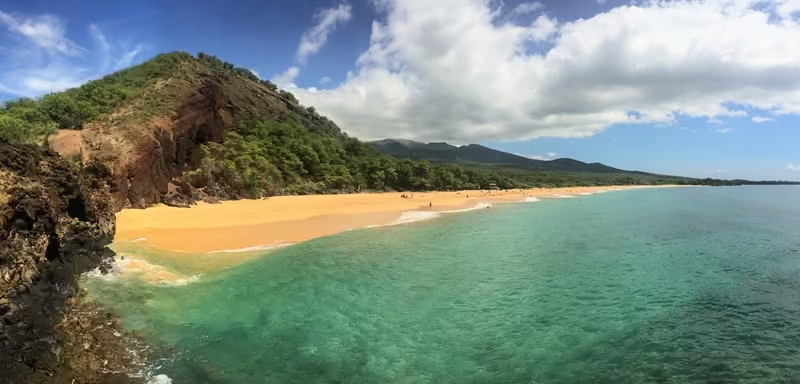
Big Beach is the largest sandy section of Mākena State Park, a protected wildland beach park on Maui’s southern coast. The state lists the beach as Oneloa, or Big Beach.
The beach is bordered by natural vegetation, lava formations, and the prominent Puʻu Ōlaʻi cinder cone. Unlike Maui’s resort beaches, there aren’t hotel towers, restaurant patios, or rows of rental cabanas lining the sand.
That undeveloped setting is one of Big Beach’s biggest attractions. You get a broad stretch of golden sand, open ocean views, and clear-day sightlines toward Molokini and Kahoʻolawe.
The beach is approximately 3,300 feet long and about 100 feet wide, giving visitors plenty of room to walk, relax, and spread out. Even on a busy day, Big Beach can feel less compressed than many smaller South Maui beaches.
Big Beach Maui Quick Facts
Here’s a simple look at Big Beach parking, fees, hours, facilities, swimming, snorkeling, and the safety details visitors should understand before heading to Mākena State Park.
Topic
Details
Official name
Oneloa, listed by Hawaiʻi State Parks as Oneloa, or Big Beach
Other names
Big Beach, Mākena Beach, and Makena Beach
Location
Mākena State Park in South Maui, south of Wailea
Best for
Long beach walks, sunbathing, picnics, photography, wave watching, open sand, and sunsets
Not best for
Beginner snorkeling, weak swimmers, small children in active shorebreak, or anyone seeking a protected reef cove
Beach size
Approximately 3,300 feet long and about 100 feet wide
Regular hours
5:00 a.m. to 7:00 p.m. daily from August through April
Summer hours
5:00 a.m. to 7:45 p.m. daily during May, June, and July
Entrance fee
Nonresidents currently pay $5 per person. Children age three and younger are free
Parking fee
Nonresidents currently pay $10 per noncommercial vehicle
Resident rate
Hawaiʻi residents enter and park free with a valid Hawaiʻi driver’s license or state identification card
Reservation
No timed visitor reservation is currently listed, but parking remains first come, first served
Lifeguards
Hawaiʻi Ocean Safety currently lists daily coverage from 8:00 a.m. to 4:45 p.m.
Facilities
Basic wildland park facilities with portable toilets near access areas. Don’t expect resort-style restrooms or reliable rinse showers
Drinking water
No drinking water is available, so bring enough for your entire group
Main hazard
Dangerous shorebreak, strong currents, sudden wave sets, and a steep sandy shoreline
Swimming
Only during genuinely calm conditions and after checking warning signs and speaking with a lifeguard
Snorkeling
Not a dependable beginner snorkeling beach. The sandy shoreline and strong shorebreak can make entry and exit difficult
Family tip
The sand is excellent for families, but the water may not be. Keep children beyond the reach of breaking waves
Nearby alternatives
Makena Landing for a small reef cove, Maluaka Beach for a different sandy entry, or a guided Maui snorkeling tour
Note: Park hours, fees, facility conditions, lifeguard staffing, parking access, and ocean hazards can change. Confirm current DLNR notices and speak with the lifeguard before entering the water.
Is Mākena Beach The Same As Big Beach?
In most visitor conversations, yes. Mākena Beach, Makena Beach, Big Beach, and Oneloa generally refer to the same long sandy beach inside Makena State Park.
The terminology can become confusing because Mākena is also the name of the broader South Maui area. The park contains multiple coastal sections, including:
Oneloa: The large sandy shoreline commonly called Big Beach or Mākena Beach
Puʻu Ōlaʻi Beach: The smaller area commonly called Little Beach
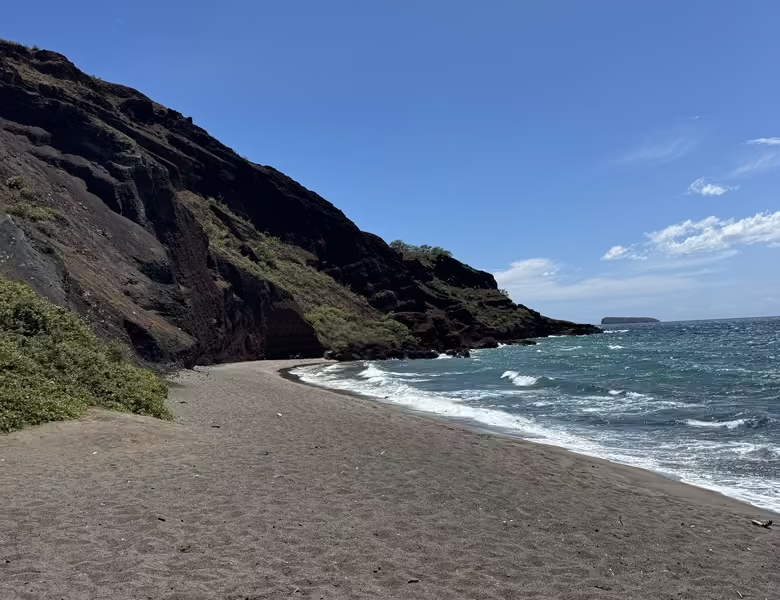
Oneʻuli: A separate dark-sand beach area commonly called Black Sand Beach
This guide focuses on Oneloa, or Big Beach.
Where Is Big Beach Maui?
Big Beach is in South Maui, south of Wailea and the main resort area. Continue along Mākena Road and follow the official signs for Mākena State Park.
Don’t confuse Big Beach with Makena Landing. Makena Landing is a much smaller cove used for snorkeling, diving, paddling, and kayak access. Big Beach is a wide, exposed sandy shoreline with a very different ocean entry.
Download directions before heading farther south because mobile service can become less dependable. Watch for park signs rather than following an unmarked social media pin or roadside trail.
Big Beach Maui Parking, Fees, And Hours
Mākena State Park currently charges separate entrance and parking fees for nonresidents. Hawaiʻi residents can enter and park free when they present a valid Hawaiʻi driver’s license or state identification card.
Current Big Beach Hours
August Through April: 5:00 a.m. to 7:00 p.m. daily
May, June, and July: 5:00 a.m. to 7:45 p.m. daily
These are the posted park hours for Oneloa, or Big Beach. Parking-lot gate access may follow separate posted times, so read the signs when you arrive and leave enough time to pack before the lot closes.
Current Entrance And Parking Fees
Nonresident Entrance Fee: $5 per person
Nonresident Parking Fee: $10 per noncommercial vehicle
Children Age Three And Younger: Free
Hawaiʻi Residents: Free with a valid Hawaiʻi driver’s license or state identification card
The official state park page currently allows visitors to pay at the parking kiosks or through the posted mobile-payment option. Bring a payment card and a charged phone in case one method works better than the other.
A timed visitor reservation isn’t currently listed for Big Beach, but the lots remain first come, first served. Check the official DLNR page before your trip because park systems and access procedures can change.
Big Beach Parking Tips
Use designated Mākena State Park parking spaces.
Pay the required entrance and parking fees.
Follow posted gate and lot hours.
Don’t block the road, gates, trails, or emergency access.
Don’t create a parking space on vegetation or in a no-parking area.
Take valuables with you and keep the vehicle interior clear.
Keep a backup beach plan in case the lots are full.
Mākena State Park is a wildland beach park, so its amenities are much more limited than those at a resort beach or a fully developed county park.
Current facility information indicates that portable toilets are available near the park entrances, but visitors shouldn’t expect permanent resort-style restrooms, outdoor rinse showers, or drinking fountains. The official state park page specifically says that drinking water isn’t available.
Bring all the water your group will need. Don’t assume you’ll be able to refill bottles after arriving.
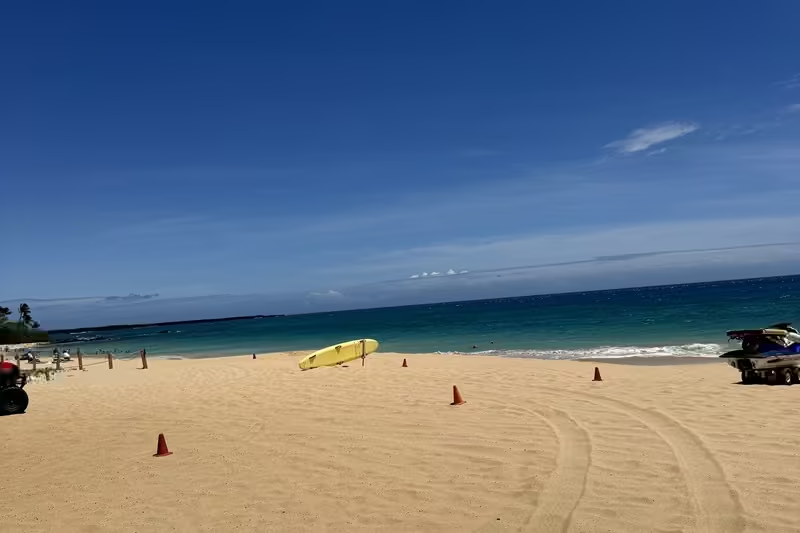
Hawaiʻi Ocean Safety currently lists lifeguard coverage at Mākena State Park seven days a week from 8:00 a.m. to 4:45 p.m. Lifeguard availability can still be affected by staffing, emergencies, and changing conditions, so confirm that the tower is staffed when you arrive.
Speak with a lifeguard before swimming, especially when:
Waves are breaking hard at the shoreline.
Warning signs or hazard flags are posted.
The water looks turbulent or fast-moving.
You’re traveling with children or weak swimmers.
You’re unfamiliar with Hawaiian shorebreak.
Why Big Beach Shorebreak Is So Dangerous
Shorebreak occurs when waves break directly onto the shoreline instead of breaking farther offshore. Big Beach has a steep sandy slope, which can allow a wave’s energy to reach the beach with considerable force.
A wave doesn’t need to look enormous to cause an injury. Strong shorebreak can knock someone off balance, drive them into hard-packed sand, and injure the head, neck, back, shoulders, or limbs.
Hawaiʻi Ocean Safety has specifically highlighted Makena Beach in its spinal-cord-injury guidance. State data from 2009 through 2017 identified Big Beach as the location with the most reported spinal cord injuries during that period.
That warning isn’t meant to ruin the beach day. It’s meant to prevent the very real mistake of assuming that shallow water is automatically safe.
Stay out when dangerous shorebreak warnings are posted.
Don’t dive headfirst into breaking waves.
Don’t turn your back on an active shoreline.
Keep children beyond the reach of strong waves.
Don’t assume that a temporary lull means the surf is finished.
Follow lifeguard instructions immediately.
Even wading can be dangerous when waves are breaking hard at the waterline. When in doubt, stay on the sand.
Big Beach can allow swimming during genuinely calm conditions, but it isn’t a consistently easy swimming beach.
The official state park description lists swimming during calm seas. The important part of that sentence is during calm seas.
When shorebreak, current, or surf increases, swimming can become dangerous quickly. Weak swimmers, inexperienced ocean visitors, and children shouldn’t enter simply because other people are in the water.
A safe-looking swimmer may be more experienced, may know the beach, or may be taking a risk you can’t see from the sand. Other visitors aren’t a replacement for warning signs or lifeguard guidance.
Big Beach is still worth visiting when swimming isn’t recommended. Make it a walking, photography, picnic, and wave-watching day instead.
Is Big Beach Maui Good For Snorkeling?
Big Beach isn’t one of Maui’s best beginner snorkeling beaches.
The main shoreline is broad and sandy rather than a protected reef cove. More importantly, shorebreak can make entering and exiting with a mask, snorkel, and fins difficult or unsafe.
Even when the offshore water looks clear, you still need a safe way to get through the shoreline break and return to the beach. A calm-looking section of water can change as a new wave set arrives.
Snorkeling should be skipped when:
Waves are breaking hard onto the sand.
The water is murky or full of suspended sand.
Current is moving along or away from the beach.
The lifeguard recommends staying out.
You’re uncomfortable with the entry or exit.
You aren’t able to swim independently in deep water.
For a more reef-focused South Maui shore snorkel, compare Makena Landing and Maluaka Beach. Both still depend on daily conditions, but they offer a different shoreline setup than the broad sandy face of Big Beach.
Big Beach can be excellent for a family sand day, but it isn’t automatically a family swimming beach.
Children may love the open space for walking, sand play, picnics, and photos. Parents need to be much more cautious near the water because even shallow shorebreak can knock a child down.
For a family visit:
Set up well above the wet-sand line.
Ask the lifeguard about current conditions.
Keep young children within arm’s reach near the shoreline.
Don’t let children play unattended in breaking waves.
Bring plenty of water, shade, food, and sun protection.
Have a calmer backup beach ready.
If your priority is easier family facilities and a more developed park setup, compare the three options in our Kamaole Beach Park Guide.
Best Things To Do At Big Beach Maui
Walk The Wide Shoreline
Big Beach is one of South Maui’s best places for a long sandy walk. Go earlier in the day, before the sand becomes extremely hot, and bring footwear for the walk from the parking area to your beach setup.
Plan A Beach Picnic
The wide sand and natural surroundings make Big Beach a great picnic stop. Bring food, cold water, and a trash bag rather than relying on a food truck to be open at a particular time.
Keep food secured because wind can send wrappers and napkins across the beach faster than anyone wants to chase them.
Watch Experienced Bodyboarders
Visitors may see experienced riders boogie boarding at Big Beach Maui when waves are breaking. Watching from a safe position on the sand can be impressive, but the powerful shorebreak makes this a poor place for beginners to learn.
Don’t treat another person’s skill as proof that the conditions are appropriate for you. Check the warning signs, speak with a lifeguard, and stay out of the water when dangerous shorebreak is present.
Take Wide-Angle Beach Photos
The combination of golden sand, blue water, Puʻu Ōlaʻi, natural vegetation, and open South Maui views makes Big Beach an excellent location for photography.
For the cleanest images, visit early when there are fewer footprints and the light is softer. Keep camera equipment away from breaking waves and blowing sand.
Watch The Sunset
Big Beach can be beautiful near sunset, especially when the sky lights up behind the South Maui coastline.
Check the seasonal closing time before settling in for the evening. Pack early enough to cross the sand, reach your vehicle, and leave before the parking gate closes.
Don’t enter the ocean after lifeguards leave or when fading light makes wave sets harder to judge.
Best Time To Visit Big Beach Maui
Morning is usually the most practical time to visit. Temperatures are cooler, the sand is easier to cross, parking is less stressful, and you can speak with a lifeguard once scheduled coverage begins.
A useful visitor window is often between 8:00 and 10:30 a.m., but the best time still depends on the day’s surf, wind, weather, and warning level.
There’s no guaranteed safe Big Beach season. Our guide to how south swells affect South Maui beaches explains why swell direction, height, and period can increase shorebreak, currents, and suspended sand at exposed beaches such as Big Beach. Winter swells, Kona weather, wind, and changing currents can also affect the shoreline.
Choose the day based on current conditions, not a general monthly rule. Check our Maui Snorkel Conditions Guide before planning any ocean activity.
Ready to snorkel Maui?
Snag your spot on a Maui Snorkeling Tour! Make your ocean day easy with snorkel gear, food, crew support, and simple online booking.
Best visibility: Morning Tour at Molokini Crater & Turtle Town
Mākena State Park contains three distinct beach areas. They shouldn’t be treated as interchangeable names for one shoreline.
Oneloa, Or Big Beach
This is the broad sandy beach covered in this guide. It’s best known for long walks, dramatic scenery, open sand, powerful shorebreak, and lifeguarded daytime access.
Puʻu Ōlaʻi, Or Little Beach
Little Beach is a separate, smaller beach near Puʻu Ōlaʻi. It has different weekend hours from Big Beach. The current state schedule lists Saturday and Sunday access from 5:00 a.m. to 4:00 p.m., with weekday access from 5:00 a.m. to 7:00 p.m.
Follow the posted route, current rules, and closing times rather than depending on an older guidebook or social media post.
Oneʻuli, Or Black Sand Beach
Oneʻuli is a separate dark-sand shoreline within the state park system. It has different access and a more rugged setting than Big Beach.
If Big Beach is your goal, follow the Oneloa or Big Beach signs instead of assuming every Mākena State Park entrance reaches the same place.
Big Beach, Little Beach, And Oneʻuli Compared
These three South Maui beaches sit close together in the Mākena area, but they offer very different experiences. Use this quick comparison to choose the beach that best fits your group, activity, and comfort level.
Big Beach, Little Beach, and Oneʻuli comparison
Feature
Big Beach
Little Beach
Oneʻuli
Also Called
Mākena Beach, Oneloa Beach
Little Beach
Oneʻuli Beach, Black Sand Beach
Best For
Scenery, long beach walks, picnics, photography, open sand, and dry beach days
A smaller cove, scenic views, sunbathing, and a short visit during posted access hours
Volcanic scenery, dark sand, shoreline views, and a short scenic stop
Sand And Setting
Wide golden sand beach with an open shoreline
Smaller sandy cove beyond the hill at the north end of Big Beach
Dark volcanic sand and pebbly shoreline at the base of Puʻu Olaʻi
Swimming
Possible, but conditions can become dangerous quickly because of shorebreak
Possible, but conditions can also be rough and change fast
Usually better approached cautiously because entry can be rockier and surf can still be strong
Snorkeling
Usually not recommended. This isn't one of Maui’s better snorkel beaches.
Not usually a top snorkeling choice
Possible only during genuinely calm conditions, but the rocky entry, surge, and limited facilities make it a poor choice for beginners
Ocean Conditions
Known for strong shorebreak and powerful waves
Variable conditions with less space and less protection
Often rocky at entry with variable visibility and surge
Good For Families?
Not usually the best choice for young kids if surf is up
Less ideal for families because of the access and more secluded setting
Better for older kids or adults who want scenery, not usually the first pick for a casual family swim day
Access
Easy access from the main Mākena State Park parking area
Reached by walking to the north end of Big Beach and crossing over the hill
Separate access area near the cinder cone side of the park
Facilities
Main beach area with parking, portable restrooms, and lifeguards during posted hours
No dedicated facilities on the beach itself
More limited setup than Big Beach
Best Visit Type
Classic beach stop for scenery and time on the sand
Short stop for visitors looking for a quieter nearby beach
Add-on stop for visitors interested in black sand and a different coastal setting
Main Caution
Strong shorebreak can cause serious injuries
Less accessible and still exposed to changing surf
Rockier entry, darker sand that gets hot, and variable ocean conditions
Oneʻuli is the dark-sand beach area within Mākena State Park and is separate from Big Beach.
Big Beach Vs Makena Landing Vs Maluaka Beach
These South Maui beaches are close enough to appear in the same travel plans, but they’re useful for different reasons.
Choose Big Beach When
You want a wide natural beach.
You’re planning a walk, picnic, photo stop, or sunset.
You’re comfortable making it a dry beach day when shorebreak is strong.
Snorkeling isn’t the main goal.
Choose Makena Landing When
You want a small cove and nearby reef structure.
You’re visiting during a calm morning.
You understand that kayaks and ocean groups use the same access area.
You want snorkeling rather than a large sandy beach.
Choose Maluaka Beach When
You want a wider beach with a generally simpler sandy entry.
You’re interested in the broader Turtle Town area.
You want beach time and possible reef snorkeling when conditions are calm.
You still plan to check wind, waves, current, and visibility before entering.
No South Maui beach is safe every day. Keep all three as options and choose according to current conditions.
What To Bring To Big Beach
Plenty Of Water: The state park doesn’t provide drinking water.
Shade: Bring a beach umbrella or sun shelter that can be secured against wind.
Sun Protection: Use a hat, sunglasses, UPF clothing, and mineral sunscreen.
Food And Snacks: Don’t depend on nearby vendors being open.
Beach Chairs: The walk across deep sand can be tiring, so pack only what your group can comfortably carry.
Footwear: Sand and parking-area surfaces can become extremely hot.
Payment Method: Bring a payment card and a charged phone for park fees.
Trash Bag: Pack out your waste if nearby receptacles are full.
Dry Clothes: There may not be a shower available before you leave.
Backup Plan: Choose another beach or activity if parking is full or the ocean is unsafe.
Big Beach Rules And Responsible Visiting
Current park guidance prohibits activities including alcohol, camping, fire pits, cliff jumping, and smoking. Follow every posted state park rule because signs and restricted areas can change.
Pay the required entrance and parking fees.
Use designated access routes and parking spaces.
Don’t jump from rocks or cliffs.
Don’t light fires or leave hot coals.
Don’t bring alcohol into the state park.
Keep music at a respectful volume.
Don’t damage vegetation or dunes.
Pack out trash when bins are unavailable or full.
Follow lifeguard warnings and closure signs.
Leave wildlife alone and never feed animals.
Big Beach remains special because it still feels natural. Treating the park carefully helps preserve that experience for residents and future visitors.
Easy South Maui Stops Near Big Beach
Big Beach works well as part of a South Maui day, but don’t turn the itinerary into a race between beaches.
Nearby options include:
Maluaka Beach for a different sandy shoreline and access to the broader Turtle Town area
Makena Landing for a smaller cove and possible calm-water reef snorkeling
South Maui for more beaches, food, walks, and visitor planning ideas
If Big Beach conditions are unsafe, don’t automatically move to the next shoreline and enter without checking. Wind and swell can affect several nearby beaches at the same time.
For a broader island-wide comparison, use our Maui Beaches Guide to compare Big Beach with Maui’s best beaches for snorkeling, families, swimming, scenery, and easier facilities.
FAQs
Yes, in most visitor conversations. Big Beach, Makena Beach, Mākena Beach, and Oneloa generally refer to the same large sandy beach inside Mākena State Park.
Nonresidents currently pay a $5 entrance fee per person plus $10 per noncommercial vehicle. Children age three and younger are free. Hawaiʻi residents enter and park free with valid Hawaiʻi identification.
A timed visitor reservation isn’t currently listed for Big Beach. Parking is first come, first served, and entrance and parking fees apply to nonresidents. Check the official state park page before visiting because procedures can change.
Big Beach is currently posted for 5:00 a.m. to 7:00 p.m. daily. During May, June, and July, the posted closing time is extended to 7:45 p.m. Follow the parking-lot gate times shown when you arrive.
Swimming may be possible during genuinely calm conditions, but Big Beach is known for dangerous shorebreak and strong currents. Read the warning signs and speak with a lifeguard before entering. Stay out when waves are breaking hard onto the sand.
Big Beach isn’t one of Maui’s best beginner snorkeling locations. The main shoreline is sandy, and strong shorebreak can make entering and exiting difficult. Makena Landing and Maluaka Beach are usually better places to consider when conditions are calm.
Yes. Hawaiʻi Ocean Safety currently lists lifeguard coverage at Mākena State Park seven days a week from 8:00 a.m. to 4:45 p.m. Staffing can change, so confirm that the tower is active when you arrive.
The wide sand is excellent for walking, picnics, and sand play, but the water may not be appropriate for young children. Strong shorebreak can be dangerous even in shallow water. Keep children beyond the reach of waves and ask a lifeguard about conditions.
Facility conditions are basic. Portable toilets are generally available near park access areas, but visitors shouldn’t expect resort-style bathrooms or reliable outdoor showers. The park doesn’t provide drinking water.
Big Beach is the long sandy Oneloa shoreline. Little Beach, also called Puʻu Ōlaʻi Beach, is a separate smaller beach with different weekend hours and its own access rules. This guide focuses on Big Beach.
Final Thoughts On Big Beach Maui
Big Beach Maui is one of the island’s most impressive stretches of sand. It’s wide, undeveloped, photogenic, and surrounded by the kind of open South Maui scenery that makes visitors stop talking for a minute and simply look around.
It also deserves more respect than its bright blue water may suggest. Powerful shorebreak can make swimming, wading, bodyboarding, and snorkeling dangerous, even when the waves don’t appear especially large.
Go for the sand, scenery, walk, picnic, photos, and sunset. Check the signs, speak with a lifeguard, and be completely willing to stay out of the water.
The best Big Beach day isn’t the one where you force an ocean activity. It’s the one where everyone leaves safely, happily, and with far less sand in the car than expected.
Sources & Updates
Use these trusted resources to confirm Mākena State Park hours, entrance and parking fees, facility updates, lifeguard coverage, shorebreak warnings, water quality, and current marine conditions before visiting Big Beach.

.jpg)