Written by
Maui Snorkeling, operating tours to Molokini Crater, Turtle Town, and Coral Gardens from Māʻalaea Harbor since 1985. Tours are led by USCG-licensed captains aboard a
USCG-inspected passenger vessel.
Quick Answer
Honolua Bay Maui combines a shaded forest walk, dramatic coastal views, and protected reef habitat within the Honolua-Mokulēʻia Marine Life Conservation District. Snorkeling can be excellent when the ocean is calm and clear, but plan for a rocky entry, limited parking, and basic facilities. Leave a little flexibility in your day so you can enjoy the scenery even if snorkeling isn’t suitable.
Main takeaways:
-
Best Time To Go: Late spring through summer mornings often offer favorable conditions, but check the day’s surf, wind, and water quality.
-
Parking: Roadside parking is limited. Use legal spaces, follow posted signs, and keep roads and entrances clear.
-
Access: A short forest trail leads to a rocky shoreline. Expect uneven footing and muddy or slippery patches after rain.
-
Snorkeling Fit: Best for experienced ocean swimmers who can swim independently, feel comfortable in deep water, and manage a rocky entry and exit.
-
Keep Plans Flexible: Don’t snorkel during rough surf, strong winds, or a water-quality advisory, or when the water is brown or murky. Clear-looking water alone doesn’t confirm safe conditions.
-
Good To Know: There are no lifeguards or showers. Portable toilets are provided near the entrance, but facilities are limited, so bring drinking water and your own gear.
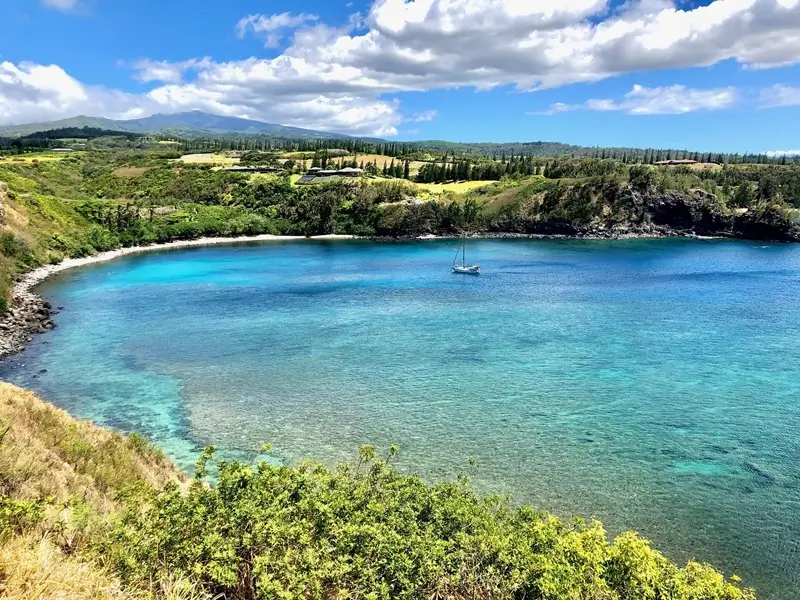
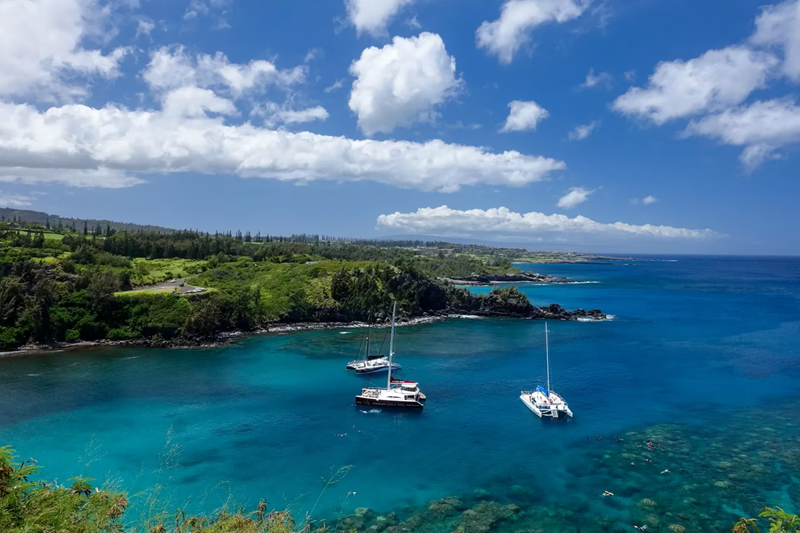
Honolua Bay is one of West Maui’s most beautiful coves and, on calm days, a standout for snorkeling. It sits inside the Honolua-Mokulēʻia Marine Life Conservation District, which protects coral and marine life and restricts fishing, collecting, and damaging activities.
Honolua’s appeal goes beyond snorkeling. The shaded forest walk and coastal views make it a memorable West Maui stop, even when you leave your snorkel gear in the car.
Do You Need A Reservation For Honolua Bay?
DLNR’s current visitor information doesn’t list an advance-entry reservation requirement for Honolua Bay. Community-led stewardship efforts are developing, so check DLNR and Save Honolua Coalition updates before your visit for any changes to access or parking.
Parking is limited. Follow posted signs, keep entrances clear, and choose another stop if you can’t find a legal space.
Where Is Honolua Bay on Maui?
Honolua Bay sits on Maui’s northwest coastline about five minutes north of Kapalua. Drivers typically watch for mile marker 32–33 along Honoapiʻilani Highway and the one-lane bridge just beyond the bay; nearby are a small dirt lot and shoulder parking areas. The Honolua Bay lookout pull-offs on the bluffs give a panoramic view of the cove and surf points, perfect for checking conditions before you commit to the hike down.
Honolua Bay Parking
Honolua Bay parking is limited to roadside pullouts and small shoulder areas near the highway. Arrive early, park only where it’s legal, keep your vehicle fully off the road, and don’t leave valuables visible in your car. If the closest pullouts are full, keep going and look for another legal spot.
Honolua Bay Access Trail
From the highway pullout, the Honolua Bay access trail winds through a lush, shaded “enchanted” forest to the bay. It’s a short, mostly flat walk, but expect roots, mud after rain, and occasional slick spots. Stay on the main corridor, and respect posted signs and private lands adjoining the path. Closed-toe sandals or sturdy water shoes are a good idea.
You’ll emerge at a rocky shoreline (not a sunbathing beach). Entries are over boulders or via an old, sometimes-slippery cement ramp. Take your time and never stand on coral.
Is Honolua Bay Good for Snorkeling and Swimming?
On a calm, clear day, Honolua Bay can be a wonderful place to watch colorful reef fish and explore Maui’s underwater scenery. It’s a rocky-entry snorkeling spot, not a sandy beach for casual swimming.
- Know your comfort level: Snorkeling here suits experienced ocean swimmers who can swim independently, feel comfortable in deep water, and manage a rocky entry and exit. There’s no lifeguard.
- Check the whole picture: Review surf, wind, water-quality advisories, and posted warnings. Calm-looking water alone doesn’t confirm that conditions are suitable.
- Skip runoff: Don’t enter brown or murky water after rain, and don’t swim farther out to look for clearer water. There isn’t a fixed waiting period that guarantees the bay is ready for swimming again.
- Keep your outing manageable: Go with a buddy, keep enough energy for the return swim, and leave the water before you’re tired.
If the entry or conditions don’t feel right, you can still enjoy Honolua’s forest walk and coastal scenery without getting in.
Honolua Bay Lookout: How To Check Conditions First
The Honolua Bay lookout offers a beautiful view of the cove and its surf breaks. Stop only where parking is permitted, keep clear of traffic, and stay well back from cliff edges. Breaking waves or discolored water are reasons to skip snorkeling, but blue water doesn’t guarantee safe conditions. Review the forecasts below and reassess conditions at the shoreline before deciding whether to enter.
Honolua-Mokulē‘ia MLCD Rules
MLCD protections: No fishing or collecting; don’t touch or remove coral, sand, rocks, or any marine life.
Wildlife Viewing Distances:
- Sea turtles: stay ≥10 ft (3 m) away - on land and in water.
- Spinner dolphins: federal law prohibits swimming with, approaching, or remaining within 50 yards; applies within 2 nautical miles of the main Hawaiian Islands.
- Humpback whales: remain ≥100 yards away by any means.
- Hawaiian monk seals: NOAA recommends staying at least 50 feet away, or 150 feet from mothers with pups. Respect posted barriers and give seals a clear path to the water.
Sunscreen law (Maui County): only mineral sunscreens (zinc oxide or titanium dioxide) are allowed without a prescription. The county ordinance bans the sale, distribution, and use of non-mineral sunscreens.
What to do if Honolua Bay is rough or murky
If Honolua isn’t suitable for snorkeling, there’s still plenty to enjoy nearby. Pick a meal in Kapalua or Napili, browse local shops, or save your ocean adventure for another day. Enjoy coastal views only from permitted areas well away from breaking waves and cliff edges.
Conditions can differ around Maui, but another beach or boat tour isn’t automatically a suitable alternative. Boat trips also depend on weather and ocean conditions and may change routes or be canceled.
Honolua Bay's rocky entry isn't right for every group. Compare it with easier shore entries and supported boat options in our guide to 12 Maui snorkeling spots.
Marine life you might see
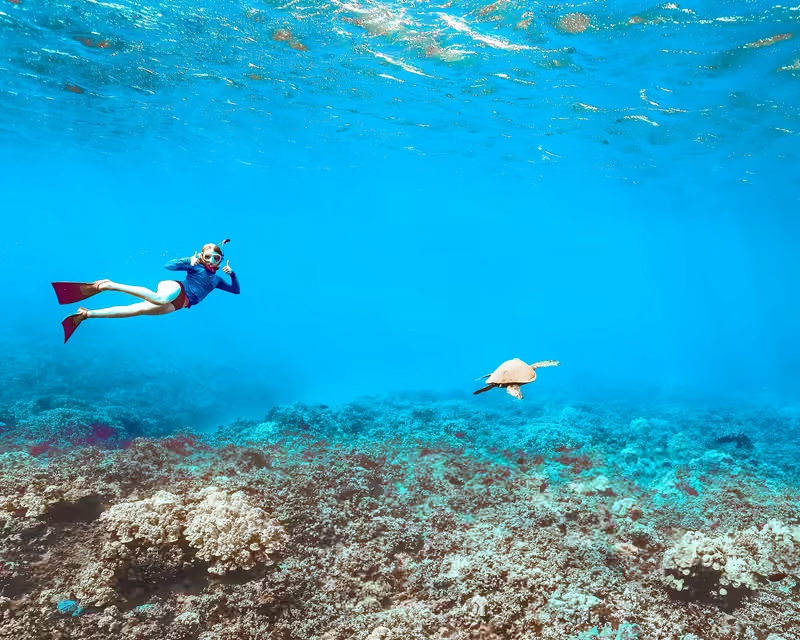
On good-visibility days, expect a variety of surgeonfish, butterflyfish, parrotfish, goatfish, and (with luck) honu gliding by. Reef structure appears in spur-and-groove formations near the bay’s mouth, with shallower ledges along the flanks. Remember: look, don’t touch, and never stand on coral to adjust gear.
Best Time to Visit Honolua Bay
- Best months: Late spring through summer for calmer seas; winter is often surf season here.
- Best time of day: Early morning for wind/visibility.
- Avoid: After heavy rain (runoff), high surf advisories, or any day you’re not 100% confident in the entry/swim.
Note: Before planning a winter visit, read our Maui north swell guide to understand how incoming swell can change snorkeling conditions at Honolua Bay. Also, check out our Best Time to Snorkel Maui (Month-by-Month) guide.
Where to Eat and Stay Near Honolua Bay
After exploring Honolua Bay, head toward Kapalua or Napili for something delicious. Honolua Store is a convenient stop for coffee, sandwiches, and plate lunches, while Sea House Restaurant offers lunch with views of Napili Bay.
If breakfast is part of your plan, The Gazebo is known for its macadamia nut pancakes. For an afternoon meal or a special dinner, consider Merriman’s Kapalua overlooking Kapalua Bay. Check current menus and hours before heading over, and reserve ahead for dinner.
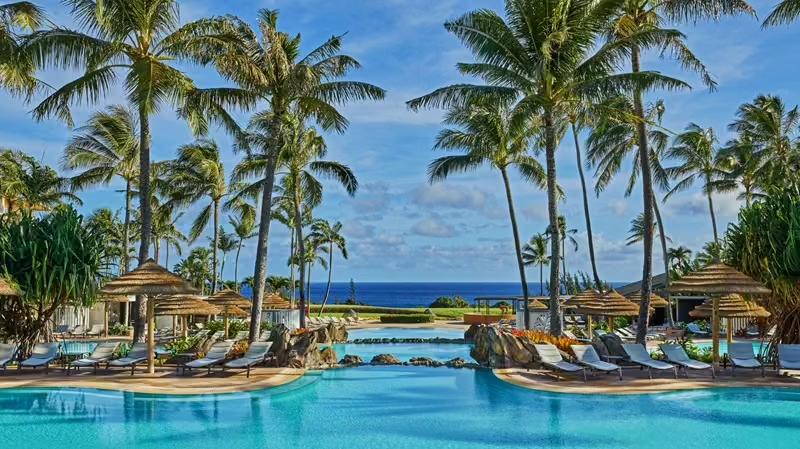
For accommodations, you’ll find several beautiful resorts and vacation rentals nearby. The Ritz-Carlton Maui, Kapalua offers luxury amenities, ocean-view pools, and a perfect base for exploring Honolua Bay and other West Maui highlights.
Napili Kai Beach Resort offers a relaxed setting beside Napili Bay. For spacious, residence-style accommodations, consider The Resort at Kapalua Bay, Maui, formerly Montage Kapalua Bay. Kahana also has condo options worth comparing if you’d like a kitchen or a different price point.
Final Thoughts
Honolua Bay, Maui, stands out as one of Maui’s most stunning natural treasures, a place where lush rainforest meets vibrant reef. Whether you come for snorkeling, photography, or simply to admire the view from the lookout, the experience feels like stepping into a living postcard. Respecting its marine life, following local rules, and exploring responsibly ensure this protected bay stays healthy for generations to come.