

Written by the Maui Snorkeling team, operating Molokini Crater, Turtle Town, and Coral Gardens tours out of Maʻalaea Harbor since 1985. Tours are led by USCG‑licensed captains aboard a USCG‑inspected passenger vessel. We spend more days in these waters than on land.
Last updated: February 2026
Quick Answer: The Pipiwai Trail is a moderate, roughly 4-mile round-trip hike in the Kīpahulu District of Haleakalā National Park (past Hāna on the Road to Hāna), best known for rainforest scenery, a bamboo forest boardwalk, and the Waimoku Falls viewpoint.
Main Takeaways:
- Trail Length: About 4 miles round-trip
- Elevation Gain: Approximately 800 feet
- Difficulty Level: Moderate
- Time to Complete: 2–3 hours (longer if you’re taking lots of pictures—which you will)
- Park Entry Fee: $30 entrance fee per vehicle (valid for 3 days at both Kīpahulu and the Haleakalā summit)
- Short on Time? Hike the first section to see the giant banyan tree or Makahiku Falls, then turn back.
Ready to lace up your hiking shoes and venture into the heart of East Maui? The Pipiwai Trail in Maui is among visitors’ favorite hikes on the island, and is a must-do adventure! It’s worth the drive for its tall bamboo forests, giant banyan trees, and stunning waterfalls. Walking the trail feels like stepping into a jungle fairy tale.
If you’re looking for one of the best hikes in Maui, Pipiwai Trail is a top contender. It’s scenic, it’s unique, and it delivers unforgettable views every step of the way. Whether you love hiking or just want a fun break from the beach and snorkeling, this trail should be on your Maui bucket list.
Here’s what you need to know before starting the trail. We’ll cover how to get there, what to expect, and why you’ll love this famous Maui hike!
Pipiwai Trail Maui Overview: Bamboo Forest and Waimoku Falls
If there’s one hike that tops every list, it’s the Pipiwai Trail, on the island of Maui. The trail sits in the Kīpahulu District of Haleakalā National Park, about 12 miles past Hāna. Getting there is part of the adventure. You’ll drive the famous Hāna Highway (Road to Hāna), which offers amazing views. Trust us, the reward at the end is more than worth it.
Once you reach Kipahulu, you’ll find the trailhead easy to access with a parking lot right at the start. Look mauka (towards the mountains), and let the excitement build! The lush landscape ahead sets the tone for an unforgettable day of waterfalls, nature, and beautiful views!
1-Minute Guide: If you’re only going to read one section, read this.
Verified with NPS Fees & Passes, NPS Hiking (Pīpīwai Trail), NPS Kīpahulu District, and NPS Alerts & Conditions. Last checked: Feb 11, 2026.
- Where: Kīpahulu District of Haleakalā National Park (about 12 miles past Hāna on the Hāna Highway / Road to Hāna).
- Trail stats: Out-and-back to the Waimoku Falls viewing area after ~2 miles (one way), with ~800 ft of elevation gain (about 4 miles round-trip).
- What you’ll see: giant banyan tree → Makahiku Falls overlook → bamboo forest boardwalk → Waimoku Falls viewpoint.
- Bring: water, sunscreen, mosquito repellent, and sturdy shoes (and a light rain layer—this area can be wet/muddy).
- Important logistics: There’s no gas/food/supplies inside the park, and entrance fees are cashless (bring a credit/debit card). Fuel up and pack snacks before you drive out.
- Safety: Flash floods and rockfalls can occur—follow all posted signs and stay out of closed areas.
- Check before you go: Haleakalā NPS Alerts & Conditions
Pipiwai Trail Highlights: Banyan Tree, Bamboo Forest and Waimoku Falls
Many hikes in Maui are beautiful, but the Pipiwai Trail is special. It has changing terrain, a green rainforest, and a bamboo forest that feels like a different world.
Let’s break down what makes this trail so epic:
1. The Giant Banyan Tree
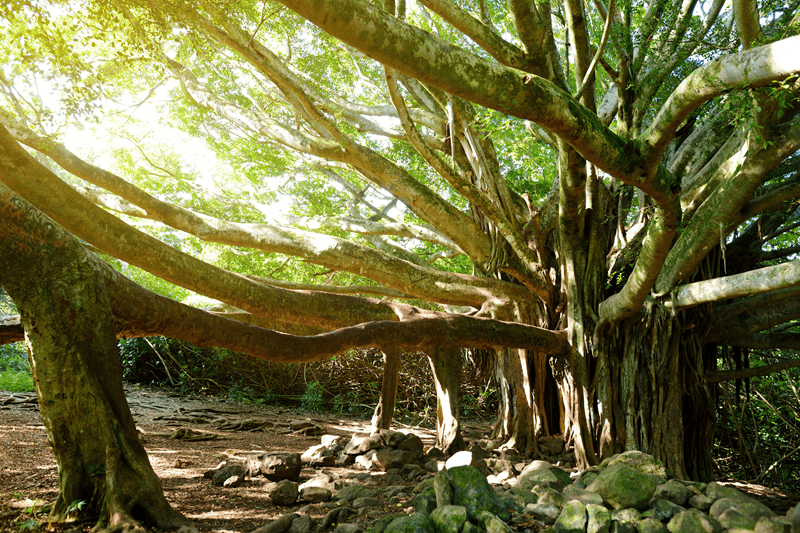
About half a mile into the hike, you’ll see a giant banyan tree that looks like it came from a fantasy movie. Its thick, winding branches stretch in every direction, creating a canopy that seems to breathe with the forest.
Pro tip: Stop here for a breather and a few photos—you’ll want to capture this one.
2. Makahiku Falls Overlook (.5 mile in)
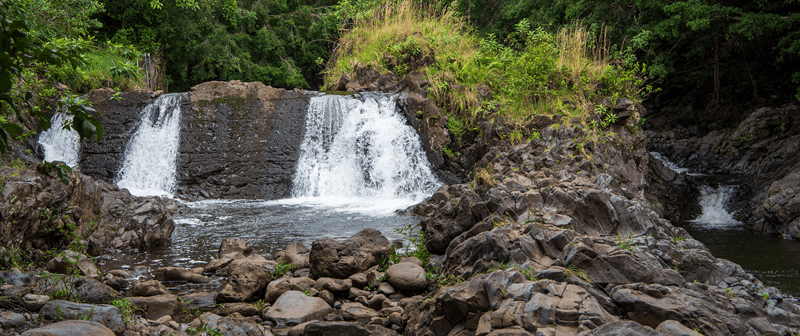
At about 0.5 miles into the hike, you’ll reach the Makahiku Overlook—your first big “wow” moment on the Pīpīwai Trail. From here, you get a scenic view into the valley and a glimpse of Makahiku Falls, a nearly 200-foot waterfall dropping through lush rainforest.
This is also a great turnaround point if you’re short on time: you’ll still get classic Pipiwai Trail scenery without committing to the full out-and-back to Waimoku.
Safety note: enjoy the falls from the overlook and stay on marked trails—this area is steep and can be slick after rain.
3. Bamboo Forest Boardwalk (about 1 mile in)
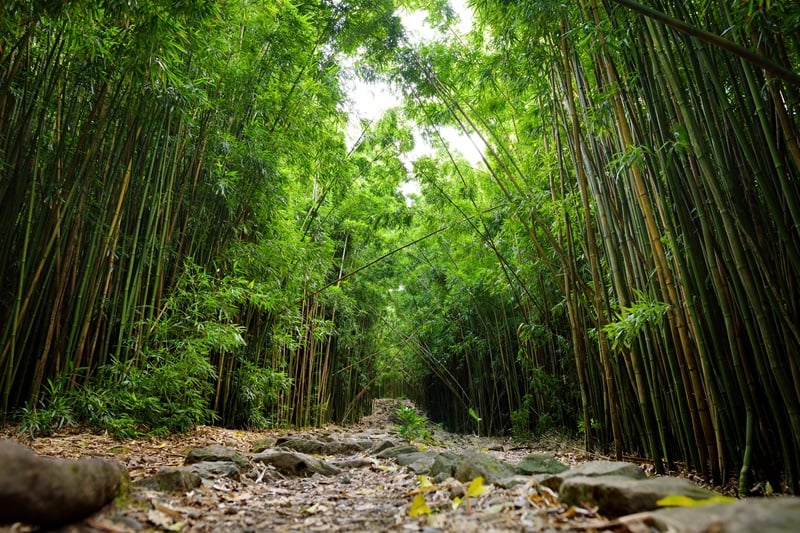
One of the biggest highlights of the Pipiwai Trail, Maui is the bamboo forest. This part of the hike leaves visitors speechless. Thousands of the towering green stalks sway and creak with the wind, making an almost musical sound. A raised boardwalk winds through the forest, making it easy to walk and even easier to stop and stare in awe.
If you’re hiking early or late in the day, the light filtering through the bamboo is absolutely magical.
4. Waimoku Falls Viewpoint (2 miles in)
The trail leads to Waimoku Falls, a stunning 400-foot waterfall. It pours down a tall lava wall and is the perfect reward for your hike.
The rushing water creates a cool mist that feeds the green moss and ferns on the cliffs. Signs warn you to stay back because of falling rocks. However, there are safe places to enjoy one of Maui’s most amazing sights.
On the trail, you’ll see Makahiku Falls, a 200-foot waterfall viewed from a scenic overlook near the beginning. So yes—you get two waterfalls in one hike!
Many hikers explore the trail on their own, but guided tours are also available. These tours share interesting facts about the area’s history, geology, and native plants.
Looking for the ultimate Maui experience? Join our all-inclusive Maui Snorkeling Tours. Explore colorful coral reefs, swim with sea turtles, and cruise the clear waters of paradise!
Pipiwai Trail Tips: Best Time to Hike and What to Know Before You Go
There are plenty of Maui hikes to choose from, but Pipiwai is in a league of its own. Here’s why:
🌿 It’s Quiet and Relaxing
Unlike some of the more touristy trails near West or Central Maui, the Pipiwai Trail is off the beaten path. Because it’s located deep in East Maui, it doesn’t feel crowded—and you get to enjoy nature in its purest form.
🥾 It’s Great for All Skill Levels
You don’t have to be a seasoned hiker to enjoy this trail. While there are some uphill sections and muddy patches (especially after rain), most people in decent shape will have no trouble completing the hike. Families, couples, solo travelers—everyone can enjoy it.
📷 It’s a Photographer’s Dream
From lush jungle greenery to towering bamboo and cascading waterfalls, there’s no shortage of photo ops here. If you’re the type to stop and snap, this trail will eat up your camera roll in the best way possible.
Pipiwai Trail Hiking Tips: Start Early, Shoes and Rain
🕗 Start Early
The trail gets humid as the day goes on, and starting early gives you cooler temperatures and fewer people. Plus, morning light through the bamboo is something you don’t want to miss.
👟 Wear Good Shoes
The trail can be slippery, muddy, and uneven in places. Wear sturdy hiking shoes or trail runners with good grip. Avoid sandals unless they’re sport-style with traction.
💦 Bring Water and Snacks
This is a 4-mile hike, and it can take a few hours if you stop for photos or just want to enjoy the experience. Pack water, some fruit, or a granola bar to keep your energy up.
🌧 Watch for Rain
East Maui gets a lot of rain, which means the trail can get muddy fast. Check the weather before you go, and bring a light rain jacket just in case.
🧼 Respect the ʻĀina (Land)
Stick to marked trails, don’t touch or disturb wildlife, and always pack out what you pack in. Pipiwai is sacred and beautiful—let’s keep it that way.
Exploring More of the Best Hikes in Maui
The Pipiwai Trail is a must-do. However, Maui has many other trails that provide different but equally amazing experiences. Here are a few more of our favorite Maui hikes to add to your itinerary.
ʻĪao Valley – A Cultural and Natural Treasure
In Central Maui, ʻĪao Valley State Monument is one of the island’s most iconic and historic spots. The highlight here is the Iao Needle, a 1,200-foot green rock spire rising above the valley. The short, paved trails are easy for families and casual hikers. Interpretive signs share the valley’s rich cultural history. It’s a quick, rewarding stop that pairs perfectly with other Central Maui adventures.
Haleakalā Summit District Hikes: Sliding Sands (Keoneheʻeheʻe) Trail
If the Pipiwai Trail is the heart of Haleakalā National Park’s coastal district, the summit crater is its soul. Hiking here is like stepping onto the surface of Mars.
Sliding Sands Trail (Keoneheʻeheʻe)
This is, without a doubt, one of the most unique hikes on the planet. Starting at the visitor center on the 10,023-foot summit, the Sliding Sands Trail drops into the wide, quiet volcanic crater. The landscape shows off reds, oranges, and browns, with the rare and beautiful ʻāhinahina (silversword) plants.
Be warned: this is a strenuous hike. The high altitude can affect anyone, and the return trip is all uphill. However, you don’t have to do the full 11-mile trail. A popular option is to hike down a mile or two to experience the crater’s surreal beauty, then turn back. The silence and the scale of the landscape are truly profound.
West Maui Mountains Hikes: Waiheʻe Ridge Trail
The worn-down mountains of the West Maui Mountains offer some of the island’s toughest but most rewarding hikes, with sharp ridges and wide views.
Waiheʻe Ridge Trail
Looking for a serious workout with a million-dollar view? The Waihee Ridge Trail is your answer. This 4-mile round-trip trail is a thigh-burner, climbing steeply up a ridge in the West Maui Forest Reserve.
The effort is repaid tenfold with absolutely breathtaking panoramic views. On a clear day, you can see the green Waiheʻe Valley, the Pacific Ocean, and the central isthmus with Haleakalā in the distance. The trail can be muddy and often covered in clouds later, so starting in the morning gives you the best views and conditions.
Easy Maui Hikes: Twin Falls, Kapalua Coastal Trail and Hoapili Trail
Not every hike has to be an epic, all-day affair! Maui offers plenty of gorgeous, more accessible trails that are no less beautiful. Twin Falls is a quick hike near the beginning of the Road to Hana.
Kapalua Coastal Trail
This easy, 1.75-mile (one-way) trail is perfect for a morning stroll or a sunset walk. It goes along the Kapalua coastline, passing lava rock formations and sacred Hawaiian burial sites. You’ll see bays like Kapalua Bay and D.T. Fleming Beach. The trail is mostly paved or a boardwalk, making it accessible for most fitness levels and a great option for families.
Hoapili Trail (La Perouse Bay)
For a taste of Maui’s rugged, volcanic south shore, head to the Hoapili Trail. This hike takes you across the last major lava flow on Maui, created by Haleakalā’s eruption around 1790. The trail, part of the ancient King’s Highway, is a stark and beautiful path across sharp, unforgiving ʻaʻā lava. You’ll need very sturdy, closed-toe shoes for this one! The payoff is the stark beauty, the crashing waves, and the incredible sense of history beneath your feet.
Pro tip: Some local hiking guides and gear suggestions have affiliate links. These links help support conservation efforts at no extra cost to you.
Book your Maui Snorkeling Tour today and swim with tropical fish and sea turtles while cruising through crystal-clear waters! Spots fill up fast, so reserve your adventure now!
Pipiwai Trail Packing List And Safety Tips
Ready to hit the trails? Awesome! Here are a few essential tips to ensure your hiking experience is safe, fun, and respectful.
What to Pack for the Pipiwai Trail
- Water, Water, Water: The Hawaiian sun is strong. Bring more water than you think you’ll need.
- Sturdy Shoes: This is non-negotiable. Wear closed-toe hiking shoes or trail runners with good grip, especially on muddy or rocky trails like Pipiwai and Hoapili Trail.
- Sun Protection: A hat, sunglasses, and reef-safe sunscreen are a must.
- Rain Gear: Maui’s weather is famously fickle. A light rain jacket can be a lifesaver, as passing showers are common, especially in the rainforests.
- Snacks: Pack some high-energy snacks to keep you going.
- Bug Spray: Mosquitos love the jungle as much as we do!
- Fully Charged Phone: For photos, navigation, and emergencies.
Pipiwai Trail Safety Tips
- Check the Weather: Conditions can change rapidly. Check the forecast and be aware of any flash flood warnings, which are a serious danger in narrow valleys and streams.
- Check Trail Status: Trails can close due to weather, erosion, or maintenance. Check NPS alerts for the latest updates.
- Tell Someone Your Plan: Let a friend or family member know which trail you’re hiking and when you expect to be back.
- Heed All Signs: Warning signs are there for a reason. Do not swim in pools above waterfalls or venture into closed-off areas.
Respect the ʻĀina: Leave No Trace on Maui Trails
When you hike in Hawaiʻi, you are a guest in a sacred place. Please practice the principles of Leave No Trace. For local etiquette and up-to-date visitor guidance, read our How to Visit Maui Responsibly in 2026 guide.
- Stay on the Trail: This protects fragile ecosystems and prevents erosion.
- Pack It In, Pack It Out: Leave the trail cleaner than you found it. Take all of your trash with you.
- Don’t Take Souvenirs: Leave rocks, lava, sand, and plants where they belong.
- Be Respectful: Be mindful of cultural sites and be quiet and courteous to other hikers.
Optional Itinerary: Snorkel and Pipiwai Trail in One Day
We know you’re here because you love snorkeling in Maui—and trust us, so do we! But mixing in a hike like the Pipiwai Trail offers a perfect balance to your beach and ocean adventures.
🌊 Morning Snorkel, Afternoon Jungle Trek?
Here’s a fun idea: Start your day with a morning Molokini Crater Snorkeling Tour. You can swim with colorful Maui fish and Hawaiian sea turtles. After lunch, hop in the car and cruise the Road to Hana, winding your way to Kipahulu…for an afternoon hike on Pipiwai Trail.
Talk about the best of both worlds—reef and rainforest in a single day!
Pipiwai Trail FAQs
How long is the Pipiwai Trail?
The full hike is about 4 miles round-trip. The Waimoku Falls viewing area is about 2 miles from the trailhead (one way), with roughly 800 feet of elevation gain. Official trail details: NPS hiking page.
How long does the Pipiwai Trail take?
Most visitors take about 2–3 hours round-trip, depending on pace and photo stops. If you love taking pictures (you will), plan extra time for the bamboo forest section.
Where is the Pipiwai Trail trailhead?
The trail starts in the Kīpahulu District of Haleakalā National Park, about 12 miles past Hāna on the Hāna Highway. For the drive plan, use our Road to Hāna guide.
What’s the entrance fee for Pipiwai Trail?
Haleakalā National Park charges a standard entrance pass: $30 per private vehicle (valid for 3 days and covers both the Summit and Kīpahulu Districts). Motorcycles are $25, and walk-in/bike entry is $15 per person (age 16+). Confirm current pricing on the NPS Fees & Passes page.
What hours can you hike in Kīpahulu?
Hours can shift due to conditions and staffing. The Kīpahulu Visitor Center is typically open 9:00 am–5:00 pm (subject to staff availability). Verify before you go using NPS Visitor Centers and NPS Alerts & Conditions.
Can you swim in streams or near the waterfalls?
It’s not recommended. Flash floods and falling rocks can occur with little warning—always obey posted closures and warning signs and stay out of closed areas. For local etiquette + low-impact travel tips, see How to Visit Maui Responsibly in 2026.
Are the Pools of ʻOheʻo open for swimming?
No. The National Park Service states the Pools of ʻOheʻo are not accessible for entry due to safety concerns. The pools can be viewed safely from the Kūloa Point Trail. Details: NPS Kīpahulu District.
Do you need reservations for the Pipiwai Trail?
No reservation is required just to hike Pipiwai Trail during regular hours. If you plan to visit the Summit District for sunrise between 3:00 am–7:00 am, you’ll need a separate sunrise reservation (in addition to your park entrance pass). Details: NPS Sunrise Reservations.
Final Thoughts on the Pipiwai Trail
If you dream of green forests, tall bamboo groves, and stunning waterfalls, the Pipiwai Trail on Maui is waiting for you. It’s a journey into the soul of Maui’s natural beauty.
Explore Maui’s rainforest trails, take a short hike near town, or visit the Big Island for more adventure. Hawaii offers many ways to connect with nature, and the Pipiwai Trail is the perfect place to start.
Ready to lace up your hiking shoes and venture into the heart of this part of Maui? Pack your water, grab your camera, and get ready to explore one of the best hikes in Maui. The Pipiwai Trail is highly recommended and is waiting for you!
Sources & Updates: We keep this guide updated, but park conditions can change quickly. Before you go, confirm fees, hours, and any closures using the official National Park Service pages below.
- Fees & Passes: NPS Fees & Passes (Haleakalā)
- Trail stats + description: NPS Hiking page (Pīpīwai Trail)
- Kīpahulu District overview + safety: NPS Kīpahulu District
- Visitor Center hours: NPS Visitor Centers
Last checked: February 11, 2026


