
More Aloha, Fewer Crowds
- We intentionally limit trips to a maximum of 65 passengers.
- More room to relax, gear up, and move around the boat.
- More personal attention from our captain and crew.

Based on 4,621 reviews
Note: Snorkel sites and the day’s route depend on ocean and weather conditions. We aim to visit Molokini Crater and Turtle Town, but the captain may choose the best available locations for the safest and clearest snorkeling.

Guests check in at Maʻalaea Harbor and board the Lani Kai II for a morning snorkel adventure to Molokini Crater and Turtle Town.
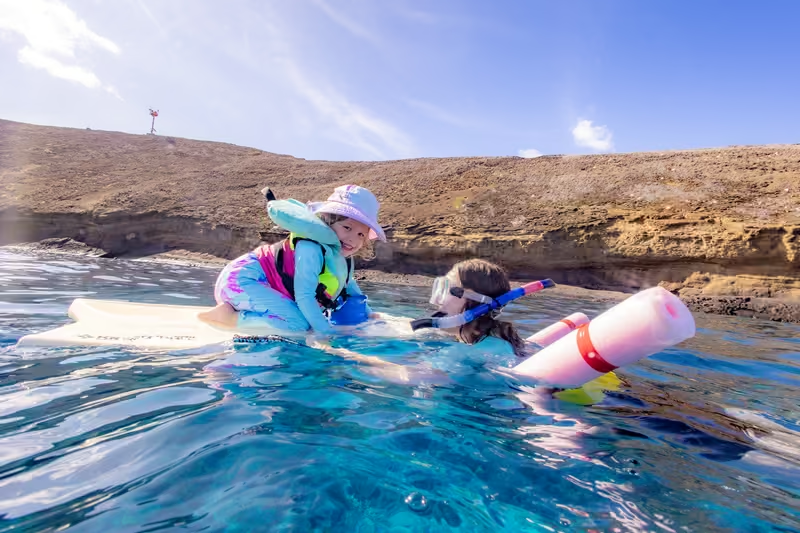
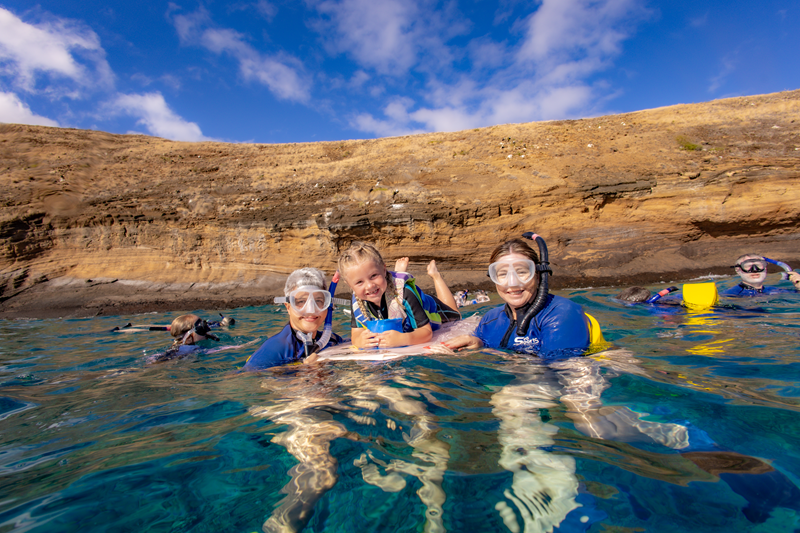
Onboard, the crew helps guests get fitted with snorkel gear and shares a safety briefing. Optional beginner snorkel training and flotation options are available.
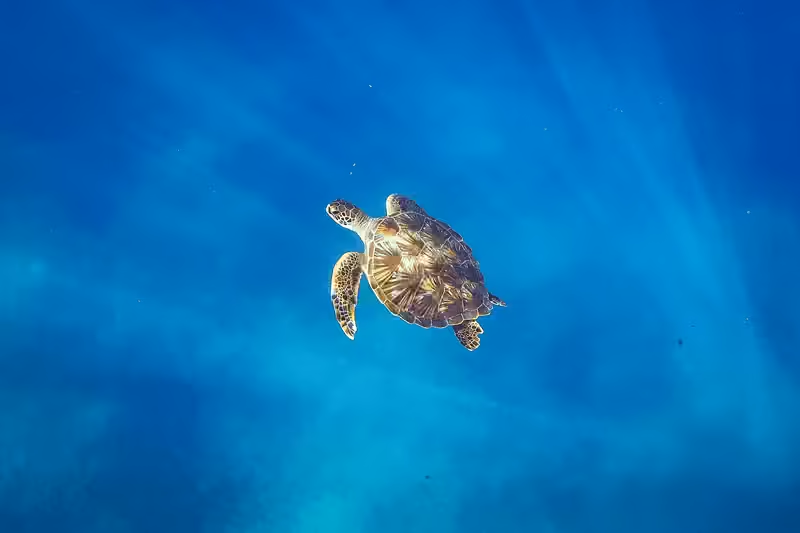
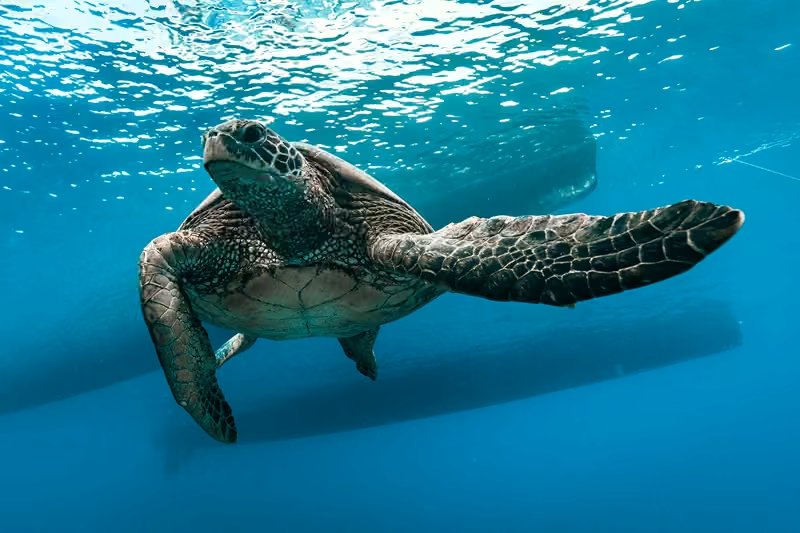
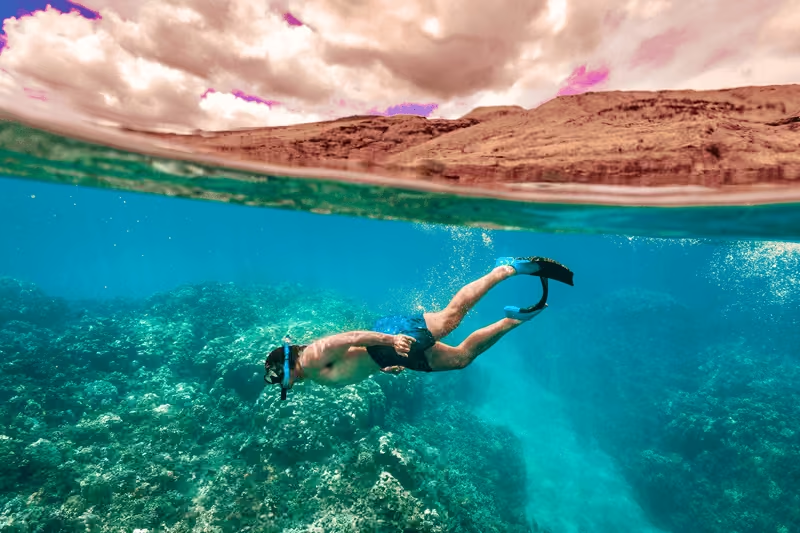
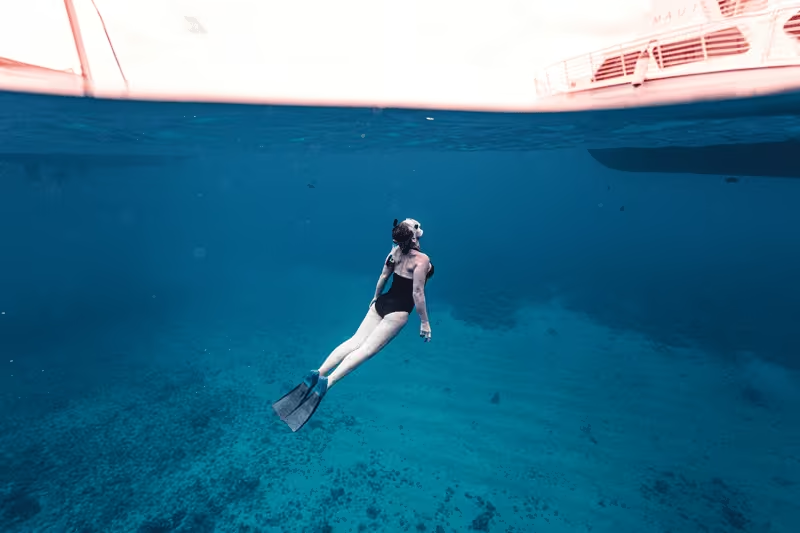
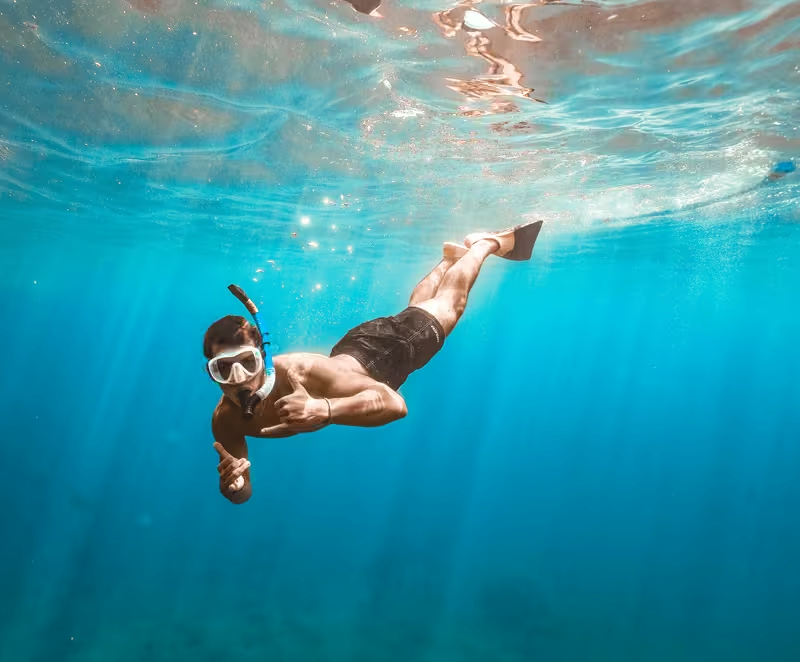
At Molokini Crater, snorkelers enter the water and explore clear conditions, coral reefs, and tropical fish. After the crater, the tour continues to Turtle Town, where you may see Hawaiian green sea turtles and other reef fish (wildlife sightings are never guaranteed).
Between stops, guests enjoy included breakfast, lunch, and drinks. On some days and stops, guests can ride the 25‑foot waterslide (the slide is not used at Molokini Crater).
The tour returns to Maʻalaea Harbor around noon.
Why choose us
Official snorkeling safety guidance: Hawaiʻi Ocean Safety – Snorkeling Safety
Scones · Hot Coffee · Water
Fresh Fruit
Pineapples · Honeydew · Cantaloupe · Grapes
Deli Sandwichwith Lettuce, Tomato, Cucumber, & Condiments
Turkey/Provolone · Ham/Swiss · Roast Beef/Cheddar · Housemade Veggie Patty (for Vegetarian Meal Requests)
Tricolor Pasta SaladMediterranean Style with a Tarragon Herbal Balsamic Vinaigrette
Artichoke Hearts · Red Onion · Sundried Tomatoes · Kalamata Olives · Spanish Olives · Feta Cheese
Quinoa Salad (for Gluten‑Free Meal Requests) Mixed with a Pomegranate Balsamic Glaze
Toasted Quinoa · Cucumber · Red Onion · Red Bell Peppers · Tomatoes
Desserts
Chocolate Chip Cookie
Drinks
Water · Soda · Hawaiian Sun
*Please notify us of any dietary restrictions or preferences when making your reservation.
What you might see
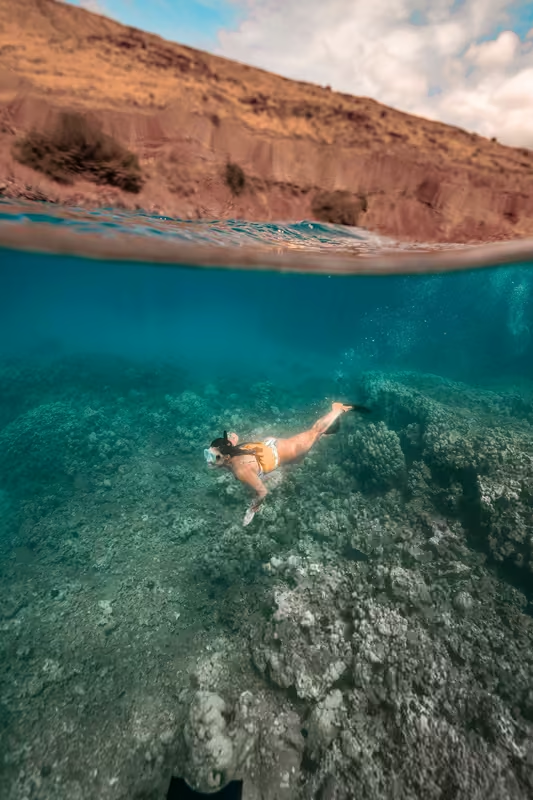
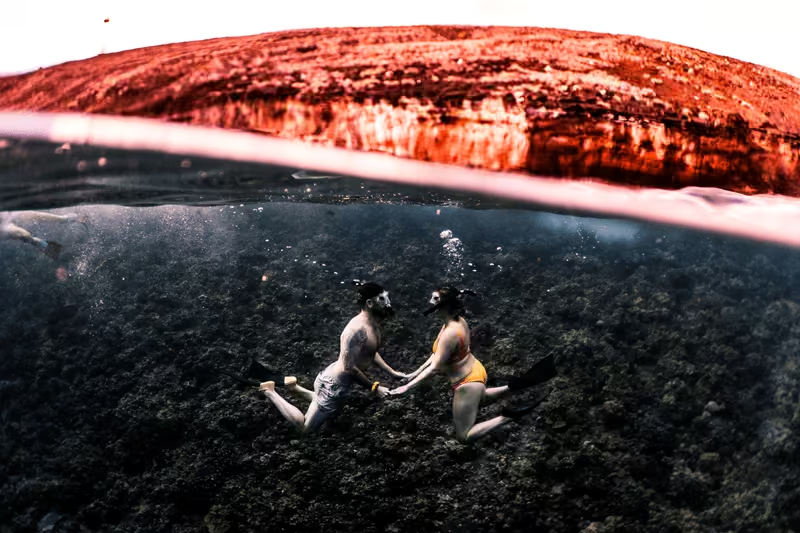
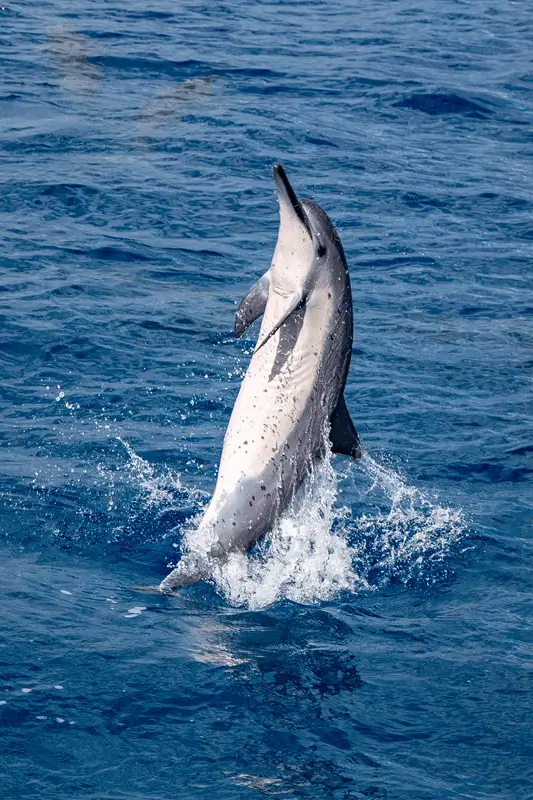
Every Molokini Crater snorkeling trip feels like stepping into a brand‑new world. Beneath the surface, look for bright reef fish gliding past coral, like swimming through a living rainbow.
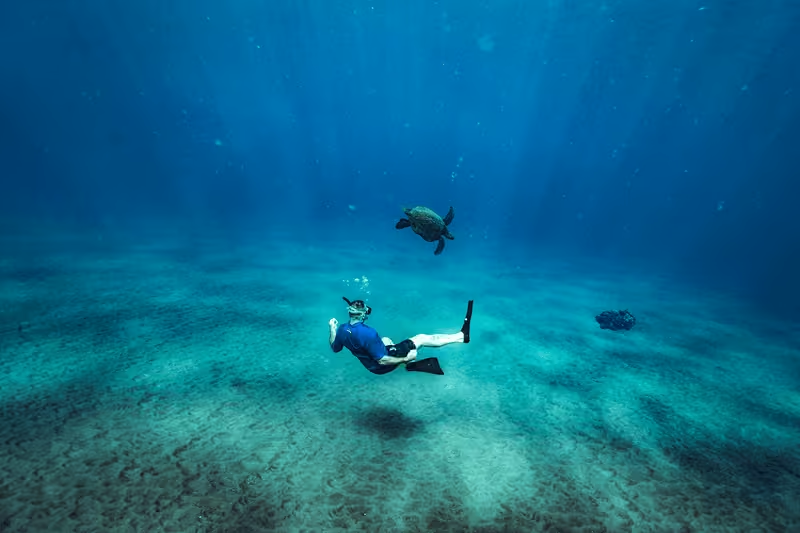
Turtle Town is home to the stars of the show, Hawaiian green sea turtles. You may also spot a mix of reef fish and a curious eel peeking out from the coral.

 Excellent



Itinerary
Molokini Crater is one of the most famous snorkeling spots in Hawaiʻi. It’s a small, crescent‑shaped islet just off the Maui coastline, known for crystal‑clear water with visibility up to 150 feet. Snorkeling here can feel like swimming inside a giant aquarium!
Under the surface, you’ll float above colorful coral reefs and see more than 250 species of fish, many found only in Hawaiʻi. Turtle Town adds a calm, colorful South Maui reef where Hawaiian green sea turtles cruise through warm waters alongside schools of fish and coral gardens.
We provide your gear, meals, and guidance; just bring your sense of adventure!
Timing
Most days, mornings offer the calmest winds and clearest visibility at Molokini. Our tours depart early so you can snorkel the crater before conditions change and crowds arrive.
Logistics
Check in: 6:30 am, Maʻalaea Harbor, Slip 64 (101 Maalaea Rd, Wailuku, HI 96793). We recommend arriving 20–30 minutes early to park and meet the crew.
Guidelines
Molokini is a protected Marine Life Conservation District with special rules to keep coral and marine life healthy. We snorkel from day‑use moorings (no anchoring) and never feed fish.
Please give turtles space, at least 10 ft (3 m). Remember that landing on the islet is prohibited because it’s a seabird sanctuary.
You don’t need prior snorkeling experience, but you should be comfortable in deep water and able to swim on your own.
Our crew will fit your gear, give a quick lesson, and we provide flotation, wetsuits, and other float aids to help you feel confident.
Bring:
Seasickness: If you’re prone to seasickness, consider taking your preferred remedy before check-in.
Not included: Gratuity and transportation.
Alcohol policy: Alcohol is BYOB and can only be enjoyed after all in-water activities are complete.
Written by the Maui Snorkeling team, operating Molokini, Turtle Town, and Coral Gardens tours out of Maʻalaea Harbor since 1985. Tours are led by USCG‑licensed captains aboard a USCG‑inspected passenger vessel. We spend more days in these waters than on land. Last updated: March 2026.
© 2026 Maui Snorkeling | Sitemap | Disclaimer | Privacy Statement | Cookie Policy