Haleakala National Park: The Complete Visitor Guide
October 31st, 2025
| Things To Do In Maui
Written by Maui Snorkeling, operating tours to Molokini Crater, Turtle Town, and Coral Gardens from Māʻalaea Harbor since 1985. Tours are led by USCG-licensed captains aboard a USCG-inspected passenger vessel.
Last updated October 7, 2026
Quick Answer
Haleakalā National Park is one of Maui’s most memorable day trips, known for sunrise above the clouds, volcanic summit views, native Hawaiian plants, scenic hikes, and the remote Kīpahulu District near Hāna. If you’re visiting the Summit District for sunrise, you’ll need a vehicle reservation for entry between 3 a.m. and 7 a.m., plus a valid park entrance pass.
Main takeaways:
Best Known For: Sunrise and sunset views, crater scenery, high-elevation hikes, and rare native plants.
Sunrise Reservation: Required for Summit District entry from 3 a.m. to 7 a.m.; book in advance through Recreation.gov.
Entrance Fee: A private vehicle pass costs $30 and is valid for three days in both the Summit and Kīpahulu districts.
Hiking Options: Choose Pā Kaʻoao for a short summit walk, the first Sliding Sands overlook for crater views, or Pīpīwai Trail for a longer bamboo forest and waterfall hike.
What To Bring: Pack warm layers, sturdy shoes, water, snacks, and sun protection. The summit is much colder than Maui’s beaches.
Planning Tip: Visit the Summit District and Kīpahulu on separate days. There’s no road connecting them directly through the park, and each deserves time to explore.
Looking for an unforgettable experience on Maui? Head up to Haleakala National Park, home to a massive dormant volcano, otherworldly landscapes, and skies so clear you can see forever. Whether you’re chasing the famous Haleakala sunrise, hiking to Waimoku Falls, or exploring the rainforest near Hana, this park is pure Maui magic!
On the island of Maui, Haleakala National Park, often called the house of the sun, is tied to the legend of the demigod Maui. From the volcanic summit to lush rainforest, it’s a place of big views, big skies, and quiet moments you’ll never forget.
In this guide, we’ll cover everything you need to know from fees, permits, weather, best hikes, and local tips so you can plan your visit with confidence. Let’s get started!
Haleakalā National Park At A Glance
A little planning makes it easier to enjoy Maui’s mountain views and rainforest trails. Here are the practical details to know before your Haleakalā visit.
Topic
Details
Location and districts
East Maui, with two distinct visitor areas: the Summit District, reached through Upcountry Maui, and the coastal Kīpahulu District near Hāna.
Summit elevation
10,023 feet above sea level. Take your time at elevation, even when you’re just enjoying a short walk or overlook.
Access hours
Both districts are open 24 hours a day, subject to weather and closures. Visitor centers have separate operating hours.
Sunrise reservations
Summit District vehicle entry between 3 a.m. and 7 a.m. requires a sunrise reservation through Recreation.gov. It’s separate from your park entrance pass.
Food, fuel, and charging
There’s no food for sale, gas station, or EV charging station inside the park. Bring food and water, and plan your fuel or charging stop beforehand.
Trip-planning tip
Give the Summit District and Kīpahulu separate days. There’s no road connecting them directly through the park, and you’ll have more time to enjoy each area.
Before You Go: Check current park alerts and the forecast for the district you’re visiting. Summit conditions can be very different from the weather near Hāna.
The Two Districts of Haleakala
1) Summit District
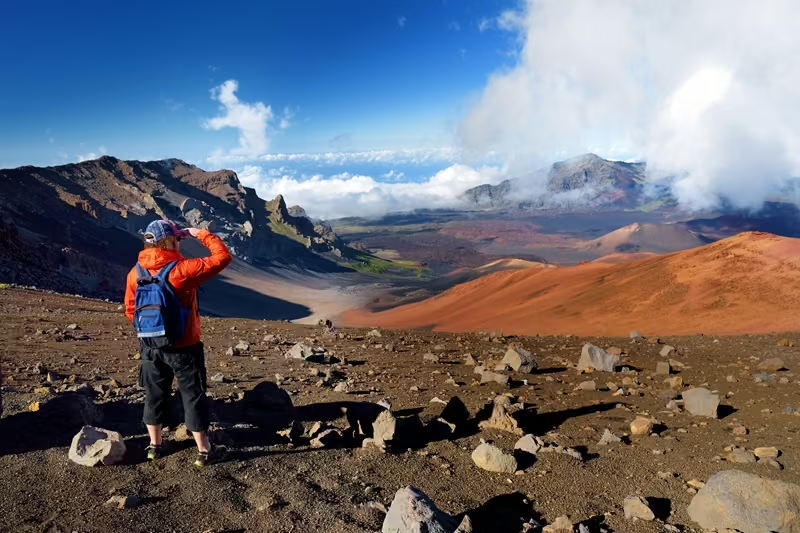
The Summit District feels wonderfully different from Maui’s beaches. At the 10,023-foot summit, you’ll find volcanic scenery, colorful cinder cones, and sweeping views when the clouds cooperate. Enjoy the overlooks or choose a hike that fits your plans, remembering that even a short walk can feel more demanding at this elevation.
Pā Kaʻoao (White Hill): A 0.4-mile round-trip trail beside Haleakalā Visitor Center with crater views and about 100 feet of elevation change.
Sliding Sands (Keoneheʻeheʻe): The first overlook is about 0.5 mile round trip. Continuing farther becomes a more demanding hike, with an uphill return at high elevation.
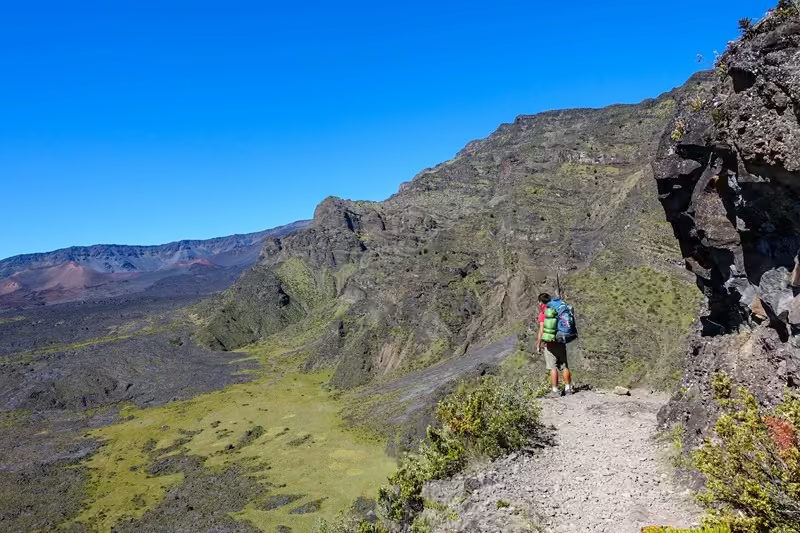
Halemauʻu: Allow about 2.2 miles round trip to the crater viewpoint. Expect a rocky trail and roughly 400 feet of elevation change.
There’s no public transportation, so plan ahead and leave early. Make time to notice the park's birdlife, too. Our Maui birding guide explains how to recognize nēnē, ʻiʻiwi, ʻapapane, and other birds you may encounter around Haleakalā.
Weather & Altitude
Pack for a mountain visit, not a beach day. The summit is often about 30°F cooler than the coast, and temperatures can fall below freezing. Wind and damp weather can make it feel colder still, so bring warm layers, a wind-resistant jacket, and closed-toe shoes. Take it slowly at elevation. If you develop a headache, nausea, or dizziness, don’t push through. Return to a lower elevation and seek medical help if symptoms persist or worsen.
This lush area sits about 12 miles past Hana and is full of waterfalls, bamboo forests, and ocean views. Kipahulu protects native habitats and endangered species. Please stay on the trail, pack out your trash, and leave plants and rocks undisturbed.
Must-do hikes:
Pipiwai Trail: A moderately strenuous, 4-mile round-trip hike with about 800 feet of elevation gain, bamboo forest scenery, and a viewing area near 400-foot Waimoku Falls. Allow several hours, wear shoes with good traction, and stay behind posted barriers.
Kuloa Point Trail: A short, scenic loop with ocean views and a look at the Pools of Oheo (no swimming).
Haleakala Sunrise (How to Get a Spot)
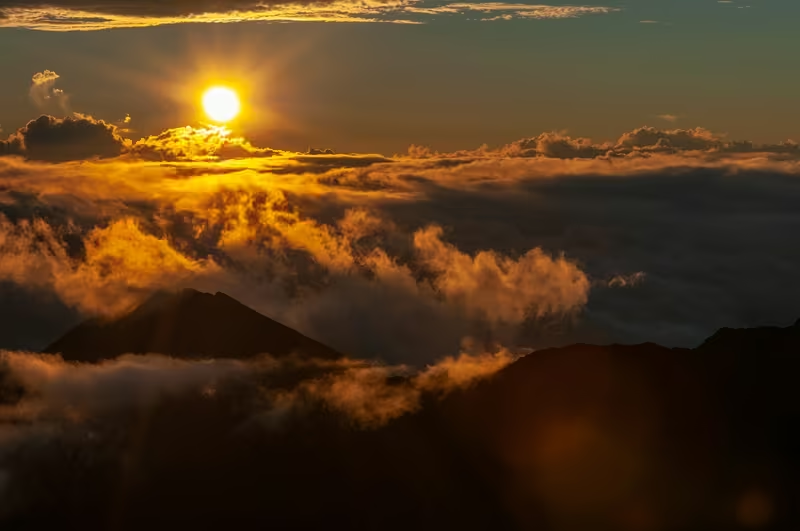
Watching the sunrise at Haleakala is one of Maui's most popular activities. To enter between 3:00 and 7:00 a.m., you’ll need a reservation.
Arrive early to find a spot and follow the ranger's directions in the parking lot. If you prefer not to drive, some Maui tour operators offer sunrise transport or guided experiences that handle the logistics so you can focus on the view.
When: Reservations are released on Recreation.gov at 7 a.m. Hawaiʻi Standard Time, 60 days ahead, with another release two days before your visit. Create your account beforehand so you’re ready when reservations open.
Cost: $1 per vehicle (plus park entry fee).
What to bring: Save your reservation confirmation before leaving your hotel and bring photo ID matching the reservation holder’s name. The reservation holder must be in the vehicle, and your reservation doesn’t guarantee parking at a particular overlook.
Visitor centers usually open after sunrise, so come prepared with food, water, and layers.
Prefer a later start? Sunset is another lovely way to experience Haleakalā without a sunrise reservation. Bring warm layers, check the forecast, and allow time for the winding drive back after dark. Clear views aren’t guaranteed at either sunrise or sunset.
Stargazing & the Night Sky
With minimal light pollution and clear skies, Haleakala is one of the best places in Hawaii for stargazing. Bring a blanket and a flashlight with a red filter to protect your night vision.
Note: The Haleakala Observatories (“Science City”) are off-limits to visitors but can be admired from afar.
Camping, Cabins & Overnight Options
Want a little more time in the park? Choose your overnight stay carefully, since the mountain and coastal campgrounds offer very different experiences.
Hosmer Grove Campground: A cool, forest-edge campground near 7,000 feet in the Summit District, with picnic tables, grills, drinking water, and pit toilets. Bring camping gear suited to cold and wet weather.
Kīpahulu Campground: A coastal campground near Hāna with ocean views, picnic tables, and vault toilets. The campground has no showers or water taps, so arrive prepared.
Reservations and fees: Both campgrounds require advance reservations through Recreation.gov and currently cost $20 per campsite per night. Overnight stays are limited to three nights total across the park within a 30-day period.
Wilderness cabins: Hōlua, Palikū, and Kapalaoa require separate reservations and substantial hikes. They aren’t drive-up accommodations.
Vehicle camping: Don’t sleep in roadside pullouts or general parking lots. Vehicle camping is only allowed where permitted with a campsite reservation, so check the rules for your specific site before booking.
Haleakalā National Park Fees
Here’s a quick breakdown of the standard entrance fees and sunrise reservation cost to help you plan your visit.
Type
Cost
Notes
Private Vehicle
$30
Covers a private, noncommercial vehicle and its passengers. Valid for three days in both districts.
Motorcycle
$25
Covers up to two private, noncommercial motorcycles and four people total. Valid for three days in both districts.
Per Person
$15
For visitors age 16 and older entering on foot or by bicycle. Children 15 and younger entering this way are free.
Sunrise Reservation
$1 per vehicle
Required for Summit District entry between 3 a.m. and 7 a.m. Book in advance through Recreation.gov.
Note: Sunrise reservations don’t cover park admission and are still required if you’re using an annual or lifetime park pass. The park is cashless, so bring a credit or debit card.
Getting There & What to Know
Fuel and food: Fill your tank and pick up food before entering the park. For the Summit District, plan your fuel stop in Upcountry Maui. For Kīpahulu, fuel up before the Hāna Highway drive and check your tank again in Hāna. There’s no gas or food for sale inside the park.
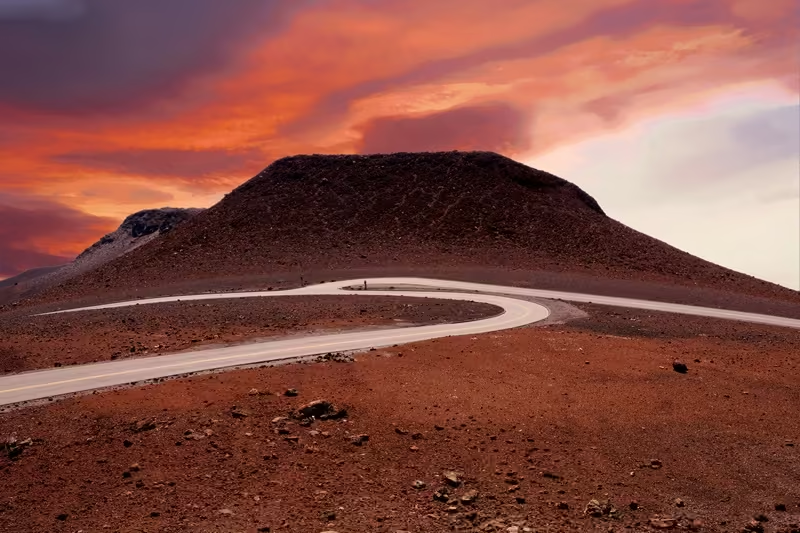
Drive slowly: Roads are steep and winding. Watch for nene (Hawaiian geese).
Electric vehicles: There aren’t charging stations inside the park. Check your vehicle’s range, account for the long climb, and plan charging before your visit.
Safety, Etiquette & Cultural Respect
Haleakala is a sacred site to Native Hawaiians, so visit with care and respect.
✅ Stay on trails and keep voices low. ✅ Don’t touch rocks, plants, or cultural features. ✅ Admire the Hawaiian silversword plant from a distance - it’s fragile and rare.
Suggested Itineraries
A) Sunrise & Summit Views
Reserve your sunrise entry, check the sunrise time for your date, and work backward from your accommodation’s driving time. After sunrise, enjoy the overlooks and choose a short walk if everyone feels comfortable at elevation. Finish with breakfast or an early lunch in Upcountry Maui, leaving the afternoon flexible.
B) Summit Hiking Day
Visit after 7 a.m. if you don’t have a sunrise reservation. Choose one main hike, bring lunch, and leave time for scenic overlooks. For trails that descend into the crater, remember that the climb back takes longer. You don’t need to fit several trails into one visit.
C) Kīpahulu & Pīpīwai Day
Make Kīpahulu your main destination rather than adding it to an already packed Road to Hāna itinerary. Leave several hours for Pīpīwai, with time for Kūloa Point if your schedule allows. Start early and leave enough daylight for the drive back. If you’d rather spend more time in the area, book an overnight stay in Hāna ahead of your visit.
Accessibility
Haleakala Visitor Centers, restrooms, and Hosmer Grove picnic areas are wheelchair accessible. However, most summit trails are not, and the Kipahulu trails can be steep or muddy beyond paved areas.
FAQs
For a day visit, you’ll generally need a sunrise reservation if you’re entering the Summit District between 3 a.m. and 7 a.m. Visits outside that window don’t require a sunrise reservation, but regular entrance fees or a valid park pass still apply. Campgrounds and wilderness cabins require separate reservations.
Standard entrance costs $30 per private vehicle, $25 per motorcycle, or $15 per person age 16 and older entering on foot or by bicycle. The entrance pass is valid for three days and covers both districts. Sunrise reservations and overnight accommodations cost extra.
A Haleakalā sunrise reservation costs $1 per vehicle. This reservation is separate from the regular park entrance fee and is required for vehicles entering the Summit District between 3 a.m. and 7 a.m.
Haleakalā sunrise reservations are booked through Recreation.gov. Reservations are limited, so it is best to plan ahead, especially during busy travel seasons and holiday weeks.
It can be a memorable part of your Maui trip if you enjoy early starts and don’t mind a cold morning. Watching the light spread across the volcanic landscape is the main attraction, though clouds can affect the view. If the early wake-up doesn’t sound appealing, a daytime or sunset visit is a lovely alternative.
The Haleakalā summit is much colder than Maui’s beach areas. Temperatures can be about 30°F colder than the coast, and wind can make it feel even colder, especially before sunrise. Bring warm layers, closed-toe shoes, water, and sun protection.
In the Summit District, popular options include Pā Kaʻoao Trail for a short walk, Sliding Sands Trail for crater views, and Halemauʻu Trail for dramatic overlooks. In the Kīpahulu District, Pipiwai Trail is one of the park’s most famous hikes, with bamboo forest scenery and views near Waimoku Falls.
There’s no road connecting the two districts directly through the park. You’ll reach the Summit District through Upcountry Maui and Kīpahulu via the Hāna Highway. Plan them as separate outings so you can enjoy each without spending the day rushing between them.
Final Thoughts
Haleakalā brings a completely different side of Maui to your vacation, from colorful summit landscapes to Kīpahulu’s green trails and waterfalls. Choose the experience that interests you most, leave room for the weather, and give yourself time to enjoy the setting. A little planning goes a long way toward a memorable park day. 🌄
Still deciding whether Haleakalā, Road to Hāna, snorkeling, or another experience deserves a half or full day? Compare the Best Maui Tours and Excursions before finalizing your itinerary.
Sources & Updates
Use these official resources to check park alerts, entrance fees, sunrise reservations, trail details, and summit weather before your visit.