The Best Places to Snorkel in Maui: 12 Top Spots for 2026

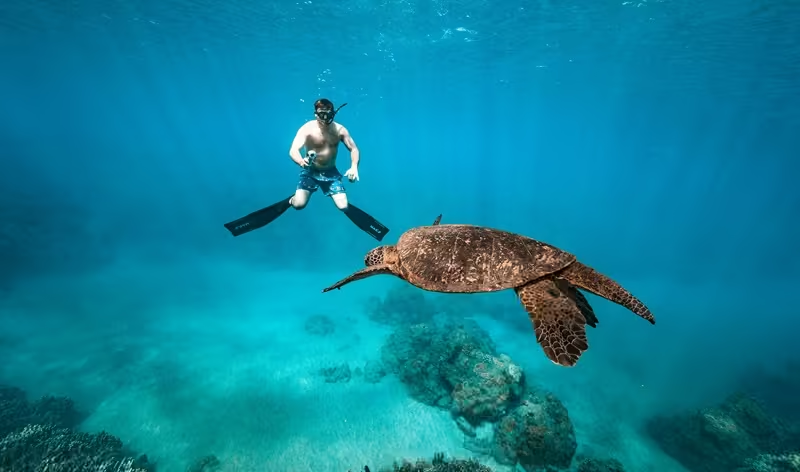
Snorkeler swimming above a coral reef near a Hawaiian green sea turtle in Maui.
Written by the Maui Snorkeling team, operating Molokini Crater, Turtle Town, and Coral Gardens tours out of Māʻalaea Harbor since 1985. Tours are led by USCG‑licensed captains aboard a USCG‑inspected passenger vessel. We spend more days in these waters than on land.
Last updated July 23, 2026

Quick Answer: There is no single best Maui snorkeling spot for every person or every day. Molokini is the leading boat-only choice for a guided offshore experience. Ulua and Kapalua are strong shore-snorkeling starting points when the ocean is calm. Kahekili has convenient West Maui beach-park facilities. Maluaka is the best-known public shore access near Turtle Town. Honolua and ʻĀhihi require stronger skills, more difficult entries, and stricter condition checks. Check current conditions first, and do not enter rough, windy, murky, or unfamiliar water.

Trying to pick the best place to snorkel in Maui? Start with the ocean conditions and your comfort level. Molokini Crater usually has the clearest water; Kapalua Bay and Napili Bay are strong picks for easier shore snorkeling on calm mornings, and Turtle Town is one of the best bets for honu sightings. We ranked these spots based on water clarity, ease of entry, safety, facilities, marine life, and each location's reliability under real Maui conditions.

For a focused side-by-side look at Maui’s major boat-trip regions, see our Maui Snorkeling Destinations Compared guide, including access, trip style, conditions, and the best fit for different vacation goals.

Choose A Maui Snorkel Spot By What Matters Most

This table is a starting point, not a same-day safety assessment. Ocean conditions, swimming ability, entry type, and an easy exit matter more than a location’s popularity.

What You Want Start With Important Caveat
Clear offshore water with a guided crew Molokini Crater Boat only. Guests must be comfortable with a deep-water entry, even when flotation and crew support are available.
A guided trip focused on turtle habitat Turtle Town by boat A crew can select an appropriate reef zone for the day. Turtle and wildlife sightings are never guaranteed.
A shorter afternoon boat snorkel Coral Gardens The safest reef section depends on wind, swell, visibility, and the captain’s decision that day.
Straightforward West Maui beach-park logistics Kahekili Beach Park Parking, restrooms, showers, and reef close to shore help, but it is still an open-ocean site.
Beginner practice with nearby facilities Ulua Beach Use the sandy entry and stay close to an easy exit. Don’t enter when waves, wind, or murky water are present.
A compact bay for a first shore snorkel Kapalua Bay It can suit beginners when calm, but winter swell and surge can still enter the bay.
A memorable summer reef for a strong swimmer Honolua Bay The rocky entry, trail, current, runoff, and winter surf make it unsuitable for beginners.
Public shore access near Turtle Town Maluaka Beach Use the sandy entry on a calm morning. The south reef is an open-water swim, and no wildlife sighting is guaranteed.
A rugged lava-coast snorkel for an experienced swimmer ʻĀhihi Cove Use only designated open-access areas and enter only when the rocky exit is clearly manageable.

Conditions first: A calm, beginner-friendly bay is usually a better choice than a famous location with wind, swell, shorebreak, current, runoff, or poor visibility.

Compare Maui’s 12 Featured Snorkeling Spots

Use this table to compare access, experience fit, entry style, general timing, facilities, and the main condition to consider at each location. These are planning labels rather than live safety ratings. Always check same-day ocean conditions before choosing where to snorkel.

Master comparison of access, best use, experience fit, entry, timing, facilities, and cautions for 12 Maui snorkeling spots.
Snorkel Spot Access Best For Experience Fit Typical Entry General Timing Facilities Key Caution
Molokini Crater Offshore volcanic crater Boat only Guided offshore snorkeling, reef fish, and open-water scenery Conditional with operator support Boat ladder or platform into deep water Early-morning tour Tour-vessel facilities only Exposed offshore conditions. The captain may change or cancel the planned stop.
Turtle Town Broad South Maui reef area Boat preferred. Shore access varies by reef zone. Guided reef exploration and turtle-habitat potential Strongest with guided boat support Boat entry or a shore route near Maluaka Beach Early morning Tour-vessel or beach facilities, depending on the access point This is a broad reef area. Current, visibility, and wildlife sightings vary.
Coral Gardens Offshore reef near Olowalu Boat tour Coral formations, reef fish, and a guided leeward-coast trip Strongest by boat Boat ladder or platform Tour and conditions dependent Tour-vessel facilities only Wind, swell, and the captain’s site decision determine whether the reef is used.
Black Rock Puʻu Kekaʻa at Kāʻanapali Shore Confident swimmers staying in the Kāʻanapali resort area Conditional Sandy beach followed by a swim toward the rocky point Early morning Resort-area services. Public parking is limited. Current, cliff-jump activity, crowds, and distance around the point can increase risk.
Kahekili Beach Park Airport Beach Shore Convenient beach-park logistics and a long fringing reef Strong when calm Sandy beach with reef beginning close offshore Early morning Beach-park parking, restrooms, and showers Wind and chop can build. The long reef can draw swimmers farther from shore than intended.
Napili Bay West Maui crescent bay Shore A compact bay snorkel when the water is smooth Conditional. Strongest when glassy. Sandy beach with rocky reef near the bay’s edges Calm early morning Limited public parking and amenities Shore break and surge can make entry and exit unsuitable.
Kapalua Bay West Maui crescent bay Shore A first shore-snorkeling attempt when conditions are calm Strong when calm Sandy beach with reef along the sides of the bay Early morning Public access with restrooms and showers nearby Crowds and north or west swell can change the bay quickly.
Honolua Bay Marine-life conservation area Shore via trail Experienced swimmers during suitable summer conditions Advanced Rocky shoreline after a walk from the road Calm summer morning Minimal facilities and roadside parking Uneven entry and exit, long swims, and winter surf make this unsuitable on many days.
Maluaka Beach South Maui shore access near Turtle Town Shore Combining a beach visit with Turtle Town reef potential Conditional. Stronger when calm. Sandy beach with reef near the rocky ends Early morning Public parking and basic beach facilities Wind and swell can change the route. Turtle sightings are never guaranteed.
Ulua Beach Wailea shore-snorkeling option Shore Practice, confidence building, and a shorter reef route Strong when calm Sandy beach beside a rocky reef Early morning Parking, restrooms, and showers The entry area can be busy. Afternoon wind and chop may reduce suitability.
Makena Landing Small South Maui cove Shore A short cove route and nearby turtle-habitat potential Conditional Small sandy and rocky cove Early morning Parking and basic beach facilities Kayak and boat traffic, rocky edges, and surge require close attention.
ʻĀhihi Cove ʻĀhihi-Kīnaʻu reserve Shore. Designated access only. Experienced snorkelers comfortable with a lava coastline Advanced Uneven lava and rocky shoreline Calm, clear morning only Managed parking with limited basic amenities Sharp lava, surge, and a demanding entry and exit require conservative judgment and compliance with posted reserve rules.

Planning note: Same-day wind, swell, current, visibility, closures, and tour-operator decisions take priority over this comparison. Parking and facility availability can change, and marine-wildlife sightings are never guaranteed.


Top 12 Snorkel Spots in Maui

Maui snorkel spot 1 of 12

1. Molokini Crater

Boat-only offshore crater

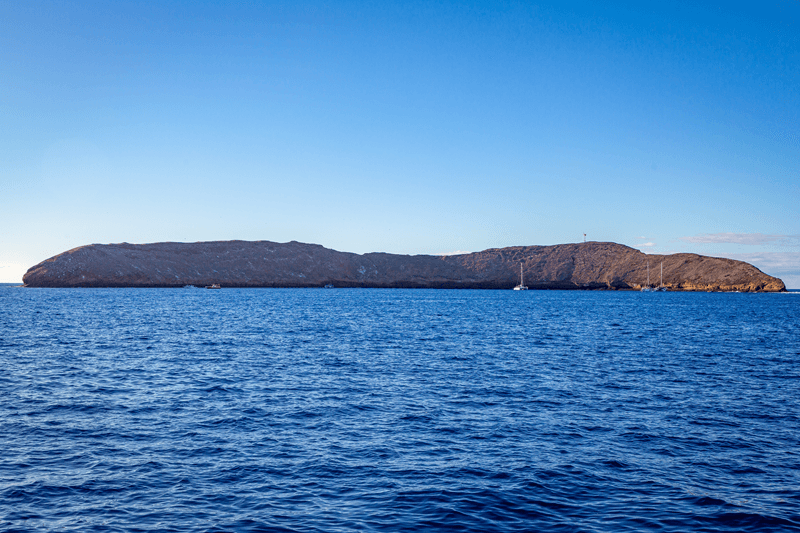
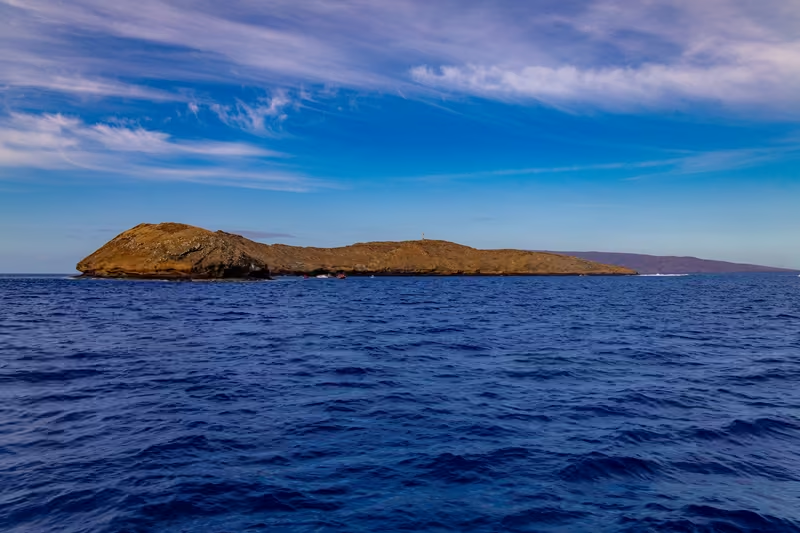
Molokini is a boat-only offshore experience for visitors who want crew support, clear-water reef scenery, and a structured tour plan. It is not a beach snorkel, and every guest should be comfortable with a deep-water entry even when flotation is available.

Access and entry

Access: Boat only. There is no public shore entry or visitor landing on the islet.

Entry: Vessel steps, a swim platform, or a ladder into deep water. Reboarding also requires using the vessel’s steps or ladder.

Facilities: Only the facilities provided by the tour vessel are available. Confirm restroom, shade, food, gear, flotation, and storage arrangements with the operator before booking.

Accessibility: The trip may involve harbor ramps, boarding steps, movement on a working vessel, and a ladder or stair entry. Travelers with mobility, balance, medical, or water-comfort concerns should discuss the full boarding and participation sequence with the operator in advance.

Conditions and suitability

Best window: An early-morning departure when the operator determines that wind, swell, visibility, and vessel conditions are suitable.

Depth character: This is a deep-water snorkel with no standing bottom. Reef shelves and the seabed can be well below the surface and drop into deeper water away from the protected inner area.

Watch for: Open-channel swell, surface current, wind, seasickness, fatigue, and the effort required to return to and board the vessel.

Beginner suitability: Appropriate for some beginners who can swim, follow crew directions, and remain calm in deep water. Flotation adds support but does not replace swimming ability or comfort in open water.

Skip this spot when: The captain changes or cancels the stop, the water feels too active for your ability, or you are not comfortable entering and reboarding from deep water.

Non-swimmer planning: Do not assume a non-swimmer can participate independently. Ask the operator about current swimming, flotation, age, medical, boarding, and in-water participation requirements before purchasing.

Marine life and reef character

Inside the crescent, snorkelers may see coral, schools of reef fish, and occasional larger visitors such as rays or turtles. Sightings vary. Molokini is also a protected seabird and marine area, so visitors remain in the water and on the vessel rather than landing on the islet.

Molokini Crater - one of the best places to snorkel in Maui

Maui snorkel spot 2 of 12

2. Turtle Town

Broad South Maui reef area

Turtle Town is a broad South Maui reef area, not one officially bounded beach or single map pin. A boat crew can choose a reef zone that fits the day’s conditions, while Maluaka Beach is the best-known public shore approach.

Access and entry

Access: Boat access is the most straightforward. Shore visitors generally use Maluaka Beach and should treat that route as a separate shore-snorkeling plan.

Entry: Boat steps or a ladder, or a sandy entry at Maluaka followed by an open-water swim toward reef structure.

Facilities: Boat guests use vessel facilities. Shore visitors use Maluaka’s parking and beach facilities, which differ between the north and south access areas.

Accessibility: Boat access may require boarding steps and a vessel ladder. The Maluaka route includes a beach approach, soft sand, and an unassisted ocean entry; the south access also includes stairs.

Conditions and suitability

Best window: A calm, clear morning. The exact reef zone should be selected according to same-day wind, swell, current, visibility, and the group’s ability.

Depth character: Depth varies widely because Turtle Town covers multiple reef zones. Shallow lava and coral structure can transition into sand channels and deeper open water over a short distance.

Watch for: South swell, trade-wind chop, current between reef zones, reduced visibility, boat traffic, and the longer return swim associated with some shore routes.

Beginner suitability: Strongest for newer snorkelers on a supported boat trip. Shore access is better suited to confident beginners or intermediate swimmers on a genuinely calm day.

Skip this spot when: The Maluaka entry is breaking, visibility is poor, wind or current is building, or the shore route does not leave an easy return to the sandy exit.

Non-swimmer planning: Boat participation policies vary. Contact the operator before booking to confirm whether a non-swimmer may enter the water, remain aboard, or use flotation under direct supervision.

Marine life and reef character

The area includes lava ledges, coral heads, sand channels, reef fish, eels, and habitat used by Hawaiian green sea turtles. Honu encounters are possible and commonly associated with this coastline, but no sighting is guaranteed. Give turtles at least 10 feet of space and never follow or block them.

Snorkeler swimming near Hawaiian green sea turtle in clear blue water in Maui

Maui snorkel spot 3 of 12

3. Coral Gardens

Boat-access reef along Maui’s leeward coast

Coral Gardens is a boat-access reef area along Maui’s leeward coastline. Coral heads, lava formations, and sand channels can create an interesting guided snorkel, but the usable reef section changes with wind, swell, visibility, and the captain’s assessment.

Access and entry

Access: Primarily by boat. This is not a simple public walk-in beach snorkel for most visitors.

Entry: Vessel steps, a swim platform, or a ladder into open water, followed by snorkeling within the area established by the crew.

Facilities: Facilities are limited to those on the tour vessel. Confirm restrooms, shade, food, gear, flotation, and storage arrangements with the operator.

Accessibility: Expect harbor boarding, movement on a vessel, and a ladder or stair entry. Ask the operator about mobility assistance and participation requirements before booking.

Conditions and suitability

Best window: A day when the captain selects a sheltered, clear reef section. Coral Gardens is often used for a shorter afternoon trip, but time of day never overrides actual conditions.

Depth character: Reef tops, lava structure, and sand channels create changing bottom depth. Guests enter from deep water and should stay inside the crew’s approved swim area.

Watch for: Wind wrapping around the Pali coastline, swell, surface chop, reduced visibility after runoff, and fatigue during the return to the vessel.

Beginner suitability: Suitable for some beginners and intermediate snorkelers who are comfortable in open water and can follow crew directions. Flotation and instruction provide support but do not make every day appropriate.

Skip this spot when: The crew selects another site, visibility is poor, the surface is too active for your comfort, or you are not confident entering and reboarding from open water.

Non-swimmer planning: Ask the operator about current policies before booking. A non-swimmer should not treat flotation as a substitute for swimming ability or independent open-water comfort.

Marine life and reef character

The reef area can include coral heads, lava fingers, sand patches, tropical reef fish, eels, and occasional turtles or rays. Wildlife moves freely, and no animal encounter is guaranteed.

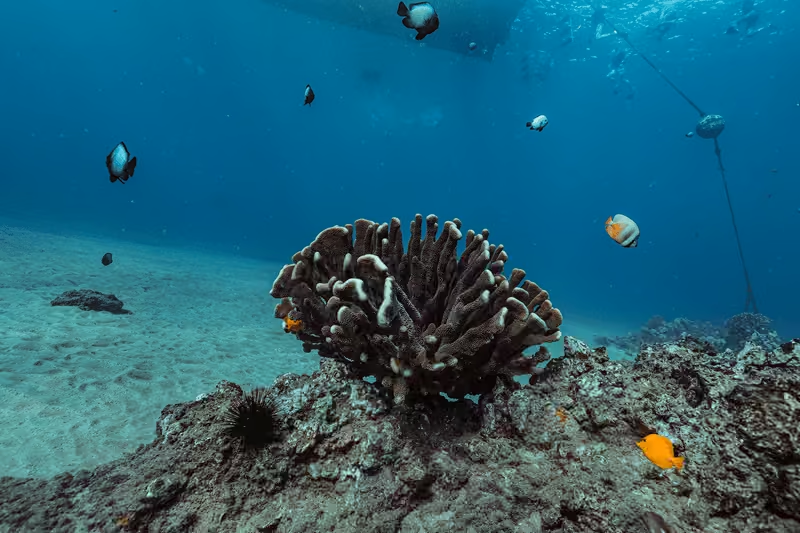
Tropical fish swimming over coral reef at Coral Gardens Maui during afternoon snorkeling tour

Maui snorkel spot 4 of 12

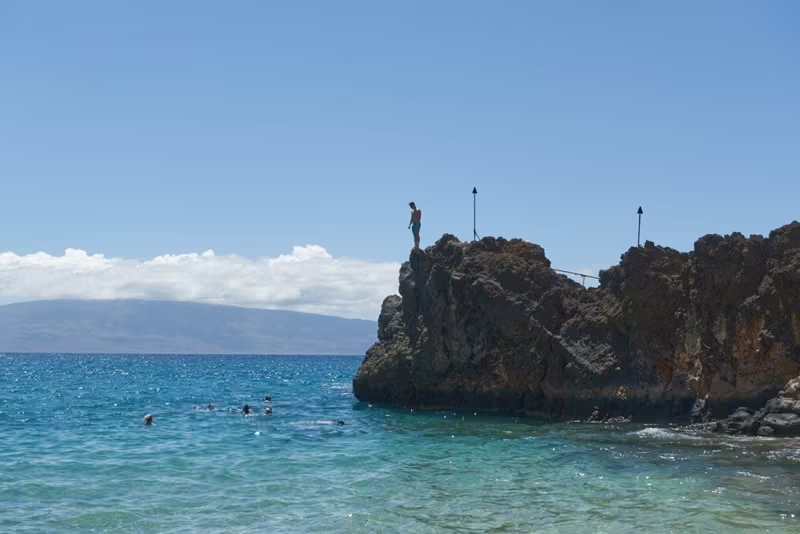
4. Black Rock (Puʻu Kekaʻa), Kāʻanapali

Lava point on Kāʻanapali Beach

Black Rock places reef structure beside one of Maui’s busiest resort beaches. The sandy approach is simple, but surge, current, crowds, and activity around the point make this a conditional choice for confident swimmers rather than an automatic beginner stop.

Access and entry

Access: Shore access from Kāʻanapali Beach. The closest public beach-access parking is limited, and paid parking options are available farther south in the resort district.

Entry: Enter from the sandy beach south of the point, then swim toward the lava-rock edge only while the surface remains calm and the return line stays obvious.

Facilities: Restrooms, food, and other visitor services are available within the Kāʻanapali resort area. Parking rules, rates, and validation options can change, so follow current signs.

Accessibility: Much of the resort approach uses paved walkways, but the final route crosses soft sand and the ocean entry is unassisted. There is no step-free transition into the water.

Conditions and suitability

Best window: A calm early morning with light wind, clear water, and little surge at the point. West and northwest swell can reduce suitability, especially during the winter surf season.

Depth character: The sandy entry begins shallow, then the bottom becomes rockier and can deepen quickly beside the lava point. Do not use shallow reef as a standing or resting area.

Watch for: Surge against the rocks, current around the point, cliff-jump traffic, crowded water, and the temptation to continue around a corner that makes the return harder.

Beginner suitability: Only for confident beginners on an unusually calm day. Kahekili Beach Park is often the more practical West Maui starting point for a shorter, parallel-to-shore route.

Skip this spot when: Waves are breaking at the point, water is pushing along the rocks, the jump zone is crowded, visibility is poor, or you cannot identify a comfortable return to the sandy entry.

Marine life and reef character

The lava wall and adjacent reef can hold schools of reef fish, eels in crevices, and occasional turtles. Sightings vary, and swimmers should keep fins and hands off the rock and coral.

Person standing on Black Rock above clear Maui water with swimmers below and West Maui mountains in the distance
Photo Courtesy of Maui Hideaway

Maui snorkel spot 5 of 12

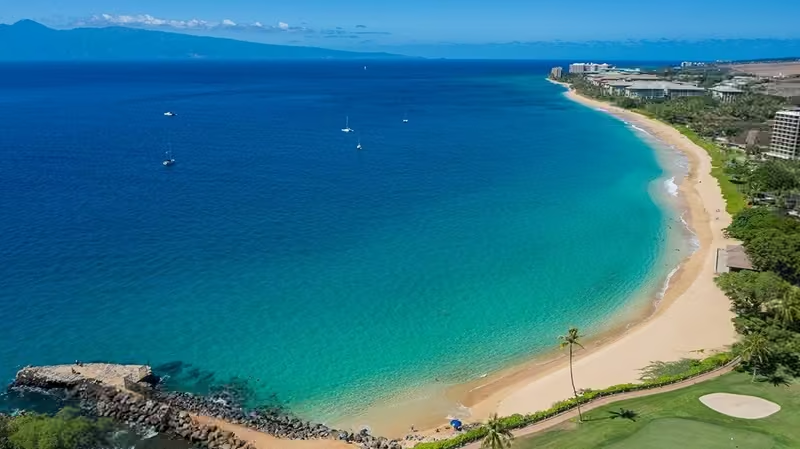
5. Kahekili Beach Park (Airport Beach)

Convenient North Kāʻanapali beach park

Kahekili Beach Park combines a sandy entry, reef close to shore, and one of the more convenient public beach-park setups in West Maui. It works best as a short, conservative shore snorkel on a calm morning.

Access and entry

Access: Shore access from the public beach-park parking area, followed by a straightforward walk across the park and sand.

Entry: Sandy shoreline entry. The fringing reef begins close to shore and runs roughly parallel to the beach.

Facilities: Public parking, restrooms, outdoor showers, grassy areas, and picnic space make this one of the easier West Maui locations for beach-day logistics.

Accessibility: The approach is relatively direct and mostly level until the final soft-sand section. The ocean entry remains unassisted, and visitors should not assume that shore snorkeling itself is accessible.

Conditions and suitability

Best window: A clear early morning before wind and surface chop increase. West or northwest swell can still affect the reef and shoreline.

Depth character: Reef can be shallow close to shore and becomes deeper farther out. Choose a route that avoids passing directly over very shallow coral and does not pull the group offshore.

Watch for: Afternoon trade-wind chop, west or northwest swell, surge over shallow reef, and the long reef line that can encourage swimmers to travel farther than planned.

Beginner suitability: One of the more practical West Maui options for beginners when conditions are calm, clear, and the route stays short and close to shore.

Skip this spot when: Waves are breaking across the reef, water is brown or murky, wind is creating persistent chop, or the return to the sandy entry requires more effort than expected.

Marine life and reef character

The long fringing reef supports reef fish, coral and lava structure, urchins, and occasional turtles. The reef lies within the Kahekili Herbivore Fisheries Management Area, so visitors should follow posted fishing and resource-protection rules and leave all marine life undisturbed.

Aerial view of Kahekili Beach Park with turquoise water, sandy shoreline, boats offshore, and West Maui coastal scenery
Photo Courtesy of HawaiiGaga

Maui snorkel spot 6 of 12

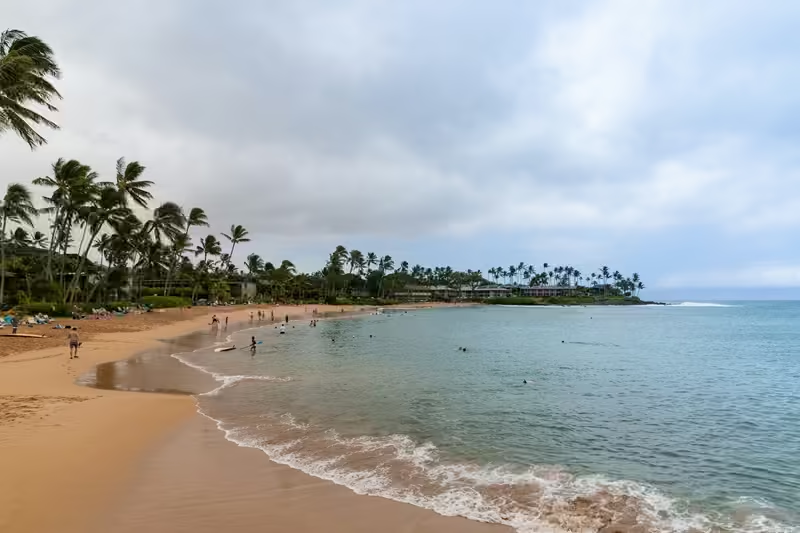
6. Nāpili Bay

Compact West Maui crescent bay

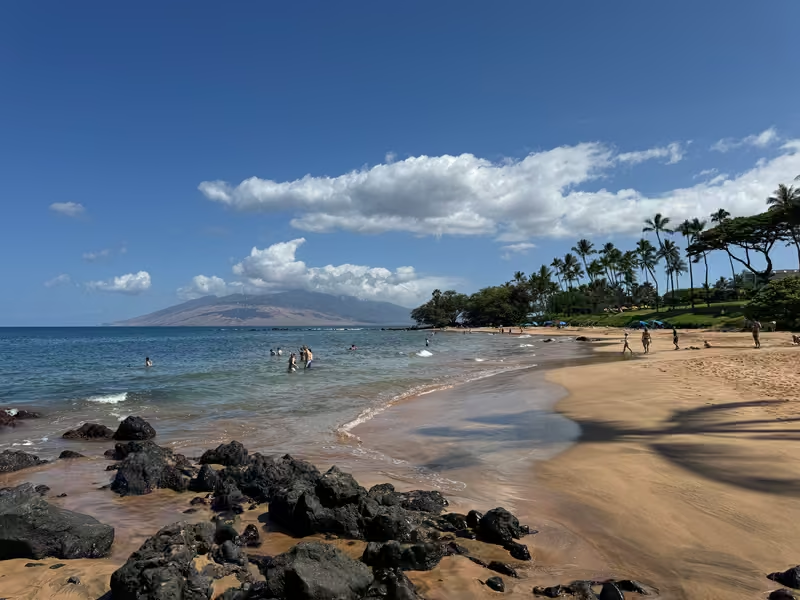
Nāpili Bay can provide a compact shore snorkel when the bay is smooth and clear. The sandy center feels approachable, while the rocky ends hold more structure, but shorebreak and seasonal swell can change the bay quickly.

Access and entry

Access: Shore access through narrow public paths in a residential and resort area. Free public parking is limited and fills early.

Entry: Sandy beach entry. Keep the route inside the bay and approach the rocky edges only when the water is settled.

Facilities: Public amenities are limited compared with a full beach park. Outdoor rinse-off showers may be available near some access points, while public restroom access is limited.

Accessibility: Expect narrow access paths, soft sand, and an unassisted water entry. The route is not a dependable choice for travelers who need a wide, step-free path from parking to water.

Conditions and suitability

Best window: A glassy early morning with no waves breaking into the bay. West and northwest swell can make winter and other active-surf days unsuitable.

Depth character: The sandy middle starts shallow and slopes deeper. Rock and reef become more prominent near the bay’s sides and farther from shore.

Watch for: Shorebreak, surge along the rocky ends, outgoing current during larger swell, limited parking, and the lack of regular lifeguard support.

Beginner suitability: Can suit beginners only when the bay is genuinely calm, the sandy exit is easy, and the snorkeler stays inside a short route.

Skip this spot when: Waves are breaking into the bay, surge is moving along the rocks, water is brown or murky, or the sandy exit no longer looks easy.

Marine life and reef character

The sandy center transitions to rock and reef near the sides, where snorkelers may see reef fish, eels, and occasional turtles. Wildlife is never guaranteed.

Napili Beach Maui with sandy shoreline, calm ocean water, palm trees, and people along the shore
Photo Courtesy of Experience Hawaii

Maui snorkel spot 7 of 12

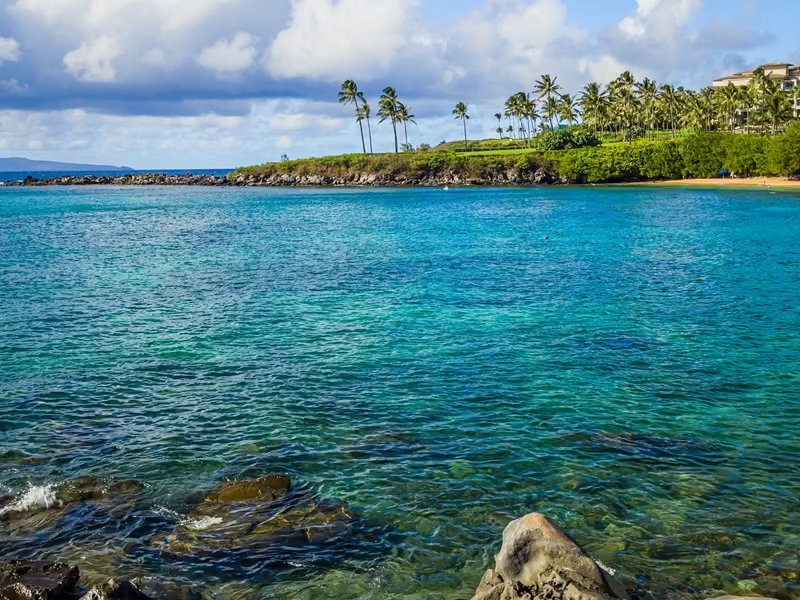
7. Kapalua Bay

West Maui bay with a sandy center

Kapalua Bay is one of the more approachable Maui shore-snorkeling options when the ocean is calm. A sandy center provides an easy place to settle in, and the rocky sides add reef structure without requiring a route outside the bay.

Access and entry

Access: Shore access with limited public and legal street parking. The common approach uses stairs and a short tunnel before reaching the beach.

Entry: Sandy entry near the middle of the bay. Explore only the inside rocky edges while the return to sand remains easy.

Facilities: Restrooms and outdoor showers are near the main beach access. Bring water and snacks, and follow all current parking signs and payment instructions.

Accessibility: The common access route includes stairs, a tunnel, and soft sand. That makes the typical route unsuitable for someone who needs a fully step-free approach to the shoreline.

Conditions and suitability

Best window: An early morning with calm, clear water and no waves entering the bay. North and west swell, rain, and later-day wind can reduce visibility and increase surge.

Depth character: The sandy center is shallowest near shore. Water deepens toward the rocky sides and bay mouth, where reef structure becomes more pronounced.

Watch for: North or west swell, surge near the points, crowds, reduced visibility after rain, and swimmers moving beyond the protected-looking inside of the bay.

Beginner suitability: A good candidate for confident beginners on calm days, provided they stay inside the bay, use the sandy entry, and keep an easy exit within reach.

Skip this spot when: Waves are breaking into the bay, water is murky or brown after rain, surge is pushing against either point, or the return to the sandy center feels uncertain.

Marine life and reef character

Rocky edges and coral patches can hold reef fish, eels, urchins, and occasional turtles. Keep fins clear of the reef and do not follow wildlife into shallower or rougher water.

Kapalua Bay Maui with rocky shoreline, palm trees, sandy beach, and calm clear ocean water

Maui snorkel spot 8 of 12

8. Honolua Bay

Marine Life Conservation District with advanced access

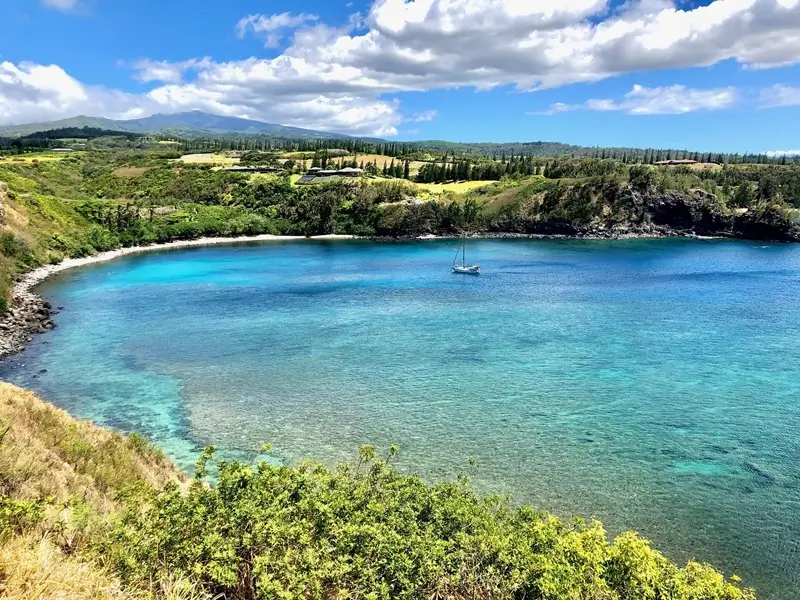
Honolua Bay rewards careful planning with a forest approach and protected reef habitat, but it is not a simple beach entry. The rocky shoreline, changing water color, current, and winter surf make it a location for strong, experienced swimmers on calm days.

Access and entry

Access: Limited roadside parking along Honoapiʻilani Highway, followed by a short unpaved forest trail to the bay.

Entry: Uneven rock, boulders, and shoreline access near the inner bay. The exact entry and exit must be calm enough to manage in both directions.

Facilities: There are no dependable beach-park restrooms, showers, rentals, or lifeguard services at the bay. Arrive prepared and pack out everything you bring.

Accessibility: The trail can include roots, mud, uneven ground, and a rocky final approach. The water entry is not mobility-friendly and should not be described as accessible.

Conditions and suitability

Best window: A calm, clear summer morning after a period without heavy rain. Scout the bay from the overlook before committing to the trail.

Depth character: The inner bay includes silt, small rock, and a sandy channel. Reef along the sides and the bay mouth becomes deeper and farther from the exit.

Watch for: North swell, winter surf, current, runoff and silt from Honolua Stream, slippery rocks, long swims, and reduced visibility near the inner bay.

Beginner suitability: Not recommended for beginners. The trail, rocky entry, lack of facilities, longer route, and changing conditions require stronger swimming and conservative judgment.

Skip this spot when: The bay looks green, brown, milky, or rough from the overlook; surf is breaking; the rocks are being moved by water; or you cannot identify a controlled entry and exit.

Marine life and reef character

Honolua is part of a Marine Life Conservation District. Coral and fish habitat is concentrated along the sides, while the center includes a sand channel. Reef fish, eels, and turtles are possible, but sightings vary. Do not take, injure, feed, or disturb marine life.

Honolua Bay Maui overlook with turquoise water, one anchored sailboat, green cliffs, mountains, and clouds overhead
Photo Courtesy of ShakaGuide

Maui snorkel spot 9 of 12

9. Maluaka Beach

South Maui shore access near Turtle Town

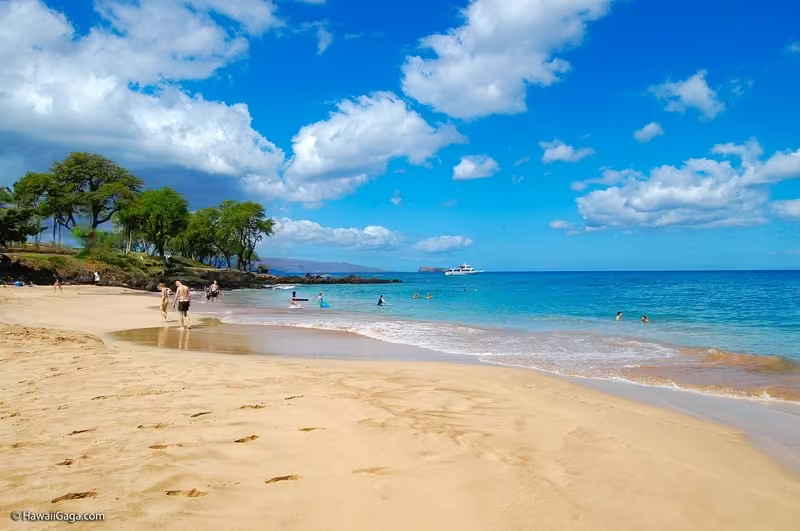
Maluaka Beach is the best-known public shore approach to the broader Turtle Town coastline. It combines a sandy entry with reef near the south end, but the shore route is longer and less supported than arriving by boat.

Access and entry

Access: Two public parking areas serve the beach. The north lot near Keawalaʻi Church is closest to restrooms and showers; the south lot gives quicker access to the south reef but includes stairs to the sand.

Entry: Enter and exit on sand. The most consistent reef structure is near the south rocky point, where the fringing reef curves offshore.

Facilities: Restrooms and outdoor showers are closest to the north access. The south parking area is convenient for the reef, but amenities are farther away. There is no regular lifeguard support.

Accessibility: The south approach includes stairs. The north side is the better planning option for a closer drop-off and amenities, but the final route still crosses sand and requires an unassisted ocean entry.

Conditions and suitability

Best window: A calm early morning before trade wind, south swell, or beach activity increases.

Depth character: The sandy entry begins shallow. Water deepens along the fringing reef and farther offshore, with changing bottom depth around lava fingers and sand channels.

Watch for: South swell, trade-wind chop, surge near the rocky point, the length of the return swim, and reduced visibility.

Beginner suitability: Can suit confident beginners and families on calm mornings when the route remains short. New or nervous snorkelers may find a guided boat or a smaller practice route easier.

Skip this spot when: Shorebreak or surge is present, wind is building, visibility is poor, or the south-reef route does not leave a clear and easy return to sand.

Marine life and reef character

The south-end reef includes coral and lava structure, reef fish, urchins, eels, and habitat used by Hawaiian green sea turtles. Turtles and rays may appear, but no sighting is guaranteed. Stay at least 10 feet from turtles and never pursue them.

Maluaka Beach Maui with sandy shoreline, calm ocean water, and people enjoying the beach under clear skies
Photo Courtesy of HawaiiGaga

Maui snorkel spot 10 of 12

10. Ulua Beach

Wailea practice beach with nearby facilities

Ulua Beach is a practical place to practice mask breathing, finning, and a short reef route when conditions are calm. The sandy entry and nearby facilities help, but afternoon wind, crowds, and surge at the rocky points still matter.

Access and entry

Access: Shore access from the shared Ulua and Mƍkapu public parking area in Wailea. Arrive early and follow current PARK MAUI or posted lot instructions.

Entry: Sandy shoreline entry. Get settled over sand before moving toward reef structure near the rocky sides.

Facilities: Public parking, restrooms, outdoor showers, and a grassy area are available near the beach access. No lifeguard is listed for the park.

Accessibility: Maui County lists partial ADA accessibility. The approach includes developed paths, but the final movement across sand and into the ocean remains an unassisted beach entry.

Conditions and suitability

Best window: A calm early morning before wind, beach traffic, and surface chop increase.

Depth character: The sandy entry starts shallow. Reef structure can be shallow near the point and becomes deeper farther outside the bay.

Watch for: Crowded entry areas, dive or snorkel classes, afternoon wind, south swell, and surge near rock and shallow reef.

Beginner suitability: One of the stronger practice options on a calm day. Beginners should stay close to sand, use a buddy, and move toward the reef only after breathing and gear feel comfortable.

Skip this spot when: Waves are breaking at the entry or point, wind is producing steady chop, water is brown or murky, or the rocky side has noticeable push and pull.

Marine life and reef character

Lava and coral structure can support reef fish, eels, octopus, urchins, and occasional turtles. Sightings vary, and snorkelers should remain above the reef without standing or pushing off.

Ulua Beach, Maui, with people standing in calm, clear water along the Wailea shoreline

Maui snorkel spot 11 of 12

11. Makena Landing

Small South Maui cove and active launch area

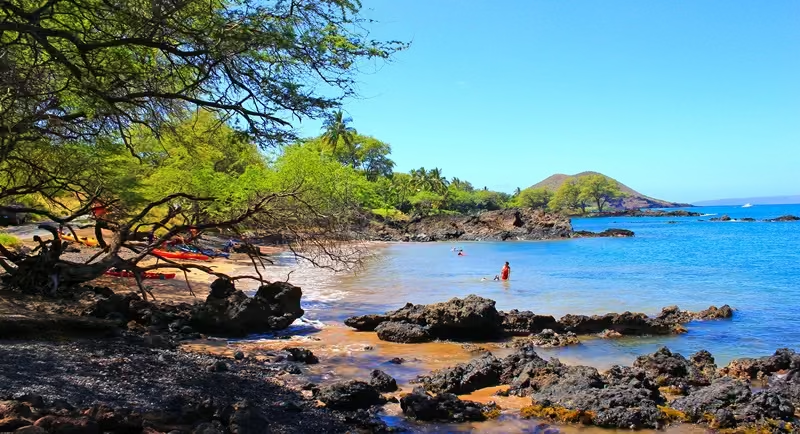
Makena Landing offers a small sandy cove with reef and lava structure close to shore. It can work for a short, calm-morning snorkel, but kayak and ocean-group traffic requires more awareness than the size of the cove suggests.

Access and entry

Access: Shore access from a small public parking area. The same cove is used by kayaks, divers, and organized ocean groups.

Entry: Small sandy entry with lava rock and reef along the cove edges. Keep the middle launch and return lane open.

Facilities: Parking and basic park facilities are available, but the setup is more limited than at Kahekili or Ulua. Arrive early with water, sun protection, and the gear you need.

Accessibility: The approach is relatively short, but parking is limited and uneven lava or rock borders the shoreline. The ocean entry is unassisted and should not be treated as a fully accessible route.

Conditions and suitability

Best window: A clear early morning before wind and launch traffic build.

Depth character: The inside sandy cove begins shallow, then water deepens around reef edges and toward the outer coastline.

Watch for: Kayak and boat traffic, groups staging at the shoreline, surge near lava edges, south swell, trade-wind chop, and reduced visibility.

Beginner suitability: Conditional for confident beginners who remain close to shore, stay out of the launch lane, and choose a short route on a calm day.

Skip this spot when: The cove is congested with launch traffic, surge is moving across the rocks, visibility is poor, or wind and swell are making the return more difficult.

Marine life and reef character

Lava edges and reef structure can hold reef fish, eels, urchins, and Hawaiian green sea turtles. Turtle sightings are possible but not guaranteed. Keep at least 10 feet away and never block an animal’s path to the surface.

Makena Landing Maui cove with calm blue water, rocky shoreline, sandy beach, and PuÊ»u ÌlaÊ»i in the background
Photo Courtesy of HawaiiGaga

Maui snorkel spot 12 of 12

12. ʻĀhihi Cove

Rugged access within ʻĀhihi-Kīnaʻu Natural Area Reserve

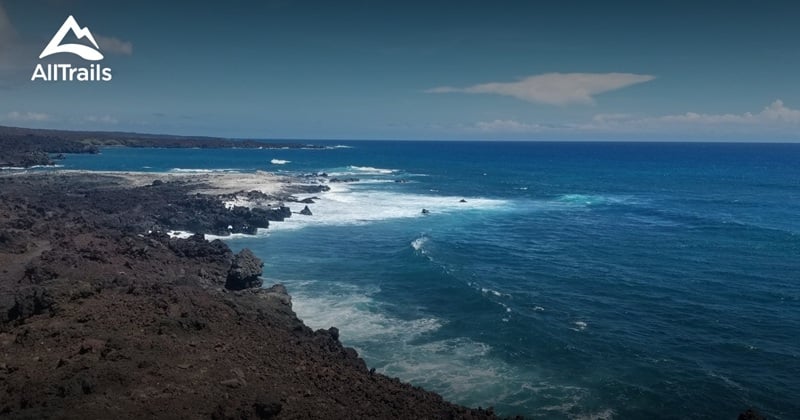
ʻĀhihi Cove shows Maui’s rugged lava coastline and protected nearshore habitat. It is not a casual sand-beach snorkel. Rocky access, limited facilities, reserve rules, and open-coast conditions make it a better fit for experienced swimmers.

Access and entry

Access: Use only designated parking, open public-access areas, and routes shown on the current DLNR activity map. Old guidebooks and unofficial pins may point to areas that are now closed.

Entry: Uneven lava and rocky shoreline with possible surge. Identify the exact entry and exit before putting on fins.

Facilities: Designated paid day-use parking and limited facilities serve the open portion of the reserve. Check the current DLNR page for visiting hours, fees, notices, open areas, and closures before driving south.

Accessibility: Expect hot, uneven lava terrain, little shade, rocky footing, and no soft-sand water entry. This is not an appropriate profile to label accessible without a site-specific professional assessment.

Conditions and suitability

Best window: An early morning when the open coast is calm, clear, and free of breaking waves at the entry.

Depth character: The rocky shelf and lava bottom create abrupt depth changes. Shallow rock can sit close to the surface while the bottom drops away outside the cove.

Watch for: South swell, surge over lava, wind, heat, limited shade, sharp rock, closed areas, and the difficulty of climbing out if conditions change.

Beginner suitability: Not recommended for brand-new snorkelers, nervous swimmers, young children, or anyone who cannot confidently manage a rocky entry and exit.

Skip this spot when: A closure or warning is posted, waves are washing over the entry rocks, visibility is poor, the lot or legal access is unavailable, or you cannot describe exactly how you will exit.

Marine life and reef character

The protected lava reef can support coral, urchins, schools of reef fish, eels, and occasional turtles. Leave rocks, shells, coral, plants, and animals where they are, and stay out of closed anchialine-pool and reserve areas.

Ahihi Kinau Natural Area Reserve lava coastline with blue ocean and rocky shoreline in South Maui
Photo Courtesy of AllTrails

Maui Snorkeling Spot Planning Scorecard

Use this secondary scorecard for a closer look at beginner fit, entry and swimming demand, family logistics, turtle-habitat context, and the best general use for each location. These are editorial planning labels rather than live safety scores.

Open the Full Maui Snorkeling Planning Scorecard
Planning comparison of beginner fit, entry and swimming demand, family logistics, turtle-habitat context, and best use for 12 Maui snorkeling spots.
Snorkel Spot Beginner Fit Entry & Swim Demand Family & Access Logistics Turtle Habitat Context Best Use
Molokini Crater Boat-only offshore crater Conditional with tour support Boat-assisted, deep-water entry Strong for tour-ready families Not a primary draw Guided offshore reef trip
Turtle Town Broad South Maui reef area Strongest by boat Boat-assisted; route varies by reef zone Strong by boat Commonly associated Guided turtle-habitat reef trip
Coral Gardens Offshore leeward-coast reef Strongest by boat Boat-assisted entry Strong for tour-ready families Possible Guided leeward reef trip
Black Rock Puʻu Kekaʻa at Kāʻanapali Conditional Moderate to high Moderate; public parking is limited Possible Confident Kāʻanapali swimmers
Kahekili Beach Park Airport Beach Strong when calm Low to moderate Strong with beach-park facilities Possible Convenient West Maui shore snorkel
Napili Bay West Maui crescent bay Conditional and best when glassy Low to moderate; shore break matters Moderate; public parking is limited Possible Compact calm-bay snorkel
Kapalua Bay West Maui crescent bay Strong when calm Low to moderate Strong although parking can fill Possible First shore-snorkel candidate
Honolua Bay Marine-life conservation area Advanced High; trail approach and rocky entry Limited Possible Experienced summer swimmers
Maluaka Beach South Maui access near Turtle Town Conditional Moderate; route length can vary Strong when calm Commonly associated Beach day with Turtle Town reef access
Ulua Beach Wailea shore-snorkeling option Strong when calm Low to moderate Strong Possible Practice and confidence building
Makena Landing Small South Maui cove Conditional Moderate; rocky edges and cove traffic Moderate Commonly associated Short cove route
ʻĀhihi Cove ʻĀhihi-Kīnaʻu reserve Advanced High; uneven lava and rocky entry Limited with designated access Possible Experienced lava-coast snorkelers

How to read this scorecard: Beginner fit and entry demand are planning labels, not guarantees that a location is safe on a particular day. Turtle-habitat context describes a location’s general reef association and does not predict a sighting. Same-day wind, swell, current, visibility, posted closures, and tour-operator decisions always take priority.

Maui Snorkeling Safety and What to Bring

These rules apply across every location in this guide. Same-day ocean conditions, swimming ability, and an easy return to shore or the boat are more important than any ranking, wildlife preference, or planned itinerary.

Conditions come first: High surf, strong wind, heavy shorebreak, strong current, rough surface chop, poor visibility, difficult exits, brown runoff water, and posted closures are reasons to choose another location or skip snorkeling for the day.

Before You Enter

  • Check same-day conditions: Review current wind, swell, current, weather, beach warnings, water quality advisories, and closures before leaving for the beach.
  • Watch the water first: Observe the entry, exit, waves, and surface movement for several minutes before entering.
  • Go early when practical: Maui mornings are often calmer, but the time of day never overrides the conditions in front of you.
  • Avoid brown or murky water: Rain and runoff can reduce visibility and affect water quality. Choose another activity when the water looks brown, dirty, or unusually cloudy.
  • Plan the exit before entering: Identify exactly where you’ll leave the water. Skip rocky entries when surge, slippery footing, or changing waves could make the return difficult.
  • Ask for local guidance: Speak with a lifeguard or professional crew member when one is available, and follow all posted warning signs.

In the Water

  • Snorkel with a buddy: Don’t snorkel alone. Stay close enough to notice when your buddy needs help.
  • Use the weakest swimmer’s return range: Don’t travel farther than everyone in the group can comfortably swim back.
  • Turn around before you’re tired: Don’t continue farther offshore simply because the reef looks interesting ahead.
  • Stay clear of coral and rock: Don’t stand on coral, push off the reef, or place your hands and fins where waves could move you against sharp surfaces.
  • Give wildlife space: Stay at least 10 feet from sea turtles on land and in the water. Never touch, chase, feed, surround, ride, or block marine wildlife.
  • Use flotation appropriately: A snorkel vest or flotation belt can add buoyancy, but it doesn’t replace swimming ability, ocean awareness, or a manageable return route.

Location-Specific Rules

  • Molokini Crater: Molokini has no public beach entry or land-based visitor facilities. Visit with a permitted boat operator and follow the captain’s instructions about the site, entry, swim area, and return to the vessel.
  • ʻĀhihi-KÄ«naÊ»u: Use only current designated public-access areas. Check the official activity map, posted signs, visiting hours, parking fees, notices, and closures before visiting.
  • Honolua Bay and ʻĀhihi Cove: These locations have more difficult rocky entries than sandy bays. Don’t enter unless the exit is clearly manageable.
  • Wildlife sightings: Turtles, rays, octopus, eels, and reef fish move freely. Choose a location for its habitat and overall experience rather than expecting a guaranteed encounter.
  • Boat-trip destinations: Captains may change, shorten, or cancel a planned stop when wind, swell, visibility, or current makes another plan more appropriate.

What to Bring

  • A well-fitting mask: Test the seal before entering the water.
  • A clean, working snorkel: Check that the airway is clear and the mouthpiece is secure.
  • Properly fitting fins: Fins should feel snug without causing pressure or slipping.
  • Mask defog: Prepare the mask before entering so you can see the reef, your buddy, and the return route.
  • A rash guard or sun shirt: Clothing coverage can reduce sun exposure while you’re on the surface.
  • Optional flotation: Bring a properly fitted snorkel vest or flotation belt when extra buoyancy helps you remain relaxed and conserve energy.
  • Water and a dry towel: Hydrate before and after snorkeling, especially at exposed beaches with limited shade or facilities.

This section provides general planning guidance, not a live assessment of any beach or reef. Current warnings, closures, lifeguard instructions, and captain decisions always take priority.

Best Places To Snorkel In Maui FAQs

Ulua Beach and Kapalua Bay are strong starting points when conditions are calm because they have sandy entries and comparatively simple routes back to shore. Kahekili can also work well for a calm West Maui morning. A guided boat tour may be the better option for a newer snorkeler who wants equipment help, flotation, and crew support.

Turtle Town is the best-known answer, with boat access and shore access from Maluaka Beach. Turtles may also appear at several other reefs, but wildlife is never guaranteed. Stay at least 10 ft away and allow the animal to choose its own path.

Shore snorkeling offers flexibility and can cost less, but the guest must evaluate the entry, exit, current, swell, wind, and visibility. A boat reaches reefs such as Molokini and Coral Gardens and adds crew support, flotation, equipment, and a captain who can change sites when conditions require it.

Molokini is the leading choice for visitors seeking a clear offshore setting, but visibility changes and cannot be guaranteed. The crater is accessible by boat only, and afternoon wind and current can become stronger.

Skip the water when you see high surf, strong wind, heavy shorebreak, strong current, surge at rocks, brown or murky runoff water, poor visibility, a difficult exit, a closure, or conditions beyond your swimming ability. A popular location is not automatically a safe location.

Final Thoughts

The best place to snorkel in Maui isn’t always the most famous one. If you want postcard-clear water and a guided experience, Molokini Crater is hard to beat. If you’d rather walk in from the beach, Kapalua Bay, Napili Bay, and Ulua Beach are some of the easiest places to start when conditions are calm. And if seeing honu is high on your list, Turtle Town and Makena Landing are popular for a reason.

The real secret is picking the right spot for the day ahead. A calm morning at a beginner-friendly bay is almost always better than forcing a famous spot when the ocean doesn’t look right. Start early, keep your plans flexible, and let the conditions decide. That’s usually how the best Maui snorkel days happen. Hawaiʻi Ocean Safety specifically recommends checking conditions before entering the water and notes that morning usually offers better snorkeling conditions and visibility. Mahalo for reading.

Ready to snorkel Maui?

Snag your spot on a Maui Snorkeling Tour! Make your ocean day easy with snorkel gear, food, crew support, and simple online booking.

  • Best visibility: Morning Tour at Molokini Crater & Turtle Town
  • More relaxed: Afternoon Tour at Coral Gardens
  • Your group only: Private Charters

Compare: Molokini Crater Snorkeling Tour Afternoon Snorkeling Tour Private Charters

Sources & Updates

We compared these locations by access, entry, facilities, experience fit, reef habitat, and typical ocean exposure. Conditions and access rules can change, so check current official guidance before visiting.

© 2026 Maui Snorkeling | Sitemap | Disclaimer | Privacy Statement | Cookie Policy