Written by
Maui Snorkeling, operating tours to Molokini Crater, Turtle Town, and Coral Gardens from Māʻalaea Harbor since 1985. Tours are led by USCG-licensed captains aboard a
USCG-inspected passenger vessel.
Quick Answer
Ahihi Kinau Maui is a protected South Maui natural area reserve near Mākena with rocky shoreline snorkeling, clear-water reef habitat, strict conservation rules, posted visiting hours, and a paid day-use parking system. It can be beautiful on calm mornings, but it has a rocky, unlifeguarded entry and is best for experienced ocean swimmers who can swim independently in open water and manage the entry and exit without relying on flotation.
Main takeaways:
- Best For: Experienced ocean swimmers who can swim independently and handle a rocky entry and exit
- Hours And Fee: Northern visitor areas: 5:30 a.m. to 7:30 p.m. daily. Parking: $10 per nonresident vehicle; free for Hawaiʻi residents with valid Hawaiʻi ID.
- Entry Style: Expect lava rock, uneven footing, and limited sandy entry areas rather than a soft beach setup
- Reef Rules: Don’t fish, feed wildlife, stand on coral, take rocks, take shells, or enter closed areas
- Guided Alternative: A guided Maui boat tour provides gear, instruction, flotation options, food, and crew support. On our tours, guests should feel comfortable floating face-down in deep water. Follow crew instructions and ask about any comfort concerns before booking.
If you’ve been researching Ahihi Kinau Maui, you’ve probably seen photos of clear blue water, black lava rock, and fish-filled reef edges. The proper Hawaiian spelling is ʻĀhihi-Kīnaʻu, and this protected South Maui coastline is one of the island’s most special ocean places.
It’s also not your average beach day. ʻĀhihi-Kīnaʻu Natural Area Reserve is a fragile conservation area near Mākena, south of Wailea and before Keoneʻōʻio, also called La Perouse Bay. There are posted hours, a day-use parking fee, rocky entries, closed areas, sensitive reef habitat, and rules that matter. In other words, this is a “read the signs before the fins go on” kind of place.
This guide explains what to know before you go, who ʻĀhihi-Kīnaʻu snorkeling is best for, what rules to follow, when to skip it, and when a guided Maui boat tour may be the easier choice.
What Is ʻĀhihi-Kīnaʻu Natural Area Reserve?
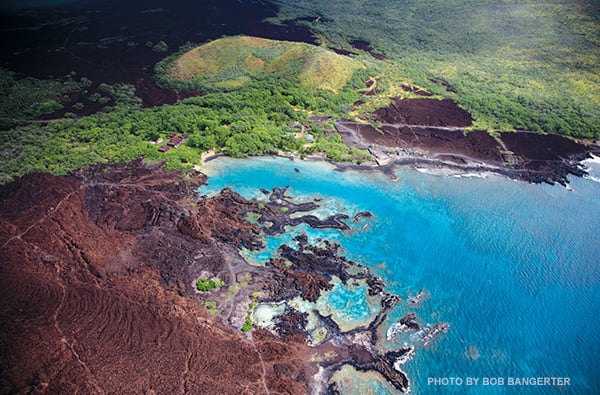
ʻĀhihi-Kīnaʻu Natural Area Reserve is a protected land and marine reserve on Maui’s southwest coast. It was Hawaiʻi’s first designated Natural Area Reserve, established in 1973, and it protects lava coastline, nearshore reef, anchialine pools, dryland habitat, cultural sites, and marine life.
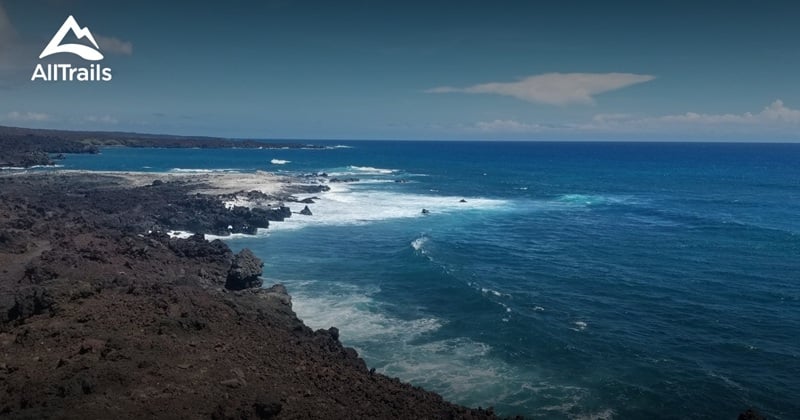
The landscape feels different from many South Maui beaches. Instead of wide sand, beach umbrellas, and resort lawns, you’ll find lava rock, dry coastal plants, blue water, and a rugged shoreline that reminds you this place is a living outdoor classroom.
That’s part of the magic. It’s quiet, raw, and beautiful. But it’s also why visitors need to treat the area with extra care. The reserve isn’t just a pretty snorkel spot. It’s a protected ecosystem with rules designed to keep the reef, rocks, plants, animals, and cultural resources in place.
Where Is ʻĀhihi-Kīnaʻu?
ʻĀhihi-Kīnaʻu sits in far South Maui, past Mākena and before Keoneʻōʻio, also called La Perouse Bay. If you’re driving from Kīhei or Wailea, you’ll continue south through the Mākena area until the coast becomes quieter, rockier, and more rural.
The road gets narrower as you continue south, so slow down, watch for pedestrians, and avoid parking wherever signs say not to. This is not a “pull over anywhere and hop in” coastline. Use designated parking areas only, read posted signs, and stay inside open public access areas.
Because this area is farther from resort beaches and services, plan ahead. Bring water, sun protection, shoes for hot and uneven ground, and a realistic backup plan if the ocean looks windy, murky, rough, or crowded.
Is ʻĀhihi-Kīnaʻu Good For Snorkeling?
Yes, ʻĀhihi-Kīnaʻu can be good for snorkeling when the ocean is calm, visibility is clear, and you’re comfortable entering from rocky shoreline areas. The reserve is known for reef structure, lava edges, and colorful fish, especially in protected open areas where visitors are allowed.
But this isn’t an easy snorkeling entry. Uneven footing, wave surge, and limited sandy access can make entering and exiting difficult. It isn’t a good choice for nervous swimmers, young children, non-swimmers, or anyone who can’t swim independently in open water. Beginner snorkelers who are already experienced ocean swimmers may prefer a lifeguarded beach with a sandy entry. A guided trip is a separate option: our tours follow the deep-water guidance above. Follow crew instructions and ask about comfort concerns before booking.
Best Time Of Day To Snorkel
Morning is usually the better bet for snorkeling in Maui, and that’s especially true here. Lighter winds, clearer water, and calmer surface conditions can make a big difference. If trade winds are already blowing, whitecaps are showing, or the water looks murky, save your snorkel for another day.
Before you enter, pause and watch the ocean. Look for waves pushing people toward rocks, current movement, poor visibility, and swimmers who look like they’re working too hard. If you’re unsure, don’t force it.
Since ʻĀhihi-Kīnaʻu is a rugged shoreline with rocky entries and changing ocean conditions, it’s also smart to review our Maui Beach Warning Signs guide before choosing a shore snorkeling spot.
For first-timers, start with our Maui Snorkeling For Beginners guide. For daily planning, check our Maui Snorkel Conditions guide before choosing a shore spot.
ʻĀhihi Cove And Kanahena Beach
ʻĀhihi Cove and Kanahena Beach are the ocean-entry areas identified on DLNR’s activity map within the reserve’s northern open area. Follow the signed access routes rather than looking for shortcuts across the lava.
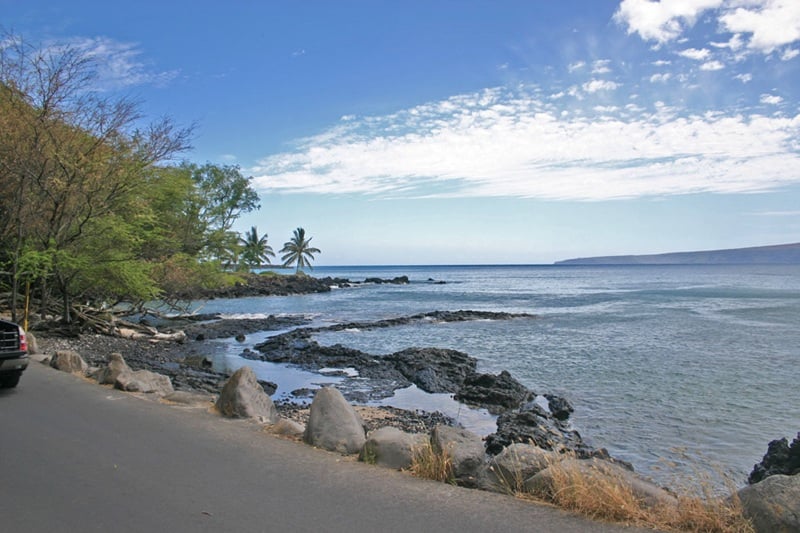
Near the water, look for the fish-symbol signs marking entry spots with sand underfoot. The surrounding shoreline is still rocky, so these aren’t wide, sandy beach entrances. Only enter when conditions are suitable, and keep your feet and fins off coral and reef-covered rocks.
Parking, Fees, And Hours
The northern visitor areas are open from 5:30 a.m. to 7:30 p.m. daily. Parking at the Kanahena lot costs $10 per vehicle, per day for nonresidents, payable by debit or credit card. Hawaiʻi residents with a valid Hawaiʻi state ID or driver’s license park free.
All vehicles, including resident vehicles, need a parking pass displayed on the driver’s-side dashboard where it’s readable from outside. Use designated spaces only, and plan to leave before the posted closing time. If the lot’s full, choose another stop and save ʻĀhihi-Kīnaʻu for another day.
Reef Rules And Closed Areas
ʻĀhihi-Kīnaʻu has stricter rules than a normal beach park because it protects fragile natural and cultural resources. The big idea is simple: look, float, admire, and leave everything exactly where it is.
- Don’t fish or collect marine life.
- Don’t take coral, rocks, shells, plants, animals, or sand.
- Don’t feed fish, birds, turtles, or any wildlife.
- Don’t stand on coral or kick the reef with your fins.
- Don’t enter closed areas, even if an old guidebook says the area was once popular.
- Recreational motorized boating isn’t allowed in the reserve’s waters.
- Leave pets, drones, and fishing gear outside the reserve.
- Camping, fires, and alcohol aren’t allowed.
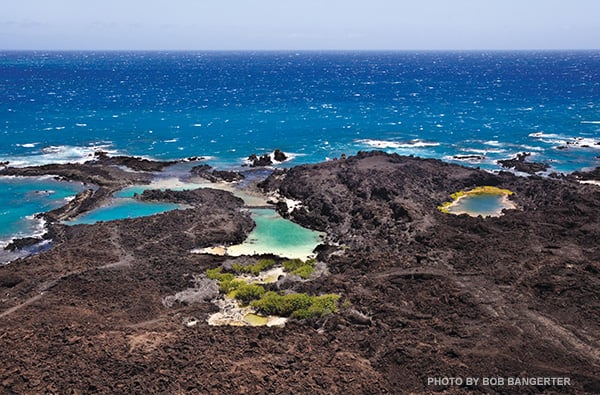
One of the most important conservation reminders is that the reserve’s anchialine pools are closed to access. These rare pools are sensitive, and human disturbance is one threat they face. Admire the landscape from open areas and stay on approved routes. Old blogs, older guidebooks, and social media posts can be especially risky here because access rules have changed over time. If a nickname, pin, trail, or “secret spot” conflicts with current signs, trust the signs. Closed means closed.
What To Bring
Pack for a hot, rugged, protected coastline. This isn’t a resort beach where you can forget half your bag and still be fine. Bring what you need, but keep it light enough to move safely over uneven ground.
- Water: Bring more than you think you’ll need, especially on sunny days.
- Sun Protection: Use UPF clothing, a hat, sunglasses, and mineral sunscreen with zinc oxide or titanium dioxide.
- Footwear: Wear sturdy sandals or water shoes for hot lava rock and uneven ground.
- Snorkel Gear: Bring a well-fitting mask, snorkel, and fins, and check the fit before heading out.
- Towel and Dry Clothes: The rocky shoreline isn’t the coziest place to lounge after your swim.
- Dry Bag: Keep keys, phone, and wallet protected, and don’t leave valuables visible in your car.
Also, bring patience. If the ocean isn’t calm or the parking area is full, it’s not a failure. It’s just Maui telling you to choose a different adventure.
Should You Visit From the Shore or Book a Boat Tour?
A shore visit to ʻĀhihi-Kīnaʻu suits experienced ocean swimmers who enjoy exploring independently and are comfortable with rocky entries. You’ll handle your own gear, timing, and decisions about whether conditions suit your group.
If you’d prefer included snorkeling gear, onboard amenities, and crew guidance, compare a boat tour from Maʻalaea Harbor. Our Molokini and Coral Gardens trips explore other Maui reefs, so they’re an alternative to visiting ʻĀhihi-Kīnaʻu, not boat access into the reserve.
Review harbor details in our Maʻalaea Harbor guide, then choose the tour that best fits your group. ʻĀhihi Cove's lava entry and reserve setting won't suit every visitor. Compare it with sandy shore entries and supported boat options in our guide to Maui's featured snorkeling spots.
Final Thoughts on ʻĀhihi-Kīnaʻu Maui
ʻĀhihi-Kīnaʻu offers a different kind of Maui outing, with lava shorelines, reef views, and a coastline where conservation comes first. Arrive prepared, explore only open areas, and leave room to adjust your plans based on ocean conditions. Whether you snorkel on a suitable day or enjoy the views from shore, it’s a memorable way to experience South Maui.