Written by the Maui Snorkeling team, operating Molokini Crater, Turtle Town, and Coral Gardens tours out of Maʻalaea Harbor since 1985. Tours are led by USCG‑licensed captains aboard a USCG‑inspected passenger vessel. We spend more days in these waters than on land.
Last updated: February 2026
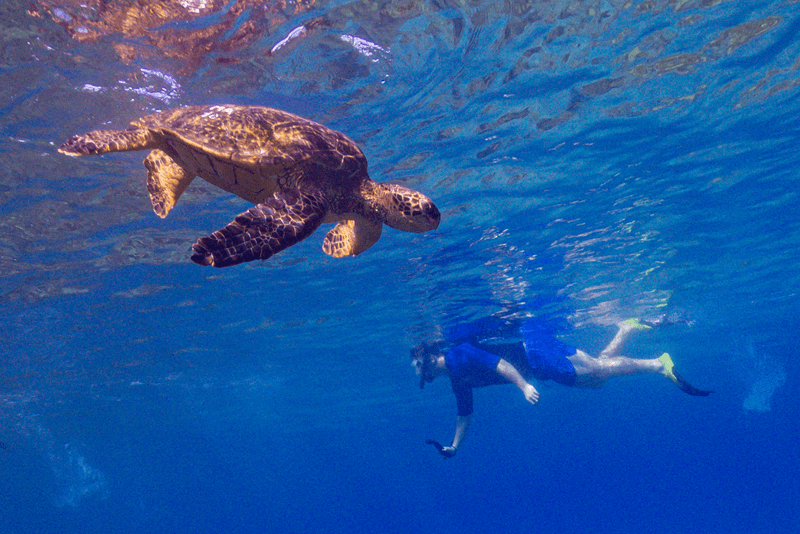
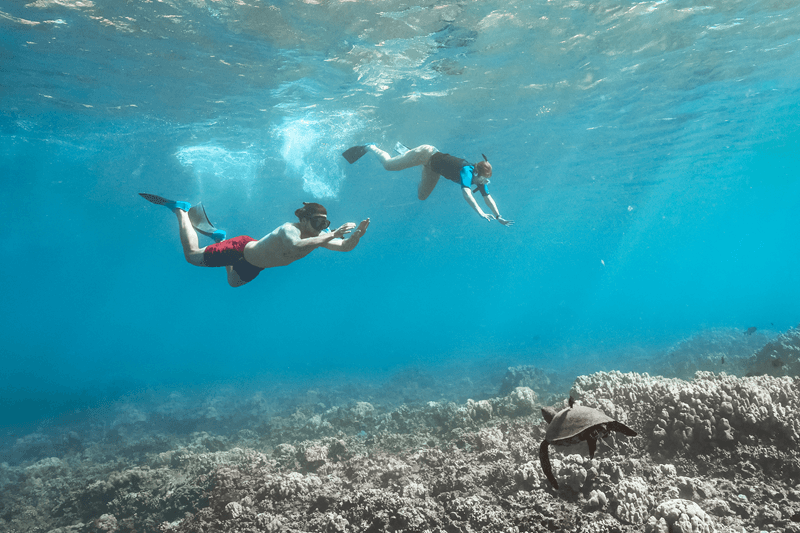
Quick Glance: For the best Maui snorkeling, go early in the morning for calmer water and clearer visibility. If you want the most reliable clarity, book a Molokini Crater Snorkeling Tour. If you want an easy shore snorkel, start in protected West Maui coves like Kapalua Bay or Napili Bay (only when the ocean is calm). For the best turtle odds, aim for Turtle Town (Maluaka) on calm, clear mornings.
Maui is truly a dream spot for anyone who loves to snorkel! The water is clear, the marine life is colorful, and the underwater views are stunning. You’re in the right place if you’ve dreamed of swimming with gentle Hawaiian green sea turtles, vibrant coral reefs, and colorful tropical fish. Here’s your ultimate guide to the best places to snorkel in Maui, Hawaii!
Whether you’re an experienced snorkeler or trying it for the first time, snorkeling in Maui offers something for everyone. You can slip into the water right from the beach at calm, beginner-friendly spots or join a boat tour for an offshore adventure. Many of Maui’s reefs are in protected areas, making them ideal for exploring safely while seeing colorful marine life up close. Always check the ocean conditions before heading out to ensure clear water and calm seas. No matter your experience level, you’ll find unforgettable Maui snorkeling spots waiting to be discovered!
Quick Picks: Maui Snorkeling Spots by Traveler Type
- Beginners / calm water: Kapalua Bay, Napili Bay, Kahekili (Airport Beach)
- Clearest visibility: Molokini Crater (morning)
- Turtles: Turtle Town (Maluaka), Black Rock on calm mornings
- Short day / near-shore: Coral Gardens (often protected from trades)
- Summer stunners: Honolua Bay, Kapalua Bay
At a Glance: Best Maui Snorkeling Spots (Comparison Table)
| Spot | Region | Entry | Best time | Good for | Why it’s great |
|---|---|---|---|---|---|
| Molokini Crater Boat | Offshore (South Maui) | Boat (guided) | Morning | All levels; photographers | Consistently clear water inside the crescent |
| Turtle Town / Maluaka Boat + Shore | South Maui | Boat or shore (conditions) | Morning | Families; turtle seekers | Frequent honu (green sea turtles) |
| Coral Gardens Boat | West/Central (Olowalu–Pali coast) | Boat (often protected from trades) | Afternoon option | Shorter tours; first-timers | Extensive coral and calmer surface on windy days |
| Black Rock (Kaʻanapali) Shore | West Maui (Kaʻanapali) | Shore | Calm mornings | Confident swimmers near resorts | Iconic lava point with reef right off the beach |
| Kahekili / Airport Beach Shore | West Maui (North Kaʻanapali) | Shore | Morning (lighter winds) | Families; casual shore snorkel | Healthy fringing reef + easier parking than Kaʻanapali |
| Napili Bay Shore | West Maui (Napili) | Shore | Morning / summer | Beginners; kids | Sheltered crescent; typically gentle |
| Kapalua Bay Shore | West Maui (Kapalua) | Shore | Morning / summer | First-timers; calm-water seekers | Very protected; easy entry |
| Honolua Bay Summer | West Maui (Honolua) | Shore (trail) | Summer mornings | Confident swimmers; photographers | Lush bay; excellent on glassy summer days |
| Wailea Beach Shore | South Maui (Wailea) | Shore | Morning | Casual snorkel days | Gentle conditions + resort amenities |
| Ulua Beach Shore | South Maui (Wailea area) | Shore | Morning | Beginners; practice sessions | Reef close to shore; popular training site |
| Makena Landing Shore | South Maui (Makena) | Shore | Morning (watch surge) | Intermediate swimmers | Reef structure; turtle sightings possible |
| La Perouse / ‘Āhihi Advanced | South Maui (Ahihi–La Perouse) | Shore (lava rock) | Light-wind mornings | Advanced; conditions-savvy | Stark lava coastline; clear water in calm windows |
Book your morning or afternoon tour to Molokini Crater, Turtle Town, and Coral Gardens! Dive into paradise!
Top 12 Snorkel Spots in Maui (Shore + Boat)
1. Molokini Crater (Boat)
Where it is + how to get there:
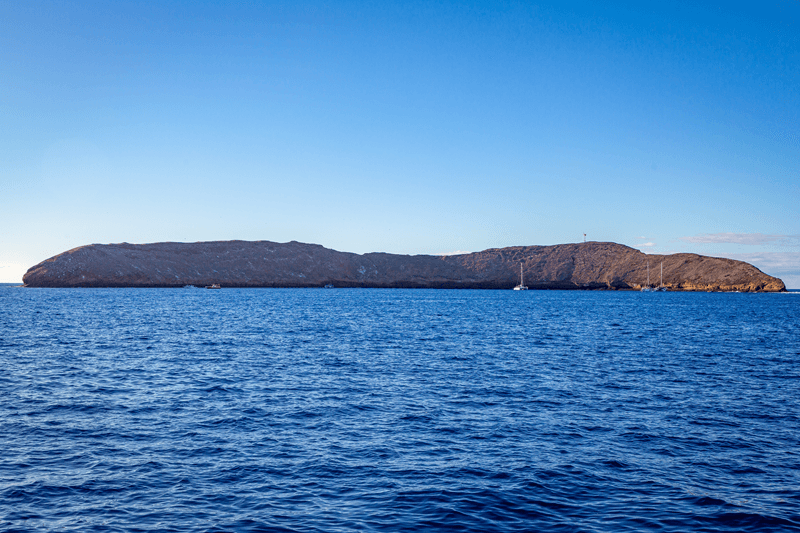
Molokini is a crescent‑shaped volcanic islet off Maui’s south/southwest coast. You can only reach it by boat, typically via snorkel tours departing from Maui harbors/ramps. Molokini Crater Maps Link
Entry notes:
Entry is from the boat (ladder/swim step). It’s usually a “float and snorkel” experience—no shore entry.
Parking + restrooms + showers:
You’ll use the tour departure location (harbor/boat ramp) for parking. Boats commonly have restrooms; bring a towel and dry clothes for after. (Molokini itself has no beach facilities.)
Conditions that make it “bad today”:
Afternoons are often more wind‑dependent; mornings are typically calmest/clearest for Molokini. If winds/swell are up, tours may adjust or choose alternate sites.
Best micro‑route:
Stay inside the sheltered crescent and follow your guide/crew’s route along the interior reef zone. Avoid pushing toward exposed edges if current is present.
Safety Note: Molokini Shoal is a Marine Life Conservation District (MLCD). For the official rules and prohibited activities (including restrictions on taking/altering marine resources and fish-feeding rules), see: Hawaiʻi DLNR: Molokini Shoal MLCD.
What you’ll most likely see (top 3):
Yellow tang/surgeonfish, butterflyfish, parrotfish (plus frequent reef “schools” and occasional eels).
2. Turtle Town / Maluaka (Boat + Shore)
Where it is + how to get there:
“Turtle Town” is commonly used for the Makena coastline area, and Maluaka Beach is a popular shore entry. Drive south through Wailea toward Makena, then park near the Maluaka Beach access. Turtle Town Maps Link
Entry notes:
Generally, a sandy beach entry. The reefs/structures are typically more interesting near the edges of the bay than straight out over sand.
Parking + restrooms + showers:
Multiple guides note public restrooms + showers at Maluaka Beach parking areas.
Conditions that make it “bad today”:
South‑shore sites can turn rough with a south swell, and any area can get murky after heavy rain/runoff. If water looks brown/milky, skip it.
Best micro‑route:
Use the sandy entry, then angle toward the rock/reef patches and cruise the reef edge (where fish and turtles tend to be). If you’re on a boat tour, follow the guide’s drift line.
Safety note: Give honu space—NOAA recommends staying at least 10 feet (3 meters) away from sea turtles (in the water and on land). See: NOAA Hawaiʻi Marine Wildlife Viewing Guidelines and Hawaiʻi DLNR: Sea Turtles. Never touch, chase, or block a turtle’s path.
What you’ll most likely see (top 3):
Hawaiian green sea turtles (honu), yellow tang/surgeonfish, and butterflyfish.
3. Coral Gardens (Near‑shore by Boat)
Where it is + how to get there:
Coral Gardens is along the Pali / Olowalu coastline (between Maʻalaea and Lahaina) and is most commonly visited as a near‑shore boat stop. Coral Gardens Maps Link
Entry notes:
Typically, a boat entry with an easy “drift and look” snorkel over coral heads. Shore access is available along Olowalu, but conditions/comfort vary—most visitors find this spot easiest to reach by boat.
Parking + restrooms + showers:
If you’re visiting by boat, you’ll use your departure harbor for facilities. If attempting shore access, assume minimal facilities and plan accordingly.
Conditions that make it “bad today”:
This area is often noted for being better protected from trade winds, making it a better option when other areas feel windblown—especially compared to more exposed sites.
Best micro‑route:
Follow the coastline‑parallel reef line and “hop” between coral heads (without touching). On tours, guides often set a mellow drift route—stay within the group’s zone.
Safety note:
Watch for boat traffic and drifting away from your pickup zone. Keep fins up in shallow coral and never stand on the reef.
What you’ll most likely see (top 3):
Reef fish schools, coral gardens, turtles (often), plus occasional eel sightings.
4. Black Rock (Kaʻanapali)
Where it is + how to get there:
Black Rock (Puʻu Kekaʻa) is the lava point at the north end of Kaʻanapali Beach near the Sheraton area. Black Rock Google Maps Link
Entry notes:
Sandy beach entry, but the rock/reef area can have surge. Many guides recommend entering a little away from the rocks, then swimming over once you’re floating comfortably.
Parking + restrooms + showers:
Facilities are “resort‑area style”: showers are often along the beachwalk/resorts, and public restrooms are available at Whaler’s Village (and other nearby shops).
Conditions that make it “bad today”:
Avoid on days with strong surf or wrap‑around current. Multiple guides warn that the point can have rip currents—especially if you stray too far out or around it.
Best micro‑route:
Snorkel the inside face of the rock and the reef just off the beach. Don’t make it an “around the point” mission unless you’re very experienced and conditions are clearly calm.
Safety note:
Give cliff‑jumpers space, keep an eye on currents, and set a turnaround time before you’re tired.
What you’ll most likely see (top 3):
Turtles, surgeonfish/tangs, butterflyfish (plus occasional rays further out).
5. Kahekili/Airport Beach
Where it is + how to get there:
Kahekili Beach Park (often called “Airport Beach”) is in North Kaʻanapali. Drive to the beach park parking lot and walk straight onto the sand. Kahekili/Airport Beach Google Maps Link
Entry notes:
Easy sandy entry with reef structure close enough that you don’t need a huge swim to see fish.
Parking + restrooms + showers:
Commonly listed with free parking, bathrooms, and showers at/near the park.
Conditions that make it “bad today”:
West/Northwest sites can get hit by winter north swells; afternoons can also get choppy from wind. If it’s rough here, consider a more sheltered plan.
Best micro‑route:
Several guides recommend snorkeling straight out from the pavilion as a reliable starting point; then you can follow the reef north/south as comfort allows.
Safety note:
Stay aware of where the reef drops off, and don’t drift far from your intended exit. Avoid standing on coral.
What you’ll most likely see (top 3):
Parrotfish, tangs/surgeonfish, turtles (often cruising the reef line).
6. Napili Bay
Where it is + how to get there:
Napili Bay is a sheltered crescent bay on West Maui, north of Kaʻanapali. Access is via neighborhood streets and beach paths. Napili Bay Google Maps Link
Entry notes:
Usually, a gentle sandy entry when calm, making it popular for beginner‑friendly beach days.
Parking + restrooms + showers:
Parking is typically street‑based. Showers are commonly mentioned, but restroom info is mixed: some guides mention a restroom near the Sea House area, while others note no true public restrooms (or inconsistent access). Set expectations accordingly and plan ahead.
Conditions that make it “bad today”:
Skip Napili if surf is breaking into the bay (often during winter north swells) or if visibility is blown out after weather.
Best micro‑route:
Snorkel the north or south rocky ends of the bay (both can hold reef life) rather than straight out over the center sand.
Safety note:
No bay is “always safe.” If you see strong shorebreak or surge near rocks, keep it a beach day.
What you’ll most likely see (top 3):
Butterflyfish, tangs, and occasional turtles along the rocky edges.
7. Kapalua Bay
Where it is + how to get there:
Kapalua Bay is a very popular, sheltered bay just north of Napili, with beach access via a tunnel/stairs. Kapalua Bay Google Maps Link
Entry notes:
One helpful approach: enter on the sandier/less rocky side for footing, then snorkel toward the more structured reef areas once you’re floating.
Parking + restrooms + showers:
Often listed with restrooms + showers, but parking can be tight (especially mid‑day).
Conditions that make it “bad today”:
Even protected bays can get surge or cloudy water with winter swells. Go early if you can—mornings are typically calmer across Maui.
Best micro‑route:
Many guides say the right side of the bay (near the rocks) can have better reef structure/visibility—just don’t go past the point unless you’re experienced and conditions are clearly calm.
Safety note:
Crowds + snorkelers = keep your head on a swivel. If you feel current pulling you toward/open past the point, turn back early.
What you’ll most likely see (top 3):
Turtles (sometimes), yellow tang/surgeonfish, butterflyfish.
8. Honolua Bay (Summer-dependent)
Where it is + how to get there:
Honolua Bay is on Maui’s northwest coast and is typically accessed via a short trail from the highway/parking area. Honolua Bay Google Maps Link
Entry notes:
This is not a casual “walk in anywhere” beach day. You’ll usually do a short hike, then enter calmer conditions (often from rocky shoreline areas).
Parking + restrooms + showers:
Guides commonly mention parking near the trailhead and portable restrooms (don’t expect showers).
Conditions that make it “bad today”:
Honolua is famously summer‑dependent because winter north swells can make it unsafe or cloudy. If there’s any meaningful north swell, choose another spot.
Best micro‑route:
On calm summer mornings, stay within the bay and work the reef edges without venturing into exposed open water.
Safety note:
Honolua–Mokuleʻia Bay is a Marine Life Conservation District (MLCD). For official rules and prohibited activities, see: Hawaiʻi DLNR: Honolua–Mokuleʻia Bay MLCD.
What you’ll most likely see (top 3):
Turtles, dense reef fish, and coral formations (when visibility is good).
9. Wailea Beach
Where it is + how to get there:
Wailea Beach sits in front of major Wailea resorts with public access points. Wailea Beach Google Maps Link
Entry notes:
Sandy entry; snorkeling quality varies by where you swim.
Parking + restrooms + showers:
Multiple guides note public restrooms + showers at/near the public access area. Parking availability can fluctuate (and construction/changes can happen), so it’s worth checking before you commit.
Conditions that make it “bad today”:
Wailea is on the south shore, so south swells can make snorkeling rough. If the surf is up or visibility is cloudy, pivot to a more protected bay.
Best micro‑route:
A common tip is that snorkeling is better if you swim past the right end of the beach toward the rocky structure, rather than staying centered over the sand.
Safety note:
Stay outside any swim zones/ropes and watch for a surge near rocks.
What you’ll most likely see (top 3):
Butterflyfish, tangs, and occasional turtles (especially near structure).
10. Ulua Beach (South Maui)
Where it is + how to get there:
Ulua Beach Park is in Wailea (near Mokapu Beach) and is a common training/shore‑snorkel spot. Ulua Beach Google Maps Link
Entry notes:
Usually, a manageable sandy entry on calm days, with reef structure reachable without a huge swim.
Parking + restrooms + showers:
Often listed with public restrooms + outdoor showers by the parking area.
Ulua/Mokapu Beach Park is part of Maui County’s PARK MAUI parking management program. Check the latest status, rules, and any posted rates here: PARK MAUI: Ulua/Mokapu Beach Park.
Conditions that make it “bad today”:
South swell can bring a surge and reduced visibility; afternoons can be windier. If the water is rough at the shoreline, don’t force it.
Best micro‑route:
Multiple guides say the best snorkeling is on the right‑hand side, where Ulua and Mokapu meet—look for the “lava fingers”/reef structure.
Safety note:
Crowds of snorkelers/divers are common. Use a buddy system and avoid standing on the reef.
What you’ll most likely see (top 3):
Parrotfish, butterflyfish, tangs (plus occasional turtles and eels).
11. Makena Landing
Where it is + how to get there:
Makena Landing is a small beach/launch area in Makena, south of Wailea. Makena Landing Google Maps Link
Entry notes:
Often an easy entry from a small sandy pocket, but the launch nature of the spot means you may see kayaks/SUPs entering/exiting too.
Parking + restrooms + showers:
Commonly listed with parking, bathrooms, and showers near the lot.
Conditions that make it “bad today”:
Local guidance notes that large south- and west-facing swells can create poor snorkeling conditions (and make launching difficult).
Best micro‑route:
If you want a lower‑stress snorkel, explore close to the landing first. More advanced snorkelers sometimes follow the coastline (conditions permitting), but this area can get dynamic—only extend your route if the ocean is clearly calm.
Safety note:
Watch for a surge near rocks and be extra mindful of ocean traffic in a launch area.
What you’ll most likely see (top 3):
Turtles, goatfish, tangs/butterflyfish (plus occasional octopus in rocky zones).
12. La Perouse/‘Āhihi area (Advanced)
‘Āhihi/Ahihi Cove (Kanahena Cove)
Where it is + how to get there:
This is within/adjacent to the ‘Āhihi‑Kīna‘u Natural Area Reserve zone south of Makena. Arrive early—parking fills up fast. ‘Āhihi Google Maps Link
Entry notes:
Rocky/lava entry (not a sandy beach walk‑in). Foot protection helps on sharp/uneven lava.
Parking + restrooms + showers:
DLNR announced a $5 vehicle user fee for non‑Hawaiʻi residents at ‘Āhihi‑Kīna‘u (paid at machines; display receipt). Confirm current instructions and payment details here: Hawaiʻi DLNR: ‘Āhihi‑Kīna‘u NAR (official info). Background on the original non-resident user fee announcement: DLNR news release (Sep 9, 2020).
Conditions that make it “bad today”:
A south swell can light up this whole coastline. If there’s any significant surf or you see a heavy surge at the entry, choose a safer bay.
Best micro‑route:
Stay inside the cove area, where you can comfortably return. This is a place where “short and sweet” can beat “farther.”
Safety note:
This zone is managed to protect a fragile area—stay on trails, follow signs, and don’t touch/stand on the reef.
What you’ll most likely see (top 3):
Dense reef fish, occasional turtles, and lots of lava‑reef texture.
La Perouse Bay
Where it is + how to get there:
La Perouse Bay is at the end of the road past Makena—remote and rugged. La Perouse Bay Google Maps Link
Entry notes:
Sharp lava and tougher entry/exit. This is commonly described as advanced snorkeling when conditions are calm.
Parking + restrooms + showers:
Expect basic amenities like portable toilets and trash bins (no “beach park” style showers).
Conditions that make it “bad today”:
Any meaningful swell or strong wind can make entry/exit unsafe. Early morning is usually your best window.
Best micro‑route:
If you go at all, keep your route conservative: stay near your planned exit and avoid getting drawn into “one more cove” exploration if current picks up.
Safety note:
Currents + sharp lava + remoteness = don’t push limits here. A snorkel vest and a strict turnaround rule are smart choices.
What you’ll most likely see (top 3):
Tangs (including yellow/achilles in some reports), butterflyfish, turtles (often in calm windows)

Why Snorkeling in Maui is so Good
Maui has some of the clearest waters in Hawaii, warm weather, and abundant marine life that attracts snorkelers worldwide. Here’s why this Hawaiian island is one of the best places to snorkel:
- Crystal Clear Waters: The waters around Maui are super clear. This means you can easily see colorful fish, bright corals, and other amazing sea creatures swimming around.
- Rich Marine Life: From graceful sea turtles to schools of tropical fish, the underwater world around Maui is teeming with life.
- Diverse Ecosystems: Maui offers a variety of underwater landscapes. You can explore an ancient underwater volcano and float through beautiful coral gardens. If you prefer, swim over sandy ocean floors. There’s so much to discover!
- Ideal Weather Conditions: Light winds and warm ocean water make a great setting for safe and fun snorkeling.
This makes Maui a popular snorkeling spot for those who want to explore one of the most colorful underwater worlds in the Pacific.
Maui Snorkeling Tips
To make the most of your time exploring the best places to snorkel in Maui, here are a few tips to keep in mind:
- Book Our Snorkel Tours: We can make your experience even better. We’ll show you hidden gems, keep you safe, and share cool facts about the local marine life! Our tours to Molokini Crater, Turtle Town, and Coral Gardens focus on fun and protecting the environment!
- Respect the Environment: Always follow local guidelines to protect the underwater world. Avoid touching or stepping on the coral, and maintain a respectful distance from marine life, especially sea turtles.
- Prepare for the Sun: The tropical sun in Maui can be intense. Wear reef-safe sunscreen, a hat, and UV-protective clothing to avoid sunburn during your snorkeling adventure.
- Bring the Right Gear: While we provide premium snorkeling gear and reef-safe sunscreen, please bring a towel!
- Stay Hydrated: Snorkeling can be physically demanding, so bring water and snacks if you’re beach snorkeling. Hydration is key, especially in the warm Hawaiian climate.
- Plan for Weather Variability: Although Maui’s weather is generally favorable, conditions can change. Check local weather and sea conditions before you head out to ensure the best experience possible.
- Best Time to Snorkel: Mornings generally offer calmer waters and better visibility before the afternoon winds pick up.
By following these tips, you can ensure your adventure among the best snorkeling spots in Maui, Hawaii, is not only enjoyable but also safe and environmentally responsible.
Responsible Snorkeling in Maui
Maui’s underwater ecosystems are not just a playground for snorkelers—they are delicate habitats that need our protection. Responsible tourism is key to preserving these environments for future generations. We adhere to strict guidelines to minimize human impact on the marine ecosystem.
Here are some sustainable practices that both tour operators and snorkelers can embrace:
Leave No Trace: Always properly dispose of your trash. Don’t leave personal items on the beach or in the water.
Choose Eco-Friendly Tours: We are committed to environmental conservation and responsible snorkeling practices.
Educate Yourself: Learn about the local marine life and the environmental challenges these ecosystems face. This knowledge can inspire better practices and foster a deeper appreciation for Maui’s natural beauty.
Respect Wildlife: Remember that marine animals are not just part of the show. They are living beings that deserve our respect. Keep your distance and avoid interfering with their natural behaviors.
By following these practices, you help keep Maui’s underwater treasures safe. This way, the best places to snorkel in Maui will stay beautiful for years to come.
How to Plan Your Maui Snorkeling Day
From Molokini Crater’s underwater views to turtle encounters in Turtle Town and the vibrant reefs of Coral Gardens, Maui delivers a snorkeling experience like no other. Each location has its own unique charm and provides an intimate look at Hawaii’s rich marine biodiversity.
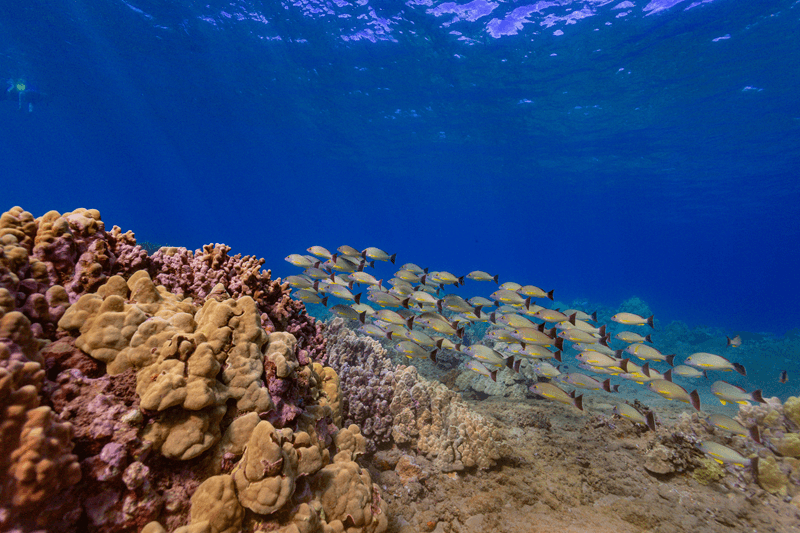
Molokini Crater is a protected marine preserve with crystal-clear waters. Here, you can see unique rock formations and many types of fish. It feels like snorkeling in an aquarium. Turtle Town gives you the chance to meet Hawaii’s sea turtles in their natural home. It’s an unforgettable experience for animal lovers and nature fans alike. And then there’s Coral Gardens, a kaleidoscope of color and life, where every swim is like exploring a living, breathing work of art.
If you’re looking for something unique, Maui has amazing snorkeling spots on its beaches. Check out Kaanapali, Napili Bay, and Wailea. These spots offer a perfect blend of fun and relaxation, ideal for unwinding after a guided tour or for exploring the ocean’s wonders on your own.
Final Thoughts: Best Snorkeling Spots in Maui
Molokini Crater, Turtle Town, and Coral Gardens each offer something special. Molokini stuns with its views, Turtle Town warms your heart with sea turtle encounters, and Coral Gardens shines with vibrant colors. Together, they create some of the best snorkeling spots in Maui. Each site has its own character, adding to an experience that is diverse and unforgettable.
Whether you’re visiting once or returning often, Maui’s underwater world is ready to explore. Clear waters, rich marine life, and strong conservation efforts make it stand out. Now is the perfect time to explore why Maui is one of the best places to snorkel in Hawaii. So grab your mask, fins, and a sense of adventure!
The underwater wonders of Maui await you—ready to be discovered, admired, and remembered. Happy snorkeling!
Best Places to Snorkel FAQs
Where can I snorkel in Maui without a tour?
You can absolutely shore snorkel on Maui—just choose a calm morning and a spot with a protected bay. Popular shore entries include Kapalua Bay, Napili Bay, Kahekili (Airport Beach), Black Rock, Ulua Beach, and Wailea. If you’re newer, start with our Maui Snorkeling for Beginners guide and do a quick conditions check using Maui Snorkel Conditions before you get in.
What time of day is best for snorkeling?
Early morning is usually best on Maui. Trade winds often build later, so mornings tend to have lighter wind, less surface chop, and better visibility—especially offshore. For a month-by-month breakdown, see Best Time to Snorkel Maui.
Which Maui spot has the clearest water?
Molokini Crater is famous for consistently clear visibility inside the sheltered crescent, especially on morning trips. It’s boat-only. Helpful planning links: Molokini Crater Visitor Guide and Molokini Crater Snorkeling Tour. Official rules: DLNR Molokini Shoal (MLCD).
What’s the best beach for beginners?
On calm days, Kapalua Bay and Napili Bay are typically the most beginner-friendly because they’re sheltered coves with easier entries. Ulua Beach is also a popular “practice” spot when conditions are mellow. If you want a simple start-to-finish plan (gear + safety + where to stand), use Maui Snorkeling for Beginners.
Will I see turtles?
Wildlife is never guaranteed, but Turtle Town (Maluaka) is one of the most reliable areas for spotting honu (Hawaiian green sea turtles) on calm, clear mornings. Turtles also appear at places like Black Rock and other reefy edges on good days. Read: Turtle Town Snorkeling Guide. And give turtles space—NOAA recommends at least 10 feet: NOAA Marine Wildlife Viewing Guidelines (Hawaiʻi).
What if it’s windy or choppy—where should I snorkel?
If it’s windy and you see whitecaps or strong surface chop, shore snorkeling often gets harder (and “looks murkier” due to glare and stirred-up sand). Your best options are: go earlier the next day, pick a more protected bay, or choose a near‑shore boat stop that’s often sheltered from trades like Coral Gardens. Use Maui Snorkel Conditions to match wind/swell to the right coastline, and see Coral Gardens Guide or Afternoon Snorkeling Tour for a wind-friendly plan.
Can I snorkel after it rains?
After heavy rain, it’s often smarter to wait. Runoff can make the ocean brown/cloudy and can carry contaminants—plus visibility is usually worse. A simple rule: if the water looks murky (or you see runoff near streams/drains), skip the snorkel and come back when it clears. For a practical decision checklist, see Maui Brown Water Advisory: Can You Snorkel After Rain?. Official water-quality info: Hawaiʻi DOH Clean Water Branch (Water Quality).
How close can you get to turtles, monk seals, dolphins, and whales in Hawaiʻi?
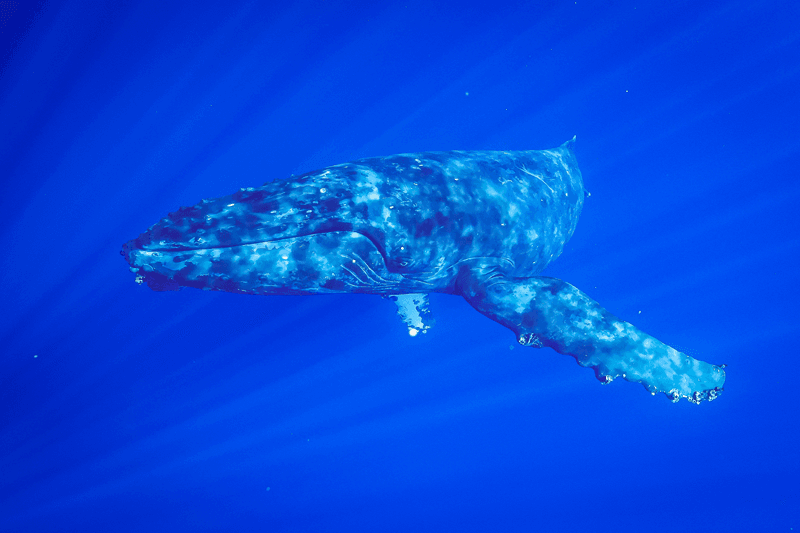
NOAA’s Hawaiʻi guidance recommends (and in some cases requires) minimum distances: Sea turtles: 10 ft; Hawaiian monk seals: 50 ft (150 ft for moms with pups); dolphins & small whales: 50 yards; humpback whales: 100 yards (required). Never touch, chase, feed, or block an animal’s path. Official guidance: NOAA Marine Wildlife Viewing Guidelines (Hawaiʻi).
What sunscreen should I use for snorkeling on Maui?
The easiest reef-conscious plan is UPF clothing (rashguard) first and mineral sunscreen second. Maui County’s guidance emphasizes mineral-only sunscreen (zinc oxide and/or titanium dioxide) and explains why “reef safe” labels can be misleading. Reference: Maui County: Mineral Only Sunscreen.
What should I bring for a Maui snorkel day?
Bring the basics that make the day safer and more comfortable (especially for shore entries):
- Mask + snorkel + fins (plus defog)
- Rashguard/UPF, hat, sunglasses
- Water + snack, towel, dry clothes
- Reef-conscious sun protection
- Floatation if you’re not a confident swimmer
Full checklist here: Maui Snorkeling Packing List. For official safety basics, see Hawaiʻi Ocean Safety: Snorkeling Safety.
Is snorkeling in Maui safe? What about sharks?
Snorkeling can be safe on Maui when you match the site to the conditions and your skill level: snorkel with a buddy, avoid strong surf/currents, and skip murky water. Sharks are part of the ecosystem; incidents are rare, but smart habits matter (avoid dawn/dusk, don’t snorkel in brown water after storms, and don’t chase wildlife). If you want the full breakdown and practical tips, see Are There Sharks in Maui? Is Snorkeling Safe? and Hawaiʻi Ocean Safety: Snorkeling Safety.