Are There Sharks in Maui? What Snorkelers Should Know

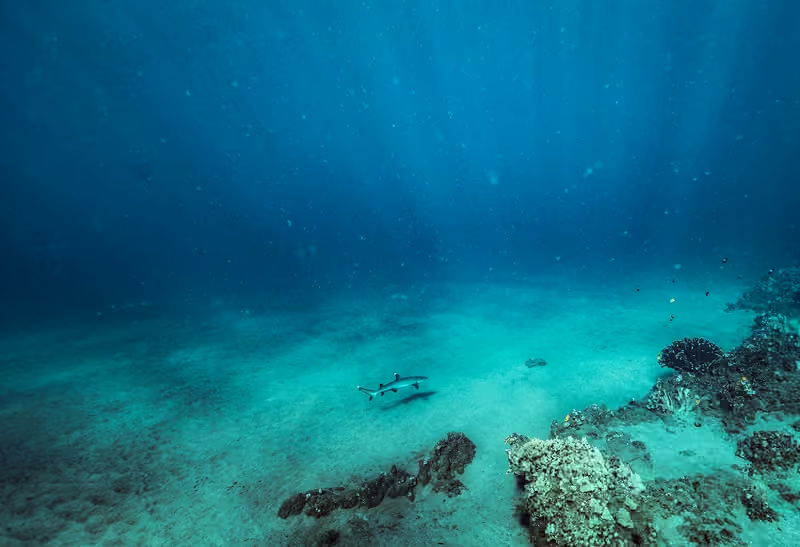
Sharks in Maui swimming underwater in clear blue ocean wateri
Written by the Maui Snorkeling team, operating Molokini Crater, Turtle Town, and Coral Gardens tours out of Maalaea (Māʻalaea) Harbor since 1985. Tours are led by USCG‑licensed captains aboard a USCG‑inspected passenger vessel. We spend more days in these waters than on land.
Last updated May 23, 2026

Quick Answer: Yes, there are sharks in Maui, but shark encounters are uncommon and most visitors snorkel without seeing one. You’ll lower your risk by choosing clear, calm water, snorkeling with a buddy or guided tour, avoiding murky water, and following lifeguard or crew guidance.

Main Takeaways:

  • Overall Risk: Shark encounters are uncommon, but the ocean isn’t risk-free
  • Best Conditions: Clear, calm water, usually earlier in the day
  • When To Avoid Snorkeling: Dawn, dusk, night, brown or murky water, stream mouths, harbor entrances, and areas with fishing activity
  • If You See A Shark: Stay calm, keep it in sight, signal your group, and leave the water without splashing
  • Guided Tour Benefit: Experienced crews watch ocean conditions, choose snorkel sites carefully, and can change plans when conditions don’t look right

If there’s one question almost every nervous first‑timer has before booking a snorkel tour, it’s this:

“But… what about sharks?”

Totally fair.

Yes, sharks live in Maui’s waters year‑round. They were here long before airplanes and snorkel boats showed up, and they’re a crucial part of a healthy reef. But the picture most people carry in their heads, of dorsal fins circling every swimmer, is wildly out of step with what actually happens here. Movies, clickbait headlines, and social media make sharks look like they’re everywhere and always dangerous!

Across all of Hawaiʻi, only a handful of shark bites are recorded each year among millions of people swimming, surfing, paddling, diving, and snorkeling. The Hawaiʻi Department of Land and Natural Resources (DLNR) estimates that the chance of being bitten by a shark here is less than one in a million for an ocean user.

In this guide, we’ll break down:

  • What the numbers really say about sharks in Maui
  • Which shark species actually live here
  • When and where risk tends to be higher
  • Simple shark‑safety tips for snorkelers
  • Why guided Molokini and Turtle Town tours are one of the lowest‑stress ways to enjoy the reef

Along the way, we’ll point you to related guides on our blog, like Maui Snorkeling for Beginners, Maui Snorkel Conditions 101, and Eco‑Friendly Snorkeling in Maui, so you can plan with clear eyes and a calm mind. We spend our lives in these waters, so here’s how we think about sharks and ocean safety when we take guests snorkeling.

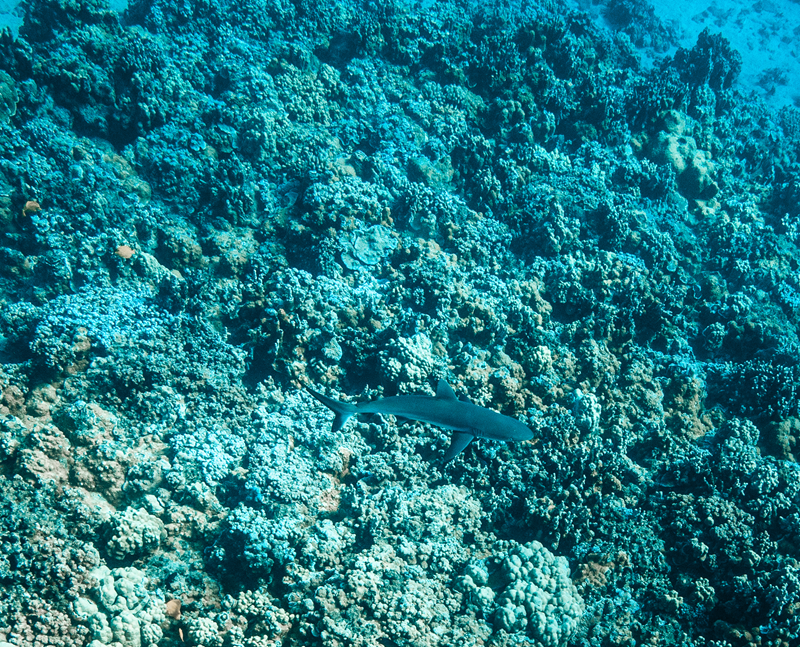
Reef shark swimming near ocean floor with sandy bottom in clear Maui water

Shark Reality Check: What the Numbers Actually Say

How Often Do Shark Incidents Happen in Hawaiʻi?

Let’s zoom out before we zoom in on Maui.
  • DLNR’s current shark incident resources track incidents through 2025, and the overall pattern is consistent: shark incidents remain rare compared with how many people swim, surf, paddle, dive, and snorkel in Hawaiʻi each year.
  • Tourism numbers over the same period sit around 9–10 million visitors per year, plus 1.4+ million residents, many of whom are in the water regularly.
  • DLNR drives the point home: the chance of being bitten is less than one in a million, and a fatal attack is rarer still (around one in several million in some estimates).
Put differently: every day, thousands of people get in and out of the ocean across Hawaiʻi without encountering a shark. If you’re reading scary headlines about “Maui shark attacks,” this is the actual data those stories are usually based on, numbers that look a lot different once you put them in context. And “incident” includes everything from:
  • a shark bumping a surfboard
  • damage to a kayak
  • non-fatal bites
  • to the rare serious or fatal attack
Put into perspective: this covers nearly 30 years of records, compared with millions of ocean entries every single year.

Why Maui Shows Up in Shark Incident Data

Maui appears more often in the statistics than some of the other islands. DLNR’s incident records continue to show that Maui appears more often in Hawaiʻi shark incident data than some other islands. That doesn’t mean most Maui ocean users will encounter a shark. It means Maui’s ocean geography, nearshore shelf, visitor activity, and marine habitat all need to be understood in context. Why?
  • Maui Nui (Maui + surrounding islands) sits on a broad underwater shelf that creates great habitat for tiger sharks and their prey.
  • Satellite‑tagging studies have tracked tiger sharks routinely cruising Maui’s nearshore waters, including areas popular with humans.
That sounds scary until you realize what that really means:
  • Sharks are around a lot more often than bites would suggest, so most of the time, they are not interested in people.

Which Conditions Show Up Most Often in Shark Incident Reports?

Looking at incident summaries across Hawaiʻi: This is actually good news: it means there are clear patterns we can avoid. That’s what the rest of this guide is about!

Shark Incidents At A Glance

Here’s a simple look at shark incidents in Hawaiʻi, Maui, and Oʻahu. The big takeaway is that incidents are rare compared with how often people enter the ocean.

Metric Statewide Hawaiʻi Maui Oʻahu
Average shark incidents per year About 6 per year About 2 per year About 1 to 2 per year
Incidents recorded since 1995 About 196 DLNR-listed incidents About 63 DLNR-listed incidents About 50 DLNR-listed incidents
Ocean entries per year Millions of swims, surfs, paddles, and snorkels every year across all islands
Bottom line Incidents remain rare compared with how often people enter the ocean, especially in clear, calm conditions at lifeguarded or guided locations.

Note: Based on Hawaiʻi DLNR shark incident records reviewed in May 2026. DLNR adds incidents after the Division of Aquatic Resources completes its investigation. Totals can vary by chart and definition because DLNR separates confirmed, provoked, and unprovoked incidents in different resources.

What Kinds of Sharks Live Around Maui?

Reef Sharks (Whitetip, Blacktip & Friends)

The shark species snorkelers are more likely to glimpse, if any, are smaller reef sharks:

  • Whitetip reef sharks: often found resting under ledges or cruising drop‑offs at spots like Molokini.
  • Blacktip reef sharks: slender sharks with a black streak on the dorsal fin, also part of healthy reef ecosystems.

These sharks are generally shy and tend to keep their distance. If you see one from the surface, it’s usually a slow, calm pass along the reef, cool to witness, and over in seconds. A quick glimpse of a small reef shark cruising along a drop-off is totally normal and usually gone in seconds. Most snorkelers never see one at all, and if they do, it’s more of a “wow” moment than anything else.

Tiger Sharks in Context

Tiger sharks are the big, headline-grabbers: thick body, blunt nose, faint vertical stripes, apex predator status. They grow large (often 8–12 feet) and are involved in many of the more serious incidents in Hawaiʻi. Tracking work around Maui shows tiger sharks regularly using coastal waters and the broader Maui Nui shelf. But here’s the key: even with tiger sharks around, bites are still rare, which tells you a lot about how uninterested they typically are in humans.

Sharks in Maui as Part of a Healthy Reef

It’s hard to feel grateful for sharks when the word “attack” is stuck in your head. But from an ecosystem perspective, sharks are good news.

  • As apex predators, species like tiger sharks and reef sharks help keep other populations, turtles, seals, and fish, in balance. When top predators disappear, entire food webs can wobble.
  • Many Hawaiian shark species are culturally significant and increasingly protected; killing or harassing them is both illegal in many cases and harmful to reef health.
  • Seeing any shark while snorkeling is a reminder that you’re visiting a truly wild place, not a chlorinated pool.

Our philosophy is simple:

  • Respect the ocean. Respect your limits. Respect wildlife.

Do that, and sharks stay what they are for almost everyone who visits Maui: a background presence in a thriving reef system, not the main character of your vacation. 🔗 Want to go deeper on low‑impact snorkeling? Our Eco‑Friendly Snorkeling in Maui guide covers reef‑safe sunscreen, “no‑touch” practices, and simple ways to leave the reef better than you found it.

When to Be More Careful in the Water

You can’t control what sharks do, but you can control where and when you get in the water.

Conditions That Increase Risk

DLNR and Maui County shark‑safety guidance highlight a few consistent red flags:

  • Murky or brown water
    • After heavy rain, rivers and runoff can turn coastal water brown. Visibility drops, prey behavior changes, and predators may move closer in.
    • As we say in our Maui Snorkel Conditions 101 guide: if the water looks like coffee, it’s a nope for snorkeling.
  • Dawn, dusk, and night
    • Some shark species are more active near shore at low‑light times, which is one reason you’ll rarely see snorkel tours running at sunrise or after sunset.
  • River mouths, harbor entrances, and drop‑offs
    • These transition zones concentrate bait and currents, and show up often in incident reports.
  • Areas with active fishing or spearfishing
    • Sharks have learned that “fish struggling at the surface” often means “free meal.” If you see people spearing, tossing bait, or cleaning fish, give that area a wide berth.

If a spot gives you that “hmm, not sure about this” feeling, brown water, no one else in, or posted warnings, it’s absolutely okay to skip it.

Seasons & “Sharktober”

You may have heard of “Sharktober”, a nickname for the fall months when shark activity and incidents have historically ticked up in parts of Hawaiʻi. DLNR’s incident graphs show that certain historical patterns indicate an increased risk of shark bites from October through December. That doesn’t mean you need to avoid Maui in the fall. It means you should be extra picky about conditions, avoid brown water, and follow guidance from lifeguards or crew. Do you need to avoid Maui in the fall? No.

  • It just means that if you’re visiting during that time, it’s extra important to:
  • Be picky about conditions (clear water only)
  • Avoid solo, dawn, or dusk swims
  • Respect any “Shark Sighted” or “No Swimming” signs, including waiting out 24‑hour beach closures after an incident

🔗 Our Best Time to Snorkel Maui (Month‑by‑Month) guide explains how seasons affect wind, swell, and visibility, and why morning Molokini runs are such a sweet spot.

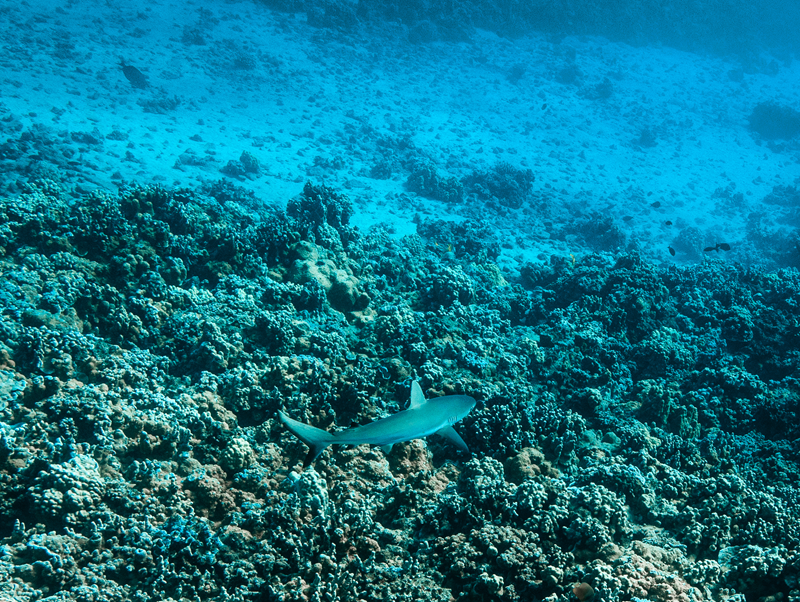
Shark swimming in open ocean water with blue background in Maui

How Guided Snorkel Tours Help Keep You Safe

Plenty of locals shore‑snorkel on their own. But if you’re a visitor, joining a reputable boat tour is one of the simplest ways to layer on extra safety, for sharks and everything else.

Here’s what we (and other good operators) do behind the scenes:

  • Daily conditions checks
    • Captains look at NOAA marine forecasts, live buoy data, wind models, and brown‑water advisories before choosing a route.
    • If conditions at one site don’t look right, they pivot to another, Molokini, then Turtle Town, or a backup like Coral Gardens.
  • Clear‑water morning windows
    • Our Molokini and Turtle Town combos are timed to take advantage of Maui’s typically calmer, clearer mornings—well away from dawn and dusk feeding times.
  • Group structure & supervision
    • Snorkelers enter from a stable platform, with floatation (belts, noodles, vests) readily available.
    • There are crew members in the water and on deck watching the group, ready to redirect if wildlife behavior changes or conditions shift.
  • Conservative calls
    • If anything feels off, whether that’s visibility, currents, or unusual wildlife behavior, the captain can keep you on the boat or move the group. Safety comes before squeezing in one more snorkel stop.

🔗 Curious how a morning with us flows? Our Molokini + Turtle Town Morning Combo: What to Expect article walks you through check‑in, boat layout, and both snorkel stops, step‑by‑step. Packing the right gear also makes your day safer and more comfortable, here’s our snorkeling packing list for Maui.

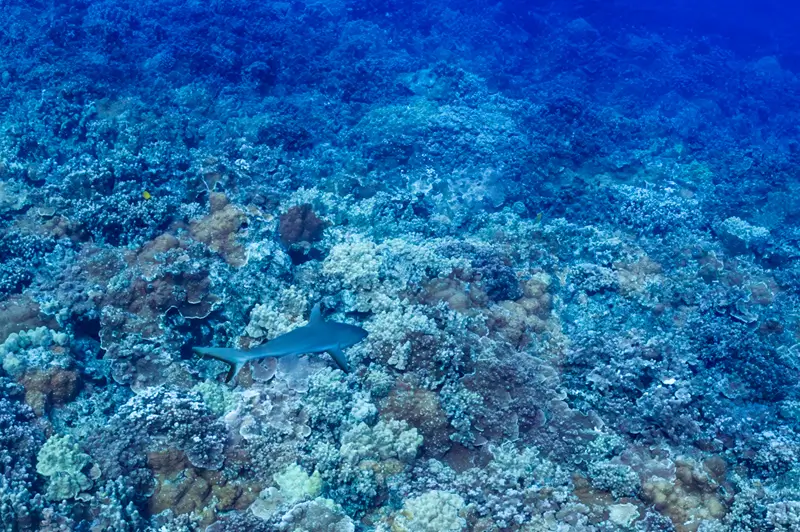
Reef shark swimming above coral reef underwater in clear blue Maui ocean water.

Shark Safety Tips for Maui Snorkelers (Easy Checklist)

Think of these as your shark‑and‑general‑ocean safety checklist, adapted from DLNR, Maui County, and years of watching conditions.

Do:

  • Do snorkel with a buddy
    • Pairs or groups are easier to spot and assist, and sharks are less interested in larger, organized groups.
  • Do choose clear, calm water
    • If you can’t see the bottom in a shallow bay that’s normally clear, don’t force it.
  • Do go earlier in the day
    • That’s when Maui’s trade winds tend to be lightest, and visibility is at its best. (This is exactly why our morning Molokini tours are so popular.)
  • Do obey lifeguards and signs
    • “Shark Sighted,” “No Swimming,” or brown‑water advisories are not suggestions. They’re your cue to pick another beach, or stay on the boat deck with a mai tai.
  • Do leave the water calmly if you see a shark
    • Stay composed, keep your eyes on it, and swim back toward your group or boat without splashing.

Don't:

  • Don’t snorkel in brown or murky water
    • Runoff reduces visibility and can change prey behavior; it also raises bacteria levels, which is another reason we avoid it.
  • Don’t swim near people fishing or spearfishing
    • Hooks, bait, and bleeding fish are exactly what sharks are looking for.
  • Don’t wear lots of shiny jewelry
    • Flashy reflections can look like small baitfish in the water.
  • Don’t chase, corner, or try to touch wildlife
    • That goes for turtles, rays, and especially any shark. Stressed prey animals can attract predators.
  • Don’t ignore that “gut feeling.”
    • If the water, weather, or crowd feels off to you, it’s okay to call it and try another day.

🔗 For more “what not to do” guidance, check out our Top 10 Things You Should Never Do When Snorkeling in Maui, it covers everything from standing on coral to getting too close to honu (sea turtles).

Important: These tips reduce risk; they don’t erase it. Always follow lifeguard instructions, official advisories, and your tour crew’s safety briefings.

Ready to snorkel Maui?

Book an easy Maui boat trip with snorkel gear, food, crew guidance, and simple online booking.

  • Morning Tour: Molokini Crater, Turtle Town, great visibility, and a full snorkel experience
  • Afternoon Tour: A shorter, more relaxed snorkel trip at Coral Gardens or the best available reef
  • Private Charters: A custom boat day for families, weddings, celebrations, and groups

Compare: Morning Molokini Tour Afternoon Snorkeling Tour Private Charters

Sharks in Maui FAQs

Yes, there are sharks in Maui's waters. That's normal for Hawai'i, and it doesn't mean you need to avoid the ocean. Most snorkelers won't see a shark, especially when they're with a guided tour in clear, calm water. The smartest approach is to respect the ocean, choose good conditions, and follow local safety guidance.

It's reasonable to feel cautious, but shark encounters aren't something most Maui visitors experience. You can lower your risk by snorkeling with a buddy, choosing lifeguarded beaches or guided tours, going when the water is clear and calm, and staying close to your group. Don't snorkel at dawn, dusk, night, after heavy rain, or in brown or murky water.

The sharks people ask about most are reef sharks and tiger sharks. Reef sharks are part of healthy reef ecosystems and are usually not interested in snorkelers. Tiger sharks are larger coastal predators and deserve extra respect. Seeing any shark from the water is a sign to leave calmly and give the animal space.

Shark risk can be higher at dawn, dusk, night, in murky water, near stream mouths after rain, around harbor entrances, near channels or steep dropoffs, and around fishing activity. Tiger sharks can bite at any time, so don't treat midday as a guarantee. Choose clear water, calm conditions, and follow lifeguard or crew guidance.

Stay calm, keep the shark in sight, signal your buddy or guide, and leave the water without splashing or chasing it. Don't block the shark, touch it, feed fish, or try to get closer for a photo. Once you're out of the water, tell lifeguards, your boat crew, or your tour operator.

Yes, sharks can be present around Molokini because it's part of the ocean, not an aquarium. That doesn't mean a shark sighting is likely on your tour. Many guests snorkel Molokini without seeing a shark. Visibility, ocean conditions, and crew guidance matter more than worry.

No, Sharktober doesn't mean the ocean is off-limits. It's a nickname for a time of year when tiger shark activity has historically gotten more attention in Hawai'i. You should still base your decision on same-day ocean conditions, lifeguard advice, your tour crew's guidance, and your personal comfort level.

A guided snorkel tour can't remove all ocean risk, but it can help you make better choices. Crew members watch conditions, choose snorkel sites based on visibility and weather, explain safety rules, and can change the plan if the water doesn't look right. That's helpful for visitors who don't know Maui's ocean conditions well.

There's no risk-free ocean activity, but smart choices help. Snorkel with a buddy, go in the morning when conditions are often better, use well-fitting gear, float more than you swim, avoid rough or murky water, stay away from fishing activity, respect marine life, and get out if you feel tired, dizzy, anxious, or unsure.

Final Thoughts: Enjoy the Reef, Respect the Ocean

So, should you be worried about sharks in Maui?

Here’s the honest answer:

Yes, sharks are here, and a small number of incidents happen every year.

No, they are not lurking behind every wave waiting for tourists. The data say your odds of a shark bite in Hawaiʻi are extremely low, especially if you avoid the highest‑risk conditions.

If you:

  • Stick to clear water
  • Respect warnings, closures, and lifeguards
  • Snorkel with a buddy or a trusted tour operator
  • Give all wildlife generous space

…you’re doing what locals do to make shark risk a background concern, not a reason to skip the ocean.

When you’re ready to experience Maui’s reefs, with captains and crew who watch conditions all day so you don’t have to, we’d love to welcome you aboard for a Molokini Crater Snorkeling Tour!

Mahalo for caring enough to learn about sharks on Maui before you jump in. That mindset alone makes you a safer, more respectful guest of the ocean! 🌊🦈

Sources & Updates: Shark activity, ocean conditions, water quality, and safety guidance can change. Before you swim or snorkel, check the official resources below.

© 2026 Maui Snorkeling | Sitemap | Disclaimer | Privacy Statement | Cookie Policy