Best Time To Snorkel Maui: Month-By-Month Guide For 2026

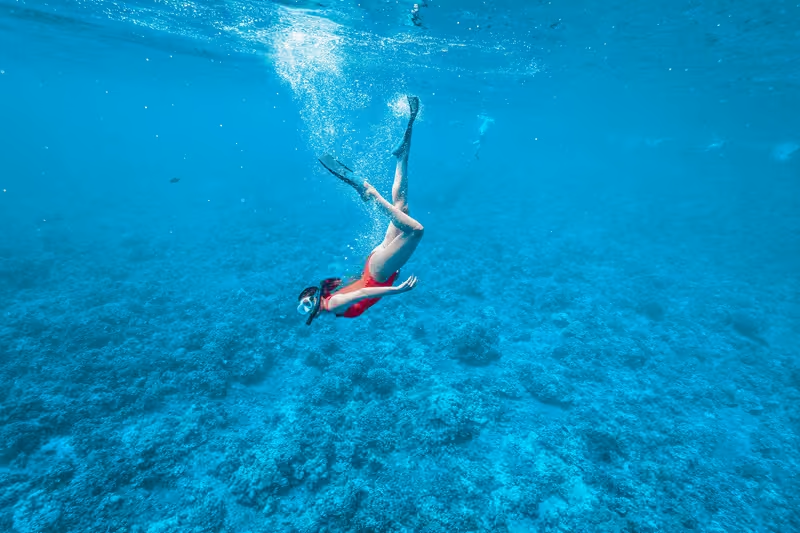
Snorkeler diving underwater in clear blue water during a Maui Snorkeling Tour at Coral Gardens
Written by the Maui Snorkeling team, operating Molokini Crater, Turtle Town, and Coral Gardens tours out of Maalaea (Māʻalaea) Harbor since 1985. Tours are led by USCG‑licensed captains aboard a USCG‑inspected passenger vessel. We spend more days in these waters than on land.
Last updated May 23, 2026

Quick Answer: The best time to snorkel Maui is usually early morning, when winds are lighter, visibility is better, and ocean conditions are often calmer. Maui snorkeling is available year-round, but late spring through early fall often brings warm water and reliable morning conditions. Winter snorkeling can also be excellent, especially on guided boat tours, but north and west swells can make some shore spots rough or unsafe.

Main Takeaways:

  • Best Time Of Day: Morning is usually best for calmer water, lighter winds, and better visibility
  • Best Overall Season: Late spring through early fall is often ideal for warm water and dependable snorkel conditions
  • Best For Clear Water: Choose a morning Molokini Crater Snorkeling Tour when ocean conditions allow
  • Best For Families: A Maui Afternoon Snorkeling Tour can be a great fit for a later start, relaxed pace, and near-shore snorkeling
  • Winter Bonus: November through April can bring humpback whale sightings on the boat ride, with peak whale season typically in winter
  • Do Not Force It: Wind, swell, rain, and visibility matter more than the calendar, so check conditions before snorkeling

Aloha! If you’re planning an ocean adventure, you’re probably wondering about the best time to snorkel Maui. The island’s reefs and bays are beautiful year-round, but conditions can change with the seasons. From calm summer mornings to the occasional winter swell, knowing what to expect each month can help you choose the right spots and make the most of your trip. This guide takes you through Maui’s snorkeling conditions month by month so you can plan with confidence!

Best Months to Snorkel Maui at a Glance

Here’s a quick month-by-month look at Maui snorkeling conditions, including what each season is best for and what to watch before getting in the water.

Month Snorkeling Conditions Best For Watch Out For
January Winter conditions can bring larger north and west swells, but calm mornings can still offer excellent snorkeling. Whale season, Molokini morning trips, and calm south-facing snorkel spots. Rough surf, changing swell, and holiday-season crowds early in the month.
February Conditions are often similar to January, with winter swell possible and clear-water snorkeling on calmer days. Peak whale season, morning boat tours, and visitors who want ocean wildlife experiences. Variable surf, windier afternoons, and days when some shore spots are unsafe.
March A transition month, with winter swell still possible but improving conditions as spring approaches. Whale sightings, spring travel, and morning snorkeling when the ocean is calm. Spring break crowds, changing weather, and occasional rough ocean conditions.
April Spring often brings improving snorkeling conditions, especially earlier in the day before trade winds build. Families, shoulder-season travel, and visitors looking for a balance of good conditions and fewer peak-season crowds. Windy afternoons and changing conditions after rain or swell.
May May is often one of the best all-around months for snorkeling Maui, with warmer weather and generally favorable mornings. Clear-water snorkeling, families, couples, and visitors who want strong conditions before summer crowds increase. Trade winds, sun exposure, and afternoon chop.
June Summer snorkeling conditions begin, with warmer water, calmer mornings, and reliable boat tour options. Family vacations, Molokini trips, Turtle Town, and beginner-friendly morning snorkeling. Busier travel periods, stronger sun, and afternoon wind.
July July is a popular summer snorkeling month with warm weather and many calm morning windows. Warm-water snorkeling, family trips, clear morning visibility, and classic Maui reef experiences. Crowds, heat, strong UV exposure, and afternoon trade winds.
August August is typically warm and popular, with good morning snorkeling and comfortable water temperatures. Families, relaxed summer travel, underwater photos, and calm-morning snorkel tours. Heat, busy beaches, sunburn risk, and windier afternoons.
September September is often an excellent shoulder-season month, with warm water and fewer crowds than peak summer. Warm water, lighter crowds, couples, experienced snorkelers, and visitors looking for a quieter Maui trip. Storm-season awareness, changing weather, and checking conditions before shore snorkeling.
October October can offer strong snorkeling conditions with warm water, though fall weather and swell patterns may vary. Shoulder-season value, warm-water snorkeling, and visitors who prefer fewer crowds. Variable fall conditions, occasional south or west swell, and post-rain visibility issues.
November November begins the shift toward winter conditions, but many mornings are still good for snorkeling when winds and swell cooperate. Early whale season, quieter travel before the holidays, and flexible visitors watching conditions closely. Increasing winter swell, changing surf, and more variable visibility.
December December can bring beautiful calm snorkel days, but winter swell and holiday crowds make conditions more variable. Holiday trips, whale season, Molokini morning tours, and guided snorkeling with local condition checks. Holiday crowds, rougher north and west-facing shores, and quickly changing winter ocean conditions.

Note: Maui snorkeling conditions can change daily based on wind, swell, rain, visibility, and surf direction. In general, mornings are usually better than afternoons, and the best snorkel location depends on that day’s ocean conditions rather than the calendar alone.

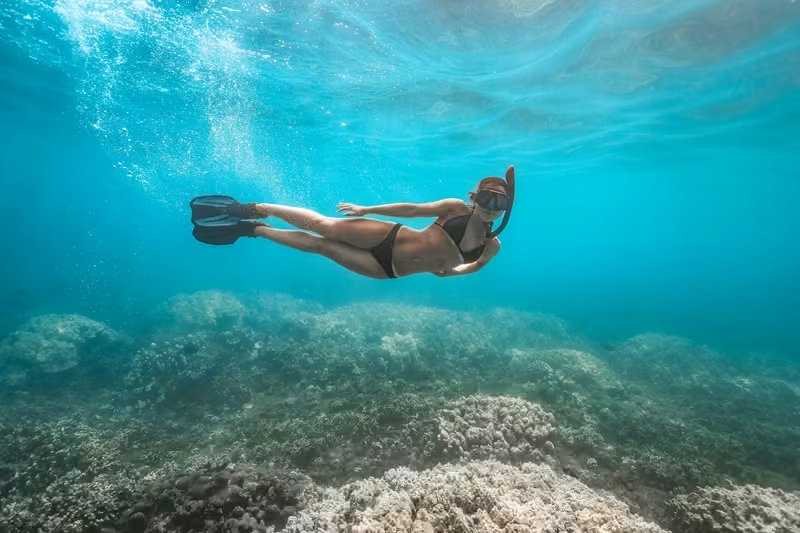
Woman snorkeling in clear Maui waters during a Maui Snorkeling Tours experience

How our Captain Decides Where to Snorkel

  • Wind & swell first: For open‑ocean Molokini, early is usually smoother; later winds push us to protected reefs.
  • Visibility: Offshore water is typically clearest; near‑shore can be excellent when wind direction creates a good lee.
  • Guests on board: For young kids and first‑timers, near‑shore afternoons can be easier entries—and feature our waterslide.

What to Bring

  • Swimwear
  • Towel
  • Reef‑Safe Sunscreen
  • Hat
  • Sunglasses
  • Water Bottle
  • Rashguard (sun & warmth); light layer for winter mornings/ride back
  • Motion comfort plan if you’re prone to seasickness (see FAQs)

Families & First‑Timers

New to snorkeling or traveling with kids? The morning trip offers ultra‑clear Molokini plus a second stop at Turtle Town for slide time when conditions allow. The afternoon trip stays near shore at Coral Gardens and also uses the slide, a great pick for easy entries and a later start.

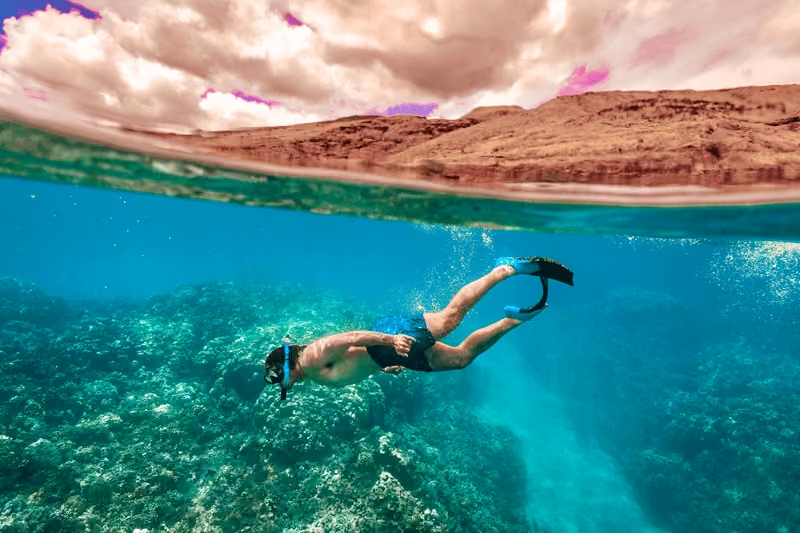
Snorkeler underwater near Molokini Crater during a Molokini Crater Snorkeling Tour in Maui

Month-by-Month Guide: Best Time to Snorkel Maui

This month-by-month guide helps you choose the best time to snorkel Maui based on visibility, wind, swell, water temperature, whale season, and the type of experience your group wants. In general, mornings offer the calmest ocean conditions, while afternoon trips can be a great fit for families, later starts, and near-shore snorkel spots when the weather cooperates. Keep in mind that Maui snorkeling conditions change daily. The best snorkel location is not always based on the calendar alone; it depends on that day’s wind direction, swell, rain, visibility, and overall sea state. Tour note: Our waterslide is available during near-shore snorkel stops, including qualifying morning near-shore routes and many afternoon trips. The waterslide isn't used at Molokini Crater.

January: Whale Season and Winter Snorkeling

January is one of Maui’s peak winter months, with cooler water, possible north and west swells, and frequent humpback whale sightings on the boat ride. Snorkeling can still be excellent, especially on calm mornings, but ocean conditions are more variable than in summer. When conditions allow, Molokini Crater is often a strong morning choice because of its offshore clarity and protected crater setting. If near-shore conditions are better, the captain may choose a leeward reef with more wind and swell protection.

February: Peak Whale Season and Clear Morning Water

February is similar to January, with active whale season, cooler water, and occasional winter swell. Mornings usually offer the best window for calmer seas, making this a great month to prioritize an early snorkel tour. Molokini can offer excellent visibility on calm mornings, while protected reefs such as Coral Gardens or other leeward coves may be better when wind or swell makes near-shore protection more important.

March: A Transition Month for Maui Snorkeling

March is a seasonal transition month. Whales may still be around, winter swell can still appear, and trade winds often begin to trend stronger as spring approaches. Because conditions can shift from day to day, guided snorkel tours are especially helpful this time of year. Morning trips usually offer the best chance for stable visibility before afternoon winds build. Near shore, the best snorkel site depends on where the captain finds the clearest, calmest water that day.

April: Spring Conditions and Reliable Mornings

April often brings improving snorkel conditions as winter swell becomes less frequent and the water begins to warm. Mornings remain the most reliable time for calm seas, especially for guests hoping to snorkel Molokini. If trade winds build later in the day, the captain may choose a protected nearshore reef, such as Coral Gardens, or another leeward location. April can be a great balance of good weather, improving ocean conditions, and fewer peak-season crowds.

May: One of the Best All-Around Months to Snorkel Maui

May is often one of the best months for snorkeling in Maui. The weather is warmer, winter swell is usually less of a factor, and mornings can deliver excellent visibility. Trade winds become more consistent, so early departures are still the smart choice. Molokini is a popular pick for guests who want clear offshore water, while afternoon trips may tuck into protected coastal areas when open-water wind becomes stronger.

June: Classic Summer Snorkeling Conditions

June brings long sunny days, warmer water, and classic Maui summer conditions. Mornings are usually the smoothest part of the day, which is why morning Molokini trips are especially popular during this season. Visibility is often excellent, especially offshore, but trade winds can make afternoons choppier in exposed areas. For afternoon tours, protected reefs are usually the better choice for comfort and easy water entry.

July: Warm Water, Busy Beaches, and Early Starts

July is warm, popular, and often breezy. It is a great month for snorkeling, but it is also a busy travel period, so booking ahead is important. Morning tours give you the best chance of calmer seas before trade winds strengthen. Molokini is a top choice for guests focused on visibility, while near-shore afternoon routes can be better for groups who want a shorter ride and more protected conditions.

August: Warmest Water and Strong Summer Sun

August usually brings some of the warmest water of the year, making it a comfortable month for families, first-time snorkelers, and guests who want a longer time in the ocean. Morning conditions are still the most dependable, especially for offshore snorkeling. Afternoon winds can create chop in open water, so protected near-shore reefs are often the better choice later in the day. Sun exposure is also a bigger factor in August, so rashguards, hats, hydration, and reef-safe sunscreen are important.

September: Warm Water and Fewer Crowds

September is one of Maui’s best shoulder-season months for snorkeling. The water stays warm, summer crowds often ease, and wind can be lighter than the peak trade-wind months. Both morning and afternoon trips can be enjoyable when conditions cooperate. Molokini remains a strong morning option for guests looking for standout visibility. Near shore, the captain will choose the calmest protected reef with the best water clarity that day.

October: Shoulder Season and Warm Ocean Conditions

October often combines warm water, lighter crowds, and good snorkeling conditions. It is another strong shoulder-season month, though fall weather patterns can occasionally bring changing wind, rain, or swell. Morning Molokini trips are still a reliable choice for clear water. If the forecast shifts, the captain may choose a leeward near-shore site with better protection and visibility.

November: Early Winter Conditions Begin

November is a variable month as Maui shifts toward winter. Early winter swell can arrive, winds may change with passing systems, and water temperatures begin to feel slightly cooler. Many mornings are still excellent for snorkeling, but conditions require closer attention. Molokini can be a smart morning target when the forecast supports it. On days when near-shore protection is better, the captain will choose the reef with the safest and clearest conditions.

December: Holiday Travel, Whale Season, and Winter Swell

December brings the return of winter patterns, holiday travel, and whale-season excitement. Snorkeling can be beautiful on calm mornings, but north and west swells may make some shore locations rough or unsafe. Molokini is often an excellent morning goal when conditions cooperate, while protected near-shore reefs can be better for families who want a shorter, easier trip. Holiday weeks can book quickly, so planning ahead is important.
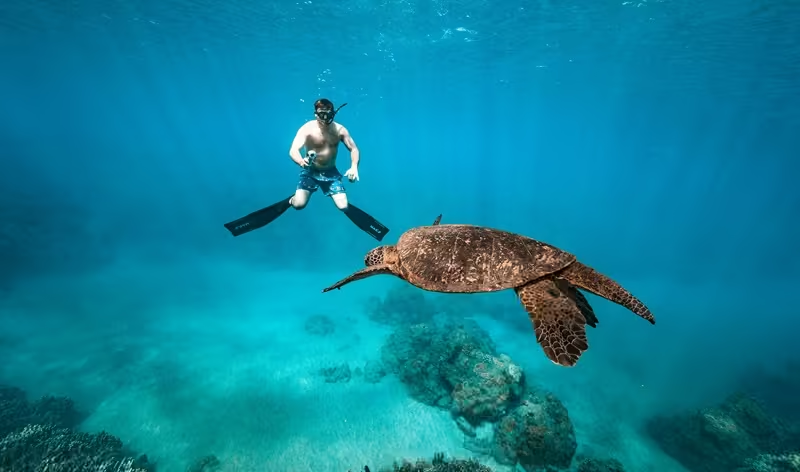
Snorkeler swimming near Hawaiian green sea turtle in clear blue water in Maui

Which Maui Snorkeling Tour Should You Choose?

The best Maui snorkeling tour depends on your schedule, comfort level, and the day’s ocean conditions. In general, early morning is best for guests who want the clearest water and the best chance of calm conditions, while afternoon tours are a great fit for families, later starts, and relaxed near-shore snorkeling when conditions allow.

Best for Clear Water: Molokini Crater Snorkeling Tour

Choose the Molokini Crater Snorkeling Tour if your priority is clear offshore water, a classic Maui snorkel experience, and a morning departure. This 5-hour tour typically visits Molokini Crater first and Turtle Town second when ocean conditions allow.

Best for Families and a Later Start: Maui Afternoon Snorkeling Tour

Choose the Maui Afternoon Snorkeling Tour if your group wants a shorter, more relaxed trip with a later departure. Afternoon trips often focus on protected near-shore snorkel sites, and the waterslide may be available when conditions allow.

Best for Groups: Maui Private Snorkel Charter

Choose a Maui private snorkel charter if you want a custom experience for your family, wedding party, corporate group, or special event. Private charters give your group more flexibility while still allowing the captain to choose the safest and clearest snorkel location for the day.

Good to know: Snorkel sites are never guaranteed in advance. Maui ocean conditions change daily, so the captain chooses the route based on wind, swell, visibility, safety, and guest comfort.

Morning vs. Afternoon Snorkeling

Generally, the best time of day to snorkel in Maui is the morning because of calm water and bright visibility. Winds tend to rise by mid-day, so early tours to Molokini offer glass-smooth water. For families or first-timers, an afternoon snorkel near shore is a great option, especially when you want to enjoy the waterslide at Coral Gardens or Turtle Town. Early morning is part of what defines the best time to snorkel in Maui.

Note: Still undecided on what time to go? Check out our Morning vs Afternoon Snorkeling Maui guide.

Before You Go

  • Check-in & parking: The morning tour checks in at 6:30 a.m., and the afternoon tour checks in at 12:30 p.m. Both check-ins are at MaÊ»alaea Harbor (Slip 64). Public parking is available nearby. Make sure to pay for it! Arrive 20–30 minutes early.
  • Slide policy: We don’t deploy our waterslide at Molokini; it’s reserved for appropriate near‑shore stops. (Turtle Town or Coral Gardens)
  • Safety & wildlife: We use day‑use moorings (no anchoring), don’t feed fish, and ask guests to give turtles space. Landing on Molokini is prohibited (seabird sanctuary).
  • Gear & comfort: We provide sanitized snorkel sets; full‑face masks aren’t allowed. Wetsuit rentals available on board. BYOB allowed only after water activities.

Ready to snorkel Maui?

Book an easy Maui boat trip with snorkel gear, food, crew guidance, and simple online booking.

  • Morning Tour: Molokini Crater, Turtle Town, great visibility, and a full snorkel experience
  • Afternoon Tour: A shorter, more relaxed snorkel trip at Coral Gardens or the best available reef
  • Private Charters: A custom boat day for families, weddings, celebrations, and groups

Compare: Morning Molokini Tour Afternoon Snorkeling Tour Private Charters

FAQs

For Molokini, mornings are best because winds are typically lighter early, and choppier later. Afternoons can be great near-shore when wind direction creates a good lee, plus it’s the time for our waterslide.

No. The slide is for near-shore stops with the right water depth and conditions, not for Molokini.

Have a light, non-greasy breakfast. Drink plenty of water. Consider taking over-the-counter preventatives 30 to 60 minutes before boarding. On board, stay in fresh air, keep your eyes on the horizon, and avoid reading.

No wildlife is guaranteed. During the winter months, you often see humpbacks on the ride, always a bonus!

The best time to snorkel Maui is early morning year-round, especially at Molokini, while afternoons shine near shore when the wind creates a calm lee.

Final Thoughts

While there’s no single “perfect” month, the best time to snorkel Maui depends on your travel plans and what kind of experience you’re hoping for. By following the month-by-month guide above, you’ll know when the water is clearest, which areas to visit, and how to avoid tricky conditions. Whether you’re meeting sea turtles at Turtle Town or gliding over coral gardens, snorkeling in Maui is always a highlight. With a little planning, you’ll enjoy unforgettable moments under the waves any time of year

Sources & Updates: Maui snorkeling conditions change daily. Before you snorkel, confirm current ocean safety, water quality, marine forecast, wildlife viewing rules, and seasonal whale information using the official resources below.

© 2026 Maui Snorkeling | Sitemap | Disclaimer | Privacy Statement | Cookie Policy