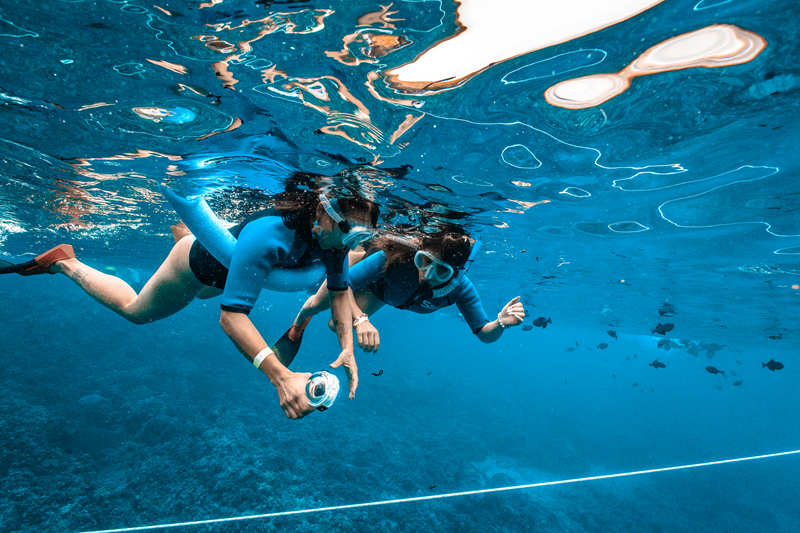
Maui Snorkeling for Beginners: Easy Tips, Spots, and Safety
November 18th, 2025
| Maui SnorkelingSnorkeling Safety
Written by Maui Snorkeling, operating tours to Molokini Crater, Turtle Town, and Coral Gardens from Māʻalaea Harbor since 1985. Tours are led by USCG-licensed captains aboard a USCG-inspected passenger vessel.
Last updated October 20, 2026
Quick Answer
Maui snorkeling for beginners can be a good first snorkeling experience for people who are already confident, independent ocean swimmers and comfortable in deep water. Start in calm, clear conditions, use properly fitted gear, and snorkel with a buddy.
Main takeaways:
Best time to snorkel: Go in the morning when ocean conditions are usually calmer and visibility is better
Best beginner spots: Kapalua Bay, Napili Bay, Ulua Beach, and Māluaka Beach are good choices when conditions are calm
Best gear setup: Choose a well-fitting mask, snorkel, and fins, along with a sun-protective rash guard and mineral sunscreen.
Before you go: Check ocean conditions, choose a suitable entry and exit, and snorkel with a buddy.
Guided option: A boat tour can simplify planning with gear fitting, crew guidance, and snorkel sites chosen for the day’s conditions.
Your first Maui snorkel doesn’t need to be a race around the reef. Start by getting comfortable with your equipment, spotting a few colorful fish, and enjoying the experience with your buddy.
This guide walks you through the basics: what your equipment does, how to prepare, which beach details matter, and what to expect during your first outing. You’ll also find ways to enjoy the reef without feeling pressured to see everything.
If you’re deciding whether to stay at the surface or learn to breathe underwater, compare snorkeling vs. scuba diving in Maui before choosing the experience that fits your comfort, time, and budget.
Practice Before You Go
Get familiar with your equipment before you go out. Practice in a swimming pool that permits snorkel equipment, with a buddy or instructor.
Check your mask seal and mouthpiece comfort.
Practice floating face-down and breathing through the snorkel.
Learn how to lift your face clear of the water, remove the mouthpiece, and ask for help.
Have an instructor demonstrate clearing your mask and snorkel.
Pool practice helps with equipment familiarity. It doesn’t replace ocean-swimming experience or prepare you for every current, wave, or beach entry.
What To Expect On Your First Maui Snorkel
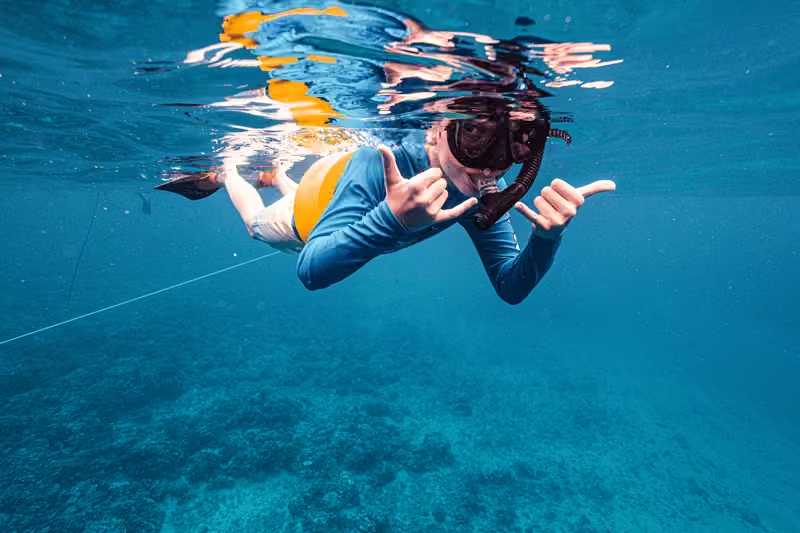
With a traditional mask and snorkel, you’ll usually float face-down at the surface and breathe through your mouth. The snorkel draws air from above the water; it doesn’t supply air when its opening is submerged. You don’t need to dive down or hold your breath to enjoy the reef.
Your first outing should leave plenty of room to get comfortable:
Check your equipment: Your mask should seal comfortably, your mouthpiece shouldn’t strain your jaw, and your fins shouldn’t pinch or slip.
Know the plan: Agree with your buddy on where you’ll enter, where you’ll exit, and how you’ll signal for help.
Follow entry instructions: Beach entries and boat ladders require different approaches. Ask before entering if anything is unclear.
Keep it unhurried: Use gentle movements, check your position regularly, and finish before you become tired.
There’s no need to cover a large area. Taking time to notice one patch of reef can be more rewarding than swimming past everything.
Must-Have Gear for Beginner Snorkelers
You don’t need much equipment to snorkel in Maui, but having the right gear makes a big difference.
Basic Snorkel Gear Checklist:
Mask: Should fit snugly without leaks. Press it to your face and inhale gently; it should stay in place without the strap. A well-sealed mask-and-snorkel setup is the foundation of a stress-free snorkeling experience.
Snorkel: Choose a comfortable mouthpiece. A purge valve helps clear water, while a splash guard reduces splashes entering the tube. Neither replaces learning how to clear your snorkel.
Fins: Help you move efficiently through the water without using too much energy. Our guide to How Snorkel Fins Should Fit explains what to check if your fins pinch, rub, or slip.
Rash guard or short wetsuit: A UPF-rated rash guard provides sun protection on covered skin, while a wetsuit adds warmth.
Flotation vest or noodle: Can provide extra buoyancy. Flotation provides support, but you still need to feel at ease in the water. Ask the crew how to use the available options.
Our Maui Snorkeling tours include a mask, snorkel, fins, and flotation options, with crew help to fit everything. Wetsuits are available to rent if you’d like extra warmth. Bring your swimsuit, towel, and a few personal essentials, and we’ll help you get ready for the water.
Need vision correction? Ask about a prescription mask before your trip. Our tours have prescription-mask options, but available strengths vary. Contact us ahead of time if this is important for your experience.
Choose your first shore-snorkeling spot based on the day’s conditions, your ocean experience, and available assistance, not just its reputation.
For a lifeguarded beach option, consider Kamaʻole Beach Parks I, II, or III when conditions are suitable, and speak with the lifeguard before entering. Kapalua Bay, Napili Bay, Ulua Beach, and Maluaka Beach are other places experienced ocean swimmers may consider, but none has a stationed lifeguard.
Kapalua Bay (West Maui)
Why consider it: A scenic crescent beach with sandy access and reef habitat. Conditions around the rocky edges still need careful assessment.
Best window: Morning often brings lighter winds, but check surf and visibility before entering.
Facilities: Restrooms & outdoor showers; no lifeguard.
Parking: Small beach‑access lot; additional paid/overflow near Kapalua Tennis Garden; street parking on Lower Honoapiʻilani Rd (observe signage).
Season note: Can feel winter north/west swells; skip on rough days.
See our full Kapalua Bay guide for more information.
Napili Bay (West Maui)
Why consider it: A small, scenic bay for beach time and snorkeling when conditions are suitable. Sandy access doesn’t eliminate shorebreak or currents.
Best window: Early morning before winds/crowds.
Facilities: Showers; no lifeguard; no public restrooms (restrooms may be inside nearby private facilities).
Parking: Street parking along Hui Dr/Lower Honoapiʻilani Rd; arrive early.
Season note: More exposed to winter surf; avoid if shorebreak is up.
Check out our full Napili Bay guide to learn more.
Ulua Beach (South Maui)
Why consider it: A sandy Wailea beach with nearby reef habitat. Its popularity as a lesson site doesn’t mean conditions are suitable every day.
Best window: Morning for calmer winds and clearer visibility.
Facilities: Restrooms & showers by the parking area; no lifeguard.
Parking: Use the shared Ulua and Mōkapu beach-access lot and follow posted hours, payment instructions, and restrictions.
Māluaka Beach (“Turtle Town,” South Maui)
Why it’s great: A sandy beach with nearby reef and the chance to spot honu. Turtle sightings and calm conditions aren’t guaranteed.
Best window: Morning; skip after heavy rain or when surf is up.
Facilities: Restrooms & showers near the north lot by Keawalaʻi Church; no lifeguard.
Parking: Two public lots (north by the church; larger south lot at the road’s end); short walk to sand.
Tip: If parking is full, choose another legal option rather than blocking local access. If the ocean is unsuitable, switch to a land-based plan. A nearby bay or boat tour isn’t automatically a suitable alternative.
What To Look For On Your First Snorkel
Start with colors, shapes, and movement rather than trying to identify every fish. Notice how different fish move around the reef and how much detail appears when you slow down.
You might enjoy spotting a small school of fish just as much as a larger animal passing in the distance. Turtle sightings are a bonus, not a requirement for a memorable outing. Keep your distance and let wildlife move naturally around you.
Best Time to Snorkel in Maui for Beginners
Morning is often a good starting point for your snorkel plans, with lighter winds and a smoother surface before afternoon breezes build. There isn’t a guaranteed calm-water window, though, so let the day’s conditions guide your plans.
The season matters, too:
Winter: North and west swells can affect West Maui beaches, including Kapalua and Napili.
Summer: South swells can bring rough conditions to South Maui, including Ulua and Māluaka.
Any time of year: Strong wind, heavy rain, and changing swell can make a familiar beach unsuitable for snorkeling.
The ocean is beautiful but powerful. Hawaiʻi Ocean Safety recommends experienced ocean swimmers for snorkeling. Plan independent shore snorkeling around your swimming ability and current conditions. Our tours provide gear help and instruction; follow crew directions and the participation guidance below.
Safety Tips for Beginners:
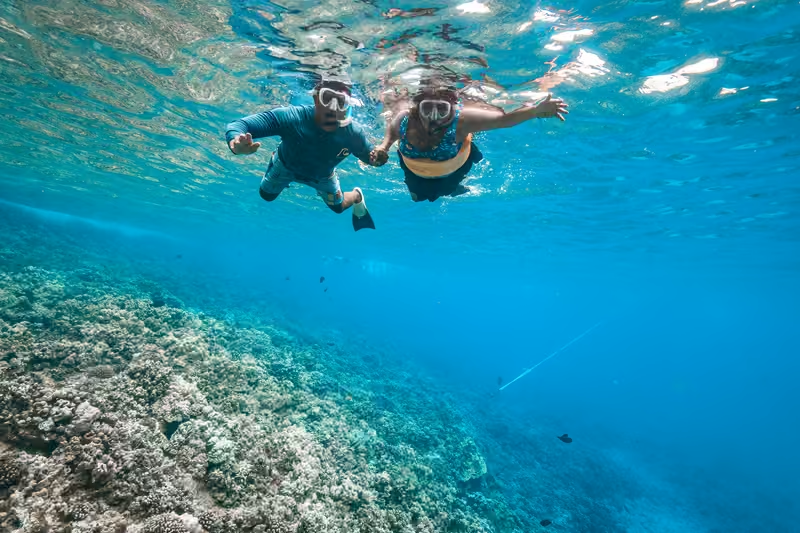
Always snorkel with a buddy. Never go alone.
Check ocean conditions before heading out. Avoid high surf or murky water.
Practice with your mask and snorkel in a pool or controlled shallow water before attempting an ocean snorkel.
Stay close to your planned exit and turn back before you become tired.
Hawaii’s ocean safety slogan says it best: “If in doubt, don’t go out.”
Note: Worried about sharks? Our sharks in Maui guide explains local species, incident records, and practical precautions.
Snorkeling Etiquette: Respect the Reef
Maui’s coral reefs are living ecosystems that take hundreds of years to grow and just seconds to be damaged. Follow these simple rules to protect them for future generations.
Reef Etiquette 101:
Don’t stand, touch, or kick coral.
Choose mineral-based sunscreen and cover up with a rash guard to reduce the amount of sunscreen washing into the ocean.
Give sea turtles at least 10 feet of space. Never touch, chase, feed, or block wildlife.
Collect only memories, never shells or coral.
Be aware of your fins so you don’t accidentally kick the reef.
Practicing good snorkeling etiquette keeps Maui’s reefs healthy and helps you enjoy a more authentic connection with nature.
Maui Snorkeling Tours For Beginners
Comparing Molokini Crater snorkeling tours in Maui? Our crew fits your gear, explains what to expect, and handles boat access to the reef, so you won’t need to arrange shore entry. Molokini is a planned destination, not a guaranteed stop, and the captain may adjust the route based on ocean conditions.
Common Snorkeling for Beginners Mistakes (and How to Avoid Them)
Mask keeps fogging? Before entering the water, clean and treat your mask with products approved for its lenses. Follow the application and rinse directions, then avoid touching the treated surface. See how to keep a snorkel mask from fogging for new-mask preparation and recurring fog.
Water in the snorkel? Lift your face clear of the water and remove the mouthpiece so you can breathe normally. Signal your buddy or crew if you need assistance. Before your outing, learn how to clear your particular snorkel rather than trying the technique for the first time offshore.
Water in your mask? Stop and let your buddy or crew know. With your face above water and suitable support, drain and refit the mask. Repeated leaking usually needs a fit adjustment, not a tighter and tighter strap. Practice mask-clearing skills with an instructor before your trip.
Breathing panic? If you feel panicked, short of breath, dizzy, or unwell, stop snorkeling, signal your buddy or crew, and get help exiting the water safely. Don’t push through symptoms or treat them as something you simply need to get used to.
Cramped legs? Don’t push through a cramp. Alert your buddy or crew and get help getting back to your exit. Check your fin fit and comfort once you’re safely out of the water before considering another session.
Drifting too far? Keep track of your planned exit and check in with your buddy regularly. Wind direction alone doesn’t tell you how the current is moving. If you’re struggling to return, signal for help rather than exhausting yourself.
Can Non-Swimmers and Kids Snorkel in Maui?
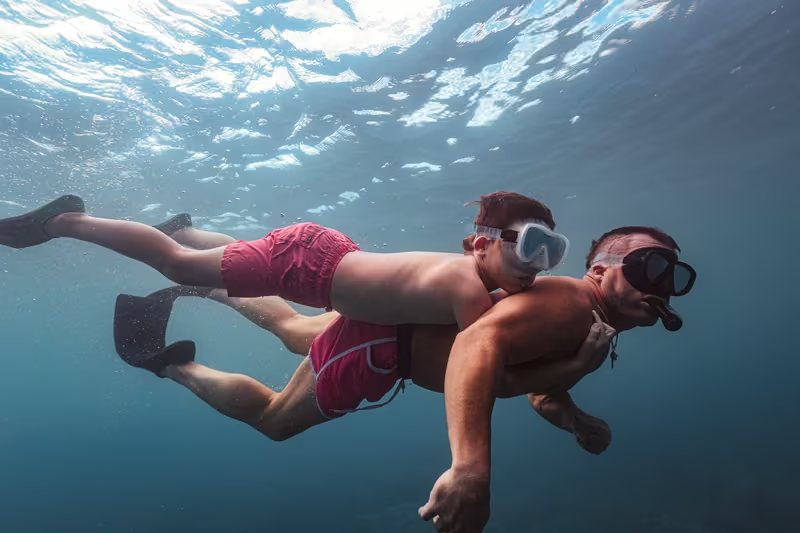
Kids can enjoy discovering Maui’s reef fish, but readiness and water comfort matter more than age. On our tours, guests should feel comfortable floating face-down in deep water and follow crew instructions. Flotation adds support, but doesn’t replace water comfort or close adult supervision. Independent shore snorkeling requires ocean-swimming ability and separate planning.
Keep children under close adult supervision and plan short sessions with breaks. Guests can also enjoy the scenery from shore or aboard the boat. On our tours, a responsible adult from the group must stay aboard with any child who isn’t entering the water.
Maui Snorkeling For Beginners FAQs
Yes, Maui can be a good place for first-time snorkelers. For our tours, you should be at ease floating on your front in water too deep to stand and follow crew instructions. For independent shore snorkeling, you should already be an experienced ocean swimmer. Choose suitable conditions, use properly fitted gear, stay close to your planned exit or the boat, and snorkel with a buddy.
Start by considering a lifeguarded beach, such as Kamaʻole I, II, or III, when conditions are suitable, and ask the lifeguard for guidance. Kapalua Bay, Napili Bay, Ulua Beach, and Maluaka Beach are other options for experienced ocean swimmers, but none has a stationed lifeguard. A guided boat tour offers equipment and crew support, with destinations dependent on conditions.
Morning is usually the best time to snorkel in Maui because winds are often lighter and the water is usually calmer. Conditions can change quickly, so it’s always smart to check the surf, wind, and visibility before getting in.
You don’t need prior snorkeling experience on our tours, but you should be comfortable floating on your front over deep water. Contact us before booking if you’re unsure about your comfort level. For independent shore snorkeling, you should be an experienced ocean swimmer who can swim independently; flotation and supervision don’t replace those skills.
Bring a swimsuit, towel, drinking water, sun-protective clothing, and mineral sunscreen. For shore snorkeling, you’ll also need a well-fitting mask, snorkel, and fins. Our Maui Snorkeling tours include snorkel gear and flotation options, while wetsuits are available to rent. Our Maui Snorkeling Packing List covers the extras that can make your day more comfortable.
Final Thoughts
You don’t have to visit every reef to enjoy your first Maui snorkel. Choose a spot that suits the day’s conditions, give yourself time to get comfortable with your gear, and enjoy exploring with your buddy. A colorful fish or a turtle passing in the distance can become one of your favorite vacation memories.
We hope you enjoy many snorkeling trips on our beautiful island! Mahalo for reading our Maui Snorkeling for Beginners guide! 🌊🐢
Sources & Updates
Planning your first Maui snorkel? Use these resources to check safety
guidance, lifeguard locations, water quality, marine weather, and reef
rules. Follow posted warnings and lifeguard or crew instructions
when you arrive.