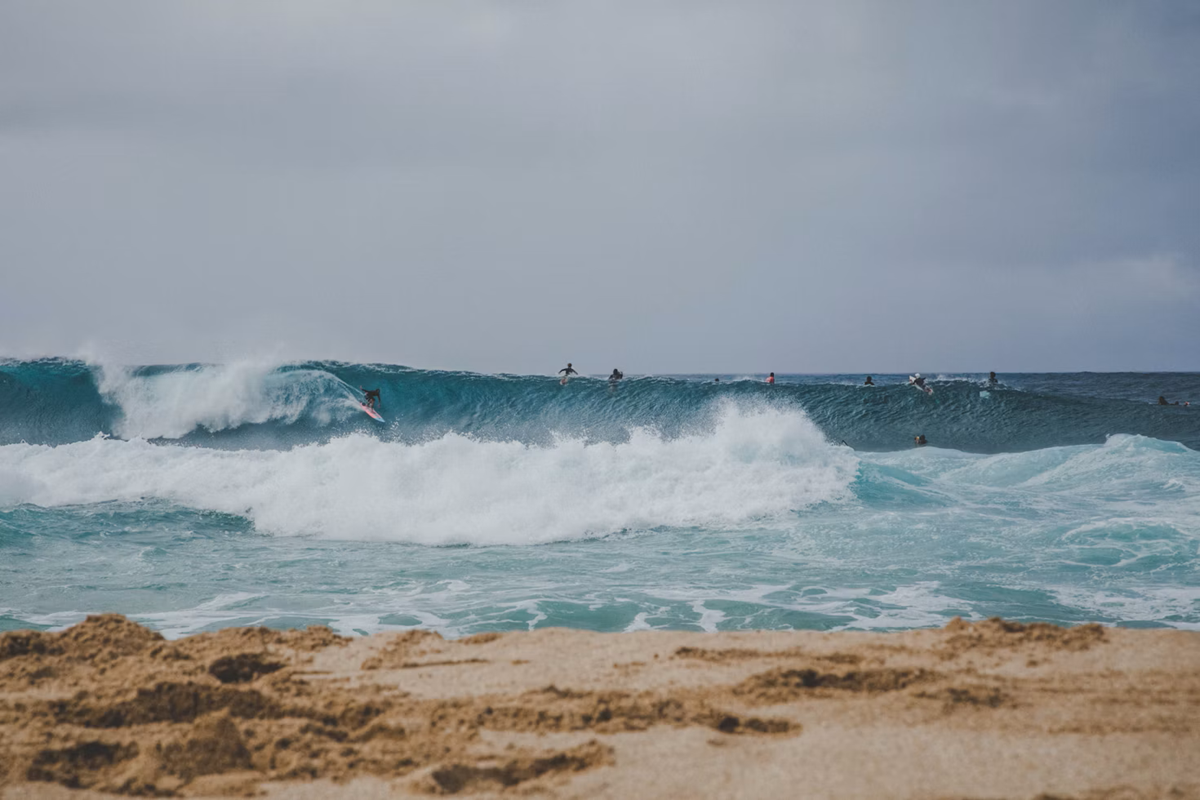
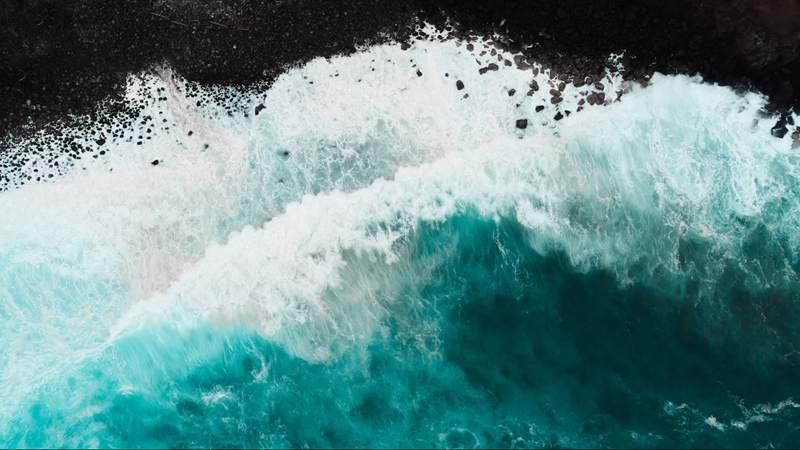
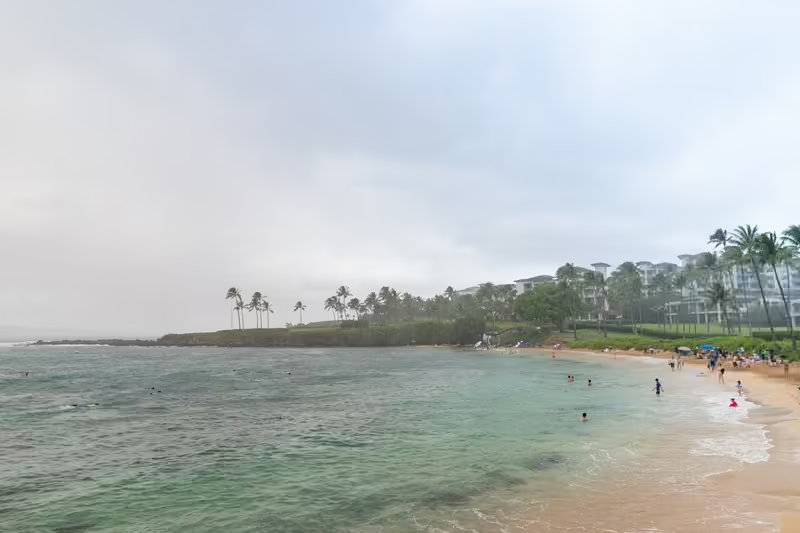
A beach that looked perfect in someone's summer vacation photos can tell a very different story when a north swell arrives. Lines of whitewater roll toward shore, waves wash over the rocks, and the snorkeling plan suddenly needs a rethink. The sunshine hasn't changed. The ocean has.
A Maui north swell can bring spectacular wave watching and challenging conditions for swimming and snorkeling. Knowing where the waves are coming from helps you plan better, whether that means choosing a different outing, following a captain-selected route, or enjoying the coast with your feet firmly on land.
Here's what north swell means, why nearby beaches can react differently, and how to check the forecast without treating a number on your phone as permission to enter.
Check Today’s Conditions
Before heading out, check these official sources for the latest Maui ocean conditions:
This article is an evergreen planning guide, not a live conditions report. Forecasts and buoy readings help you plan, but don’t establish that a beach is safe for snorkeling. Follow closures, posted warnings, and lifeguard or crew instructions.
What Is A North Swell?
A swell is wave energy that has traveled beyond the area where wind generated it. Many of Hawaiʻi's larger winter swells begin with North Pacific storms, then travel toward the islands long after leaving the rough weather that created them.
Swell direction describes where waves come from, not where they're heading. A north swell arrives from the north. Northwest and west-northwest swells approach from different angles, which changes their exposure to Maui's coast.
The wind at your beach can be light while that distant energy keeps arriving. Local wind waves add another ingredient, often creating shorter, choppier waves. A smooth-looking surface doesn't tell the whole story beneath it.
When Does Maui Generally Get North Swells?
November through April is Hawaiʻi's general winter surf season, when powerful North Pacific storms commonly bring large surf to north and west shores. Fall and spring can also deliver significant events, so the season doesn't switch on and off with a calendar date.
Not every winter morning has large surf, and a summer visit doesn't guarantee calm water. Plan around the forecast for your dates rather than assuming a beach will resemble its most inviting online photo.
Visiting in the warmer months? Our Maui South Swell Guide explains the other major seasonal pattern. More than one swell direction can be present at once.
North, Northwest, And West-Facing Exposure
Maui doesn't have one islandwide wave setting. The angle of each shoreline, surrounding islands, headlands, and underwater terrain determine how much swell reaches it.
North Shore: Direct Exposure Matters
North-facing stretches around Pāʻia and Hoʻokipa are important places to watch for northerly swell. An open view toward incoming waves usually means less shelter from that direction. Our Hoʻokipa Beach Park Guide helps you plan a shore-based visit, not choose a high-surf snorkeling entry.
Northwest Maui: Bays Aren't Winter Guarantees
Honolua and neighboring Mokulēʻia illustrate why a renowned snorkeling area isn't an all-season promise. The Hawaiʻi Department of Land and Natural Resources advises avoiding the waters of Honolua and Mokulēʻia during winter, when high surf is common. A bay's curved shoreline doesn't prevent incoming swell from affecting its entrance and reef.
West Maui: Don't Assume You're Out Of The Way
North swell can wrap toward west-facing shores, while a more westerly swell changes which areas receive energy. Shelter varies with direction and local geography. A West Maui address, resort setting, or protected-looking cove isn't enough to decide whether snorkeling is appropriate.
South-facing water may be less directly exposed to a particular northern swell, but it still needs its own assessment for other swells, wind, currents, and runoff. No side of Maui is permanently safe.
Swell Height Versus Period: Read Both
Offshore Swell Height Isn't Beach Surf Height
A buoy’s significant wave height describes roughly the average height of the highest third of waves during a sampling period. It isn't the largest wave that can occur. A marine forecast's combined seas can include both swell and wind waves.
The surf forecast describes breaking waves near shore. Hawaiʻi’s National Weather Service reports full-face surf height, measured vertically from the trough to the crest of the breaking wave. Those aren't interchangeable with an offshore swell reading or an informal surfer's height estimate.
Period Helps Explain The Nearshore Punch
The National Weather Service defines wave period as the time, in seconds, between consecutive wave crests passing a fixed point. It doesn’t measure the waiting time between larger sets.
At the same offshore height, longer-period swell can produce larger breakers and stronger nearshore effects. Its longer waves interact with the seabed differently as they approach shallow water. Direction and reef shape still matter, so there isn't a universal conversion from offshore height to beach surf.
For more on these processes, NOAA’s explanation of surf variability shows how changing water depth and wave refraction affect the surf that reaches different shorelines.
As a teaching example, a three-foot swell at eight seconds and a three-foot swell at sixteen seconds aren't equivalent conditions. Neither example is a snorkeling safety threshold. Read the period and direction alongside the height, then check the shoreline.
Waves also arrive in groups, with quieter stretches between larger sets. A few peaceful minutes don't prove that the swell has finished or that you've seen the biggest wave.
What Does Wrapping Swell Mean?
Wrapping describes wave energy reaching around a headland or into an area that doesn't face the offshore swell directly. As waves encounter changing depths, parts of a wave slow at different rates and bend. This process, called refraction, helps explain why neighboring stretches of coast can receive different amounts of energy.
For visitors, the practical lesson is simple: being around the corner isn't the same as being protected. A cove may have less obvious breaking surf but still experience repeated surging around its rocks.
Don't swim around a point searching for calmer water. The shelter you imagined from the beach may disappear, and your return route still has to work.
How North Swell Changes Shore Snorkeling
The most important change may happen right where you planned to enter. Shorebreak can knock someone down in shallow water, even when the water farther out looks appealing. An entry you can't manage comfortably is a reason to choose another activity, not an obstacle to push through.
Across a shallow reef, swell can create back-and-forth surge. Breaking waves can also strengthen currents, including flow away from shore or along the beach. Don't mistake a gap between breakers for a safe swimming lane; currents aren't always visually obvious.
Wave action may stir sand and sediment, reducing visibility. That's frustrating for fish watching and makes it harder to keep track of your buddy, obstacles, and return route. Don't swim farther out just to escape cloudy water.
Our Maui Snorkel Conditions Guide brings together wind, surf, water quality, and swimmer readiness. A good snorkeling plan needs more than a reef worth seeing.
How Captains Evaluate North Swell
A captain isn't simply looking for the lowest wave number. Route decisions combine swell direction, height, period, wind, current, visibility, water quality, and the conditions expected later in the trip. The ride, vessel movement at the stop, and getting swimmers back aboard matter too.
Guest ability and available snorkeling time also help shape the plan. Our guide to how Maui Snorkeling captains choose the destination explains these factors without suggesting every swell triggers the same backup reef.
A route may change, and unsuitable conditions can mean a delay or cancellation. A boat offers professional assessment and some flexibility, not immunity from the ocean. Molokini, Turtle Town, Coral Gardens, and waterslide use aren't guaranteed.
On our tours, guests should feel comfortable floating face-down in deep water and follow crew instructions. Gear, flotation, and instruction provide support, but don’t remove ocean hazards or make rough water suitable.
How To Check A Maui North Swell Forecast
A quick forecast check can save a long drive to the wrong beach. Use this sequence while planning, repeat it before leaving, and reassess when you arrive.
1. Start With Alerts And The Maui Surf Forecast
Open the NWS Honolulu marine page. Read active alerts, then select the statewide surf forecast and find Maui's section. Check the issue time, time zone, affected shore directions, and the forecast period.
A High Surf Advisory or Warning affecting your shoreline is a reason to skip snorkeling there. No alert doesn't mean conditions are suitable: public alert criteria aren't beginner-snorkeling limits.
2. Read The Direction, Period, And Trend
Check the coastal waters forecast and discussion for the separate swells and local wind. Is a new swell arriving, building, peaking, or fading? Longer-period waves can arrive ahead of the main swell peak, so don't judge the whole day by the first small-looking waves.
3. Compare Recent Observations
The PacIOOS Pauwela buoy page provides wave observations off Maui's North Shore. Check the timestamp, units, height, period, and direction. Separate measured observations from model forecasts, and check for missing or stale data.
A buoy measures its offshore location, not conditions inside your chosen bay. Use it to understand the pattern, not calculate a guaranteed entry window.
4. Check Rain, Water Quality, And Access
Look for current water-quality advisories and local closures. Rain and swell are separate issues, but both can affect your plans. Our Maui Brown Water Advisory Guide explains why clearer skies don't establish that runoff-affected water has recovered.
5. Make The Shoreline Check Count
Choose a lifeguarded beach for shore snorkeling and ask about conditions for your activity and ability. Read signs, watch multiple sets from a secure place, and identify the actual entry and exit. Observation helps, but no waiting period proves the water is safe.
Keep checking during the visit. Yesterday's report, another swimmer's confidence, and a favorable app color can't replace what the ocean is doing now.
When To Stay Out Of The Water
Stay out when a high-surf alert affects your shore, a closure or lifeguard directs you away, or you see forceful shorebreak, strong surge, troubling currents, or poor visibility. Also skip entry when anyone can't swim independently, feels unwell, or isn't comfortable with the return route.
Don't use fins or flotation to overcome unsuitable conditions. Our Maui beach warning signs guide explains the notices you may encounter. The absence of a sign doesn't mean there's no hazard.
If conditions worsen while you're swimming, alert your buddy or crew and seek assistance early. If caught in a strong current, avoid exhausting yourself fighting it; float, conserve energy, and signal for help. From shore, call 911 for someone in distress rather than entering dangerous water for an untrained rescue.
Make A Different Kind Of Maui Day
A swell day can still be memorable without an ocean entry. Watch from an open, established viewpoint well away from wave wash, stay behind barriers, and never climb onto exposed rocks for a photograph. Even dry sand can be reached by a larger set.
When shoreline access isn't appropriate, switch the setting altogether. Our Maui rainy-day activities guide includes indoor ideas that work just as well when the sky is blue and the ocean is rough.
Final Thoughts On Maui North Swell
Understanding a Maui north swell gives you a better way to plan than hoping every beach will look like a postcard. Check where the energy is coming from, read height and period together, and stay flexible about the day's activity.
Save your snorkeling for conditions that suit your swimmers. When the coast calls for wave watching instead, enjoy the view from a sensible distance. The best ocean memory doesn't have to involve getting in.