
Molokini Crater Overview

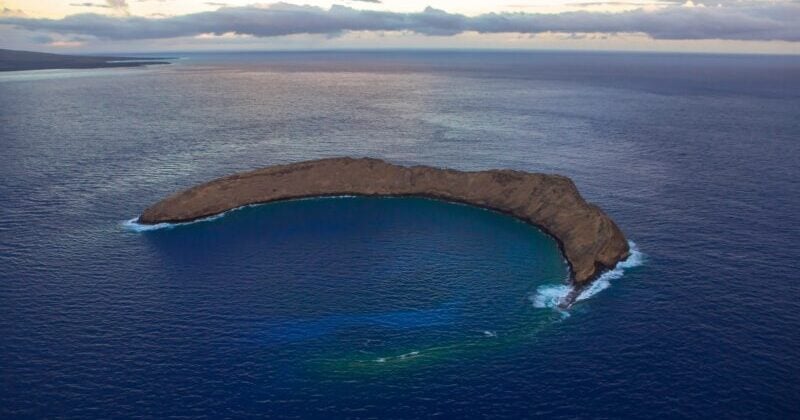
Molokini is a crescent-shaped, partially submerged volcanic crater in the Alalakeiki Channel between Maui and Kahoʻolawe. Known for exceptional water clarity and protected reefs, it’s one of Hawaiʻi’s most unique marine habitats. This page covers location, conditions and visibility, regulations and moorings, and the marine life you’re likely to see.
Want to go out there? See our Molokini Crater Snorkeling Tour for dates, boat details, and what’s included.
Quick Answer: Molokini at a Glance
Where is Molokini? Molokini is a crescent-shaped, partially submerged volcanic crater about 3 miles off Maui’s southwest coast, between Maui and Kahoʻolawe.
Best time to go:
- Time of day: Go early morning for the calmest seas; trade winds often build late morning and afternoon.
- Best season: April–September usually has the best combo of calmer conditions and visibility. Winter can bring stronger swells, and tours run when conditions are safe.
Typical visibility: Visibility often exceeds 100–150 feet inside the crater.
Rules & Etiquette (DLNR/NOAA):
- Molokini Crater is a State Marine Life Conservation District and a Seabird Sanctuary managed by Hawaiʻi DLNR.
- Boats use established moorings—anchoring on coral is prohibited.
- Give turtles and other marine life at least 10 feet (3 meters) of space—never touch, feed, or chase wildlife.
- Use reef-safe sunscreen, avoid standing on coral, and don’t kick up sediment.
Landing: Molokini Islet is a DLNR seabird sanctuary; landing/activities on the islet require a permit.
Tours depart from: Most Molokini snorkeling tours depart from Māʻalaea Harbor or Kihei Boat Ramp and run as a half‑day trip. (Our Molokini trip is a 5‑hour morning tour departing from Māʻalaea.)
What is Molokini Crater?
Molokini is often called a crater, but it’s actually a rare geological formation known as a tuff cone—a type of volcanic vent formed by explosive interactions between magma and seawater. Rising hundreds of feet from the ocean floor, Molokini’s unique shape creates a variety of microclimates within a small stretch of reef. These diverse conditions support an impressive ecosystem, home to dozens of hard coral species, and more than 250 species of tropical fish within its sheltered crescent.
Where is Molokini?
Molokini Crater is a crescent-shaped volcanic islet located about three miles off Maui’s southwest coast, between Māʻalaea Harbor and the island of Kahoʻolawe. Accessible only by boat, this partially submerged crater rises from the ocean floor to form a natural marine sanctuary. Most snorkeling and diving tours to Molokini depart from Māʻalaea Harbor or Kihei Boat Ramp, making it an easy half-day adventure for South and Central Maui visitors. The crater’s curved shape creates a protected inner lagoon ideal for snorkeling, while its outer “back wall” drops steeply into deep blue water popular with scuba divers.
Visibility and Conditions
Molokini’s location in the sheltered Alalakeiki Channel offers some of the clearest water in all of Hawaiʻi. Mornings are typically calm, with light winds and glassy seas—perfect for snorkeling. As the trade winds pick up through late morning and afternoon, waves can increase, which is why most tours visit early in the day. The crater’s crescent walls block surface chop and currents, creating consistently calm and clear conditions inside. Visibility often exceeds 100 to 150 feet, allowing snorkelers to see coral gardens and schools of fish with stunning clarity.
DLNR Rules, Moorings, & Etiquette
Molokini Crater is protected as both a State Marine Life Conservation District and a Seabird Sanctuary,
managed by Hawaiʻi’s Department of Land and Natural Resources (DLNR).
To help preserve its fragile ecosystem:
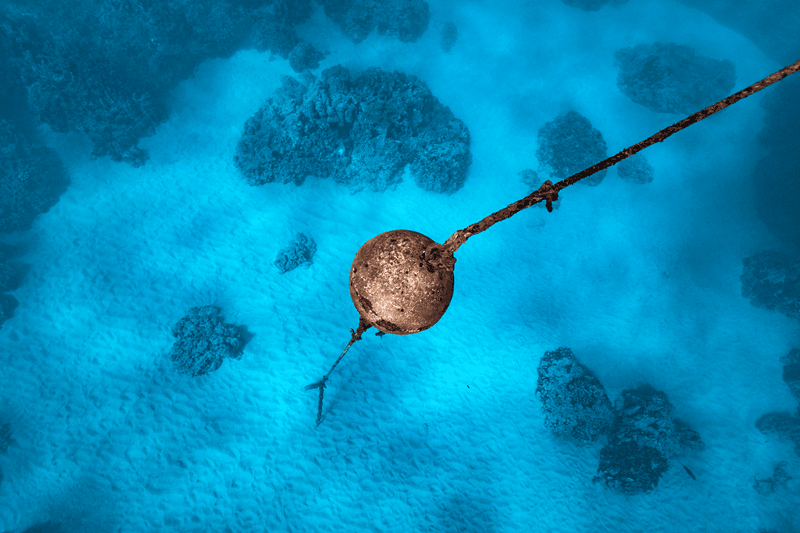
- Only permitted commercial operators may use the established moorings—anchoring on coral is prohibited.
- Always give turtles and other marine life at least 10 feet (3 meters)
of space. Never touch, feed, or chase them. - Use reef-safe sunscreen and avoid standing on coral or stirring up sediment.
These guidelines ensure Molokini Crater remains pristine for future generations of snorkelers and divers.
Molokini’s History
Molokini began as a volcanic cone formed by explosive interactions between magma and seawater. USGS describes Molokini as having erupted about 230,000 years ago, rising about 150 m (500 ft) from the submarine flank of Haleakalā to a summit about 49 m (162 ft) above sea level.
Molokini Crater also holds cultural significance. The Molokini Conservation Action Plan notes that the crater’s origins are described in multiple moʻolelo (stories) and oli (chants), including traditions connecting Molokini with Kahoʻolawe and nearby places.
Modern protection is a major part of Molokini’s story. The CAP describes how concern about crowding and anchor damage increased after Molokini’s MLCD designation in 1977, leading to the establishment of a commercial operator permitting system beginning in 1981 and the installation of day‑use mooring buoys in 1987 to help reduce anchor impacts.
Marine Life You May See
In the Water
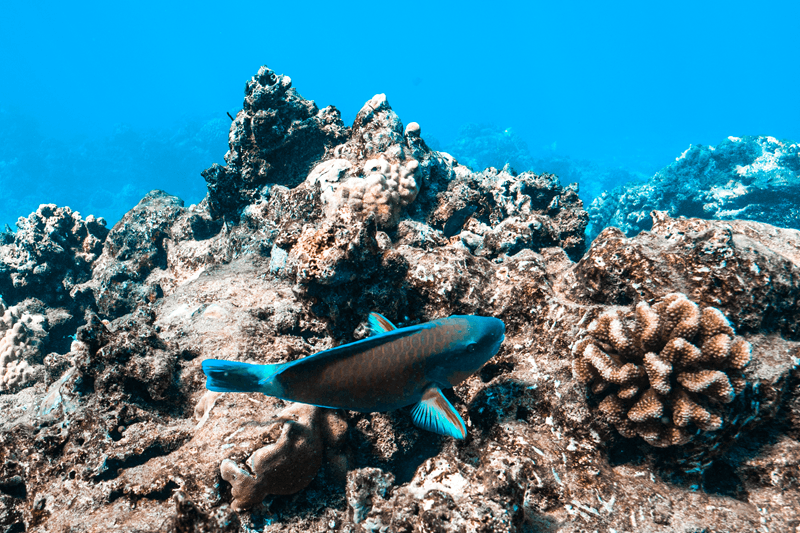
Molokini Crater’s clear, protected waters support a vibrant reef community. Wildlife sightings are never guaranteed, but these are some of the most common (and most exciting) possibilities.
Reef Fish Highlights:
- Butterflyfish
- Parrotfish
- Triggerfish
- Humuhumunukunukuāpuaʻa: (Hawaiʻi’s state fish).
Lucky Encounters:
Winter Bonus:
Tip: The best wildlife moments happen when you move slowly, stay relaxed, and let animals behave naturally.
Above Water
Molokini is also a seabird sanctuary. During nesting season, you may see seabirds flying and resting around the crater, including:
- Great Frigatebird (‘iwa)
- Red-footed booby (ʻā)
- Hawaiian shearwater (ʻuaʻu kani)

When To Go
The best time to snorkel Molokini Crater is in the early morning, when the ocean is calmest and visibility is highest. Conditions are generally best from April through September, when Maui’s weather is drier and trade winds lighter. In winter, stronger swells can occur, but tours still operate when seas are safe. Always check in advance with your tour operator for the latest weather and ocean conditions before your trip.
Check out our Molokini Crater Snorkeling Tour for availability, boat details, and everything included.
GOOGLE REVIEWS
FAQs
Can you snorkel Molokini without a boat?
What’s the best time of day to snorkel Molokini?
Is Molokini good for beginners?
Can you land on Molokini?
Where do Molokini tours depart from?
What marine life can I see at Molokini?
What are the rules at Molokini?
What should I bring for a Molokini snorkel trip?
Written by the Maui Snorkeling team, operating Molokini Crater, Turtle Town, and Coral Garden tours out of Maʻalaea Harbor since 1985. Tours are led by USCG‑licensed captains aboard a USCG‑inspected passenger vessel. We spend more days in these waters than on land. Last updated: January 2026


