Written by
Maui Snorkeling, operating tours to Molokini Crater, Turtle Town, and Coral Gardens from Māʻalaea Harbor since 1985. Tours are led by USCG-licensed captains aboard a
USCG-inspected passenger vessel.
Quick Answer: Hawaiian monk seals on Maui are rare, protected marine mammals, and sightings aren’t guaranteed. If you’re lucky enough to see one on the beach or in the water, give it plenty of space, stay at least 50 feet away, and stay at least 150 feet away from a mother seal with a pup.
Main Takeaways:
- Safe Distance: Stay at least 50 feet away on land and in the water
- Mothers And Pups: Give them at least 150 feet of space, and don’t get between them and the ocean
- Don’t Approach: Never touch, feed, chase, crowd, or try to take a close selfie with a monk seal
- Best Way To Watch: Stay behind signs or barriers, use your camera’s zoom, and keep kids and pets back
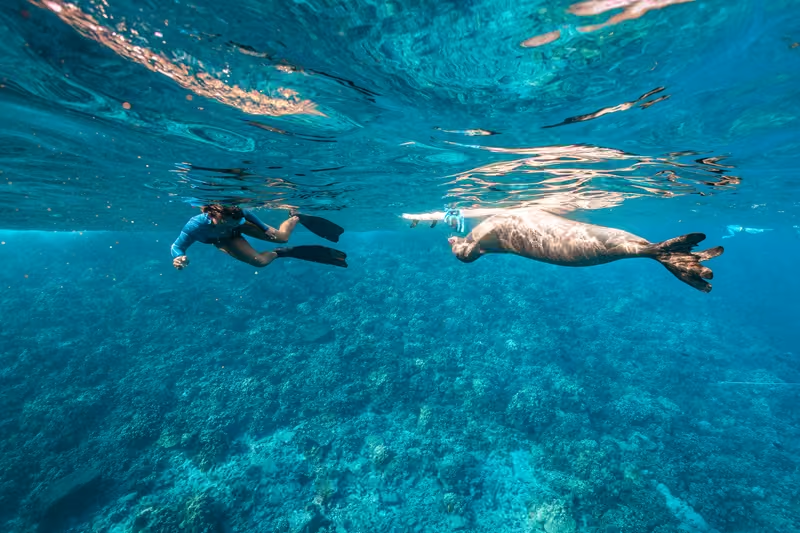
- In The Water: If a seal swims near you, stay calm, don’t interact, and move away slowly when it’s safe
- Report Concerns: If a seal looks sick, injured, entangled, stranded, or disturbed, call NOAA’s Marine Wildlife Hotline at (888) 256-9840
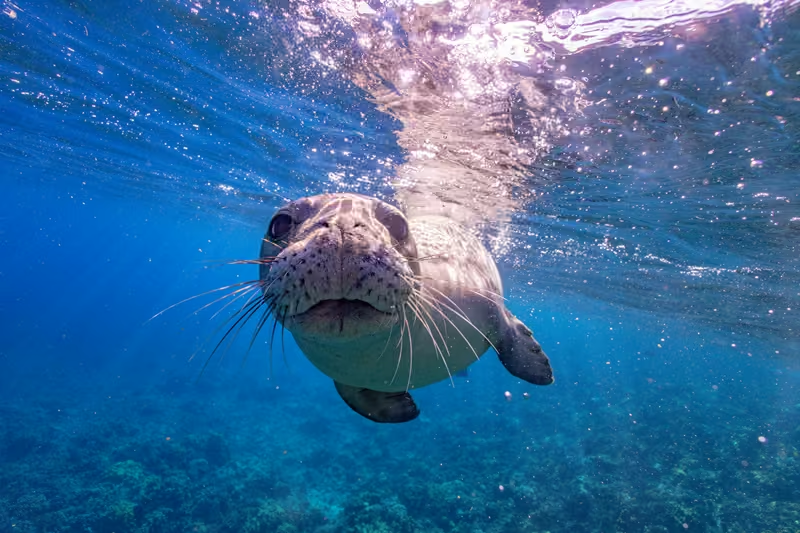
Aloha, fellow ocean enthusiasts! Today, we’re learning about the Hawaiian monk seal, a special and endangered marine animal found only in Hawaii. With their soulful eyes and plump, sausage-like bodies, these seals hold a special place in the hearts of Hawaiians and visitors!
In Hawaiian, the monk seal is known as ʻIlioholoikauaua. These amazing creatures are a true treasure of the Hawaiian Islands. Learning their story of resilience and hope makes any encounter with them more meaningful.
Let's explore these fascinating animals. We'll learn about their history, the challenges they face in Maui, and why they are important for the Hawaiian ecosystem!
Can You See Hawaiian Monk Seals on Maui?
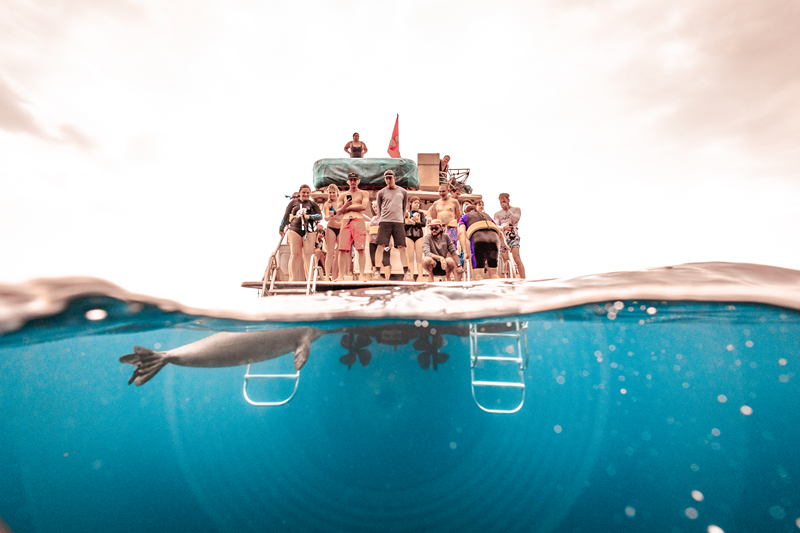
Yes, but sightings are rare and unpredictable. You might see a Hawaiian monk seal resting on a beach or swimming through reef areas around Maui, but you can't count on one at a specific tour stop or beach. If you see one, watch from a distance, don't approach, and follow NOAA's 50-foot rule or stay 150 feet away from mothers with pups.
ʻĪlio Holo I Ka Uaua: Hawaiian Name and Meaning
In Hawaiian, the monk seal is known as ʻīlio holo i ka uaua (often written as ʻilioholoikauaua or ʻīlio-holo-i-ka-uaua), commonly translated as “dog that runs in rough water” (sometimes phrased “rough seas”).
You’ll see it written with or without spaces/hyphens depending on the source, but it refers to the same traditional Hawaiian name for this native, protected seal species.
Pronunciation Hint: EE-LEE-oh HOH-loh ee kah OO-AH-oo-ah (the ʻokina ʻ is a quick pause; a macron like ī means you hold that vowel a bit longer).
Hawaiian Monk Seal History and Origins
Hawaiian monk seals are found only in the Hawaiian Islands, which means they are found nowhere else in the world. In the Northwestern Hawaiian Islands, monk seals spend much of their time resting on quiet beaches and foraging in nearby reefs.
Monk seals' history dates back millions of years, making them among the oldest seal species alive. Scientists estimate that Hawaiian monk seals diverged from their closest relatives about 15 million years ago and have likely inhabited the Hawaiian archipelago for millions of years.
Hawaiian monk seals are one of only two types of monk seals still living today. The other type is the Mediterranean monk seal. Their close cousin, the Caribbean monk seal, was declared extinct in 2008 after years of overhunting and habitat loss.
Native Hawaiians greatly respected monk seals. They saw them as sacred animals and symbols of the ocean's wealth. Ancient Hawaiians relied on sustainable fishing practices to coexist with these marine animals. European settlers came to Hawaii in the 1700s and 1800s and hunted monk seals for pelts and oil, reducing their population to dangerous levels.
Why Hawaiian Monk Seals Are Endangered
Sadly, the Hawaiian monk seal is one of the most endangered seal species in the world. They're listed as “Endangered” under the U.S. Endangered Species Act and by the International Union for Conservation of Nature (IUCN, 2015 assessment).
NOAA currently estimates the Hawaiian monk seal population at around 1,600 seals, including nearly 1,200 in Papahānaumokuākea and about 400 in the main Hawaiian Islands. The population has been increasing slowly since 2013, but Hawaiian monk seals remain endangered and still need strong protection.
Main Threats to Hawaiian Monk Seals
- Habitat Loss: Rising sea levels and erosion caused by climate change are reducing the sandy beaches where monk seals rest and give birth. These areas are often where pups are born, making their preservation critical to the species' survival.
- Entanglement: Marine debris, like discarded fishing gear, is a major danger. It can entangle animals and cause injury or death.
- Human Interaction: Feeding or approaching seals can disrupt their natural behaviors and expose them to disease. Female monk seals with young pups are especially vulnerable to disturbance.
- Predation: Tiger sharks and, in some cases, aggressive male monk seals can pose threats, particularly to young pups.
- Disease: Monk seals are at risk from diseases like toxoplasmosis, which is spread by feral cats. They are also vulnerable to other threats, such as West Nile Virus.
- Food Limitation: Monk seals are opportunistic feeders, dining on a variety of fish, squid, octopus, and crustaceans. Competition with commercial fisheries, changes in the ocean, and other factors make it hard for monk seals to find food.
This is especially true for nursing mothers and growing pups. Over time, these pressures have reduced the Hawaiian monk seal population, making protection efforts even more important.
Despite these challenges, conservation efforts have seen some success. Groups like NOAA Fisheries, the National Marine Fisheries Service, the Marine Mammal Center, and local nonprofits in Hawaii help protect monk seals. They do this with beach monitoring, rescues, rehab, and public education.
Where Hawaiian Monk Seals May Appear Around Maui
Hawaiian monk seals can appear around Maui, but sightings are rare and unpredictable. You might see one resting on a beach or swimming through reef areas, but no beach, tour, or snorkel stop can guarantee an encounter. If you do see one, treat it as a privilege, give it space, and follow NOAA viewing guidance.
Molokini Crater, off the coast of Maui, is a favorite snorkeling spot with coral reefs and sea life all around. Monk seals are not regulars here, but lucky guests may see one. Our morning Molokini Crater Snorkeling Tours run daily from 7 AM – 12 PM. Book your tour now for clear water, reef life, and responsible wildlife viewing. Monk seal sightings are possible, but rare, and they're never guaranteed.
Turtle Town, a stretch of coastline along Maluaka Beach, is famous for its resident Hawaiian green sea turtles. While the focus is usually on the turtles, keen-eyed snorkelers might also spot a monk seal swimming nearby. Turtle Town or Coral Gardens is a part of our 2-stop Molokini Crater Snorkeling Tour. If Turtle Town is on your list, read our Turtle Town etiquette tips first to learn how to snorkel responsibly around honu.
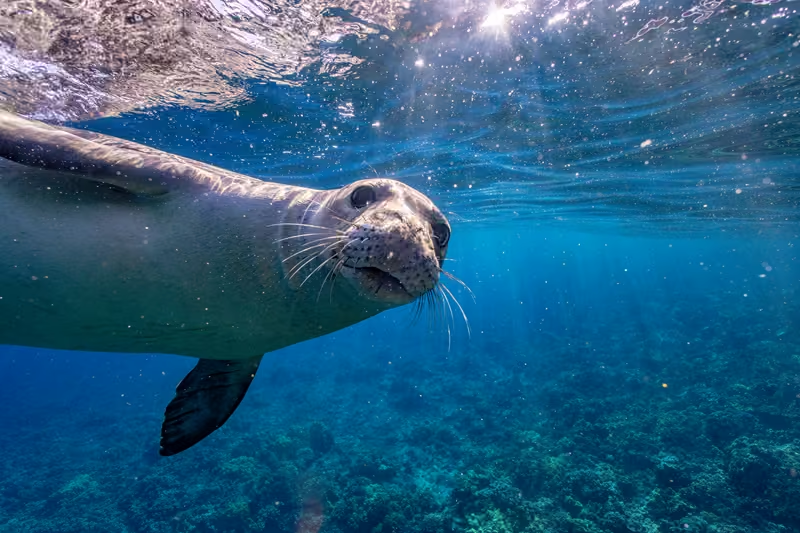
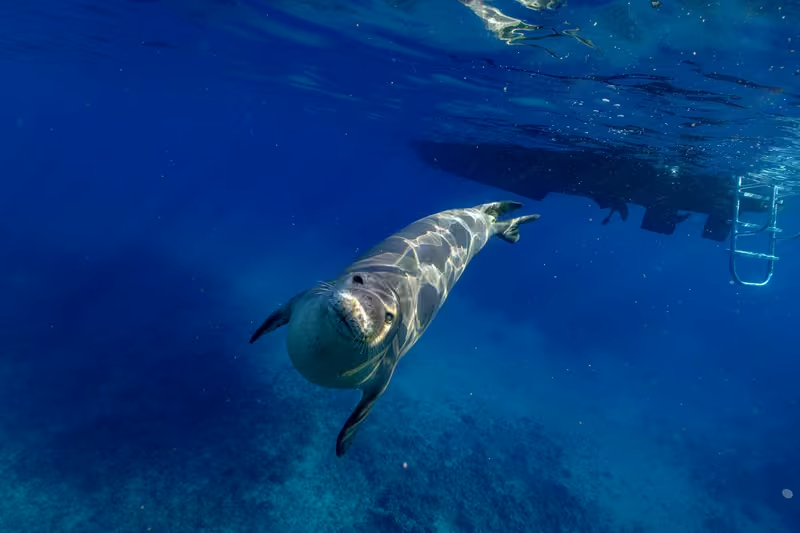
While snorkeling in Maui, you may see a monk seal resting on coral or swimming as it looks for fish, octopus, or crabs. Their streamlined bodies make them excellent swimmers. They can hold their breath for up to 20 minutes and dive to depths of more than 1,800 feet.
👉 Want a quick cheat sheet for what you might see (plus responsible wildlife viewing rules) at Molokini and Turtle Town?
How Far To Stay From Hawaiian Monk Seals
If you’re lucky enough to encounter a monk seal, remember these essential guidelines:
- Maintain a Distance: NOAA recommends staying at least 50 ft (15 m) from monk seals, and 150 ft from mothers with pups. Harassing, feeding, or approaching is illegal under the ESA and MMPA.
- Never Touch or Feed: It’s illegal and harmful to touch, feed, or harass monk seals. Let them rest undisturbed.
- Observe Quietly: Avoid loud noises or sudden movements that could startle or stress the seal.
- Report Sightings: See a monk seal that looks sick or injured? Report it to the NOAA Marine Wildlife Hotline: 1-888-256-9840 or call 1-808-987-0765 for TMMC's Hawaiʻi hotline. Your observation can help scientists monitor the population and provide assistance when needed.
👉 For a broader refresher on wildlife viewing etiquette in Maui, check our snorkeling safety and etiquette list of what not to do in the water.
Why Monk Seals Matter to Maui's Ocean Ecosystem
More than adorable sea animals, Hawaiian monk seals play an important role in keeping Hawaii’s waters in balance. Here are some of the ways they contribute to environmental stability:
- Maintaining Coral Reef Health: Monk seals are top predators, though sharks sometimes eat them. They help control the numbers of fish, squid, and other prey. This balance prevents overgrazing of coral reefs and promotes biodiversity.
- Indicator Species: The health of monk seal populations reflects the overall health of Hawaii’s marine ecosystems. Their decline signals broader environmental issues, such as pollution and habitat degradation, that affect countless other species.
- Nutrient Cycling: By leaving waste near coral reefs, monk seals provide nutrients that support reef growth and recovery.
Protecting monk seals helps the animals and the ocean systems. In other parts of the world, sea lions fill similar ecological roles; in Hawai‘i, monk seals are the resident pinniped.
👉 For more on Maui’s other famous protected marine animal, see our guide to
Hawaiian green sea turtles (honu) in Maui, including the best spots and respectful viewing tips.
Conservation Efforts in Hawaiʻi (How Monk Seals Are Protected)
Despite the challenges they face, there is hope for the Hawaiian monk seal's future. Dedicated scientists, conservation organizations, and government agencies are working tirelessly to protect these animals and help their population recover.
What Conservation Teams Are Doing
- Population Monitoring: Scientists regularly monitor the monk seal population, tracking their numbers, health, and reproductive success. This data helps inform conservation strategies and identify areas where intervention is needed.
- Habitat Protection: Monk seals need safe spaces to live. Protecting their pupping beaches and feeding grounds is essential. This includes establishing marine protected areas and reducing human disturbance in sensitive areas.
- Entanglement Response: Rescue teams respond to tangled seals, remove the debris, and give medical help when needed.
- Disease Research and Management: Scientists study diseases that harm monk seals and work on ways to stop and control them.
- Community Education and Outreach: It’s important to remind locals and visitors why monk seals need protection. We should also teach them how to watch these seals safely.
- Legal Protections: Hawaiian monk seals are protected by U.S. law. Both the Endangered Species Act and the Marine Mammal Protection Act make it illegal to harass or hurt them.
- Ke Kai Ola: This monk seal hospital rescues and cares for injured seals, helping them heal so they can return safely to the ocean.
How You Can Help Hawaiian Monk Seals on Maui
Families and individuals can support Hawaiian monk seal conservation efforts in many ways. Whether you visit Hawaii or advocate from afar, your actions can make a difference.
- Volunteer: The Hawaiian Monk Seal Preservation Ohana and NOAA offer volunteer opportunities. You can monitor beaches, educate others, and help with rescues.
- Reduce Marine Debris: Take part in beach cleanups or avoid single-use plastics. Both actions protect monk seals and other ocean animals from harmful debris. One easy way to reduce impact is using reef-safe sunscreen in Maui, here’s a quick guide to mineral options and what to avoid.
- Adopt a Monk Seal: Many conservation groups offer symbolic adoption programs that fund research, rehabilitation, and public awareness campaigns.
- Spread Awareness: Share information about Hawaiian monk seals with friends and family to encourage responsible tourism and environmental stewardship.
- Practice Responsible Snorkeling and Boating: Always follow safe wildlife guidelines. If you see a monk seal that is entangled or injured, notify local officials. Our eco-friendly snorkeling tips cover simple habits that protect reefs and wildlife (including giving animals space, not feeding fish, and keeping fins off coral).
- Be a Responsible Tourist: Follow the viewing guidelines, maintain a respectful distance, and never disturb a resting seal.
- Report Violations: Report anyone you see harassing a Hawaiian Monk Seal.
Hawaiian Monk Seal Facts
To wrap up, here are some fun and fascinating facts about Hawaiian monk seals:
- Ancient Origins: They are considered “living fossils” due to their ancient lineage.
- Lone Wanderers: Unlike many other seal species, monk seals are mostly solitary, though mothers and pups share a strong bond.
- Big Appetites: Monk seals can eat up to 8% of their body weight in a single day!
- Long Naps: They often spend hours basking on beaches, which helps them conserve energy and digest their meals.
- Unique Sounds: Monk seals communicate using a range of vocalizations, including barks, growls, and moans.
Final Thoughts
The Hawaiian monk seal symbolizes the beauty and fragility of the Hawaiian Islands. Let us all be kahu (guardians) of the monk seal and the precious ecosystem they call home. Mahalo for reading and for caring about these incredible animals! We hope you’ll join one of our snorkeling tours soon. You may be lucky enough to see these amazing animals in the wild! 🦭