Written by
Maui Snorkeling, operating tours to Molokini Crater, Turtle Town, and Coral Gardens from Māʻalaea Harbor since 1985. Tours are led by USCG-licensed captains aboard a
USCG-inspected passenger vessel.
Quick Answer
Hawaii’s state fish is the
humuhumunukunukuāpuaʻa, also called the reef or rectangular
triggerfish. Its scientific name is Rhinecanthus rectangulus.
Look for an angular body, bold markings, and a pointed snout.
On Maui, watch around reef structure, rocky crevices, and nearby sandy
patches when snorkeling conditions are suitable. Sightings aren’t guaranteed.
Main takeaways:
-
Common names: Reef triggerfish and rectangular
triggerfish. Humuhumu is a shortened name that can also refer to
other triggerfish.
-
Hawaiian name: Humuhumunukunukuāpuaʻa, also typed
as humuhumunukunukuapuaa without Hawaiian marks.
-
Identification clues: An angular body, distinctive
color pattern, pointed snout, and a dorsal spine that can lock
into place.
-
Similar species: The lagoon triggerfish
(Rhinecanthus aculeatus) shares the Hawaiian name, but
Hawaiʻi’s state-fish designation specifically names
Rhinecanthus rectangulus.
-
Where to look on Maui: Reef habitat at Molokini,
Turtle Town, Coral Gardens, and suitable shore-snorkeling locations.
Access and visibility depend on current conditions.
-
Watching respectfully: Move slowly, give fish space,
and don’t follow them into crevices. Never touch coral, stand on
reef, or feed marine life.
The Hawaiian state fish is the humuhumunukunukuāpuaʻa, also called the reef triggerfish. It’s one of Hawaiʻi's most recognizable reef fish, thanks to its bold markings, pointed snout, and unforgettable Hawaiian name. In this guide, you’ll learn what its name means, how to pronounce it, how to identify it underwater, and where to look for it while snorkeling on Maui.
Hawaii State Fish At A Glance
Here’s a quick reference to the humuhumunukunukuāpuaʻa, including its
names, size, reef habitat, diet, and identification clues.
| Topic |
Details |
| Common and Hawaiian names |
Reef triggerfish or rectangular triggerfish.
Hawaiian name: humuhumunukunukuāpuaʻa.
Humuhumu is a shortened name also used for other triggerfish.
|
| Scientific name |
Rhinecanthus rectangulus, the species designated
as Hawaiʻi’s official state fish.
|
| Size |
Can reach about 10 inches, or 25 centimeters, in length,
according to Waikīkī Aquarium.
|
| Geographic range |
Found across the tropical Indo-Pacific, including Hawaiʻi.
It is not endemic to the Hawaiian Islands.
|
| Reef habitat |
Shallow reef flats and outer reefs, including rocky areas
affected by surge. Its presence doesn’t indicate that
conditions are suitable for snorkeling.
|
| Diet |
Algae and reef invertebrates, including small crustaceans,
worms, snails, brittlestars, and sea urchins.
|
| Identification clues |
Angular body, pointed snout, a diagonal black band from the
eye toward the anal fin, and a black wedge-shaped marking
near the tail. A blue bar crosses the upper lip.
|
| Similar species |
The lagoon triggerfish, Rhinecanthus aculeatus,
shares the Hawaiian name humuhumunukunukuāpuaʻa but is a
different species. Check the scientific name when comparing
fish guides or photographs.
|
Sources:
Waikīkī Aquarium,
Fishes of Australia,
and
Hawaiʻi Act 67 (PDF).
Watch fish without touching, feeding, chasing, or disturbing the reef.
Why Is The Humuhumunukunukuāpuaʻa Hawaii’s State Fish?
The reef triggerfish first became Hawaiʻi’s official state fish in 1985 under a law that expired after five years. That designation ended in 1990. On May 2, 2006, Act 67 permanently restored the title to the humuhumunukunukuāpuaʻa, specifically the species Rhinecanthus rectangulus.
Its status as a state fish is a legal designation. Its Hawaiian name has its own story.
What does Humuhumunukunukuāpuaʻa mean?
The humuhumunukunukuāpuaʻa is one of Hawaiʻi’s most recognizable reef fish, and its name tells you a lot about it. According to Waikīkī Aquarium, humuhumu is the Hawaiian term for triggerfish, while nukuāpuaʻa means “snout like a pig.” That fits this fish well: it roots around the reef for food and can even grunt when stressed or handled.
This fish also has a small but real place in Hawaiian history. Waikīkī Aquarium notes that triggerfish known by this name were sometimes used as substitutes for pigs in certain religious ceremonies.
About Spelling
This guide uses humuhumunukunukuāpuaʻa, including the Hawaiian kahakō and ʻokina. You’ll also see humuhumunukunukuapuaa typed without those marks in searches and travel information. Humuhumu is a convenient shortened name, but it can refer to triggerfish more generally.
How To Pronounce Humuhumunukunukuāpuaʻa
(It’s Easier Than You Think.) Break it into small bits:
humu-humu-nuku-nuku-ā-puaʻa
Practice one part at a time, then join the parts together.
Nicknames
Locals often shorten it to Humuhumu. That’s much easier to say when you’re pointing one out on a snorkeling tour!
How To Identify a Humuhumunukunukuāpuaʻa
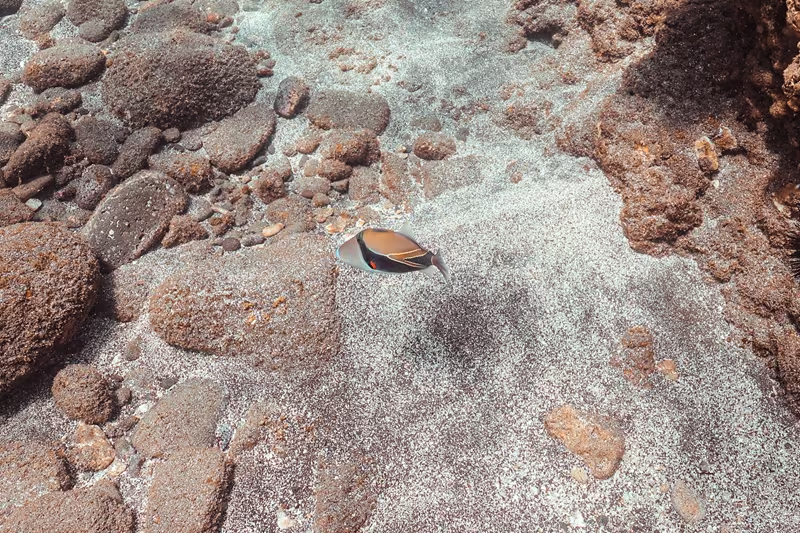
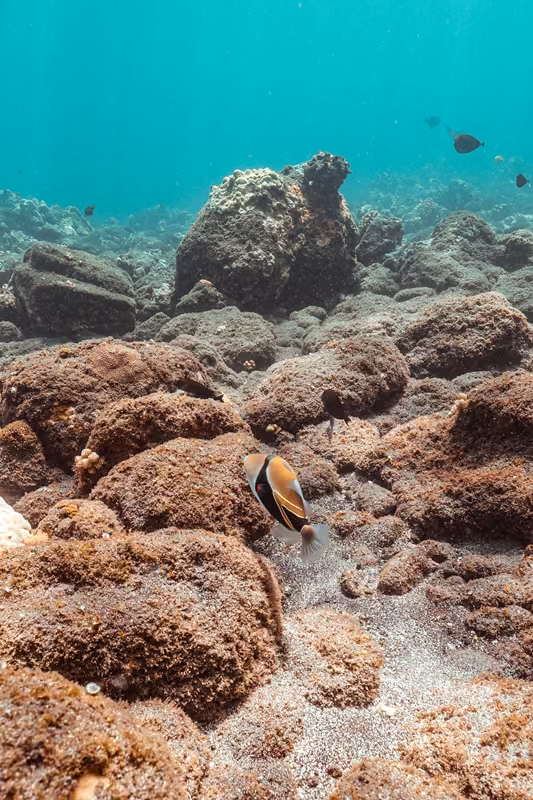
Quick ID: Look for an angular body, a pointed, pig-like snout, a dark mask across the face, blue lines near the mouth, and a stop-and-go swimming style near the reef.
The reef triggerfish can reach about 10 inches, or 25 centimeters, in length. However, its bold colors and markings make it stand out.
- Body Shape: Flat and oval-shaped, with a pointed snout.
- Colors: Creamy beige body with striking black, blue, and yellow stripes.
- Eyes: Positioned high on its head, helping it keep watch while feeding.
Where To See the Hawaii State Fish on Maui
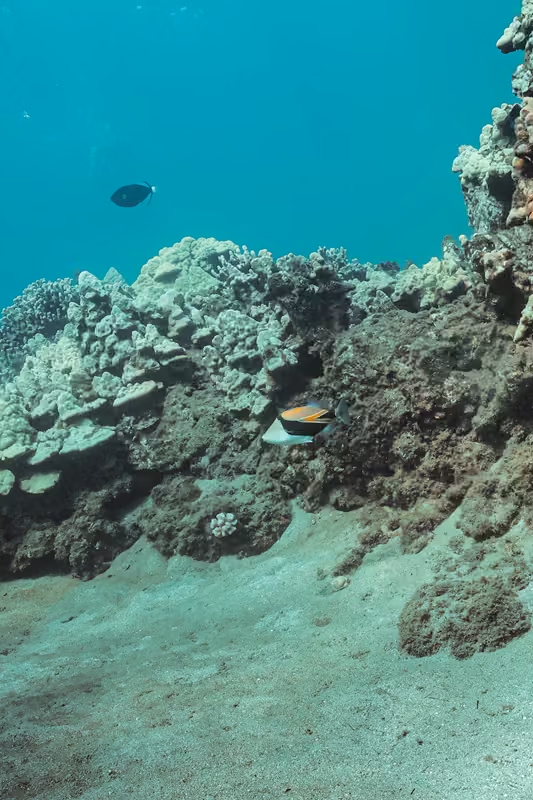
The Humuhumunukunukuapuaʻa loves the warm, shallow reefs of Hawaii. You'll commonly find it around coral heads, rocky crevices, and sandy lagoon bottoms.
Best Boat Snorkel Spots on Maui
- Molokini Crater: Look around coral patches and rocky reef structure when conditions allow a visit.
- Turtle Town: Watch the boundaries between lava reef, crevices, and sandy openings.
- Coral Gardens: Scan reef structure slowly and watch for the fish’s distinctive markings.
Best Shore Snorkel Spots on Maui
Reef habitat near Kapalua Bay, Napili Bay, Black Rock, Ulua Beach, and Keawakapu can provide opportunities to look for humuhumu. Choose a location that suits your ocean experience and the day’s conditions rather than following a fixed route along rocks or around a point. Keep clear of coral and leave room for the fish to move naturally.
Best Time To Look for Humuhumu
Plan your search for daylight hours when conditions are suitable. Morning often brings lighter winds, but visibility and surf still vary. Watch reef structure and nearby sandy patches without chasing fish. If conditions aren’t appropriate, save snorkeling for another day.
How the Humuhumunukunukuāpuaʻa Behaves on the Reef
- Daily Life: These fish are active during the day and tend to hide at night. They eat algae, snails, and small crustaceans.
- Defense Mechanism: They wedge into rocks and lock in with a dorsal spine “trigger.” That’s how triggerfish got their name.
- Territorial Attitude: Don’t be fooled by their cute looks! They’re feisty! These little guys defend their territory, especially against other fish.
How To See Humuhumunukunukuāpuaʻa While Snorkeling on Maui
A boat tour provides gear, crew guidance, and a planned outing while you look for Maui’s reef fish.
Our 5-hour morning tour runs from 7 a.m. to about noon, with planned stops at Molokini and Turtle Town or another reef. Our 3-hour afternoon tour runs from 1 p.m. to about 4 p.m. and typically visits Coral Gardens or another nearby reef.
Destinations and wildlife sightings depend on conditions. Anyone entering the water should be able to swim independently, stay calm face-down in deep water, and follow the crew's instructions.
Reef Etiquette When Snorkeling
- Give Fish Space: Reef Triggerfish can get territorial, especially when guarding a nest. If it flares fins, tilts, or charges, back away slowly. That’s reef language for “too close.”
- Never Feed Fish: Feeding changes natural behavior and can harm reef life. Let them do the feeding, while you do the watching.
- Use Mineral-only Sunscreen: Wear a rash guard, hat, and other sun-protective clothing. If using sunscreen, choose mineral active ingredients such as zinc oxide and/or titanium dioxide and follow the label instructions.
- Respect Protected Areas: Many sites around Maui are special places for marine life. Follow posted signs and your crew's guidance.
Tips for Spotting Them
- Stay Calm: These fish are shy. Move slowly to avoid scaring them.
- Look Down Low: They often feed near the reef bottom.
- Watch the Sand: Sometimes they dart across open areas between coral.
- Ask the crew: Crew members can help you recognize fish and point out identification clues.
Humuhumu vs. Other Triggerfish You Might See
Look-Alikes You May Meet
The reef triggerfish (Rhinecanthus rectangulus) shares the Hawaiian name humuhumunukunukuāpuaʻa with the lagoon triggerfish (Rhinecanthus aculeatus). They’re different species, and Hawaiʻi’s official state-fish designation specifically names R. rectangulus. When checking a photograph or fish guide, look at the scientific name rather than relying on “humuhumu” alone.
Hawaii hosts several triggerfish. Two you might spot:
- Black Triggerfish: Dark body, often in schools, sleek shape.
- Pinktail Triggerfish: Bright pink tail with a greenish body, hard to miss!
These species are lovely, but the humuhumu stands out with its busy face pattern and crisp, painted lines.
How to Tell the Humuhumu at a Glance
- Bold “mask” across the face
- Electric blue streaks
- Blocky, angular shape
- Confident, stop-and-go swim style
A Familiar Face On Maui’s Reefs
Knowing the humuhumunukunukuāpuaʻa’s name, markings, and reef habits gives you more to notice on your next Maui snorkel. Watch from a comfortable distance, leave the reef undisturbed, and enjoy whatever marine life appears. 🐠
👉 For help recognizing other species, explore our Maui Tropical Fish Guide!
Sources & Updates
Use these resources to confirm the state-fish designation, species
identification, reef protection, and Maui sunscreen requirements.
Before snorkeling, check current ocean conditions, water-quality
advisories, and posted warnings.