Written by
Maui Snorkeling, operating tours to Molokini Crater, Turtle Town, and Coral Gardens from Māʻalaea Harbor since 1985. Tours are led by USCG-licensed captains aboard a
USCG-inspected passenger vessel.
Quick Answer
Molokini marine life includes colorful reef fish, living coral, and animals such as moray eels, octopus, and whitetip reef sharks. Turtle Town’s coastal lava reefs also support tropical fish and coral, with Hawaiian green sea turtles, or honu, as a particular highlight. Spotted eagle rays may pass through either area, but no animal sighting is guaranteed.
Main takeaways:
-
Reef Fish: Look for yellow tangs, butterflyfish, Moorish idols, parrotfish, triggerfish, convict tangs, and Hawaiian sergeants.
-
Turtle Town: Honu may appear around the coastal reef, but there’s also fish life and coral to enjoy.
-
Less Obvious Animals: Eels and octopus can shelter or blend into the reef, making them harder to notice.
-
Living Habitat: Coral and rocky reef structure provide feeding areas and shelter. Keep your hands and fins clear.
-
Sighting Expectations: Visibility, animal activity, and the captain’s choice of snorkeling location affect what you may see.
-
Wildlife Etiquette: Never touch, feed, chase, or block marine animals. Give turtles at least 10 feet of space and follow crew instructions.
For help recognizing individual species, explore our
Maui Fish Identification Guide.
There’s more to a Maui reef than the biggest animal swimming past. Fish grazing on algae, an eel peeking from a crevice, and living coral beneath you all tell part of the story. This guide explains the marine life associated with Molokini and Turtle Town, what to watch for, and how to enjoy those encounters without disturbing the reef.
What Marine Life Should You Expect To See?
Build your expectations around the reef, not a checklist of larger animals. Tropical fish and coral offer plenty to observe, while turtles, rays, eels, octopuses, and sharks may or may not appear during your visit.
Some animals blend into their surroundings or remain inside reef shelter. Others move through an area and continue elsewhere. Not spotting an octopus or turtle doesn’t mean the reef is empty.
Neither a named snorkeling destination nor clear water guarantees a particular animal encounter. The captain selects suitable snorkeling locations, but wildlife follows its own schedule.
Molokini Marine Life
Reef Fish
Molokini's reef supports many of the tropical fish associated with Hawaiian snorkeling. Yellow tangs and convict tangs graze algae from reef surfaces. Butterflyfish move around coral heads, while Moorish idols are recognizable by their black, white, and yellow bodies and long dorsal streamers. Parrotfish, triggerfish, and Hawaiian sergeants add more color and movement across the reef.
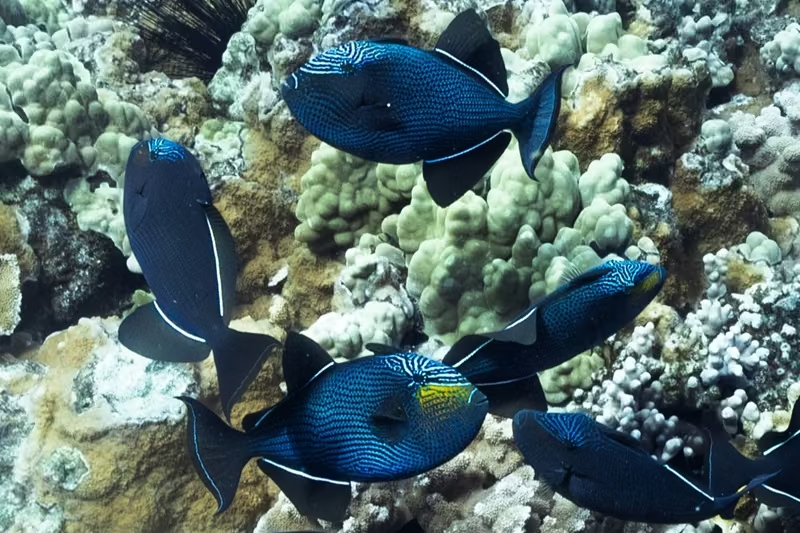
Black triggerfish, known in Hawaiʻi as humuhumu eleʻele, may gather in the water column or above the reef. Other small fish use the coral for food, shelter, and protection from predators.
If you notice a fish swimming close to the bottom and sweeping the sand with two whisker-like feelers beneath its chin, you may be looking at a goatfish. Our Goatfish in Maui Guide explains the species, Hawaiian names, identification clues, and feeding behavior to look for while snorkeling.
Another reef fish worth watching for is the bigeye emperor, known in Hawaiian as mū. Its oversized eye, rounded forehead, and deep, silvery body set it apart from other reef fish. See our Bigeye Emperor in Maui Guide for identification tips, behavior, and documented Molokini sightings.
Coral and Reef Habitat
Coral isn’t a plant or a colorful rock. Reef-building corals are animals made up of tiny polyps that produce a hard skeleton. Over time, that structure helps create the reef habitat used by fish and other marine life.
Rays, Eels, Octopus, and Reef Sharks
Spotted eagle rays have broad wings, long tails, and white spots on their backs. Around Molokini, they may move along reef edges or through open water near sandy areas.
Moray eels spend much of their time inside reef crevices with only their heads visible. Their repeated open-and-close mouth movement helps them breathe and is not necessarily a sign of aggression. The Maui Moray Eel Guide covers species, behavior, and safe observation in more detail.
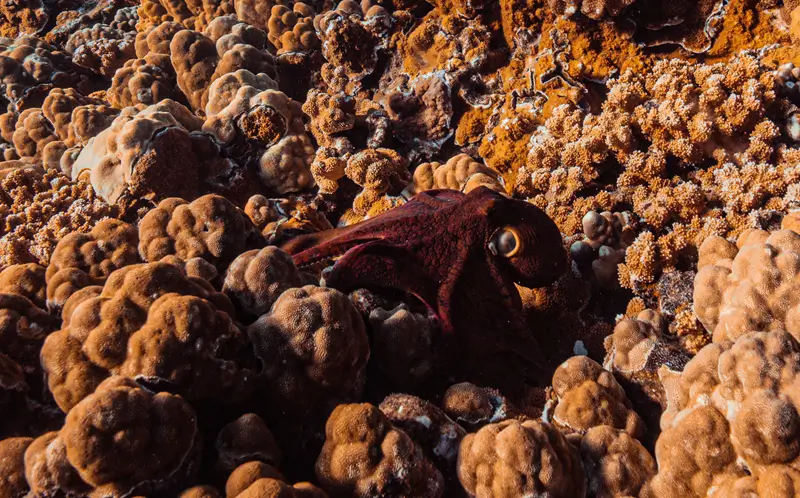
Hawaiian day octopus use changes in color, texture, and body shape to blend into their surroundings. They hunt crabs, shrimp, and marine snails. Whitetip reef sharks also occur around Molokini’s reef habitat. They often rest near the bottom during daylight and become more active at night, but sightings aren’t guaranteed.
Sea Turtles at Molokini
Hawaiian green sea turtles can move through Molokini's reef, but the crater is more strongly associated with reef fish and coral. Turtle Town has the clearest wildlife distinction for honu because its nearshore lava reef provides the habitat for which the area is named.
Marine Life at Turtle Town
Hawaiian Green Sea Turtles
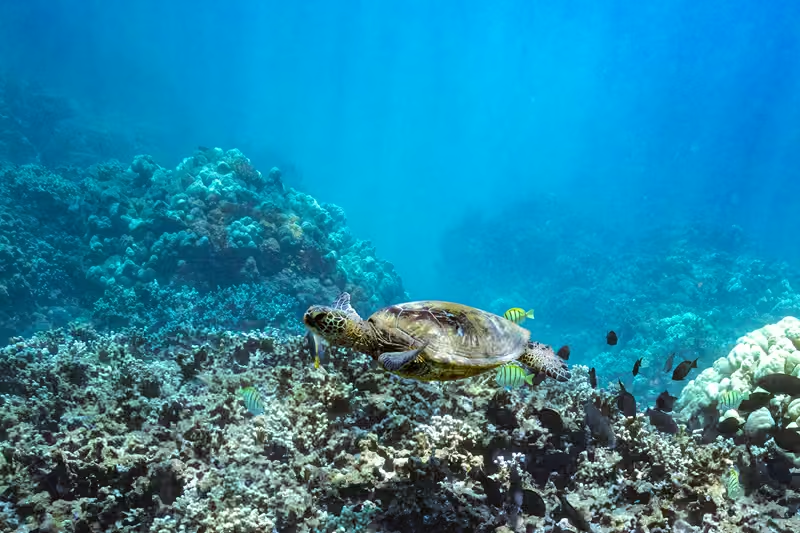
Honu are Turtle Town's signature marine animals. They move over lava fingers, coral patches, and sandy channels, grazing algae and surfacing to breathe. A turtle may rest near the reef or follow an established path between feeding and resting areas, so swimmers should avoid blocking its movement.
Learn more about honu behavior and habitat in the Maui Green Sea Turtle Guide.
Reef Fish and Coral
Turtle Town's lava formations create a different reef structure from Molokini. Coral grows around rocky fingers, ledges, and crevices, while sandy openings break up the reef. These features support reef fish such as tangs, butterflyfish, Moorish idols, parrotfish, and triggerfish.
The reef's cracks and shaded spaces also provide shelter for smaller fish and invertebrates. Careful observation around the outside of crevices can reveal animals that are easy to overlook without disturbing their habitat.
Moray Eels, Octopus, and Eagle Rays
Moray eels and Hawaiian day octopus use Turtle Town's lava reef as cover. Eels remain close to holes and ledges, while octopus blend into rock and coral as they move across the reef.
Spotted eagle rays may pass over sandy channels or along reef edges. Their open-water movement contrasts with the eels and octopus that stay close to reef structure.
How To Notice More Marine Life While Snorkeling
Look Beyond The Brightest Fish
Watch how fish use the reef. Some graze close to the surface, while others gather in the water above. Following those movements with your eyes can be more rewarding than trying to identify every fish immediately.
Give Camouflaged Animals Time
Octopuses can blend into rock and coral, and an eel may reveal only its head. Observe from your existing position without reaching into holes, moving rocks, or trying to draw an animal out.
Notice The Habitat, Too
Compare coral formations, rocky ledges, and sandy openings. These different spaces provide feeding and shelter opportunities, helping explain why animals gather in some parts of the reef rather than others.
Best Time to See Molokini Marine Life
Marine life is easier to observe when the water is calm and visibility is clear. See the Molokini snorkeling conditions guide for details.
Why Molokini Is Protected
Molokini Shoal is a Marine Life Conservation District. Its protected status helps conserve coral, fish, and other marine animals within the crater's reef ecosystem. For the area's conservation status, access restrictions, and mooring rules, read the Molokini Crater Visitor Guide.
What About Monk Seals, Dolphins, And Whales?
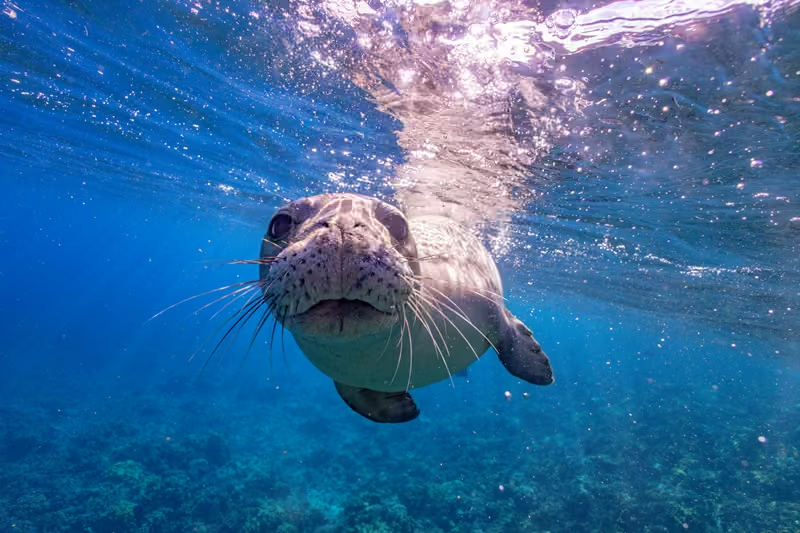
Maui’s marine wildlife extends beyond the reef animals described here. You may encounter monk seals or dolphins, and you may see humpback whales from the boat during whale season. Treat these as possible additional sightings, not promised stops or swimming experiences.
Follow crew instructions and observe from a distance; do not approach, chase, or try to join an animal in the water. A snorkeling tour remains a snorkeling trip, even when another wildlife sighting becomes part of the day.
NOAA recommends staying at least 10 feet from sea turtles and 50 feet from Hawaiian monk seals. Give mother seals and pups at least 150 feet, respect any larger marked buffer, and follow crew instructions.
Final Thoughts
Molokini marine life reflects an offshore coral ecosystem, while Turtle Town features honu moving through a nearshore lava reef. Rays, eels, octopus, and other reef animals connect the two habitats.
Move slowly, keep a respectful distance, and leave coral and wildlife undisturbed.