Written by
Maui Snorkeling, operating tours to Molokini Crater, Turtle Town, and Coral Gardens from Māʻalaea Harbor since 1985. Tours are led by USCG-licensed captains aboard a
USCG-inspected passenger vessel.
Quick Answer
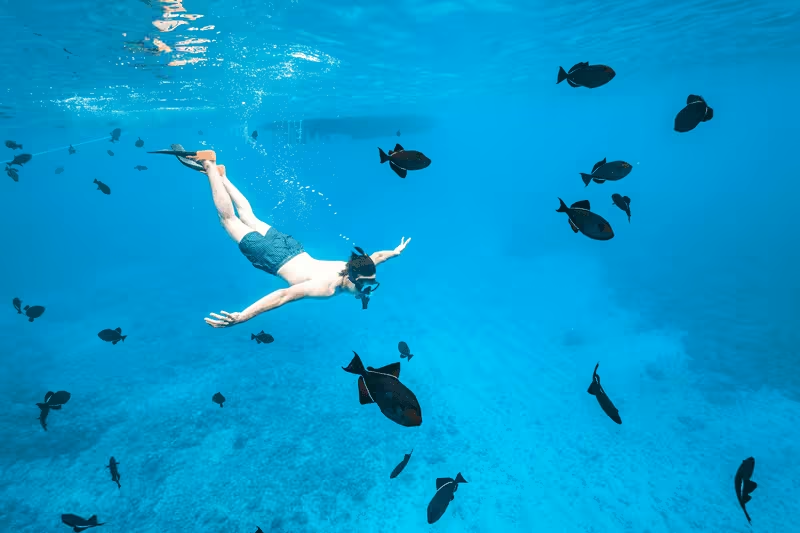
Black triggerfish in Maui are dark, oval-shaped reef fish that snorkelers may spot in clear water around coral reef areas. They’re often seen gliding above the reef, sometimes alone and sometimes in loose groups. Sightings aren’t guaranteed, but calm, clear conditions give you the best chance to notice them.
Main Takeaways:
- Best Time To Look: Morning, when the water is usually calmer and visibility is better
- How To Identify Them: Look for a dark body, oval shape, and pale lines along the top and bottom fins
- Common Habitat: Clear reef areas, reef slopes, and drop-off edges around Maui
- Snorkeling Tip: Move slowly, float calmly, and watch the reef from a safe distance
- Responsible Viewing: Don’t chase, touch, feed fish, or stand on coral
Maui is famous for sunny beaches, clear blue water, and beautiful ocean views, but some of the island’s most memorable sights are below the surface. When you snorkel in Maui, you may see coral reefs, tropical fish, Hawaiian green sea turtles, and reef fish like the black triggerfish.
The black triggerfish, also called the black durgon, is known in Hawaiian as humuhumuʻeleʻele. This dark, oval-shaped reef fish can be easy to miss at first, but it’s worth watching for during a Maui snorkeling trip. In the right light, you may notice subtle blue, green, or yellow highlights along its body and fins.
What Is a Black Triggerfish?
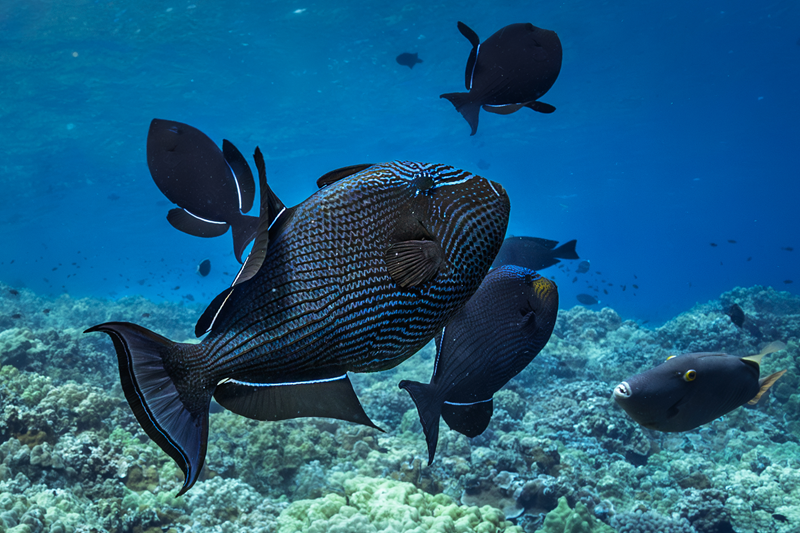
The black triggerfish (Melichthys niger) is a tropical reef fish that snorkelers may see around Maui’s clear reef areas. It’s also called the black durgon and, in Hawaiian, humuhumuʻeleʻele. This fish has a calm, steady swimming style and a dark body that can make it blend into reef shadows.
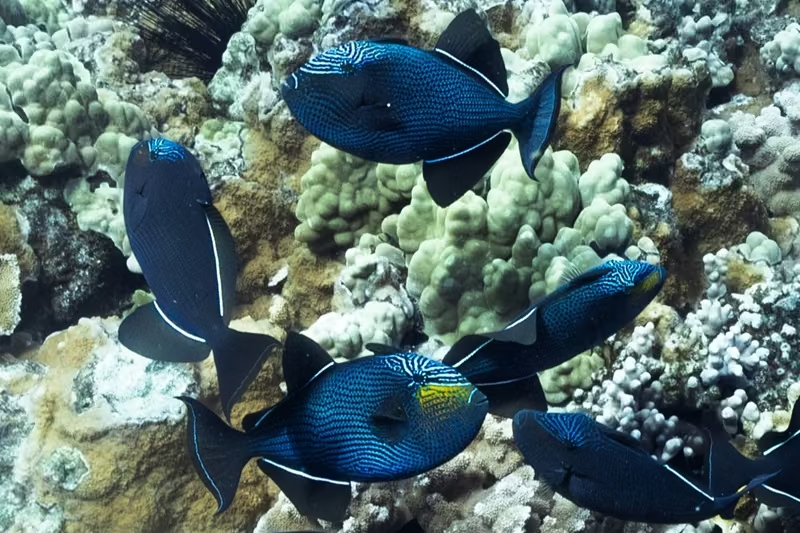
Even though it’s called a black triggerfish, it isn’t always completely black. In bright sunlight, you may notice dark blue, green, purple, or yellow highlights along its body and fins. One of the easiest ways to identify it is to look for pale lines along the bases of the dorsal and anal fins.
How To Identify a Black Triggerfish
Black triggerfish have several features that help snorkelers tell them apart from other Maui reef fish:
- Oval, compressed body: Its body looks flattened from side to side, which helps it move smoothly around reef structure.
- Dark coloring: Its body is usually deep black or dark blue, with subtle color changes in the right light.
- Pale fin lines: Light lines along the top and bottom fins are one of its best identifying marks.
- Small mouth: Its mouth is built for picking at algae, plankton, and tiny reef food sources.
- Trigger spine: Like other triggerfish, it has a dorsal spine that can lock into place for protection.
Why Are They Called Triggerfish?
Triggerfish get their name from a special spine on the top of their body. When a triggerfish feels threatened, it can raise this spine and lock it in place with a smaller second spine. This helps the fish wedge itself into reef cracks or rocky spaces, making it harder for predators to pull it out.
This “trigger” feature is one of the most interesting things about the black triggerfish. You probably won’t see it happen while snorkeling, but knowing how it works makes this reef fish even more fascinating to watch from a respectful distance.
How big do black triggerfish get?
Black triggerfish commonly reach around 12 inches (30 cm), although larger individuals have been reported up to about 20 inches (50 cm). Their deep, flattened bodies and broad fins can make them look substantial as they glide above the reef.
Black Triggerfish vs. Humuhumunukunukuāpuaʻa
The black triggerfish and the humuhumunukunukuāpuaʻa are both triggerfish, but they don’t look the same. The black triggerfish, or humuhumuʻeleʻele, has a dark oval body with pale fin lines and subtle color highlights in bright light. The humuhumunukunukuāpuaʻa, Hawaii’s state fish, has a bold pattern with bright colors and angular markings, and it looks very different.
If you’re snorkeling in Maui, the easiest way to tell them apart is by color and pattern. Black triggerfish usually look dark and smooth from a distance, while the humuhumunukunukuāpuaʻa stands out with stronger stripes and brighter markings.
Black triggerfish vs. pinktail triggerfish
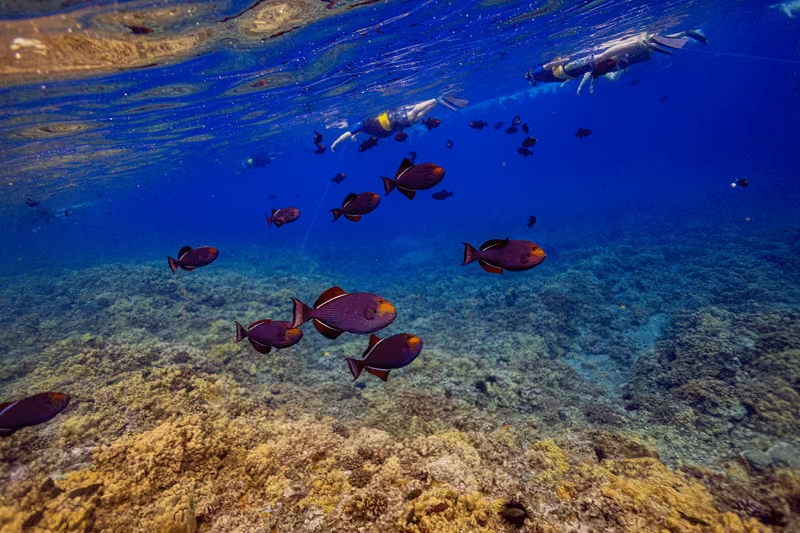
The pinktail triggerfish (Melichthys vidua) is a closer visual match than Hawaiʻi’s brightly patterned state fish. Both can have dark bodies, but pinktail triggerfish have pale dorsal and anal fins with dark borders and a pink outer tail.
For black triggerfish, look instead for narrow pale blue or white lines along the bases of the dorsal and anal fins. Use several markings together because underwater lighting can change how colors appear.
Where To See Black Triggerfish in Maui
Black triggerfish can be found around clear reef areas, reef slopes, lava rock, and drop-off edges. In Maui, snorkelers may spot them gliding above the reef when ocean conditions are calm and visibility is good. Sightings aren’t guaranteed, but the locations below are good places to watch for black triggerfish and other Maui reef fish.
Molokini Crater
Molokini Crater is one of Maui’s most famous snorkeling spots. Its clear water, reef structure, and protected marine environment make it a great place to look for tropical fish, including black triggerfish, butterflyfish, tangs, wrasses, and parrotfish.
Our Molokini Crater Snorkeling Tour is a five-hour morning trip with intended stops at Molokini and Turtle Town. Breakfast, lunch, snorkel gear, and flotation are included. The captain may change the route or stops based on conditions. The 25-foot waterslide is available at suitable stops when conditions allow, but it isn’t used at Molokini. Fish and turtle sightings aren’t guaranteed.
Coral Gardens
Coral Gardens is another strong place to look for black triggerfish in Maui. This reef area is known for colorful coral, tropical fish, and calm conditions when the weather and ocean cooperate. Because black triggerfish can blend into darker reef areas, move slowly and watch for their dark oval body and pale fin lines.
Our Maui Snorkeling Afternoon Tour is a three-hour trip that typically visits Coral Gardens or another nearby reef selected for the day’s conditions. Lunch, snorkel gear, and flotation are included. Waterslide use depends on the location and conditions, and wildlife sightings aren’t guaranteed.
Turtle Town
Turtle Town is best known for Hawaiian green sea turtles, but it’s also home to many types of reef fish. Snorkelers may see black triggerfish, tangs, butterflyfish, wrasses, and other tropical fish moving around the reef. If you do see turtles, give them plenty of space and never touch, chase, or block their path.
Turtle Town is often part of our morning Molokini Crater Snorkeling Tour, depending on conditions. It’s a helpful second stop because guests can experience a different reef environment after visiting Molokini Crater.
Black Rock
Black Rock in Kaʻanapali is a popular shore snorkeling area with lava rock, reef structure, and a variety of marine life. When the ocean is calm and visibility is good, snorkelers may spot black triggerfish along with butterflyfish, parrotfish, tangs, and other reef fish. You may also see moray eels tucked into rocky crevices.
Only snorkel at Black Rock when conditions are safe. If surf, currents, poor visibility, or crowding make entry or snorkeling uncomfortable, stay out and choose a land-based activity. A boat tour is another option, but its suitability also depends on the day’s conditions and your swimming ability.
Honolua Bay
Honolua Bay can offer excellent snorkeling during calm conditions, especially in summer. The bay has reef areas, rocky edges, and plenty of fish habitat. Snorkelers may see black triggerfish, surgeonfish, trumpetfish, butterflyfish, and other Maui marine life.
Conditions at Honolua Bay can change, so it’s important to check the ocean before entering. If the water is rough, brown, or has low visibility, it’s better to stay out and enjoy the view from shore.
Marine life moves naturally, so no snorkel location can promise a black triggerfish sighting. The best way to spot one is to snorkel calmly, keep a respectful distance from the reef, and look closely for its dark body, smooth swimming style, and pale lines along the fins.
Tips for Snorkeling Near Black Triggerfish
Snorkeling near black triggerfish in Maui takes patience, calm movement, and respect for the reef. These fish are wild animals, so the goal isn’t to get close. The goal is to watch them naturally without changing their behavior.
- Move slowly: Fast kicks and splashing can scare reef fish away. Float calmly and let the fish move naturally around the reef.
- Watch from a suitable snorkeling area: Look above the reef without swimming farther offshore or toward a drop-off just to follow fish. Stay within your swimming ability and follow lifeguard or crew guidance.
- Keep your distance: Don’t chase, touch, corner, or try to feed black triggerfish or any other marine life.
- Use a camera responsibly: Underwater photos are great, but don’t follow fish too closely just to get a shot.
- Protect the coral: Never stand on coral, kick the reef, or rest on underwater rock covered with living marine growth.
- Choose calm conditions: Clear, calm water makes it easier to spot the dark body and pale fin lines of a black triggerfish.
The best way to enjoy humuhumuʻeleʻele is to relax, breathe slowly, and watch the reef with care. When you give Maui’s marine life space, you’ll have a better chance of seeing natural behavior and enjoying a safer snorkeling experience.
What do black triggerfish eat?
Black triggerfish are omnivores that eat algae and zooplankton, the small animals drifting in the water. They may pick up drifting pieces of algae or feed above the reef rather than searching only along the bottom.
That feeding behavior gives snorkelers something interesting to watch: a group hovering in open water may be feeding, not simply passing through. Let them continue naturally without offering food or swimming into the group.
Final Thoughts on Black Triggerfish in Maui
Black triggerfish are worth a second look. Their pale fin lines, subtle colors, and feeding movements give you more to notice than a dark silhouette above the reef. Watch without following or feeding them, and use several identification clues together. For help recognizing their neighbors, explore our Maui fish identification guide.