Written by
Maui Snorkeling, operating tours to Molokini Crater, Turtle Town, and Coral Gardens from Māʻalaea Harbor since 1985. Tours are led by USCG-licensed captains aboard a
USCG-inspected passenger vessel.
Quick Answer
New Year’s week snorkeling in Maui can be a memorable way to start the year. Book your preferred tour ahead of time, aim for favorable morning conditions, and keep a land-based backup in mind. A captain may choose a more sheltered reef when conditions allow, but rough surf, strong currents, or brown water can mean saving snorkeling for another day.
Main takeaways:
- Best time: Morning often brings lighter winds. For shore snorkeling, wait until there’s full daylight
- Calm day plan: Choose a morning Molokini Crater Snorkeling Tour for a classic Maui snorkeling experience
- Windy day plan: A sheltered reef may be an option when local conditions are suitable, but the captain may change destinations or cancel
- Backup plan: Don’t force snorkeling if the water is rough, murky, or unsafe
- Safety tip: Check wind, swell, visibility, shorebreak, and water quality before getting in the ocean
New Year’s week snorkeling in Maui can be incredible, but it’s also one of the busiest and most condition-dependent times of year to get in the water. Beaches fill early, parking can be tight, and winter wind or swell can quickly change the best snorkel plan.
This guide gives you three simple Maui snorkeling plans for New Year’s week: a calm day plan, a windy day plan, and a backup day plan for times when it’s smarter to stay out of the water.
Start here (takes 5 minutes):
What’s Different About Snorkeling During New Year’s Week?
New Year’s week brings a fun mix of holiday energy, winter whale sightings, and changing ocean conditions. North and west shores can get powerful winter swells, so a beach that looks inviting in summer may feel very different in January. Wind and swell aren’t the same. A light-wind morning can still have substantial surf.
Plan your snorkeling day around the forecast rather than locking it to a fixed date. That leaves room for a great ocean outing and a relaxed backup if plans change.
Before Your New Year’s Week Snorkel Day
A few small plans now can make your holiday outing feel much more relaxed:
- Reserve your preferred date: Book ahead and leave another day flexible if you can. Review cancellation and rescheduling terms before booking; changes depend on availability and your reservation’s terms.
- Confirm the holiday schedule: Check your exact departure date, check-in time, and meeting location rather than assuming every holiday runs on the usual schedule.
- Plan your ride and parking: Arrange transportation, confirm your meeting location, and leave time to park and walk. For beach outings, check the specific lot’s visitor hours before planning an early arrival.
- Give yourself a comfortable start: If New Year’s Eve means a late night, choose a departure you can enjoy feeling rested.
The 60‑Second Decision
Before you unpack your snorkel gear, take a minute to check:
- Your readiness: For our tours, guests should feel comfortable floating face-down in deep water. Arrive rested, use a buddy, and follow crew instructions.
- The forecast: Review wind, swell, and water-quality advisories.
- The shoreline: Look for breaking waves, surge, poor visibility, and a clear entry and exit.
- Local guidance: Follow posted warnings and closures. Ask a lifeguard about shore conditions or follow your captain’s instructions aboard a tour.
If anything feels uncertain, choose the backup itinerary below. There’s plenty to enjoy on Maui without squeezing snorkeling into the wrong day.
Itinerary 1: Calm Day Snorkel Plan
Best for: first-time snorkelers and families who meet the tour’s water-comfort guidance, photographers, and anyone who wants the iconic Maui snorkel day.
Vibe: an early start, colorful reef exploring, and a planned two-stop itinerary, with destinations and visibility depending on the day.
Morning Plan
- Run the quick forecast check (wind + swell + water quality). → Maui Snorkel Conditions 101
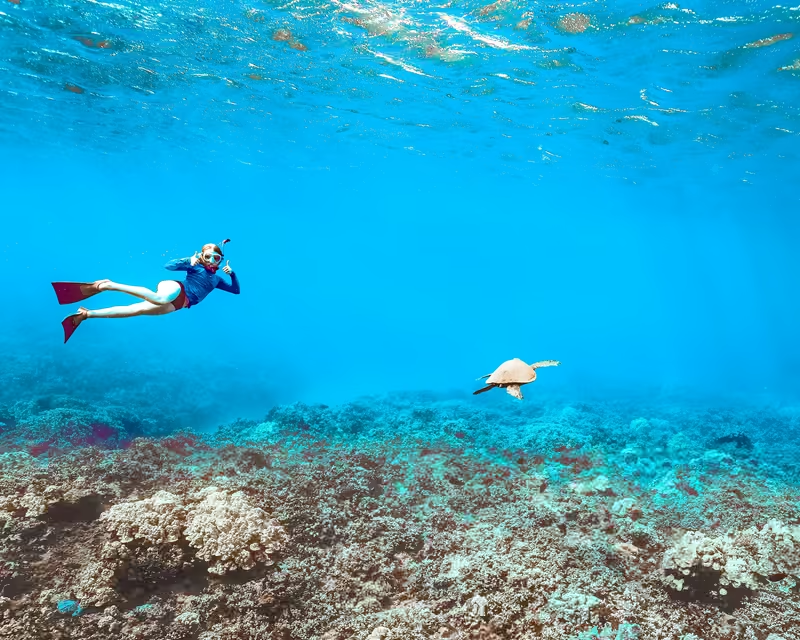
- Join our Molokini Crater Snorkeling Tour for a morning of reef exploring, with planned stops at Molokini and Turtle Town when conditions allow. The captain may choose different locations around the day’s ocean conditions.
- Pack smart so you’re not buying gear in a panic on a holiday week. → Maui Snorkeling Packing List: 25 Essentials
Afternoon Plan
- Head back for a little shade and downtime before your evening plans.
- Sunset beach walk or harbor stroll (low effort, high reward).
Itinerary 2: Windy Day Snorkel Plan
Best for: guests who meet that guidance and prefer a more protected plan, families, and anyone who wants flexibility during peak week.
Start by reading this (it’s short and super practical): → Where to Snorkel in Maui on a Windy Day: 5 Options and Safety Checks
Option A: Let The Captain Choose The Reef
- → Coral Gardens can offer shelter in some trade-wind conditions, but the captain still needs to assess the route and reef. Our Afternoon Snorkeling Tour may visit another location, and we can cancel trips if conditions aren't suitable.
- Pick the time that matches the conditions:
Option B: Shore Snorkeling When Local Conditions Allow
Compare the conditions at each beach rather than choosing by its name alone. The locations below are possibilities for calm windows, not guaranteed shelters from winter wind or swell.
Quick shore picks:
- Kapalua Bay: Consider only when the bay is calm and clear; winter swell can change conditions.
- Napili Bay: Check for shorebreak and surge rather than assuming its sheltered shape means calm water.
- Kahekili / Airport Beach: Assess swell, visibility, and entry conditions, not just the wind.
- Ulua or Wailea: South Maui possibilities when local surf, visibility, and water quality are suitable.
Full breakdown by area + skill level: → Best Places to Snorkel in Maui
Stay Comfortable On Breezy Days
- Wear a rash guard (warmth + sun protection).
- Bring a light windbreaker for after the water.
- Use defog so you’re not lifting your mask constantly.
Itinerary 3: Backup Day Plan
Best for: high surf, strong wind, brown water after rain, or just “we’re tired and want a mellow day.”
Vibe: no guilt, no stress, still memorable.
Backup Plan A: Enjoy Whale Season When Conditions Allow
New Year’s week falls during Maui’s whale season. When weather and access allow, bring binoculars to an established shore viewpoint and look for distant spouts or breaches while staying well away from breaking waves.
A whale-watching boat trip may also be an option if the operator confirms suitable boating conditions. It isn’t an automatic backup when strong winds or rough seas keep you out of the water.
Curious about whale songs? Listen to the humpback recording in NOAA’s ocean-sounds collection, or learn more in our Maui humpback whale songs guide.
Backup Plan B: Visit Maui Ocean Center
Maui Ocean Center keeps the ocean theme going without a boat ride. Spend about two to two-and-a-half hours exploring the aquarium, then enjoy lunch nearby. It’s a good option for families, couples, and anyone who’d still love to see marine life when snorkeling isn’t on the day’s agenda.
Check current admission and holiday hours before leaving. The aquarium has indoor and outdoor areas, so bring a light rain layer if showers are expected. Add a harbor stroll only if the weather allows.
Backup Plan C: Enjoy A Slow Maui Day
Choose a leisurely breakfast, browse local shops, or settle into a café near your accommodations. Keep it simple rather than replacing a canceled snorkel trip with another long outing. Check holiday opening hours before making a special drive.
Traveling with kids? Look through our Maui Snorkel Scavenger Hunt for Kids together and choose a few reef creatures to watch for when conditions improve.
Wrap Up: Your New Year’s Week Snorkel Plan
If you remember only three things this week:
- Reserve your preferred tour and confirm the holiday check-in details.
- Check the forecast and local conditions close to your outing.
- Keep a land-based backup you’ll enjoy.
Want a quick logistics refresher for tour days? → Maʻalaea Harbor Guide: Parking, Address & Check‑In
Happy New Year, and happy snorkeling 🤿🌺
Sources & Updates
A little planning makes holiday week more relaxed. Use these resources to check winter ocean conditions, snorkeling guidance, beach parking, whale viewing rules, and aquarium visitor information before choosing your day’s adventure.