Written by
Maui Snorkeling, operating tours to Molokini Crater, Turtle Town, and Coral Gardens from Māʻalaea Harbor since 1985. Tours are led by USCG-licensed captains aboard a
USCG-inspected passenger vessel.
Quick Answer
Maui whale season generally spans November through May,
with peak whale abundance from January through March. South and West
Maui offer shore-based viewing opportunities, and whales may also be
seen while traveling by boat. Maui Snorkeling operates snorkeling
tours, not dedicated whale-watching cruises, so whale sightings are
a possible seasonal bonus rather than a promised part of the itinerary.
Main takeaways:
-
Peak Planning Window: January through March 2027
falls within the usual peak season for a 2026-2027 Maui trip.
No month guarantees a particular sighting.
-
Season Window: Whales generally visit from
November through May, but arrival and departure timing varies
each year.
-
Shore Viewing: Consider Papawai Lookout and public
coastal areas around Kāʻanapali, Kīhei, and Wailea. Bring binoculars
and use designated access and parking.
-
Snorkel Bonus: You may see whales from the boat
or hear their songs underwater. Neither experience is guaranteed,
and hearing a song doesn’t mean a whale is nearby.
-
Respect The Whales: Federal rules prohibit
approaching humpback whales within 100 yards in Hawaiʻi, including
while swimming or paddling. Follow crew instructions if a whale
approaches unexpectedly.
Every winter, humpback whales return to the warm, protected waters between Maui, Lana'i, and Kaho'olawe to breed, give birth, and nurse their calves. If you're planning Maui whale season, you'll want to know when sightings peak, where to watch from shore, and how whale season can add something special to a snorkel trip.
Maui Snorkeling doesn't run a dedicated whale-watching tour, but whales are often seen on our trips to and from our snorkeling destinations. During peak season, you might even hear whale songs underwater while you're snorkeling.
When Is Whale Season in Maui?
Humpback whales generally visit Hawaiian waters from November through May, with peak abundance from January through March. February falls within that peak window, but no single month guarantees more breaches, whale songs, or mother-calf sightings. For 2026–2027 travel planning, January through March 2027 is a sensible starting point if whales are a priority.
Where to See Whales in Maui
South and West Maui offer coastal viewpoints where you may spot seasonal offshore whale activity. Clear sightlines and manageable wind can make viewing easier, but these coastlines aren’t always calm. Choose legal public access, bring binoculars, and allow time to watch rather than expecting an immediate sighting. Here are the top whale-watching locations on the island:
1. Maʻalaea
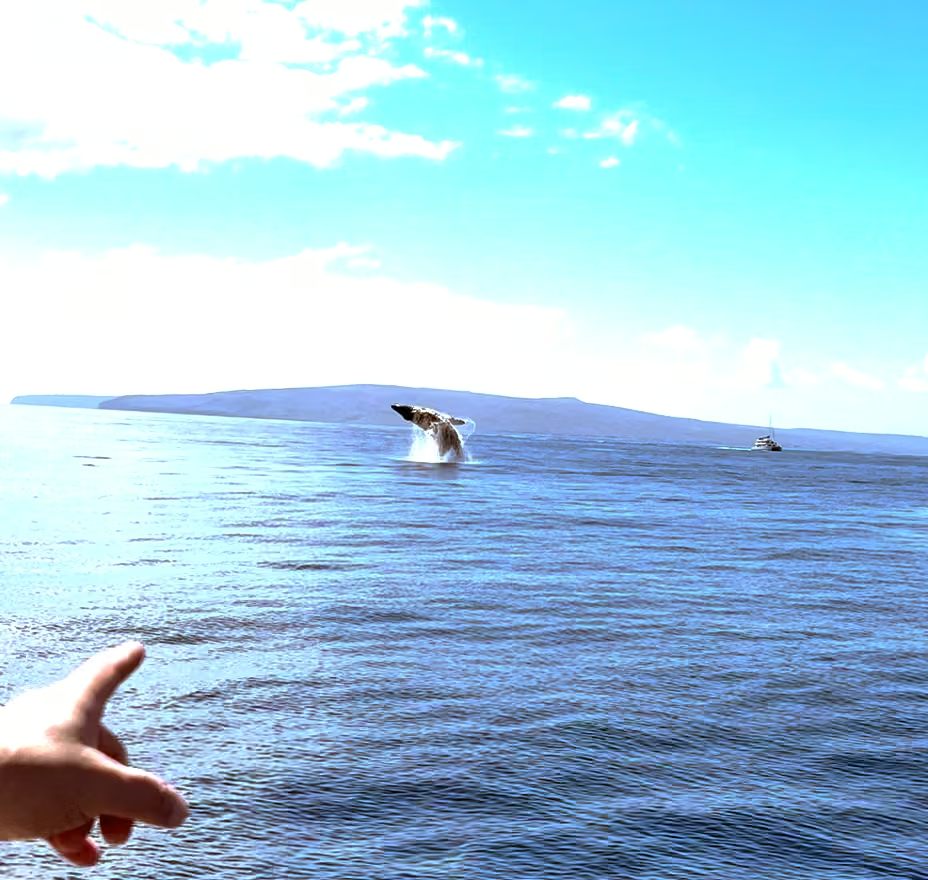
Maʻalaea is one of the best areas for whale watching in Maui, and it’s also home to Maui Snorkeling’s morning and afternoon tours. From the deck of the boat, you may spot humpbacks breaching, tail slapping, or traveling through nearby waters during peak season. Captains still follow federal wildlife-viewing rules, so they observe whales from a safe, respectful distance.
2. Kāʻanapali And West Maui
Public shoreline areas around Kāʻanapali offer views across the channel toward Lānaʻi. Look offshore for blows, backs, and surface splashes. Use designated public access, respect private property, and confirm the exact departure location if you’re booking a West Maui boat trip.
3. Kīhei and Wailea
If you prefer to keep your feet on solid ground, Kīhei’s sandy shoreline and Wailea’s bays can offer views of offshore whale activity when visibility and ocean conditions are favorable. Bring binoculars or a zoom lens; you might even see a full breach from the beach!
4. Papawai Point Scenic Lookout
This scenic overlook off Honoapiʻilani Highway, about three miles northwest of Māʻalaea Harbor, offers an elevated vantage point for watching seasonal whale activity offshore. Bring binoculars or a zoom lens for a better view.
5. Hawaiian Islands Humpback Whale National Marine Sanctuary Visitor Center
The sanctuary visitor center in Kīhei combines whale education with a coastal setting where seasonal sightings may be possible. It’s a useful stop for families and visitors who want to learn about the animals and look for them. Check the official visitor information before going.
Why Whales Come to Maui
Humpback whales migrate between productive feeding grounds in the North Pacific and warmer breeding areas around Hawaiʻi. Maui Nui’s relatively shallow waters are part of an important seasonal habitat where whales mate, give birth, and nurse their young.
During the feeding season, humpbacks build fat reserves that help sustain them through migration and the winter breeding period. Their visit to Maui is part of that life cycle, not a tropical vacation.
Calves stay close to their mothers as they nurse and develop. Watching that relationship from a respectful distance is one of the distinctive opportunities whale season can offer.
Whale Behaviors You May See
Breaching And Tail Slaps
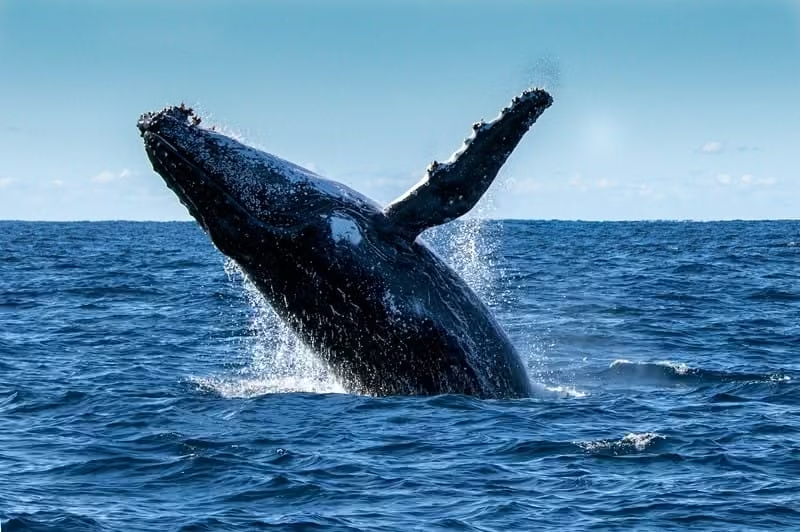
A breach happens when a whale lifts much of its body out of the water, then lands with a splash. Tail slaps are another conspicuous surface behavior, but neither is guaranteed during a viewing session.
Pectoral Fin Slaps
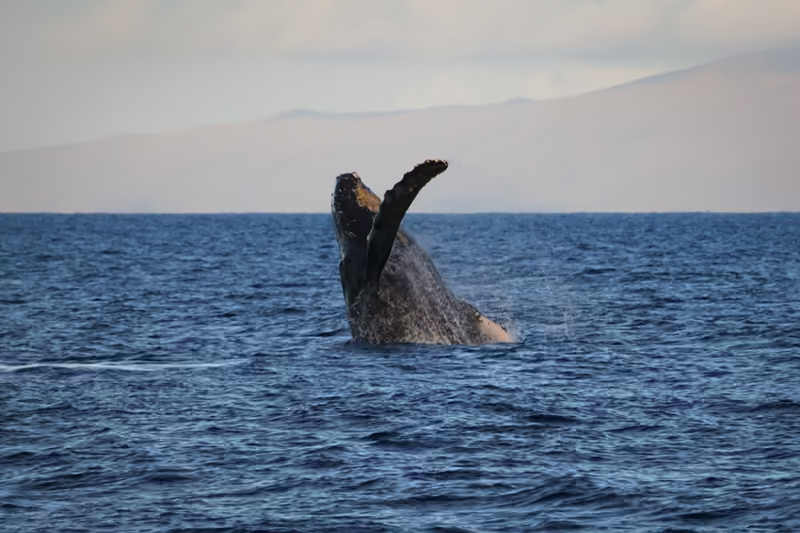
Humpbacks may raise or slap their long pectoral fins against the water. You can describe what you observe without assuming the whale is playing or performing for people.
Spyhopping
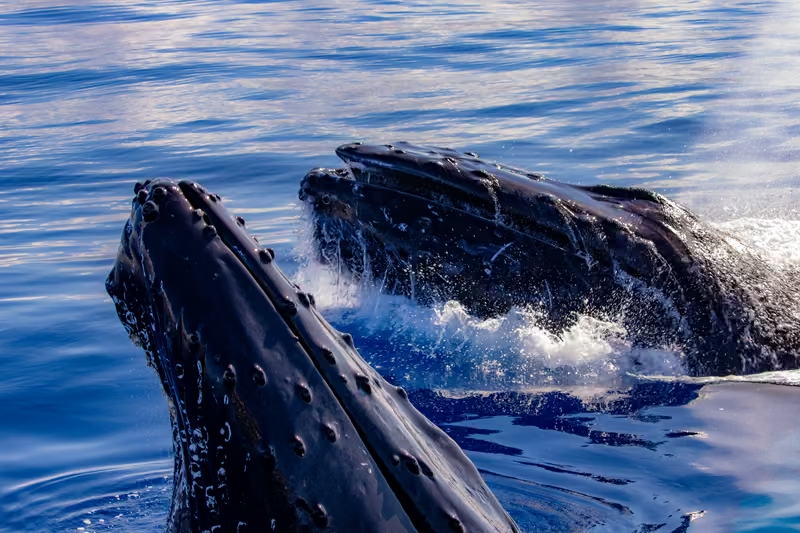
A whale may rise nearly vertically with its head above the surface. This behavior can give observers a brief view of its head before it slips beneath the water again.
Mothers And Calves
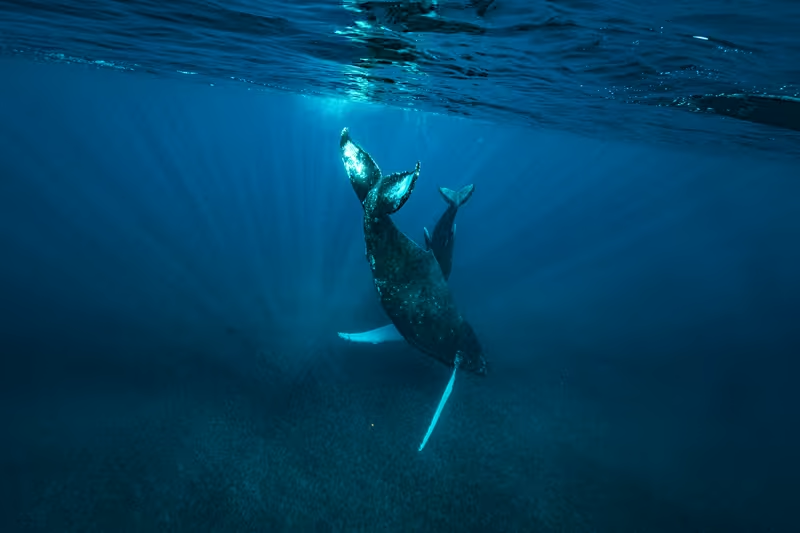
You may see a calf traveling or surfacing close to its mother. Give the pair plenty of space, and avoid interpreting every movement as a lesson or an invitation to approach.
Tips for Whale Watching in Maui
- Bring binoculars: Distant blows and backs can be easier to recognize through magnification.
- Watch patiently: Scan the water, then pause where you notice activity. A brief glance may miss a surfacing whale.
- Choose conditions, not just a departure time: Lighter wind can make viewing more comfortable, but a morning trip doesn’t guarantee more whales.
- Use legal viewing areas: Park in designated spaces and don’t stop along unsafe highway shoulders.
- Let whales keep their distance: Federal rules prohibit approaching humpback whales within 100 yards in Hawaiʻi, including by boat, kayak, paddleboard, or while swimming.
Can You Hear Whales While Snorkeling?
You may hear humpback whale songs underwater during Maui whale season. Male humpbacks produce complex songs associated with the breeding season, and those sounds can travel for miles.
Hearing a song doesn’t mean a whale is beside you, and it isn’t a reason to swim away from the snorkeling area to investigate. Stay with your buddy and follow crew instructions. Hearing whales is a possible addition to a reef snorkel, not a guaranteed experience.
Choosing A Snorkel Trip Or A Dedicated Whale Watch
If seeing whales is your main reason for going on the water, consider a dedicated whale-watching excursion. Its purpose differs from a snorkeling trip, although wildlife sightings still can’t be guaranteed.
Choose Maui Snorkeling when your priority is reef snorkeling, with the possibility of seeing whales during boat travel. Our morning tour plans for Molokini, followed by Turtle Town or another reef. The afternoon tour typically visits Coral Gardens or another nearby reef.
Our captain manages the route according to the snorkeling itinerary, ocean conditions, safety, and wildlife-viewing rules. The boat doesn’t chase or crowd whales.
Respecting the Whales and Ocean Environment
Koholā have an important place in Native Hawaiian culture, history, and relationships with the ocean. NOAA’s sanctuary resources describe whales as ʻaumākua, or spiritual protectors, for specific families. Respectful viewing means recognizing that these animals are more than a vacation attraction.
When participating in whale watching or snorkeling activities:
- Choose mineral sunscreen and follow Maui's sunscreen requirements
- Never feed or chase marine life.
- Support tour companies that follow responsible wildlife guidelines.
By showing respect, we help ensure future generations can continue to enjoy Maui's awe-inspiring whale migration.
Make Room For Maui Whale Season
Whether you’re watching from shore, joining a dedicated whale watch, or hoping for a sighting during a snorkel trip, leave room for patience and surprise. Plan around the seasonal window, choose an experience that matches your priorities, and let the whales determine the encounter.
Sources & Updates
Use these official resources to learn about whale season, migration,
songs, and cultural significance, and to check wildlife-viewing rules,
marine forecasts, and snorkeling safety before your trip.