Maui Humpback Whale Songs: How To Hear Them While Snorkeling
March 7th, 2025
| Marine Life
Written by Maui Snorkeling, operating tours to Molokini Crater, Turtle Town, and Coral Gardens from Māʻalaea Harbor since 1985. Tours are led by USCG-licensed captains aboard a USCG-inspected passenger vessel.
Last updated May 23, 2026
Quick answer
Maui humpback whale songs are long, powerful underwater sounds made mostly by male humpback whales during breeding season. Visitors may sometimes hear these songs while snorkeling in Maui during whale season, especially from January through March, but whale songs and whale sightings are never guaranteed.
Main takeaways:
Best time to listen: January through March, when humpback whale activity around Maui is usually highest
Where you may hear them: Underwater while snorkeling, swimming, or listening through a hydrophone on select whale watching tours
Who sings: Male humpback whales are known for producing the long, patterned songs heard during breeding season
What to expect: Low, echoing sounds that may include moans, tones, cries, and repeated patterns
Important reminder: Don’t swim toward whales or try to get closer if you hear them singing
Tour note: Maui Snorkeling tours aren’t dedicated whale watching tours, but winter guests may sometimes hear distant whale songs underwater
Aloha, ocean lovers!
If you’re planning a winter trip to Maui, you may experience more than sunshine, beaches, and clear blue water. You may also hear one of the ocean’s most unforgettable natural sounds: Maui humpback whale songs.
Each year, humpback whales travel to Hawaii’s warm waters to breed, give birth, and care for their calves. During whale season, especially from January through March, visitors may sometimes hear distant whale songs underwater while snorkeling in Maui. It’s not guaranteed, but when it happens, it’s a moment many guests never forget.
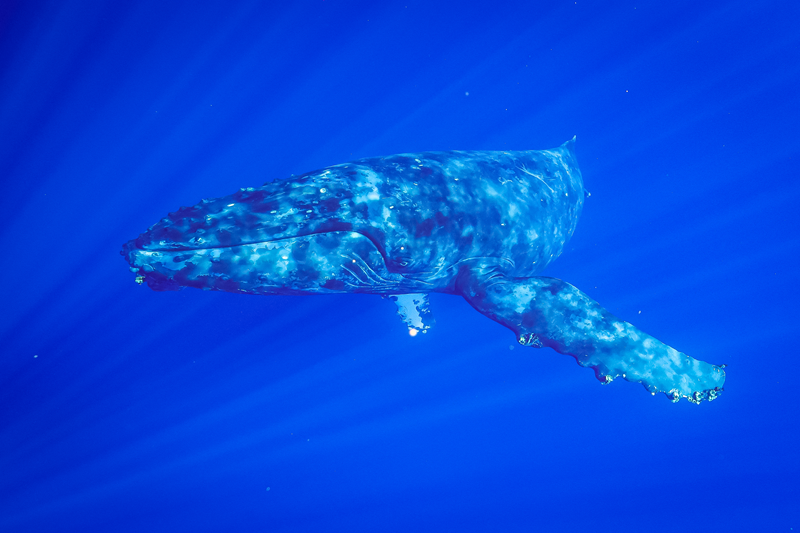
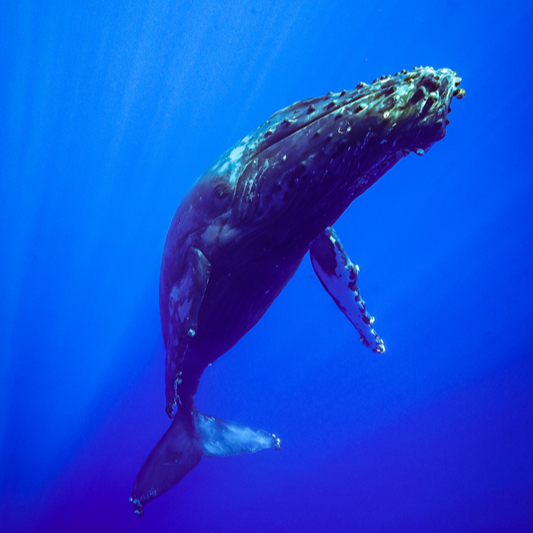
Picture yourself floating in the clear waters off Maui with tropical fish below and the island in the distance. Then, through the water, you hear a low, echoing sound. That’s the humpback whale song, a powerful series of calls, tones, and patterns that can travel for miles underwater.
Maui is one of the best places in Hawaii to learn about, listen to, and appreciate these incredible whale songs. While Maui Snorkeling doesn’t operate a dedicated whale watching tour, guests may sometimes see humpback whales from the boat or hear their songs underwater during whale season.
Maui Humpback Whale Songs At A Glance
Here’s a quick look at when, where, and how visitors may hear humpback whale songs in Maui during whale season.
Topic
Quick answer
Why it matters
Best time to hear whale songs
January through March is usually the best time to listen for Maui humpback whale songs.
This is peak whale season, when humpback whale activity around Maui is often highest.
Can you hear them while snorkeling?
Yes, you may hear distant humpback whale songs underwater while snorkeling, but it’s never guaranteed.
Calm water, quiet conditions, and active whales nearby can make the songs easier to hear.
Who sings?
Male humpback whales are known for producing the long, patterned songs heard during breeding season.
These songs are one of the most fascinating parts of Maui’s winter whale season.
What do the songs sound like?
Humpback whale songs can include low moans, cries, tones, and repeated patterns.
The sound may feel deep, distant, and echoing when heard underwater.
Best ways to listen
You may hear whale songs while snorkeling, swimming, or listening through a hydrophone on select whale watching tours.
Whale songs travel through water, so they’re usually heard underwater or with underwater listening equipment.
Important safety reminder
Don’t swim toward whales, chase them, or try to get closer if you hear them singing.
Humpback whales are protected marine mammals, and respectful distance helps keep whales and people safe.
Maui Snorkeling tour note
Maui Snorkeling tours aren’t dedicated whale watching tours, but winter guests may sometimes hear whale songs underwater.
It’s a special seasonal bonus when it happens naturally during a Maui snorkeling tour.
Whale songs and whale sightings are never guaranteed. Always listen respectfully, follow your captain and crew’s guidance, and give humpback whales plenty of space.
What Are Maui Humpback Whale Songs?
Humpback whale songs aren’t random whale noises. They’re long, complex vocal patterns made up of moans, groans, cries, and high-pitched sounds. These sounds are arranged into repeated phrases, almost like verses in a song.
A single humpback whale song can last up to 20 minutes, and a whale may repeat it again and again for hours. Scientists have studied these songs for decades, but there’s still a lot they’re learning about what each sound means.
Here are the main things to know about humpback whale songs in Maui:
Male humpback whales are the singers: Scientists believe male humpback whales are the main singers, especially in breeding areas like Hawaii.
Whale songs are common during breeding season: Maui is part of an important humpback whale breeding area, which makes winter one of the best times to listen for whale songs underwater.
The songs may help with mating: Researchers believe humpback whale songs may help males attract females, communicate with other males, or show strength during the breeding season.
The songs can spread between whales: Whales in the same region often sing similar songs, and those songs can change as the season goes on.
The songs change over time: Humpback whale songs aren’t exactly the same every year. They can evolve, shift, and develop new patterns, almost like a song that gets updated each season.
That’s part of what makes hearing the songs of humpback whales in Maui so special. You’re not just hearing noise underwater. You’re listening to a living, changing form of whale communication that connects Maui’s winter ocean to one of nature’s greatest migrations.
Why Maui Is One Of The Best Places To Hear Humpback Whale Songs
Maui is one of the best places in Hawaii to experience humpback whale songs because winter brings thousands of humpback whales to the warm waters around the Hawaiian Islands. Many whales gather in the waters between Maui, Molokai, Lanai, and Kahoolawe to breed, give birth, and care for their calves.
That means visitors have a better chance of seeing humpback whales from the boat during whale season and, with a little luck, hearing their songs underwater while snorkeling.
Warm, shallow water: Humpback whales migrate from colder feeding areas to Hawaii’s warm winter waters. Maui’s surrounding waters offer calmer, protected areas that are important for breeding and raising calves.
Peak whale season: Humpback whales are usually seen around Maui from November through April, with the highest activity often happening from January through March. This is also the best time to listen for distant whale songs underwater.
Great underwater sound travel: Sound moves very well through water, so whale songs can carry long distances. Even if whales are far away, snorkelers may sometimes hear low, echoing sounds while floating quietly in the ocean.
Maui’s clear snorkeling conditions: Maui is already known for snorkeling, coral reefs, tropical fish, and clear water. During whale season, the chance to hear humpback whale songs can make the experience even more memorable.
Hearing Maui humpback whale songs isn’t guaranteed, but it’s one of the most special surprises winter snorkelers can experience.
How To Hear Humpback Whale Songs In Maui
There are a few ways visitors can experience humpback whale songs in Maui. Some options involve getting in the water, while others are better for watching whales from a safe distance.
Listen While Snorkeling In Maui
One of the most memorable ways to hear humpback whale songs is while snorkeling. During whale season, snorkelers may sometimes hear deep, distant sounds underwater while floating over reefs and watching tropical fish.
It doesn’t happen on every trip, and Maui Snorkeling never guarantees whale songs or whale sightings. Still, when the ocean is calm, and whales are active nearby, guests may hear low calls, long tones, or echoing patterns beneath the surface.
Our Molokini Crater Snorkeling Tour and Afternoon Snorkeling Tour are snorkeling tours, not dedicated whale watching tours. However, winter guests may sometimes see humpback whales from the boat or hear whale songs underwater during the right conditions.
Take A Whale Watching Tour With A Hydrophone
A dedicated whale watching tour is another great way to learn about humpback whales in Maui. Some whale-watching boats use hydrophones, underwater microphones that let passengers listen to whale songs from the boat.
This can be a good option if hearing whale songs is your main goal. Hydrophones help bring the underwater sounds to the surface, so you don’t have to be snorkeling to listen.
Watch From Shore During Peak Whale Season
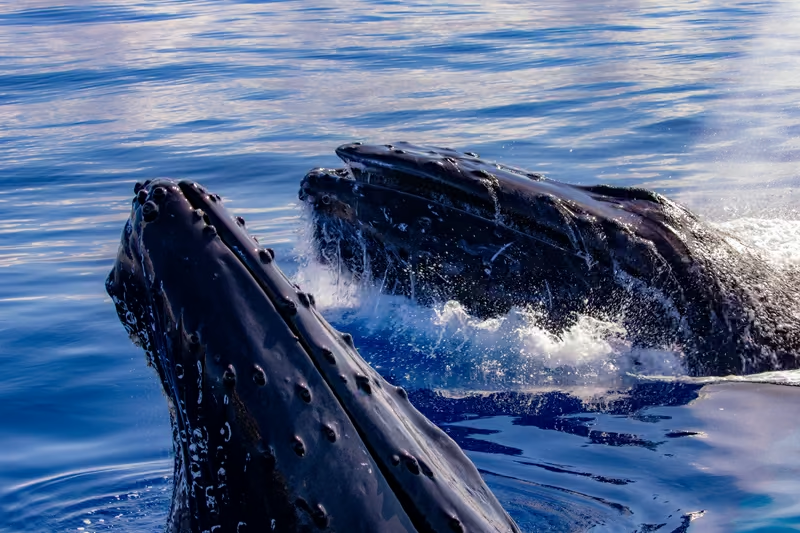
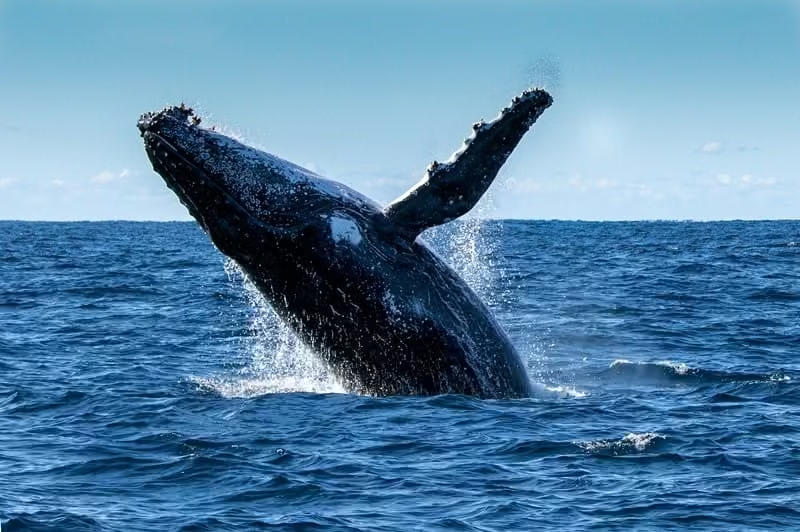
You can often spot humpback whales from shore during peak whale season, especially from scenic lookout points and beaches with wide ocean views. You may see spouts, tail slaps, pectoral fin slaps, or even a breach in the distance.
However, you usually won’t hear true humpback whale songs from dry land without special equipment. Whale songs travel through water, so they’re most often heard underwater or through a hydrophone.
Use Safe And Respectful Listening Practices
If you’re using an underwater listening device or snorkeling during whale season, always put safety and marine life first. Don’t swim toward whales, don’t chase them, and don’t try to get closer if you hear whale songs nearby.
The best way to experience Maui’s whale songs is to stay calm, float quietly, and let the ocean surprise you. If the whales are singing nearby, you’ll hear one of the most unforgettable sounds in Hawaii.
Maui Humpback Whale Conservation
The beauty of Maui humpback whale songs is even more meaningful when you understand the conservation story behind them. Humpback whales were once heavily hunted through commercial whaling, and their populations dropped sharply. Today, they’re protected by important conservation laws, responsible viewing rules, and ongoing whale research.
Maui plays a special role in humpback whale conservation because the waters around Maui County are one of Hawaii’s most important winter breeding and calving areas. Each year, North Pacific humpback whales migrate from Alaska to Hawaii’s warm waters to mate, give birth, and care for their calves.
During whale season, visitors may see humpback whales from shore, from boats, or sometimes hear their songs underwater while snorkeling. These moments are exciting, but they also come with responsibility. Whales are protected marine mammals, and people should never chase, crowd, touch, feed, or swim toward them.
Even though humpback whales have made an inspiring comeback, they still face threats. Ocean pollution, vessel strikes, fishing gear entanglement, climate change, and underwater noise can all affect whale health and behavior. The best way to enjoy Maui’s whales is to watch and listen respectfully while giving them plenty of space.
How To Help Protect Humpback Whales In Maui
You don’t have to be a scientist to help protect humpback whales. Small choices during your Maui vacation can support healthier oceans and safer whale encounters.
Choose responsible ocean tours: Book with companies that follow marine wildlife viewing rules and put ocean safety first. Maui Snorkeling is committed to respectful ocean practices and responsible marine life viewing.
Keep a safe distance: Don’t swim toward humpback whales, and don’t try to get closer if you hear whale songs underwater. Stay calm, keep your distance, and let the whales move naturally.
Reduce plastic waste: Bring a reusable water bottle, use reusable bags, and dispose of trash properly. Plastic pollution can harm whales, sea turtles, fish, birds, and coral reef ecosystems.
Respect the reef: Don’t stand on coral, don’t touch marine life, and don’t feed fish. A healthy reef supports the larger ocean ecosystem that whales depend on.
Choose reef-safe sunscreen: Use mineral-based sunscreen and sun-protective clothing when possible. This helps reduce chemical pollution in Maui’s nearshore waters.
Limit unnecessary ocean noise: Loud or sudden sounds can disturb marine life. If you’re boating, snorkeling, or swimming, keep the ocean experience calm and respectful.
Share what you learn: If you hear humpback whale songs in Maui or see whales during your trip, use that experience to help others understand why whale conservation matters.
Maui Snorkeling Tours During Whale Season
Maui Snorkeling doesn’t operate dedicated whale watching tours, and whale sightings or whale songs are never guaranteed. However, during whale season, guests may sometimes see humpback whales from the boat or hear distant whale songs underwater while snorkeling.
Our Molokini Crater Snorkeling Tour runs daily from 7:00 AM to 12:00 PM and visits two snorkel sites, usually Molokini Crater and Turtle Town. Guests can snorkel and slide at two beautiful Maui snorkel spots while enjoying breakfast, lunch, and snorkeling gear.
Our Afternoon Snorkeling Tour runs daily from 1:00 PM to 4:00 PM and usually visits Coral Gardens. This all-inclusive afternoon trip includes lunch and snorkeling gear, and it’s a great option for guests who want a shorter Maui snorkeling experience.
If you’re visiting Maui from January through March, you’ll be here during peak whale activity. While you should never expect or chase a whale encounter, winter snorkeling can come with a special bonus: the chance to hear the unforgettable sound of humpback whale songs in Maui.
Ready to Explore Maui’s Underwater World?
Experience Maui’s ocean environment aboard the Lani Kai II. We’ll provide snorkel gear, food, and friendly crew support, so you can focus on the adventure!
Tours depart from Maʻalaea Harbor. Routes, snorkel sites, and marine life sightings vary with ocean conditions.
FAQs
Yes, you may hear humpback whale songs while snorkeling in Maui during whale season. It’s most common from January through March, but it’s never guaranteed. When conditions are calm and whales are active nearby, snorkelers may hear low, echoing sounds underwater.
The best time to hear Maui humpback whale songs is during peak whale season, which is usually January through March. Humpback whales are often seen around Maui from November through April, but midwinter is when whale activity is typically highest.
Scientists believe male humpback whales sing mostly during breeding season. The songs may help them communicate, attract females, or interact with other males. These songs can be long, complex, and repeated for hours underwater.
Male humpback whales are the main singers. Female whales and calves can make sounds too, but the long, patterned songs people often talk about are usually linked to male humpbacks during breeding season.
No. If you hear whale songs underwater, don’t swim toward the whales or try to get closer. Humpback whales are protected marine mammals, and the best way to enjoy them is to stay calm, keep your distance, and let the whales move naturally.
No, whale songs aren’t guaranteed on any Maui snorkeling tour. Maui Snorkeling doesn’t operate dedicated whale watching tours, but during whale season, guests may sometimes see humpback whales from the boat or hear distant whale songs underwater while snorkeling.
Experience Humpback Whale Songs In Maui
A Maui vacation during whale season gives you the chance to experience something truly special. You may see humpback whales from the boat, spot a distant breach from shore, or hear the low, echoing sound of Maui humpback whale songs while snorkeling underwater.
Whale songs and whale sightings are never guaranteed, but that’s part of what makes them so memorable. When it happens naturally, it feels like Maui is sharing one of its most powerful ocean moments with you.
As you enjoy the water, remember to listen respectfully. Don’t swim toward whales, don’t chase marine life, and always give these protected animals the space they need. The best whale encounters happen when people stay calm, safe, and respectful.
Want to learn more before your trip? Read our guide to whale watching in Maui for tips on when to visit, where to look, and how to enjoy whale season responsibly. 🐳
Sources & updates
For current whale song research, safe wildlife viewing rules, snorkeling safety, and ocean conditions, use the official resources below before your Maui ocean day.