Written by
Maui Snorkeling, operating tours to Molokini Crater, Turtle Town, and Coral Gardens from Māʻalaea Harbor since 1985. Tours are led by USCG-licensed captains aboard a
USCG-inspected passenger vessel.
Quick Answer
The best time to snorkel Molokini is usually early morning, when winds are often lighter and the water is calmer. Visibility can be excellent, but actual conditions depend on wind, swell, currents, and recent weather. Captains may change the route or choose a backup snorkeling site when conditions at Molokini are not suitable.
Main takeaways:
- Wind: Morning trips are usually preferable because Maui’s trade winds often strengthen later in the day, creating choppier surface conditions
- Swell and visibility: Clear water is common inside the crater, but swell, wind, currents, and recent weather can reduce visibility or make snorkeling less comfortable
- Depth: Much of the snorkeling takes place over water commonly around 20 to 30 feet deep, with deeper areas nearby and no opportunity to stand on the bottom
- Water comfort: Prior snorkeling experience is not required. Guests should feel comfortable floating face-down in deep water. Follow crew instructions and ask about flotation options.
- Route changes: The captain makes the final destination decision based on real-time ocean conditions and may substitute another snorkeling site when Molokini is unsafe or unlikely to provide a good experience
Molokini Orientation For Snorkelers
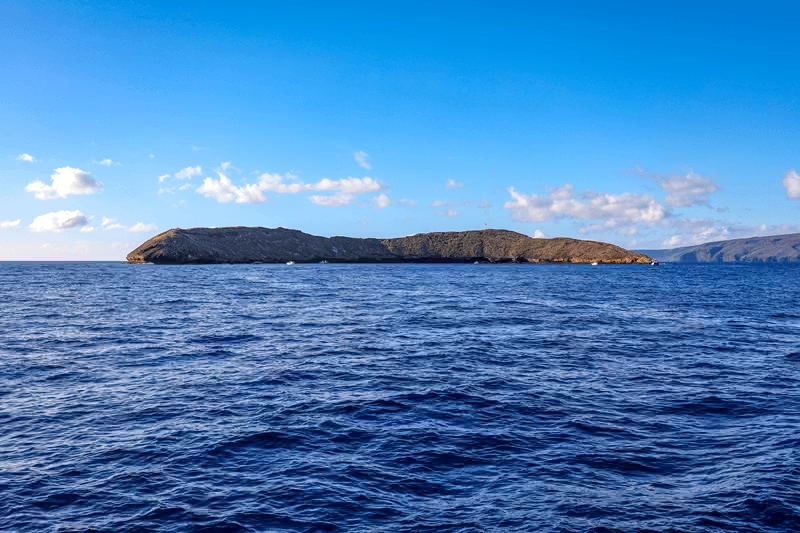
Molokini sits offshore of South Maui and is reached by boat, most commonly from Maʻalaea Harbor. Because it’s offshore, Molokini can sometimes offer clearer conditions when some shoreline spots are affected by recent rain, runoff, or swell.
Want the crater “place facts” (geology, seabirds, protected status, mooring rules, and the full visitor rules)? Read our Molokini location, access and rules.
This page focuses on planning a Molokini snorkeling trip: best time, conditions, depth, comfort, and what to bring.
Why It’s Special
- Sheltered inner crescent: The crater’s shape can create a calmer inside area when conditions cooperate.
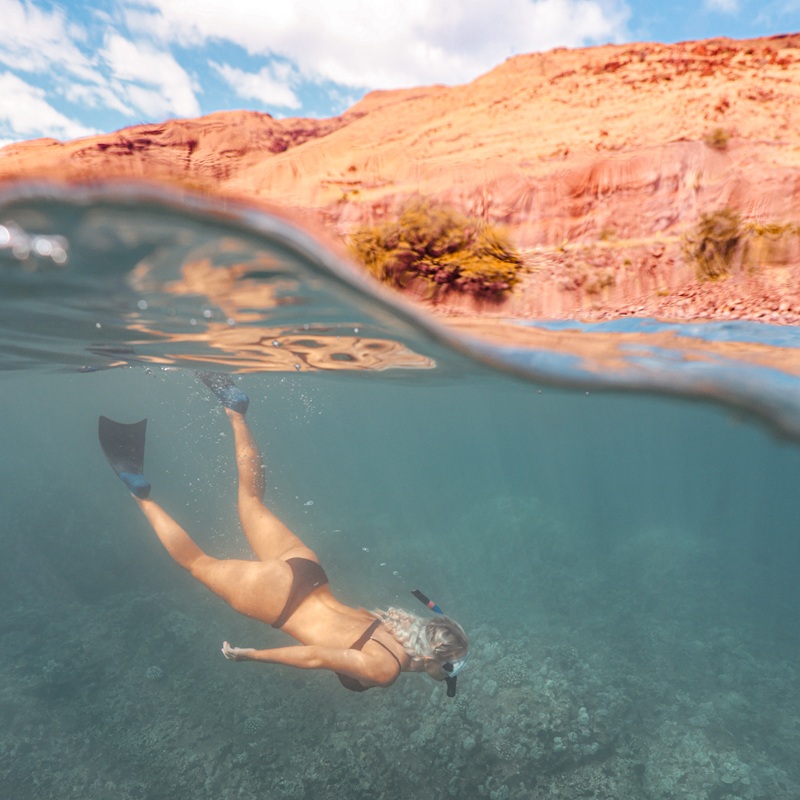
- Visibility potential: On calm mornings, Molokini can look incredibly clear from the surface.
- Captain positioning: The crater’s shape allows captains to choose the most protected mooring for the conditions that day.
- The experience: For many visitors, Molokini is as much about the “Maui morning on the water” as it is the snorkeling.
Is Molokini Snorkeling Right for Your Group?
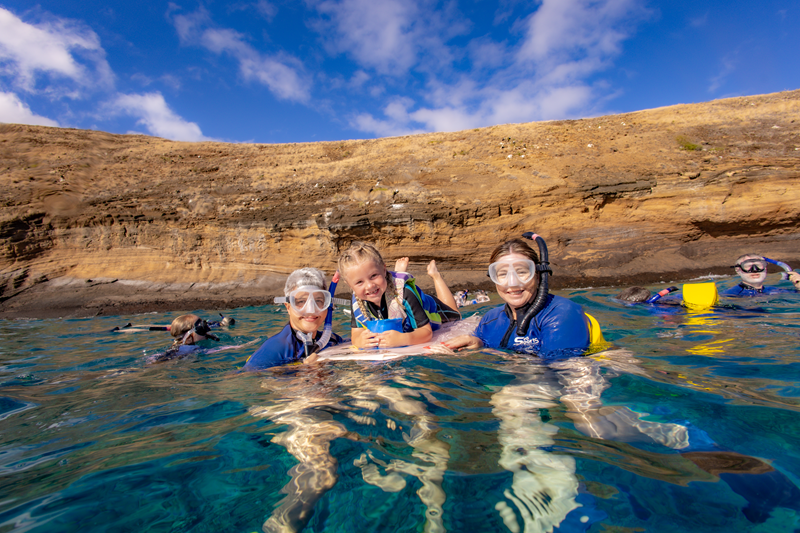
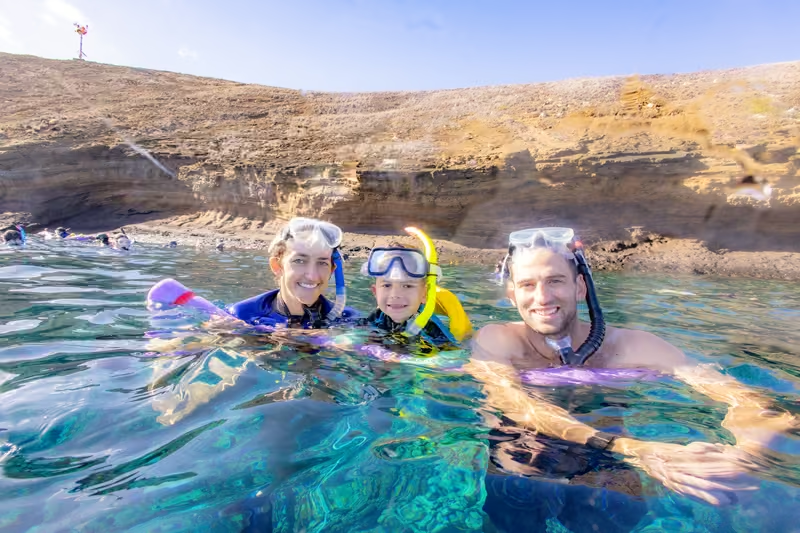
On our tours, consider how you feel about the water entry and snorkeling position described above. Most Molokini snorkeling takes place from a boat over water commonly around 20 to 30 feet deep, so there is no beach entry or shallow bottom to stand on. Prior snorkeling experience isn’t required. Follow crew instructions and ask about any comfort concerns before booking.
Molokini may be a good fit if:
- Everyone planning to snorkel is at ease with the deep-water snorkeling described above
- Participants can enter from a boat, follow crew instructions, and climb back aboard using a ladder
- First-time snorkelers are confident swimmers and comfortable trying the activity in deep water
- Children can stay calm in the ocean, follow directions, and meet the tour operator’s age requirements
- Your group understands that wind, swell, and visibility can affect the experience
Another snorkeling option may be better if:
- Someone is uncomfortable floating face-down in deep water or is only comfortable where they can stand
- A participant becomes anxious in deep water, even while wearing flotation
- Someone may have difficulty entering the water or using the boat ladder
- Your group needs a short boat ride, beach access, or guaranteed calm conditions
- Visiting Molokini is essential to your plans, since captains may change the route when conditions are unsuitable
Flotation can provide extra support, but it doesn’t replace comfort in deep water. For groups with different ages or comfort levels, plan around the least confident participant and confirm the operator’s age, mobility, and participation requirements before booking.
How Deep Is the Water at Molokini?
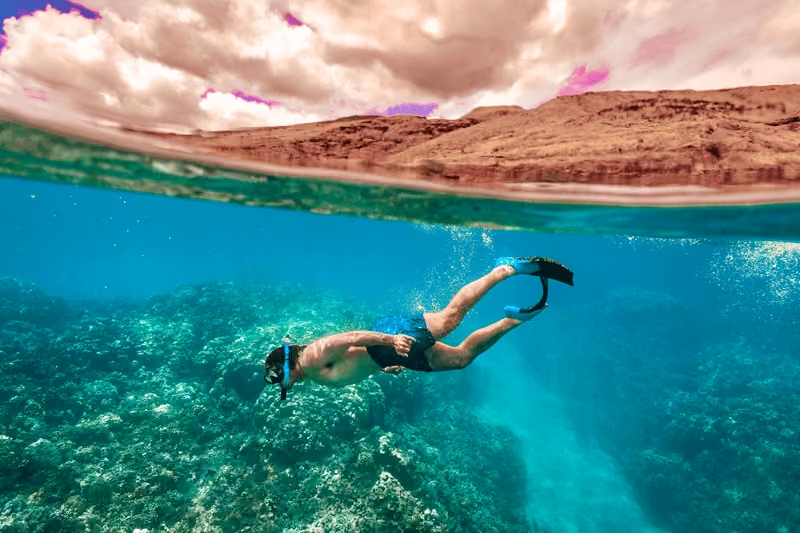
Most snorkeling inside Molokini takes place at the surface, commonly around 20 to 30 feet deep, although the exact depth varies by mooring and some areas are deeper. Because Molokini is reached by boat, there is no gradual beach entry or shallow area where snorkelers can stand.
On days with excellent visibility, the reef and sandy areas below can appear closer than they are. Molokini is still a deep-water experience. Take time to get settled at the surface before exploring. Follow crew instructions and use flotation as directed.
Molokini Back Wall
Molokini’s outer edge, commonly called the back wall, drops steeply into much deeper water. It is primarily for advanced scuba diving and isn't a standard beginner snorkeling area.
Most recreational snorkeling takes place inside the crater’s crescent at a mooring selected for the day’s conditions. Even when the water looks clear, current, swell, and surface movement can change, so snorkelers should stay near the boat and follow the crew’s directions.
Best Time To Snorkel Molokini
For most visitors, the best time to snorkel Molokini is in the morning. Early departures often have lighter wind, a smoother surface, and better overall snorkel comfort. Later in the day, Maui’s trade winds often build, creating surface chop and making snorkeling feel more tiring, especially for beginners.
When wind or swell increases, boats may choose the most protected (leeward) part of the crater or pivot to a more sheltered reef area if conditions aren’t ideal.
Morning Vs Afternoon At Molokini
Most days, morning offers the highest odds of a relaxed Molokini snorkel: less chop, easier breathing through a snorkel, and a smoother ride.
Afternoons can still be beautiful, but the experience is often more active, more surface texture, more glare, and a bouncier feel on the water. Conditions vary day‑to‑day, so the marine forecast matters more than the clock, but if you want the best odds, go early.
👉 Learn more in our detailed guide: Morning vs Afternoon Snorkeling.
Trade Winds And How Captains Choose Protected Areas
“Trade winds” are the prevailing winds you’ll hear about most on Maui (often from the northeast). When trades are light, Molokini can feel glassy. When they build, you’ll often notice more chop on the ride and more surface movement in the water.
Molokini’s crescent shape matters: the inside can provide shelter depending on wind and swell direction. On windier days, captains typically aim for the most protected mooring available at that time, and may reposition if the wind angle shifts or swell wraps in.
Molokini Snorkeling By Season
Summer Conditions At Molokini
Summer is often the easiest season for Molokini snorkeling because conditions are more consistently calm than in winter. Many summer mornings are smoother on the ride out and more comfortable inside the crater.
That said, “summer” doesn’t guarantee a flat ocean. Trades can still build later in the day, and even small increases in wind can add chop, so the comfort strategy stays the same: go early, choose the calmest forecast window, and expect the smoothest conditions before midday winds.
Winter Conditions And Whale Season Near Molokini
Winter snorkeling at Molokini can be excellent, but conditions are generally more variable. Winter can bring more frequent swell events and rougher channel crossings, which may make the ride bumpier and the snorkel feel less “easy” than a calm summer morning.
The big winter bonus is the humpback whale season. Whale sightings are never guaranteed, but winter increases your odds of seeing whales from the boat on the way to or from offshore snorkel sites.
For a broader month-by-month overview of Maui snorkeling conditions, see our Best Time to Snorkel Maui guide.
Molokini Snorkeling Conditions: Wind, Swell, And Water Clarity
Molokini conditions are shaped by a mix of wind, swell direction, and recent rainfall (which can affect nearshore water clarity). Even on sunny days, stronger winds can create surface chop that reduces snorkel comfort and makes visibility feel “less clear” due to wave action. This is why two days in a row can look totally different on the water.
A good rule of thumb: if you want the calmest experience, prioritize an early-morning window and choose days with lighter winds in the marine forecast.
How Wind And Swell Affect Surface Chop And Visibility
Two different forces shape your Molokini experience:
- Wind creates short‑period waves (“wind chop”) that make the surface feel busy and bouncy.
- Swell is longer‑period wave energy generated far away; it can create a slower, rolling motion, even on otherwise sunny days.
When wind and swell come from different directions, you can get cross‑chop, which feels more tiring to snorkel through and can make the ride bumpier. Underwater, swell can also create a surge (a gentle back‑and‑forth movement), which can be tiring for beginners and may stir up sand in some areas.
Also: visibility isn’t only “how clear the water is.” A choppy surface adds glare and distortion, making the water look less clear from above. Calm mornings often look dramatically clearer, even when the water itself hasn’t changed much.
Marine Forecast Tips For Planning A Molokini Snorkel Day
If you want to plan Molokini snorkeling well, use the marine forecast, not just a general weather app. The marine forecast helps you understand what the ocean will feel like on the surface and on the ride to offshore sites.
- Wind Speed + Direction: Biggest comfort factor for most snorkelers
- Seas/Wave Height: Combined wind waves + swell
- Swell Height + Period: Period matters
- Swell Direction: Controls whether energy wraps into protected areas
- Advisories: Like Small Craft Advisories = higher chance of a "sporty" ocean day
What Our Captains Evaluate On The Water
Marine forecasts help our USCG-licensed captains prepare a primary route and backup options. The final decision also depends on what the crew observes after leaving Māʻalaea Harbor and approaching the planned snorkel site.
Clear Water Does Not Always Mean Easy Water
Clear water can still have current, surface movement, or boat motion that makes snorkeling and returning to the vessel more difficult. Our captains consider swimming comfort and water movement alongside visibility.
The Crossing Adds Information A Forecast Cannot Provide
During the crossing, our captains compare the forecast with the actual wind angle, swell, surface conditions, visibility, and how the vessel is moving. Conditions at Molokini can differ from what guests see at the harbor or on a general weather app.
Entry And Reboarding Can Change The Plan
A reef may look beautiful but still be unsuitable if guests cannot enter and reboard comfortably. When another location offers more manageable water, safer access, and more useful snorkeling time, the captain may choose that reef instead of forcing the planned destination.
Visibility and Marine Life at Molokini
Molokini can offer clear views of the reef and fish below, but visibility isn’t fixed. Wind and surface chop can add glare and distortion, while swell and current can make it harder to stay comfortably positioned. Wildlife sightings aren’t guaranteed. For species, habitats, and realistic sighting expectations, read our Molokini Marine Life Guide.
Molokini Rules and Responsible Snorkeling
Molokini is a protected marine area. Don’t touch or stand on coral, collect anything, feed or chase wildlife, or block an animal’s path. Give marine life plenty of space, stay near the boat, and follow crew instructions. For protected-area rules, landing and mooring restrictions, and wildlife-viewing distances, read our Molokini Crater Visitor Guide.
What to Bring and Your Day-Before Conditions Checklist
What to Bring
- Swimwear: Wear it under your clothes so you’re ready when it’s time to enter the water
- Towel and dry layer: Bring something warm and dry for the return ride
- Sun protection: Pack a hat, sunglasses, a rashguard or other UPF clothing, and mineral sunscreen
- Water: Bring a reusable water bottle if your operator allows it
- Motion relief: If you’re prone to seasickness, use your preferred remedy as directed before departure, eat lightly, and tell the crew early if you start feeling unwell
- Snorkeling equipment: Masks, snorkels, fins, and flotation are commonly provided, but inclusions vary, so confirm what your operator supplies
Your Day-Before Conditions Checklist
- Check the National Weather Service marine forecasts for Maui County Leeward Waters and Maʻalaea Bay the day before your trip and again that morning
- Review the full marine forecast: Look at wind speed and direction, seas, swell height, swell period, swell direction, and active advisories
- Don’t rely only on a general weather app: A sunny forecast doesn’t guarantee calm water or a smooth channel crossing
- Expect the route to remain flexible: Forecasts help with planning, but the captain will use actual conditions to choose the safest and most suitable snorkeling location
- Confirm water comfort: Review the deep-water guidance with everyone who plans to snorkel. Discuss concerns with the crew before booking.
- Be prepared for a backup site: Wind, swell, current, visibility, or boarding conditions may make another reef a better choice than Molokini
Backup Plan When Conditions Change
Alternate Snorkel Sites
Molokini conditions can change with wind and swell. Currents can be a problem outside the sheltered cove and may strengthen later in the day when winds pick up.
If Molokini isn’t favorable, operators often choose a more protected leeward reef as an alternative, so the snorkeling stays safer and more comfortable.
Learn Why A Maui Snorkel Route May Change when wind, swell, current, visibility, traffic, or boarding conditions make another reef the better choice.
Molokini offers its best snorkeling when lighter winds, manageable swell, and clear water come together, but forecasts and seasonal patterns can’t guarantee the day’s route. Choose a morning trip, review the water-comfort guidance with everyone planning to snorkel, and stay flexible if the captain selects a more protected reef. A route change can offer calmer water, easier entry, and better visibility.
Ready to review the schedule, inclusions, and current availability? View our Molokini Crater Snorkeling Tour! Happy Snorkeling! 🤿
Related Guides