Birds Of Maui, Hawaii: 21 Native, Endemic, And Common Species
October 6th, 2026
| Maui Information
Written by Maui Snorkeling, operating tours to Molokini Crater, Turtle Town, and Coral Gardens from Māʻalaea Harbor since 1985. Tours are led by USCG-licensed captains aboard a USCG-inspected passenger vessel.
Last updated October 6, 2026
Quick Answer
The birds of Maui, Hawaii include Hawaiian endemics, native seabirds and waterbirds, seasonal migrants, and introduced species common around parks and neighborhoods. Start Maui birding at Keālia Pond National Wildlife Refuge for wetland birds, Hosmer Grove in Haleakalā National Park for native forest birds, and open-ocean viewpoints or boat routes for seabirds. Visitors may recognize nēnē, ʻapapane, ʻiʻiwi, aeʻo, kōlea, common mynas, cardinals, and zebra doves. Kiwikiu and ʻākohekohe are extremely rare birds of protected high-elevation forest, not guaranteed sightings.
Main takeaways:
Best First Stop: Keālia Pond is one of Maui’s most accessible places to look for native waterbirds and seasonal migrants.
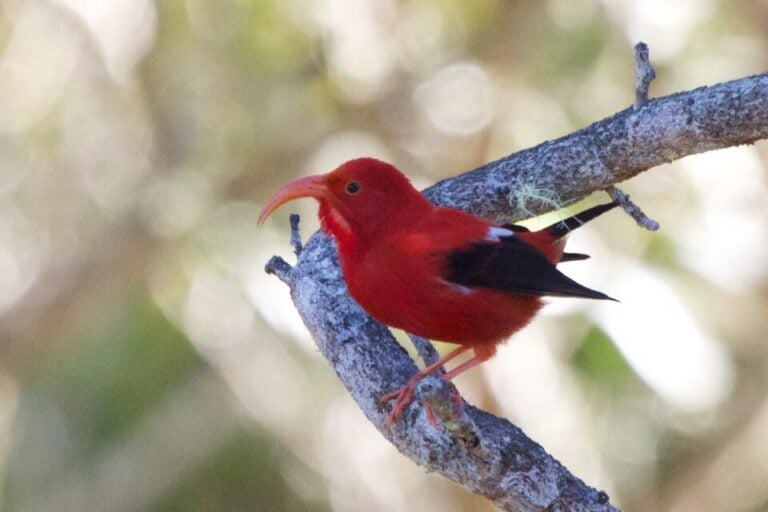
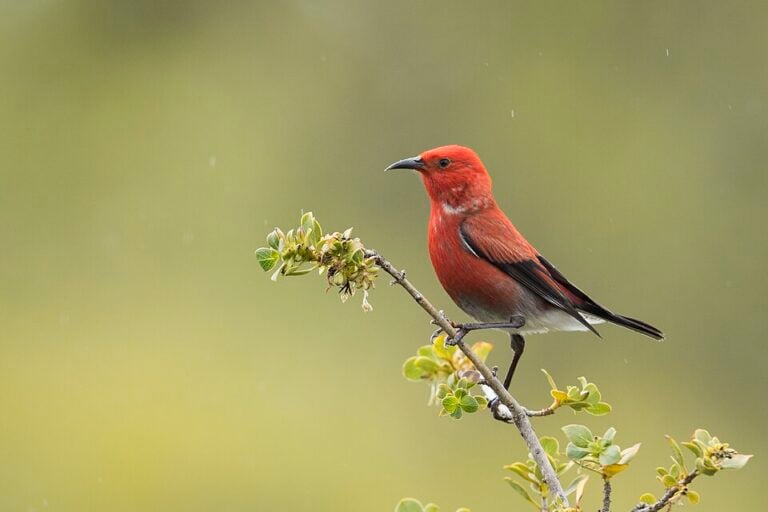
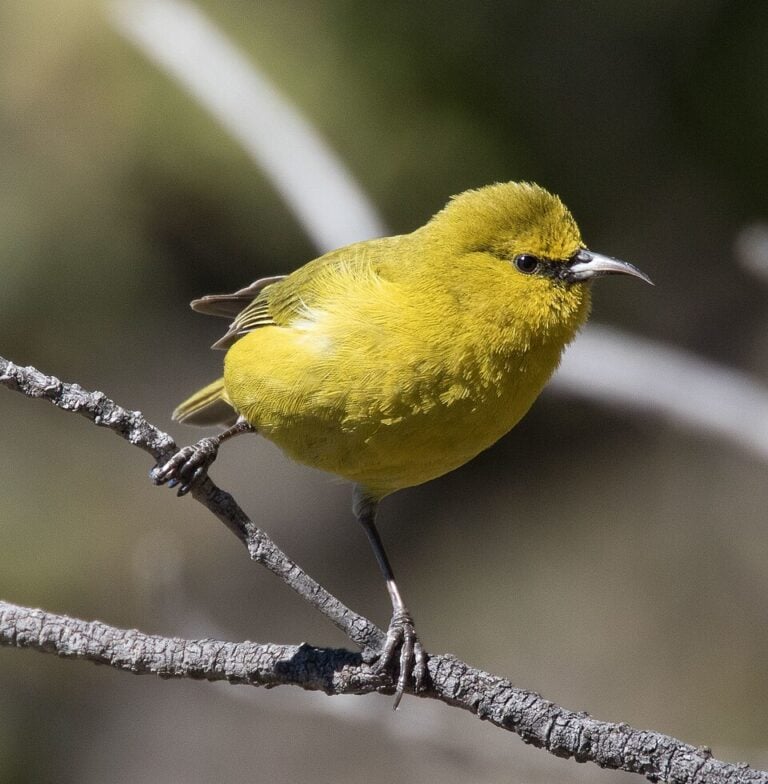
Best Forest Birding: Hosmer Grove offers a public trail where you may see ʻapapane, ʻiʻiwi, and ʻamakihi.
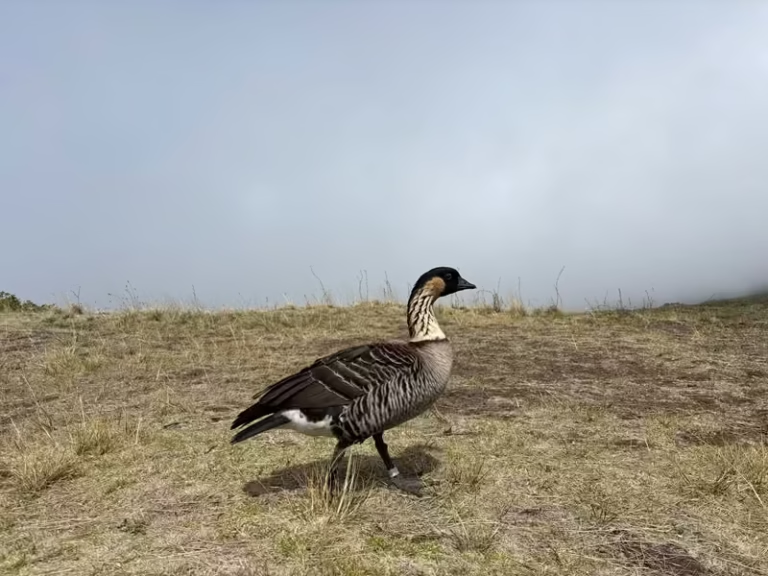
Hawaiʻi State Bird: The nēnē, or Hawaiian goose, can be seen in parts of Haleakalā National Park.
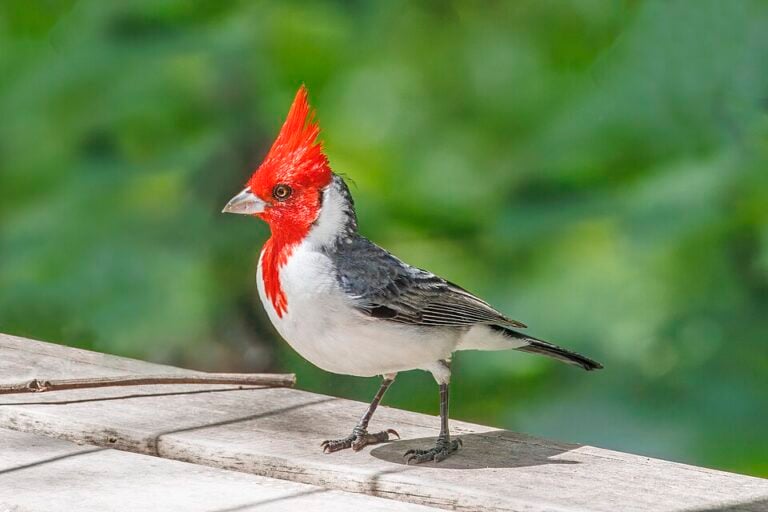
Common Red And White Bird: The introduced red-crested cardinal has a red head, gray back, and white underside.
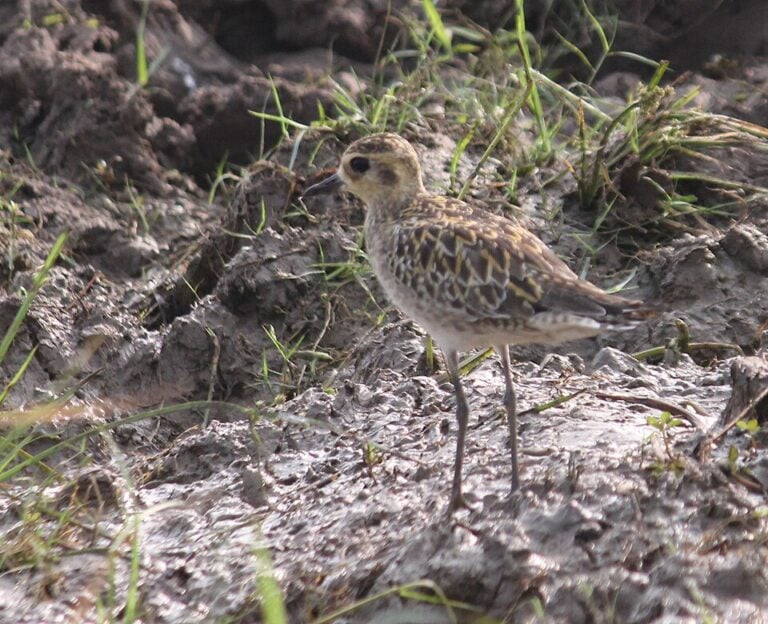
Seasonal Visitors: Kōlea and ʻakekeke commonly spend fall through spring in Hawaiʻi.
Ocean Viewing: Watch for ʻiwa, boobies, petrels, and shearwaters from shore or a boat, but sightings are never guaranteed.
Best Rule: Use binoculars, stay on public trails, never feed birds, and give nests and wildlife plenty of space.
Maui isn't one single bird habitat. Near sea level, long-legged waterbirds feed in ponds. On Haleakalā's slopes, honeycreepers move through upland forest. Offshore, the birds are strong fliers built for life over the Pacific.
That range can make identification confusing. A red bird beside a resort may be an introduced cardinal, while a red bird in high-elevation forest may be an endemic ʻapapane or ʻiʻiwi. Common on Maui doesn't always mean native to Hawaiʻi.
This guide introduces 21 native, endemic, migratory, and introduced Maui birds, along with practical identification clues and realistic places to look. For a broader look at animals around the island, see our Maui wildlife guide.
What Kinds Of Birds Live On Maui?
Before trying to identify Hawaiian birds on Maui, it helps to understand five terms:
Native: Occurs naturally without human introduction
Endemic: Native and naturally restricted to a particular geographic area. Kiwikiu and ʻākohekohe, for example, are found only on Maui.
Indigenous: Native here and also naturally found elsewhere. The wedge-tailed shearwater is one example.
Migratory: A seasonal visitor that travels between Hawaiʻi and another region. Kōlea and ʻakekeke are examples.
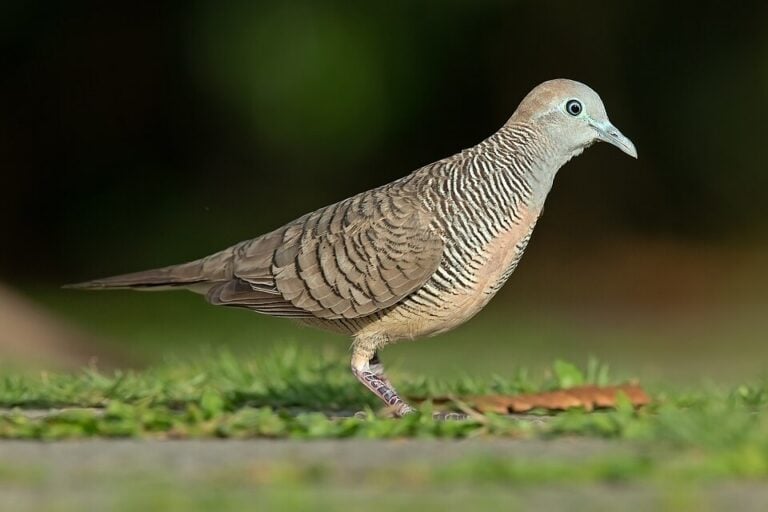
Introduced: A bird brought to Hawaiʻi through human activity that later became established. Mynas, cardinals, zebra doves, and feral chickens fall into this group.
These labels describe origin. Native and endemic birds face especially serious conservation pressures, but you should watch every bird without feeding, chasing, or crowding it.
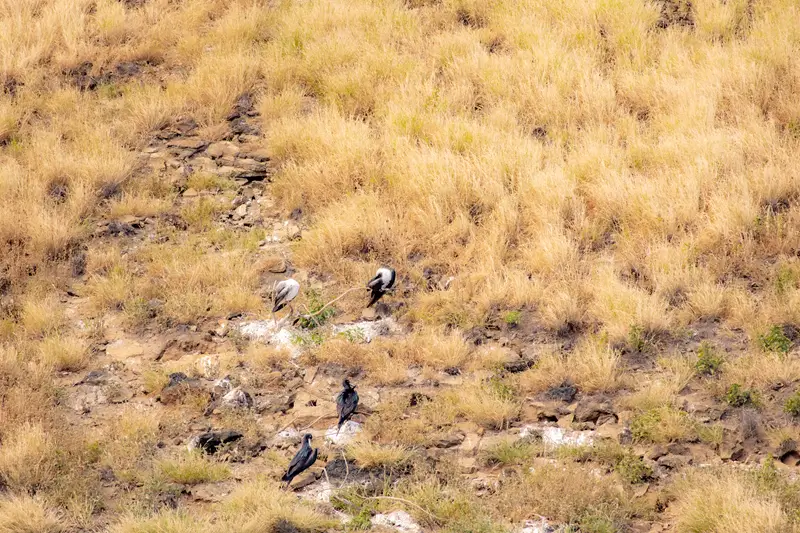
Maui Seabirds On A Rocky Hillside
Native And Endemic Birds Of Maui
Many of Maui’s most distinctive native Hawaiian birds live in upland habitat. Some can be found from public trails. Others survive mainly in remote, protected forest where access is limited, and sightings are difficult.
Identification photos are resized for display; some were taken outside Maui. Colors and markings can vary with age, sex, and season.
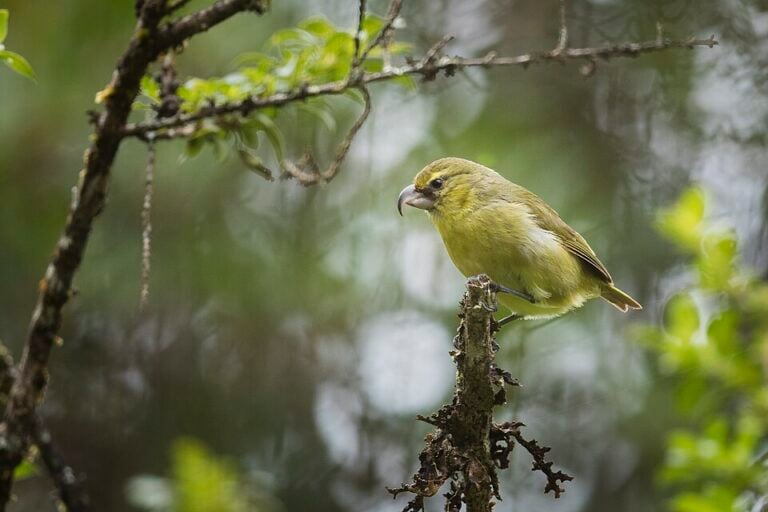
Kiwikiu are among Maui's rarest birds. Their thick, curved bills help them split branches to find insects.
How to ID: Heavy curved bill and a dark eye stripe. Olive-green upperparts with yellow undersides.
Where to look on Maui: Remote high-elevation wet forest, much of it access-controlled.
Birding tip: A casual visitor sighting is extremely unlikely. Choose a properly authorized birding experience if available, and never enter private or closed land.
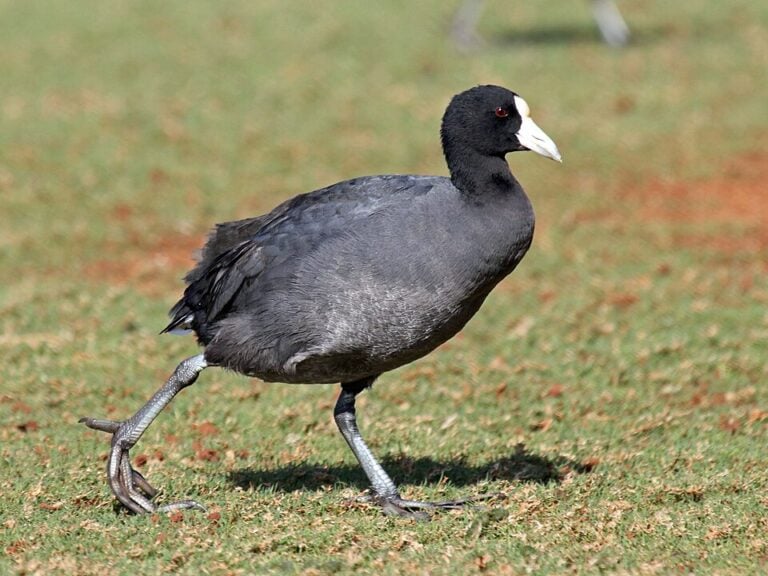
This member of the rail family lives around fresh and brackish ponds and often dips its head underwater to feed.
How to ID: Rounded, dark slate-gray body with a prominent white bill and forehead shield. Broad, lobed toes may be visible when it steps onto the bank.
Where to look on Maui: Keālia Pond and freshwater wetlands.
Birding tip: Watch from designated viewing areas and give birds plenty of space at the water's edge.
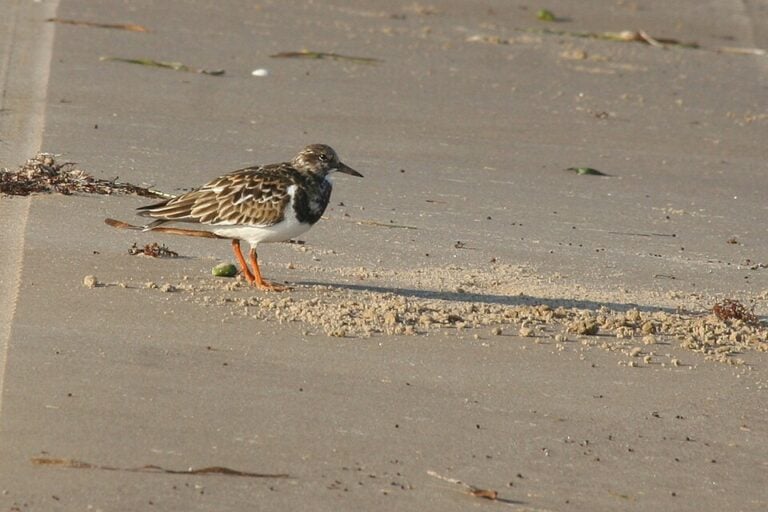
These compact shorebirds flip shells, seaweed, and small stones to uncover food.
How to ID: Orange legs and a short dark bill. Watch for its distinctive stone-flipping feeding behavior.
Where to look on Maui: Keālia, Kanahā, and rocky coastal areas, roughly August through May.
Birding tip: Observe feeding birds quietly from a distance. The photo shows winter plumage.
Maui Seabirds To Watch For From Shore Or A Boat
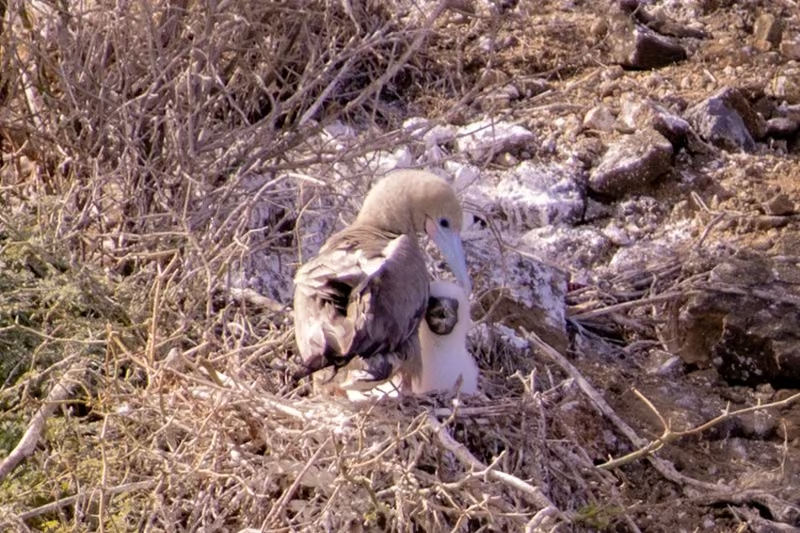
Maui birding doesn't end at the shoreline. Open water, offshore islets, and rocky coastal habitat support birds adapted to flying, feeding, and nesting around the ocean.
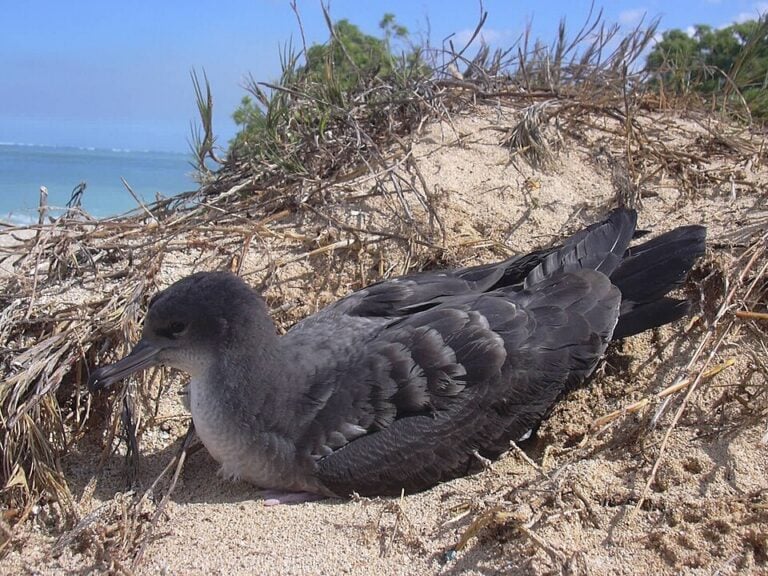
The endangered ʻuaʻu spends most of its life over open ocean and returns to land to nest in burrows.
How to ID: Dark above and pale below. Fast flight; mostly nocturnal around nesting habitat.
Where to look on Maui: Open ocean; rarely seen near land.
Birding tip: Casual sightings are difficult. If you find a grounded seabird, follow local wildlife guidance instead of attempting an improvised rescue.
Many of the birds visitors notice first are introduced species. They thrive around developed areas and are usually much easier to photograph than Maui’s rare native forest birds.
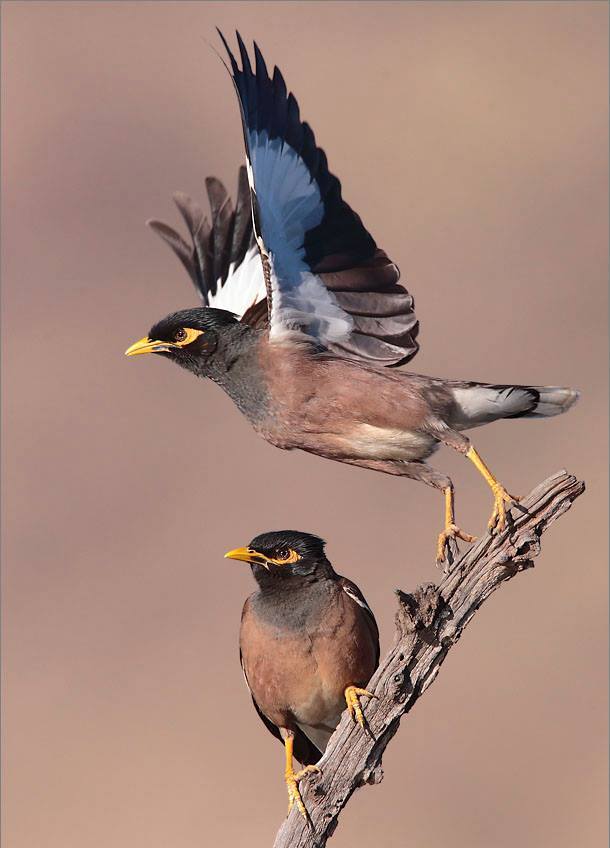
Common mynas walk across lawns and parking lots and make a wide range of calls.
How to ID: Brown body, black head, yellow bill and legs, and bare yellow skin around the eyes. White wing patches and white tips on the dark tail are visible in flight.
Where to look on Maui: Towns, lawns, parking lots, and resorts.
Birding tip: Watch their upright walk and listen for calls. Observe without feeding.
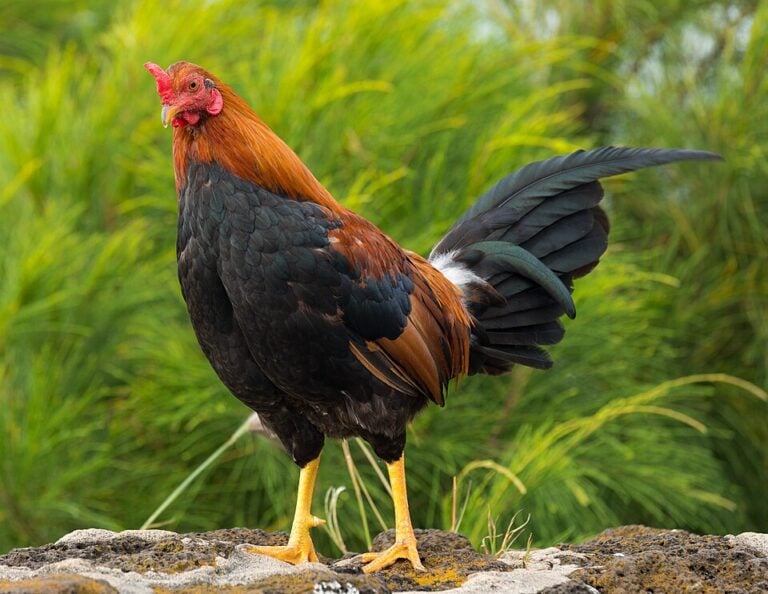
Most free-roaming roosters, hens, and chicks are domestic chickens living outdoors. Their colors vary widely.
How to ID: Familiar rooster, hen, or chick shape in varied colors. Roosters may be heard before birds are seen scratching through grass or leaf litter.
Where to look on Maui: Beach parks, parking lots, trailheads, and neighborhoods.
Birding tip: Watch without feeding. The linked guide explains how chickens became part of everyday island life.
Use this table as a quick Maui bird identification guide.
Bird
Type
Easy Identification Clue
Where To Look On Maui
Nēnē
Hawaiian endemic
Dark face and ridged buff neck
Haleakalā grasslands and open uplands
ʻIʻiwi
Hawaiian endemic
Scarlet body and long curved orange bill
High-elevation native forest, including Hosmer Grove
ʻApapane
Hawaiian endemic
Crimson body, black wings, short dark bill
Native forest, including Hosmer Grove
ʻAmakihi
Hawaiian endemic
Small yellow-green bird with a curved bill
Upland forest, Hosmer Grove, and Kahakapao
Maui ʻAlauahio
Maui endemic
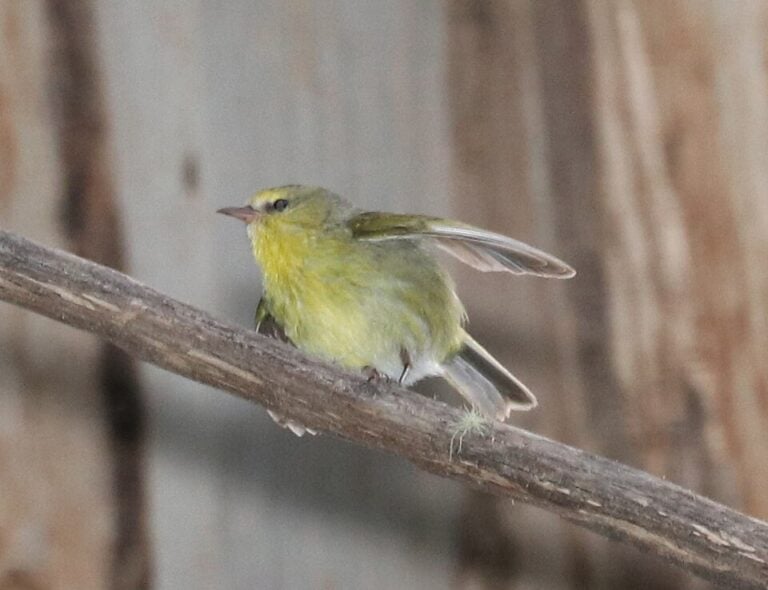
Yellow-green bird creeping along branches
East Maui forest
ʻĀkohekohe
Maui endemic
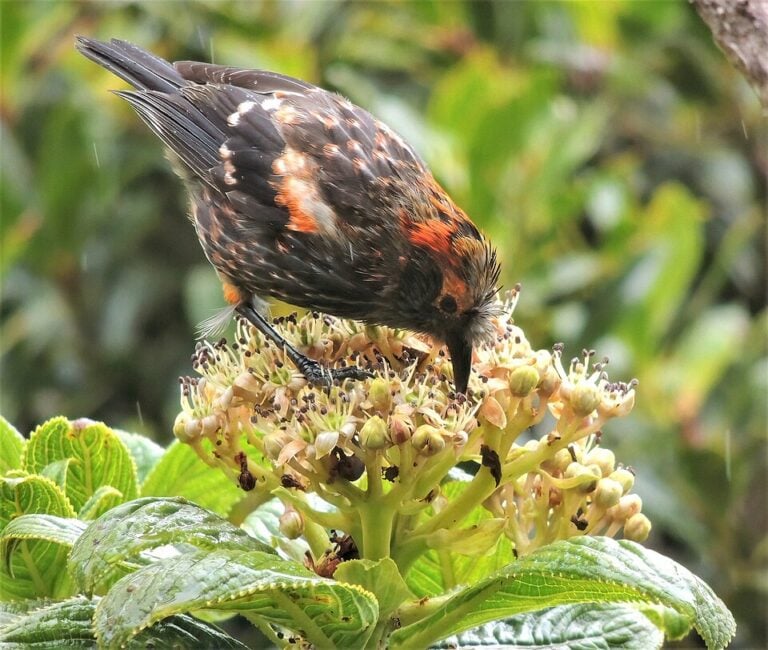
Dark honeycreeper with orange-red markings and a crest
Protected high-elevation wet forest; very rare
Kiwikiu
Maui endemic
Heavy curved bill and dark eye stripe
Remote wet forest; extremely rare
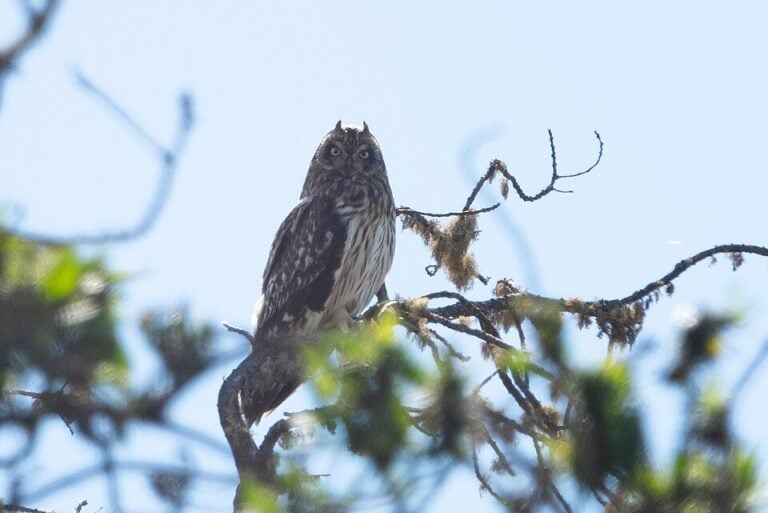
Pueo
Hawaiian endemic subspecies
Brown owl often active in daylight
Open uplands and grasslands; uncommon
Aeʻo
Hawaiian endemic subspecies
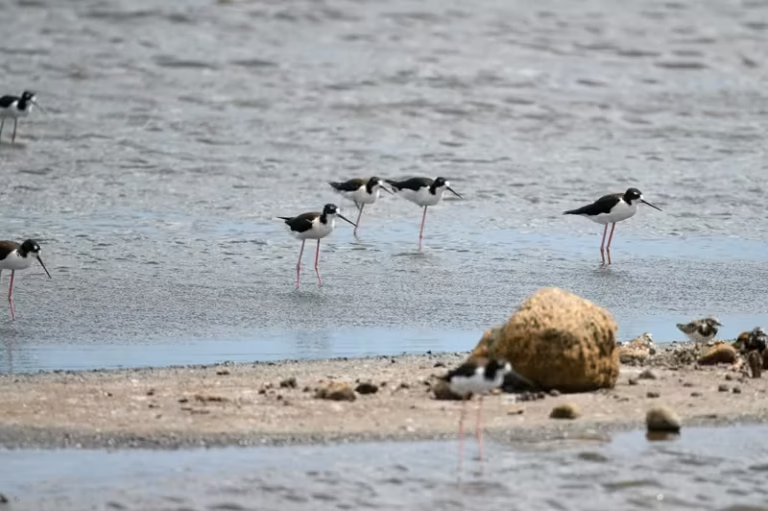
Very long pink legs and black-and-white body
Keālia Pond and other protected wetlands
ʻAlae Keʻokeʻo
Hawaiian endemic
Dark body with a white bill and forehead shield
Keālia Pond and freshwater wetlands
Kōlea
Regular migrant
Upright plover with spotted brown-and-gold upperparts
Lawns, fields, shorelines, wetlands, and golf courses
ʻAkekeke
Regular migrant
Orange legs; flips stones to feed
Rocky shores and wetlands, fall through spring
ʻUaʻu
Hawaiian endemic
Dark above and pale below in fast flight
Open ocean; rarely seen near land
ʻUaʻu Kani
Indigenous seabird
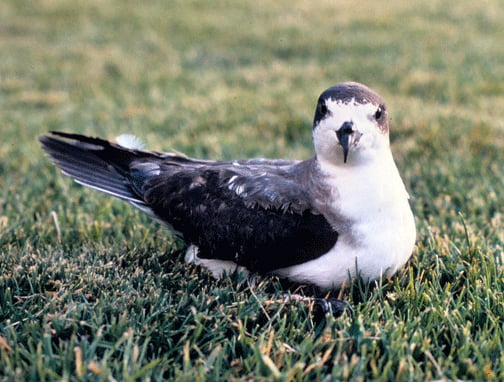
Long narrow wings and gliding flight close to the water
Open ocean and offshore habitat
ʻIwa
Indigenous seabird
Long pointed wings and a deeply forked tail
Open ocean, Molokini area, and coastal skies
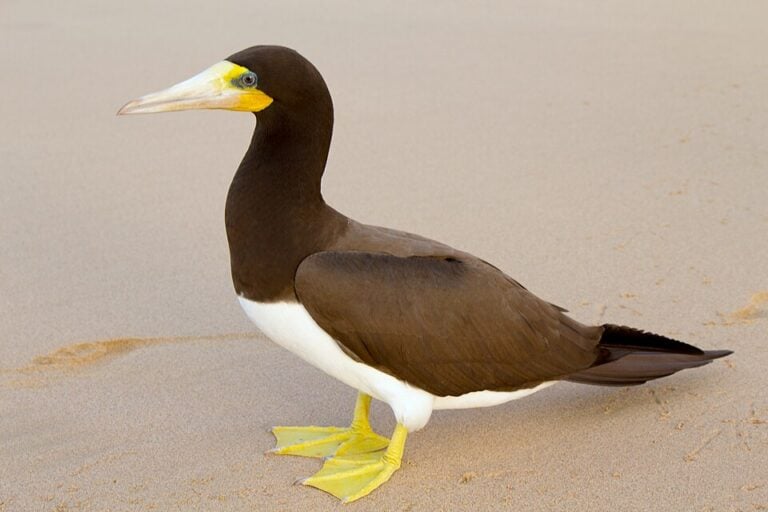
Brown Booby
Indigenous seabird
Brown upper body, white belly, and plunge-diving behavior
Boat routes, rocky coasts, and offshore waters
Common Myna
Introduced
Brown body, black head, yellow bill
Towns, lawns, parking lots, and resorts
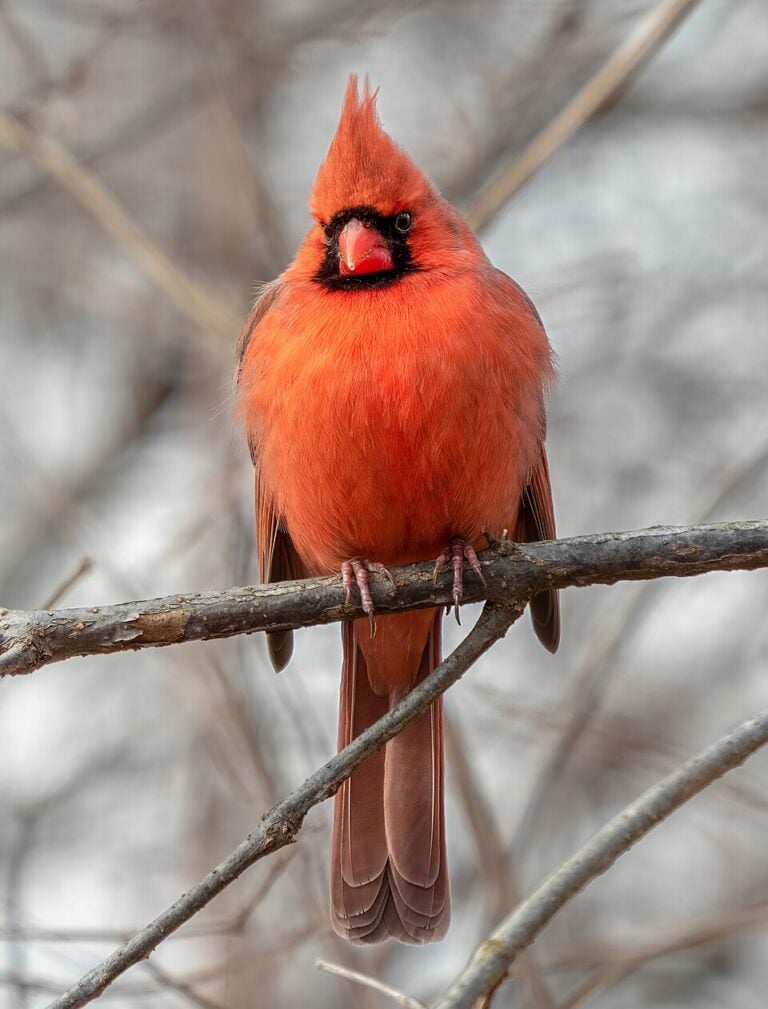
Northern Cardinal
Introduced
Crested male is red with a black face mask
Gardens, forest edges, parks, and neighborhoods
Red-Crested Cardinal
Introduced
Red head, white underside, gray back
Lawns, parks, and resorts
Zebra Dove
Introduced
Small dove with fine barring across the neck and chest
Resorts, parks, sidewalks, and open lowlands
Feral Chicken
Introduced domestic bird
Familiar rooster, hen, or chick in varied colors
Beach parks, parking lots, trailheads, and neighborhoods
Note: A location tells you where a bird may occur, not where a sighting is guaranteed. Follow public-access rules and respect protected habitat.
Best Places For Maui Birding
Keālia Pond National Wildlife Refuge
Keālia Pond, between Kīhei and Māʻalaea, is a rewarding first stop for aeʻo, ʻalae keʻokeʻo, and seasonal shorebirds. It has two separate visitor entrances, so decide which area you want to explore before setting your navigation.
Keālia Coastal Boardwalk: The boardwalk has its own small parking lot off North Kīhei Highway, between Kīhei and Māʻalaea. An elevated walkway of about half a mile follows the coastal wetland beside Māʻalaea Bay. Pause along the walk to scan shallow pools, muddy edges, and vegetation for birds.
Main refuge and Kanuimanu viewing area: Enter at Milepost 6 on Maui Veterans Highway, also identified as Highway 311 in the refuge directions. This entrance serves the visitor center and main refuge trails, including the Kanuimanu Ponds. The pond levees offer mostly level walking, although the surface can be bumpy. Some pond areas may close during nesting season. When the visitor center is open, ask staff which viewing areas are open that day.
Bring binoculars, water, a hat, and sun protection for exposed wetland viewing. Fall through spring adds migratory birds, and changing water levels affect where they gather.
Plan your arrival: The boardwalk, main refuge, and visitor center have separate schedules. Check the refuge's Visit Us page for current hours and closure notices. For an early start, weekend, or holiday visit, confirm access with refuge staff at (808) 875-1582.
Kanahā Pond State Wildlife Sanctuary
Near Kahului Airport, Kanahā Pond offers another chance to watch native waterbirds and seasonal migrants. The parking area on Keolani Place, on the sanctuary's west side, leads to a viewing shelter. Scan the water and pond margins for aeʻo, ʻalae keʻokeʻo, and visiting shorebirds. Trails reached from Amala Place have seasonal access restrictions to protect nesting birds, so check current state guidance before exploring farther.
Hosmer Grove In Haleakalā National Park
Hosmer Grove is a practical place to begin native forest birding. The nature trail starts and ends at the campground and forms a loop of about 0.6 miles through introduced trees and native shrubland. Walk slowly, listen for calls, and scan flowering branches for ʻapapane, ʻiʻiwi, and Hawaiʻi ʻamakihi. At nearly 7,000 feet, conditions can feel much cooler than the coast. Bring a layer and review park alerts and our Haleakalā National Park guide before driving up.
Kahakapao Recreation Area
Kahakapao, in the Makawao Forest Reserve, offers forest birding among koa, ʻōhiʻa, and introduced trees. Begin at the recreation-area parking lot and choose a marked hiking route using the current trail map. Pause to listen and watch for movement along trunks and branches. The area is also popular with mountain bikers, so watch for riders at trail crossings.
Leleiwi Overlook And The Haleakalā Summit District
Leleiwi pairs a short walk with open shrubland and crater views. From its parking lot, the overlook is about 0.3 mile round trip, with steps and roughly 100 feet of elevation gain. Scan the surrounding habitat for nēnē and introduced gamebirds as you walk. Other designated Summit District stops offer additional viewing opportunities. Bring a warm layer, since wind, fog, and cold can change the experience quickly.
Open Ocean And The Molokini Route
A crossing from Māʻalaea Harbor toward Molokini opens up a different birding view. Scan high overhead for the forked tails of ʻiwa and closer to the waves for gliding shearwaters or diving boobies. On our Molokini Crater Snorkeling Tour, keep watching during the ride and between snorkel stops. Species and sightings vary with conditions.
Access note: Waikamoi Preserve is private and requires permission or an authorized reservation. Its presence on a birding map doesn't grant entry permission.
Best Time For Birding In Maui
Early morning is a practical starting point. Many birds are active, temperatures are cooler, and wind is often lighter. Arrive quietly, pause often, and listen before walking farther.
Fall through spring adds migratory shorebirds and waterfowl. Kōlea, ʻakekeke, and other long-distance travelers may appear on wetlands, shorelines, fields, and lawns. Keālia typically holds greater waterbird variety during the winter migration period, although water levels and sightings change.
Native forest birds can be present year-round, but flowering cycles, weather, elevation, and time of day affect activity. Rare species remain rare in every season. Seabird presence also varies with breeding cycles, feeding conditions, and ocean patterns.
How To Watch Maui Birds Responsibly
Use binoculars or a zoom lens: A better view shouldn't require moving closer to a bird.
Stay on legal public trails: Don't cross fences, enter private preserves, or step into protected wetland and nesting habitat.
Never feed birds: Food changes natural behavior, attracts predators and pests, and can make wildlife aggressive around people.
Keep nests private: Don't approach, touch, or publicly pinpoint an active nest.
Limit call playback: Repeated recordings can pull birds away from feeding, nesting, or defending territory.
Keep pets away: Cats and loose dogs can injure ground-nesting birds, chicks, and adults.
Follow current site rules: Closures protect both visitors and wildlife. Check the managing agency before each trip.
Avian malaria, spread by introduced mosquitoes, is a major threat to Hawaiian forest birds. Habitat loss, predators, disease, and climate change add more pressure. Responsible birding prevents a sighting from becoming another disturbance.
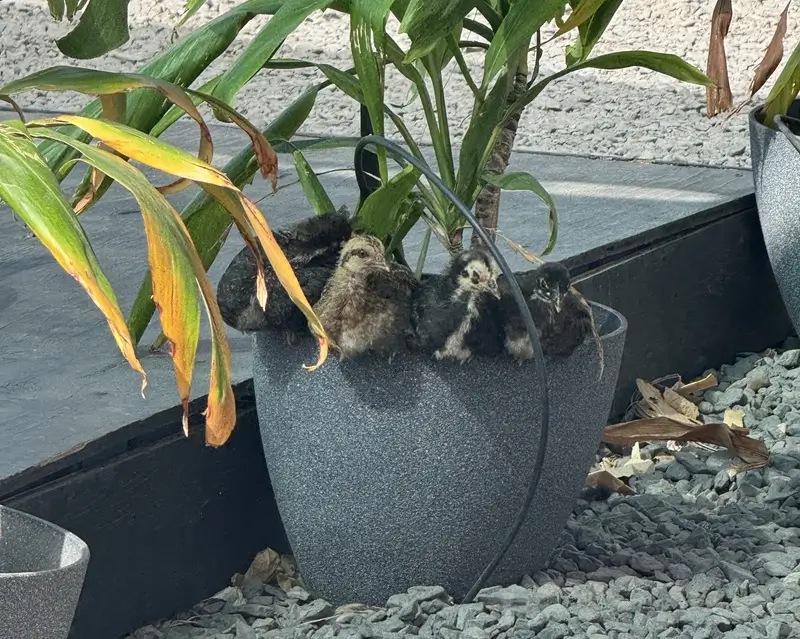
Wild Chicken Chicks In A Maui Planter
FAQs
Native and endemic Maui birds include nēnē, ʻiʻiwi, ʻapapane, ʻamakihi, Maui ʻalauahio, ʻākohekohe, kiwikiu, pueo, aeʻo, ʻalae keʻokeʻo, ʻuaʻu, ʻuaʻu kani, and ʻiwa. Several live mainly in remote or protected habitat.
The nēnē, or Hawaiian goose, is Hawaiʻi’s state bird. Visitors may see nēnē in Haleakalā National Park and other upland habitat. Watch from a distance, drive slowly where warning signs are posted, and never feed them.
Keālia Pond is a strong choice for wetland birds and migrants, while Hosmer Grove is an approachable public location for native forest birds. Kanahā Pond, Kahakapao, Haleakalā viewpoints, and open-ocean routes add other habitats.
It's possible but extremely unlikely for a casual visitor. Kiwikiu survive in remote high-elevation wet forest, much of it access-controlled. Don't enter private or closed land to look for one. Choose a properly authorized birding experience if available.
Hawaiʻi has no native hummingbirds, and visitors shouldn't expect wild hummingbirds on Maui. Hummingbird moths can cause confusion. Native honeycreepers such as ʻiʻiwi also feed on nectar, but they are unrelated to hummingbirds.
It's often a red-crested cardinal, an introduced bird with a red head, white underside, and gray back. A male northern cardinal is mostly red with a black face. In upland forest, red birds may be ʻapapane or ʻiʻiwi.
Maui has birds year-round. Fall through spring brings more migratory shorebirds and waterfowl, while forest birds may be present in every season. Early morning is often productive because birds are active and conditions are cooler and quieter.
Possible sightings include ʻiwa, boobies, shearwaters, petrels, and other ocean birds. Species change with season, location, weather, and feeding activity. No sighting is guaranteed, so scan the sky and water during the crossing.
A native bird reached Hawaiʻi without human help. An endemic bird occurs only in Hawaiʻi or a smaller area such as Maui. An introduced bird arrived through human activity. Migratory birds visit seasonally.
Final Thoughts On The Birds Of Maui
The most memorable Maui bird may be the one you weren't expecting: a nēnē beside a Haleakalā road, an aeʻo in shallow water, an ʻiʻiwi flashing between branches, or an ʻiwa above the ocean.
Know the habitat and set realistic expectations. Treat rare birds as a privilege, not a checklist item. Keep your distance and let every bird continue what it was doing before you arrived.
If your plans include time on the water, keep watching after you leave shore. Reef fish, coral, honu, and the seabirds overhead are part of the same living ocean.
Sources & Updates
Use these official resources to identify Maui birds, plan visits to public birding locations, review current access notices, and learn about native bird conservation. Hours, closures, habitat conditions, and wildlife locations can change, so check the managing agency before visiting.


.jpg)

_Palilia_Discovery_Trail,_Mauna_Kea,_Big_Island,_HI.jpg)
_Hosmer_Grove,_Haleakala_Nat_Park,_Maui_co,_Hawaii_.jpg)


_Palila_Discovery_Trail_HI_2018-11-29_16-12-31_(45221989885).jpg)


.jpg)


.jpg)
_Costanera_Sur.jpg)

