Maui Wildlife Guide: Animals To See On Land And Sea
January 2nd, 2026
| Marine Life
Written by Maui Snorkeling, operating tours to Molokini Crater, Turtle Town, and Coral Gardens from Māʻalaea Harbor since 1985. Tours are led by USCG-licensed captains aboard a USCG-inspected passenger vessel.
Last updated October 9, 2026
Quick Answer
Maui wildlife includes sea turtles, tropical reef fish, rays, dolphins, Hawaiian monk seals, humpback whales in winter, nēnē, seabirds, geckos, mongooses, and axis deer. The easiest animals for most visitors to see are reef fish, turtles, birds, and geckos, while whales are seasonal and monk seals are rare. Wildlife sightings aren’t guaranteed, so the best approach is to visit the right areas, go at the right time, and always give animals plenty of space.
Main Takeaways:
Best Ocean Wildlife: Sea turtles, tropical reef fish, rays, dolphins, monk seals, and winter humpback whales
Best Land Wildlife: Nēnē, seabirds, geckos, mongooses, and axis deer
Best Time To Look: Morning for snorkeling, winter for whales, and dawn or dusk for some land animals
Safe Viewing: Don’t touch, chase, feed, surround, or block wildlife on land or in the ocean
Plan Ahead: Check ocean conditions, follow posted signs, and keep your distance when animals come close
Maui is one of the best places in Hawaiʻi to experience wildlife both in the ocean and on land. From snorkeling with colorful reef fish to spotting sea turtles along the shore, or seeing native birds upcountry, wildlife encounters are a huge part of what makes a Maui trip special.
That said, wildlife sightings on Maui are never guaranteed. What you see depends on location, season, time of day, ocean conditions, and a little bit of luck! Some days the ocean is alive with activity; other days, animals keep their distance.
This guide breaks down what wildlife you can see on Maui, where to see it, the best times of year, and how to view animals responsibly, so you can set realistic expectations and enjoy Maui’s wildlife the right way.
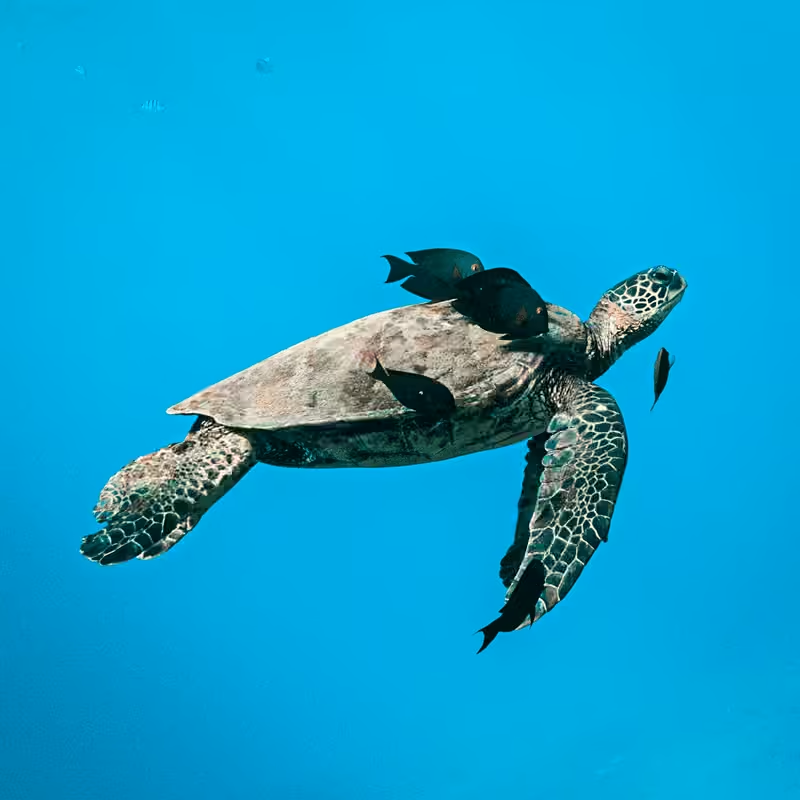
Hawaiian Green Sea Turtle (Honu)
Maui Wildlife At A Glance
From colorful reef fish to native birds, Maui has plenty to look for.
Compare these animals and wildlife groups to plan your ocean adventures,
coastal stops, and land-based exploring.
Wildlife
Where To Look
When To Look
Sightings
Viewing Tip
Green Sea Turtle: Honu
Coastal reefs, bays, and beaches where turtles rest
Year-round; calm, clear water helps underwater viewing
Often seen in suitable habitat
NOAA recommends at least 10 feet of space. Leave their path to the ocean or surface clear.
Tropical Reef Fish
Molokini, Turtle Town, Coral Gardens, and other reef areas
Calm, clear conditions, often in the morning
Common around reefs
Watch quietly without feeding fish or touching coral.
Octopus
Rocky reefs, crevices, and reef ledges
Day octopuses are active during daylight
Easy to overlook
Look for movement and camouflage. Don’t reach into hiding places or try to make one move.
Rays
Reef edges, sandy channels, and coastal waters
Unpredictable; clear water helps viewing
Occasional
Give them room to glide past without following or blocking their route.
Dolphins
Coastal and offshore waters, viewed from boats or shore
Unpredictable; activity and location vary
Occasional
NOAA recommends at least 50 yards. Don’t pursue dolphins or enter the water to swim with them.
Hawaiian Monk Seal
Beaches and coastal waters
Year-round, with no dependable viewing schedule
Uncommon visitor encounter
NOAA recommends at least 50 feet, or 150 feet from mothers with pups. Stay behind barriers.
Humpback Whale
Offshore waters, whale-watch boats, and coastal viewpoints
Winter, especially January through March
Seasonal
Bring binoculars for shore viewing. Approaching within 100 yards is prohibited in Hawaiian waters.
Nēnē: Hawaiian Goose
Haleakalā and other suitable grassland and shrubland habitats
Daylight, while exploring open visitor areas
Location-dependent
Look for the pale, grooved neck. Don’t feed them, and watch for birds near roads.
Seabirds
Coastlines, harbors, cliffs, and offshore waters
Daylight; activity varies by species
Often seen along the coast
Use binoculars to enjoy distant birds without approaching nesting areas.
Wetland Birds
Keālia Pond National Wildlife Refuge
During posted access hours; migratory visitors add variety seasonally
Vary with habitat and season
Look for Hawaiian stilts and coots from designated viewing areas. Bring binoculars.
Geckos
Garden walls, patios, landscaped areas, and outdoor lights
Day or night, depending on the species
Common
Enjoy watching these little insect hunters without catching or handling them.
Hawaiian Hoary Bat: ʻŌpeʻapeʻa
Flying above trees and open areas while hunting insects
Around sunset and after dark
Elusive and easily missed
Watch from a distance without disturbing trees where bats may roost.
Mongooses
Roadsides, parks, parking areas, and grasslands
Daytime
Common in many areas
These introduced animals prey on native wildlife. Don’t feed them or leave food scraps.
Axis Deer
Rural fields, roadsides, and drier landscapes
Often around dawn and dusk
Locally common
Watch from a safe stopping place, respect private land, and drive carefully in low light.
Note: Think of this as a planning guide, not a wildlife
schedule. Sightings vary with habitat, season, conditions, and animal
behavior. Follow posted boundaries and give wildlife extra space whenever
needed.
Maui Marine Wildlife
Maui’s ocean wildlife is one of the top reasons visitors come to the island. Calm bays, healthy reefs, and seasonal migrations make Maui a great place to see marine life from shore, while snorkeling, or on a boat tour.
Some animals, like reef fish and sea turtles, are common daily sightings. Others, like rays, dolphins, monk seals, and humpback whales, depend more on timing, location, season, and ocean conditions.
Patient snorkelers may also spot less obvious reef animals, including octopus, moray eels, porcupinefish, sea urchins, and a Hawaiian Spiny Lobster in Maui sheltering beneath a reef ledge.
Whale sharks are among Maui’s rarest marine wildlife sightings. These enormous fish occasionally pass through Hawaiian waters, but Maui whale shark sightings are unpredictable and shouldn’t be expected during a typical snorkeling trip.
Hawaiian Green Sea Turtle: Honu
Honu are one of Maui’s most iconic marine wildlife sightings. These protected sea turtles are often seen gliding over shallow reefs or surfacing to breathe. If you see one while snorkeling, stay still, give it room, and never touch or block its path.
For a quick vocabulary primer before your ocean day, see our guide to Hawaiian ocean words, including honu, iʻa, nalu, kai, and koholā.
Tropical Reef Fish
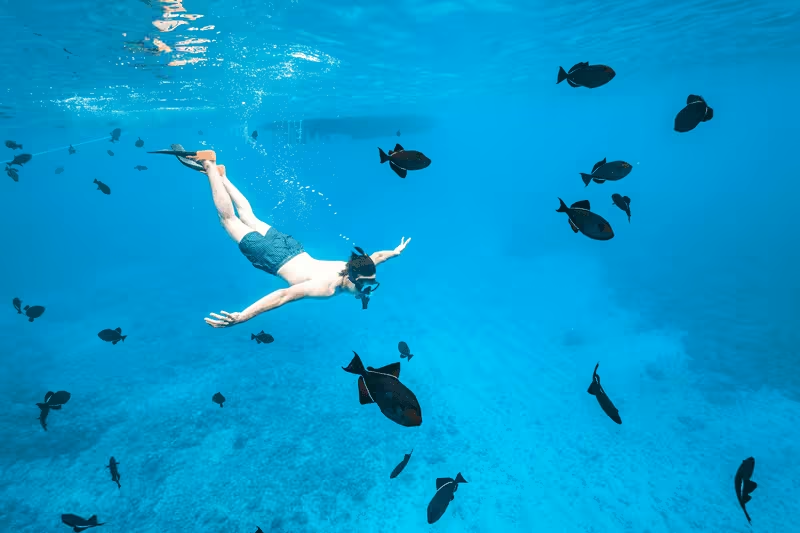
Tropical reef fish are the most consistent marine life you’ll see while snorkeling in Maui. Look near coral heads, lava rock, and reef edges for colorful fish moving through the water. Don’t feed fish, touch coral, or stand on the reef.
One easy-to-miss reef resident is the Maui porcupinefish, which often rests beneath ledges or inside shaded reef holes during the day. Porcupinefish are close relatives of true puffers, but they belong to a different family. Our Pufferfish in Maui Guide explains how to identify the guineafowl puffer, white-spotted puffer, and Hawaiian whitespotted toby.
You may also spot the bigeye emperor, known in Hawaiian as mū. Its unusually large eye, deep silvery body, and changing markings can help distinguish it from other reef fish. See our Bigeye Emperor in Maui Guide for identification tips, behavior, habitat, and snorkeling information.
For even more species to watch for, use our Maui Fish ID Guide to learn about the colorful reef fish you may see while snorkeling around the island.
Octopus: Masters Of Camouflage
Maui’s reef wildlife isn’t always easy to spot. The day octopus, called heʻe in Hawaiian, can change its color and skin texture to blend into its surroundings. What looks like another patch of reef might suddenly reveal an eye or a moving arm.
Rays
Eagle rays and manta rays are special sightings that happen in the right place at the right time. They’re often seen near sandy channels, deeper reef edges, or offshore waters. If you see a ray, stay calm and let it pass naturally.
Dolphins
Dolphins live around Maui, but most sightings happen from boats rather than from shore. They’re protected, so never chase, surround, or swim toward dolphins. Responsible viewing means keeping your distance and letting them move naturally.
Hawaiian monk seals are rare, protected marine mammals. On Maui, you'll most often see them resting quietly on beaches. If you see one, give it lots of space, keep dogs away, and stay outside any posted signs or roped-off areas. Resting on the beach is normal behavior for monk seals. Don’t try to wake one or move it back into the ocean.
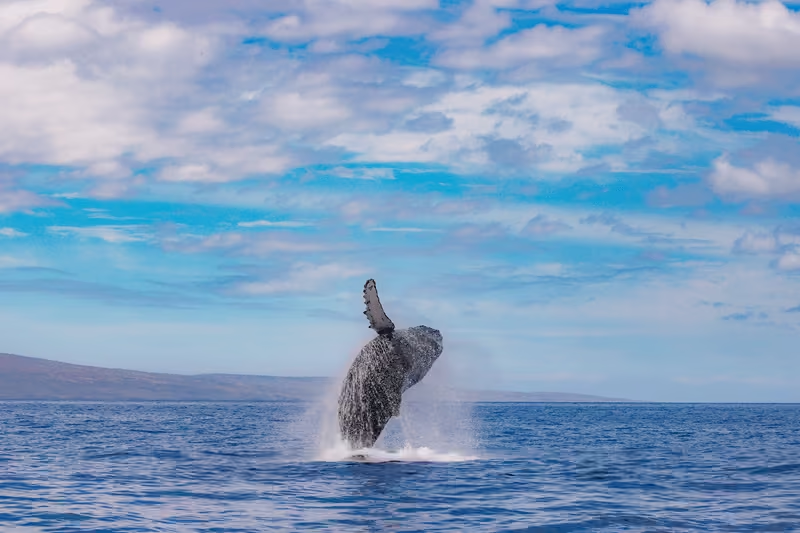
Humpback whales migrate to Hawaiian waters each winter to breed and give birth. Maui is one of the best places in the world to see them, especially from January through March. You may spot blows, breaches, tail slaps, or fin waves from shore or on a whale-watching boat.
Maui’s land wildlife is quieter than the ocean, but it’s still fun to notice while exploring upcountry, parks, beaches, resorts, and open natural areas. Some animals, like nēnē, are native and protected, while others, like axis deer and mongooses, were introduced and are now commonly seen across the island.
Nēnē: Hawaiian Goose
Nēnē are Hawaiʻi’s state bird and one of the most meaningful wildlife sightings on Maui. Nēnē are endemic to Hawaiʻi, meaning they occur naturally nowhere else. Look for a black head and a pale, deeply grooved neck, which distinguish them from Canada geese. You may see them grazing in open grassy areas, especially in upcountry and higher elevation zones. Give them space, never feed them, and drive carefully if they’re near the road.
Axis Deer
Axis deer are common in some rural and drier parts of Maui. Their spotted coats make them recognizable, but axis deer aren’t native to Hawaiʻi. Their browsing and trampling can damage native vegetation, so they’re also an important conservation concern. They’re beautiful to see from a distance, but they can also be a driving hazard, especially at dawn and dusk. Slow down in open areas and watch for deer near road shoulders.
Mongooses
Mongooses are small, fast animals often seen darting through parking lots, along roadsides, in parks, and in landscaped areas. Introduced to Hawaiʻi for rat control, mongooses also prey on native birds and their eggs. They’re part of the everyday scenery in some areas, but their presence creates challenges for native wildlife.
Geckos And Small Lizards
Geckos are some of the easiest land animals to spot on Maui. Look for them on warm walls, patios, garden edges, and near outdoor lights at night. They’re harmless and a fun little wildlife sighting for kids and adults.
Hawaiian Hoary Bat: ʻŌpeʻapeʻa
One of Maui’s most easily overlooked animals comes out around sunset. The Hawaiian hoary bat, or ʻōpeʻapeʻa, is Hawaiʻi’s only living native land mammal. It spends the day roosting in trees and heads out to hunt flying insects as daylight fades.
Maui Birds
Maui is also a great place to notice birds, even if you’re not a birder. Along the coast, watch for seabirds gliding over cliffs, harbors, and the open ocean. In upcountry and forested areas, slow down, listen, and bring binoculars for a better look.
For identification tips and places to look, explore our birds of Maui guide, which covers native forest birds, wetland species, seabirds, seasonal visitors, and familiar introduced birds.
Best Birdwatching Tips
Use binoculars for seabirds, nēnē, and distant wildlife.
Go earlier in the day when birds are more active.
Stay on trails and avoid nesting areas.
Don’t feed birds or approach them for photos.
You may also notice wild chickens on Maui around beach parks, resorts, parking lots, and roadside areas. Most are feral chickens, so enjoy the sighting from a distance and don’t feed, chase, touch, or relocate them.
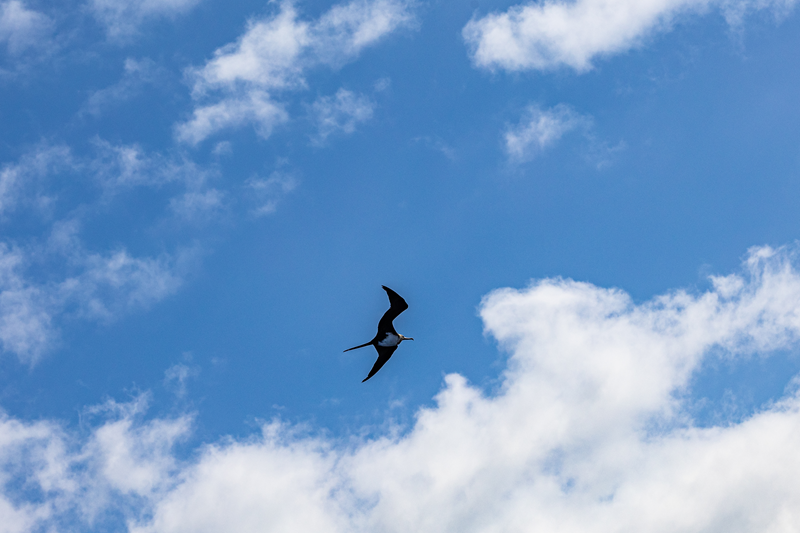
Great Frigatebird
How Much Space Should You Give Maui Wildlife?
A little distance makes wildlife watching better for everyone. NOAA recommends staying at least:
Sea turtles: 10 feet away.
Hawaiian monk seals: 50 feet away, or 150 feet from mothers with pups.
Dolphins and small whales: 50 yards away.
Best Places To See Wildlife On Maui
If you’re trying to plan the best places to see Maui wildlife, think in terms of habitat and conditions. Calm reefs usually offer better marine life, while upcountry, forested areas, and open spaces are better for birds and land animals.
Pro Tip: Bring binoculars for birds and whales, and polarized sunglasses for spotting turtles and reef structure from shore.
South Maui: Wailea And Kihei
South Maui is one of the most reliable areas for shallow reef snorkeling, reef fish, and turtle sightings. Calm mornings usually offer the best visibility and the most comfortable conditions.
Best For: Reef snorkeling, turtles, and tropical fish
Best Time Of Day: Morning
Helpful To Bring: Mineral sunscreen, sun-protective clothing, water, and properly fitting snorkel gear
West Maui: Kāʻanapali And Kapalua
West Maui has excellent shore snorkeling and scenic coastal areas where visitors may see turtles, reef fish, and seasonal whales from shore. Conditions can change quickly, so always check the ocean before entering.
Best For: Shore snorkeling, turtles, reef sightings, and winter whale watching
Best Time Of Day: Morning, when the water is often calmer
Helpful To Bring: Properly fitting snorkel gear, water, sun protection, and a shore-based backup plan
Central Maui: Maʻalaea
Maʻalaea is a major harbor for snorkel tours and whale-watching departures. It’s a strong starting point for boat-based wildlife sightings, especially dolphins and humpback whales in season.
Best For: Boat departures and offshore wildlife
Best Time Of Day: Morning departures often have calmer conditions
Helpful To Bring: A light jacket and motion-sickness prevention if needed
Keālia Pond: Wetland Birds Without A Boat Trip
For a different side of Maui wildlife, visit Keālia Pond National Wildlife Refuge. Its wetlands support Hawaiian stilts, called aeʻo, and Hawaiian coots, called ʻalae keʻokeʻo, along with seasonal migratory birds.
Bring binoculars and take your time watching the water and shoreline. The coastal boardwalk and refuge visitor area have different access hours, so check the official visitor information before choosing where to go.
Upcountry And Haleakalā Area
Upcountry is one of the best places to see nēnē, birds, and cooler-climate wildlife. The scenery is beautiful, and the higher elevation gives visitors a very different wildlife experience than the beach areas.
Best For: Nēnē, birds, scenic drives, and cooler weather
Best Time Of Day: Morning or late afternoon
Helpful To Bring: Binoculars, water, and warm layers if you’re visiting Haleakalā’s summit
North Shore
Maui’s North Shore offers wildlife viewing without getting in the water. At Hoʻokipa Beach Park, honu sometimes come ashore to rest in a protected beach area. Watch from outside any marked boundaries and leave their route between the beach and ocean clear.
You can also watch seabirds along the coast and look offshore for humpback whales during winter.
Best For: Shore-based turtle viewing, seabirds, and seasonal whale spotting.
Best Time To Visit: During daylight and posted park hours; sightings vary.
Helpful To Bring: Binoculars, sun protection, and a camera with zoom.
East Maui And Hāna
East Maui’s lush landscape supports different birds and plant life than the dry leeward side of the island. The Road to Hāna is part of the experience, but visitors should use pull-offs safely and respect private property and local communities.
Best For: Lush habitat, birds, scenic wildlife viewing, and plant life
Best Time Of Day: Earlier in the day for safer driving and fewer crowds
Helpful To Bring: Rain jacket, snacks, water, and patience
FAQs
Maui wildlife includes Hawaiian green sea turtles, tropical reef fish, rays, dolphins, Hawaiian monk seals, humpback whales in winter, nēnē, seabirds, geckos, mongooses, and axis deer. Some animals are easy to spot, while others depend on season, location, and conditions.
Sea turtles are often seen in calm reef areas, shallow bays, and places with healthy marine habitat. South Maui and West Maui are popular areas for turtle sightings, and Turtle Town Maui is one of the best-known turtle areas.
The best time to see humpback whales on Maui is during winter, with peak sightings often from January through March. You may see whales from shore, but whale-watching boat tours usually offer a better viewing experience.
Don’t plan to swim with wild dolphins on Maui. Federal rules prohibit swimming with, approaching, or remaining within 50 yards of Hawaiian spinner dolphins in covered Hawaiian waters. Enjoy sightings from a distance, and never chase, surround, feed, or touch dolphins.
No. Hawaiian monk seals are rare, protected marine mammals. If you see one resting on the beach, give it plenty of space, keep dogs away, and stay outside any posted signs or roped-off areas.
Common land animals on Maui include nēnē, geckos, mongooses, axis deer, and many types of birds. Nēnē are native and protected, while animals like mongooses and axis deer were introduced to Hawaiʻi.
The best way to see Maui wildlife responsibly is to keep your distance, never feed animals, avoid touching marine life, stay off coral, and follow posted signs. If an animal changes its behavior because of you, you’re too close.
Ready to Explore Maui’s Underwater World?
Experience Maui’s ocean environment aboard the Lani Kai II. We’ll provide snorkel gear, food, and friendly crew support, so you can focus on the adventure!
Tours depart from Maʻalaea Harbor. Routes, snorkel sites, and marine life sightings vary with ocean conditions.
Conclusion: Experience Maui Wildlife
Some Maui wildlife moments are big, like a humpback whale breaching offshore. Others are small enough to miss, like a gecko on a garden wall or an octopus blending into the reef. Leave room in your plans to slow down and notice both. Whether you’re exploring a wetland, walking the coast, or snorkeling over a reef, the fun is seeing what turns up naturally.
Sources & Updates
Planning a little wildlife watching? Use these official resources to learn about Maui’s animals, check visiting information, and review wildlife viewing guidance and ocean conditions before you go.