Written by
Maui Snorkeling, operating tours to Molokini Crater, Turtle Town, and Coral Gardens from Māʻalaea Harbor since 1985. Tours are led by USCG-licensed captains aboard a
USCG-inspected passenger vessel.
Quick Answer
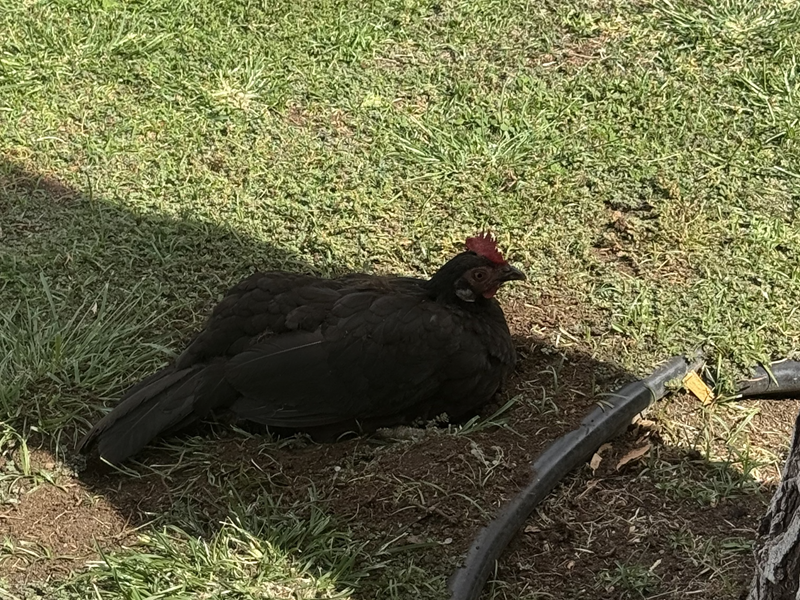
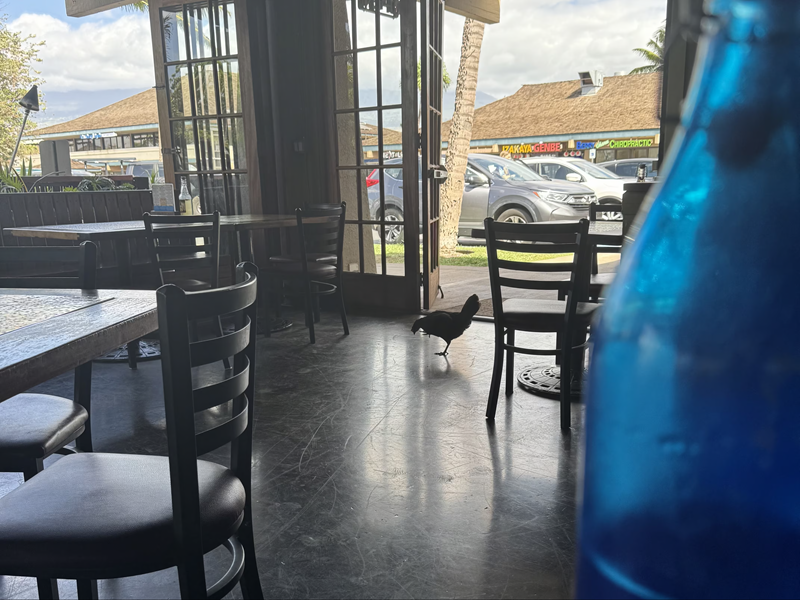
Wild chickens on Maui are common around beach parks, resort paths, trailheads, parking lots, and outdoor dining areas. Most are best described as feral chickens, which means they’re domestic chickens living outdoors and surviving on their own.
Main takeaways:
- Why they’re everywhere: Maui’s warm weather, food scraps, open trash, and landscaped areas make it easy for chickens to survive
- Wild or owned: Some chickens are feral, while others may belong to nearby homes but roam freely
- Rooster crowing: Roosters crow to communicate, claim territory, and react to light changes
- Visitor tip: Don’t feed, chase, touch, or relocate chickens, even if they walk close to you
- Food safety: Keep snacks sealed, clean up crumbs, and use trash cans properly so chickens don’t get bolder around people
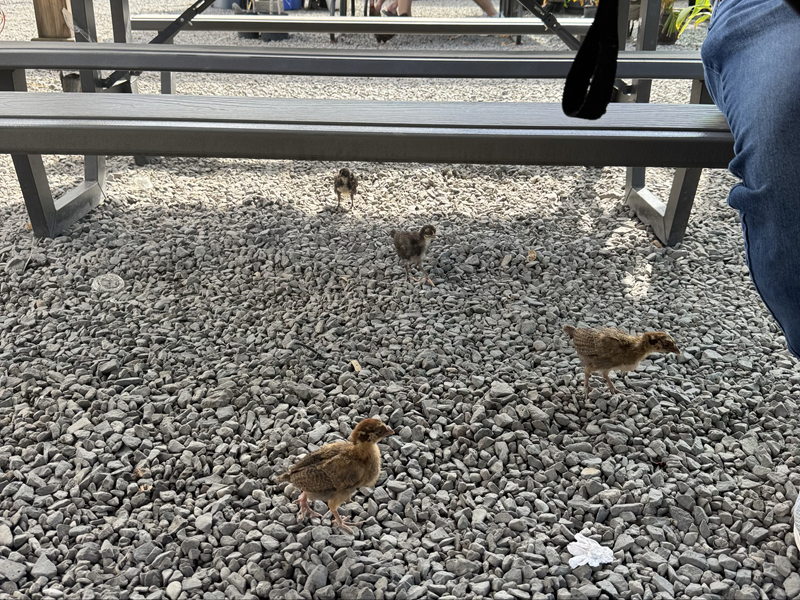
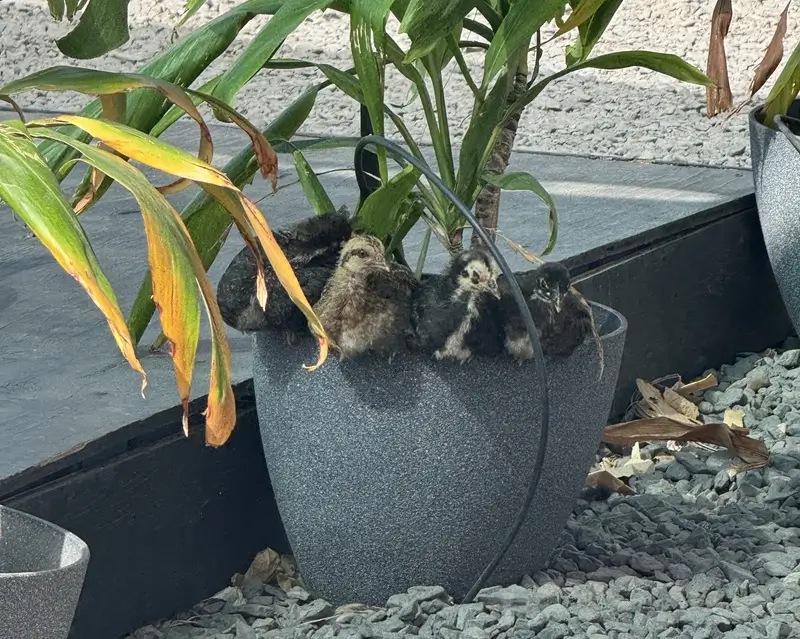
If you’ve been on Maui for approximately five minutes, you’ve probably seen them. A rooster strutting through a parking lot like he pays rent. A hen leading a line of fluffy chicks like a tiny crossing guard. A chicken is walking straight toward your beach snacks, politely, confidently, and boldly.
Yes, wild chickens on Maui are a real thing, and you’ll see them in places that feel wildly inappropriate for chickens. Beach parks. Resort paths. Trailheads. Grocery store parking lots. It’s like they’re doing a full island tour.
This guide explains why they’re here, what’s going on with the nonstop rooster crowing, and how to handle your Maui chicken encounters like a calm, respectful visitor.
Why Are There So Many Wild Chickens On Maui
Most of the “wild” chickens you see on Maui are best described as feral chickens. That means they’re domestic chickens living outdoors and surviving on their own.
Chickens have been in Hawaiʻi for a long time, and over generations, a mix of backyard birds, escaped birds, and free-roaming flocks have created the chicken situation we all know and hear.
Also, Maui is basically chicken-friendly:
- Warm climate: no snow survival mode required
- Plenty of food opportunities: crumbs, open trash, and well-meaning humans
- Lots of places to hide: bushes, trees, and landscaped areas
Are Maui Chickens Wild Or Owned
Sometimes they’re owned, sometimes they’re not. On Maui you’ll see:
- Feral chickens: living outdoors full time
- Neighborhood chickens: technically “someone’s,” but also very free-range about it
- Roaming roosters: the self-appointed mayors of parking lots
The simplest rule is this: don’t assume a chicken is yours to touch, feed, chase, or relocate. Just enjoy the moment and keep moving.
Why Do Roosters Crow All Day
Roosters crow to communicate. They crow to claim territory, to announce themselves, to respond to other roosters, and sometimes because a car door slammed and that felt like a personal challenge.
Roosters also crow with changes in light, so streetlights, porch lights, and early dawn can trigger the famous “why is it 3:40 am” concert.
How To Sleep Better If Your Rental Has Rooster Neighbors
- Earplugs: glamorous, effective, life-changing
- White noise: fan, app, or anything that makes a steady sound
- Close windows at night: yes, it’s warm, but so is the rooster’s commitment
Where You’ll See Wild Chickens On Maui
You can see them almost anywhere, but they love high-traffic human areas because that’s where the snacks are.
- Beach parks: especially near picnic tables and trash cans
- Trailheads: because hikers drop crumbs and leave cool shade spots
- Resort paths: landscaping provides cover and easy cruising lanes
- Parking lots: warm pavement, dropped food, and chaos energy
Maui's parks and neighborhoods are also places to notice mynas, cardinals, and zebra doves. Our Maui birds guide introduces these familiar species alongside native Hawaiian birds and seasonal visitors.
Should You Feed The Chickens On Maui
Short answer: please don’t.
Feeding feral animals tends to create bigger flocks, bolder behavior, and more mess in public areas. It also teaches chickens that humans are vending machines, and then suddenly they’re sprinting at families with granola bars. Nobody asked for that.
What To Do Instead
- Keep food sealed: zip bags and closed coolers help
- Clean up crumbs: especially around picnic tables
- Use trash cans properly: don’t leave leftovers on top
If you want more “good visitor” habits that keep Maui beautiful, this is a great read: How To Visit Maui Responsibly In 2026.
Are Wild Chickens On Maui Dangerous
Most of the time, no. They usually mind their business unless food is involved. The biggest issues are:
- Scratches: if someone tries to grab one (don’t)
- Germs: like any animal, avoid contact with droppings and wash hands
- Traffic: chickens do not always understand the concept of “look both ways”
If you’re traveling with kids, the easiest rule is: look with your eyes, not with your hands.
What To Do If A Chicken Walks Into The Road
This happens. The best move is the calm move:
- Slow down: give it a moment
- Don’t swerve suddenly: especially if there are cars behind you
- Let it move on: chickens usually figure it out eventually
It’s not glamorous, but it’s safe, and it keeps everyone’s day intact.
Fun Chicken Facts That Make Maui Chickens Even Funnier
- They can roost in trees, especially in the evening.
- Hens with chicks can be extra protective, so give them space.
- Roosters act like they own the sidewalk. Honestly, they kind of do.
Final Thoughts On Wild Chickens On Maui
Wild chickens on Maui are one of those things that surprise visitors, then quickly become part of the island’s everyday charm. Enjoy the laughs, keep your snacks protected, don’t feed them, and you’ll be totally fine. Consider it your unofficial Maui welcome committee, just louder.
Sources & Updates
Use these trusted resources to understand concerns about feral chickens in Hawaiʻi, basic poultry safety, Maui animal guidance, and responsible visitor habits.