Vida silvestre de Maui Incluye tortugas marinas, peces de arrecife tropicales, rayas, delfines, focas monje hawaianas, ballenas jorobadas en invierno, nēnē, aves marinas, geckos, mangostas y ciervos axis. Los animales más fáciles de ver para la mayoría de los visitantes son los peces de arrecife, las tortugas, las aves y los geckos, mientras que las ballenas son estacionales y las focas monje son raras. No se garantiza el avistamiento de fauna silvestre, por lo que la mejor estrategia es visitar las zonas adecuadas, ir en el momento oportuno y siempre mantener una distancia prudencial con los animales.
Puntos Clave:
Lo mejor de la vida marina: Tortugas marinas, peces de arrecife tropicales, rayas, delfines, focas monje y ballenas jorobadas en invierno.
Mejor fauna terrestre: Nēnē, aves marinas, geckos, mangostas y ciervos axis
Mejor momento para mirar: Por la mañana para practicar esnórquel, en invierno para ver ballenas y al amanecer o al atardecer para observar algunos animales terrestres.
Visualización segura: No toques, persigas, alimentes, rodees ni bloquees la vida silvestre en tierra o en el mar.
Planifica con anticipación Comprueba las condiciones del océano, sigue las señales indicadas y mantén la distancia cuando los animales se acerquen.
Maui es uno de los mejores lugares de Hawái para experimentar la vida silvestre tanto en el océano y en tierra. Desde bucear con esnórquel y observar coloridos peces de arrecife hasta avistar tortugas marinas en la costa o ver aves autóctonas en el interior, los encuentros con la vida silvestre son una parte fundamental de lo que hace que un viaje a Maui sea especial.
Dicho esto, los avistamientos de vida silvestre en Maui son... Nunca está garantizado. Lo que veas dependerá de la ubicación, la estación del año, la hora del día, las condiciones del océano y un poco de suerte. Algunos días el océano rebosa de actividad; otros, los animales se mantienen alejados.
Esta guía desglosa Qué fauna silvestre se puede observar en Maui, dónde verla, las mejores épocas del año y cómo observar a los animales de forma responsable., para que puedas tener expectativas realistas y disfrutar de la vida salvaje de Maui de la manera correcta.
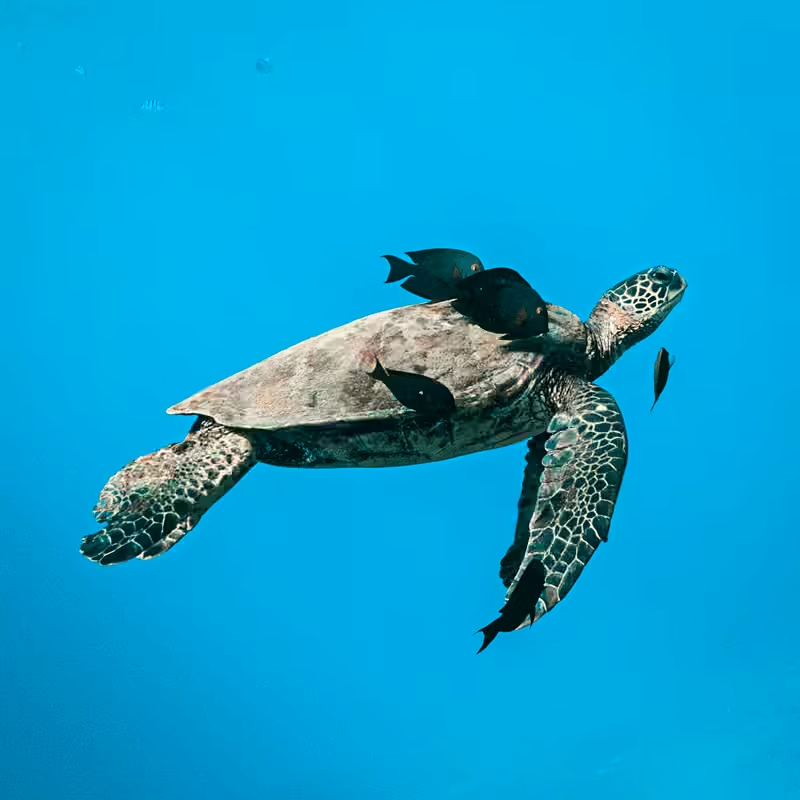
Tortuga marina verde hawaiana (Honu)
Fauna silvestre de Maui: un vistazo
Desde coloridos peces de arrecife hasta aves autóctonas, Maui ofrece mucho por descubrir. Compara estos animales y grupos de vida silvestre para planificar tus aventuras oceánicas, paradas en la costa y exploraciones terrestres.
Fauna
Dónde buscar
Cuándo mirar
Avistamientos
Consejo de visualización
Tortuga marina verde: Honu
Arrecifes costeros, bahías y playas donde descansan las tortugas.
Durante todo el año; las aguas tranquilas y cristalinas facilitan la observación subacuática.
Se observa con frecuencia en hábitats adecuados.
La NOAA recomienda una distancia mínima de 3 metros (10 pies). Deje despejada su trayectoria hacia el océano o la superficie.
Peces de arrecife tropical
Molokini, Turtle Town, Coral Gardens y otras zonas de arrecifes.
Condiciones tranquilas y despejadas, a menudo por la mañana.
Común en los arrecifes
Observa en silencio sin dar de comer a los peces ni tocar los corales.
Pulpo
Arrecifes rocosos, grietas y repisas de arrecife
Los pulpos diurnos están activos durante el día.
Fácil de pasar por alto
Busca movimiento y camuflaje. No metas la mano en los escondites ni intentes hacer ningún movimiento.
Rayos
Bordes de arrecifes, canales arenosos y aguas costeras
Impredecible; el agua clara facilita la visión.
Ocasional
Déjeles espacio para que pasen sin seguirlos ni bloquearles el paso.
Delfines
Aguas costeras y mar adentro, vistas desde barcos o la costa.
Impredecible; la actividad y la ubicación varían.
Ocasional
La NOAA recomienda una distancia mínima de 50 yardas. No persiga a los delfines ni entre al agua para nadar con ellos.
Foca monje de Hawái
Playas y aguas costeras
Durante todo el año, sin un horario de visualización fijo.
Encuentro inusual con un visitante
La NOAA recomienda una distancia mínima de 50 pies, o de 150 pies si la madre tiene crías. Manténgase detrás de las barreras.
Ballena jorobada
Aguas mar adentro, barcos de avistamiento de ballenas y miradores costeros.
Invierno, especialmente de enero a marzo.
Estacional
Traiga binoculares para observar la costa. Está prohibido acercarse a menos de 100 yardas en aguas hawaianas.
Nēnē: Ganso hawaiano
Haleakalā y otros hábitats adecuados de pastizales y matorrales
Luz del día, mientras se exploran las zonas abiertas para visitantes.
Depende de la ubicación
Fíjese en el cuello pálido y estriado. No les dé de comer y esté atento a las aves que se encuentren cerca de las carreteras.
aves marinas
Litorales, puertos, acantilados y aguas costeras
Luz diurna; la actividad varía según la especie.
Se ven con frecuencia a lo largo de la costa.
Utilice binoculares para observar aves a distancia sin acercarse a las zonas de anidación.
Aves de humedales
Refugio Nacional de Vida Silvestre de Keālia Pond
Durante el horario de acceso establecido; los visitantes migratorios añaden variedad estacionalmente.
Varían según el hábitat y la estación.
Busque cigüeñuelas hawaianas y fochas desde las zonas de observación designadas. Lleve binoculares.
Geckos
Muros de jardín, patios, áreas ajardinadas e iluminación exterior.
De día o de noche, dependiendo de la especie.
Común
Disfruta observando a estos pequeños cazadores de insectos sin atraparlos ni manipularlos.
Murciélago canoso hawaiano: ʻŌpeʻapeʻa
Volar por encima de los árboles y las zonas abiertas mientras caza insectos.
Alrededor del atardecer y después del anochecer.
Escurridizo y fácil de pasar por alto
Observa desde la distancia sin perturbar los árboles donde puedan anidar los murciélagos.
Mangostas
Arcén, parques, zonas de aparcamiento y praderas
Tiempo de día
Común en muchas zonas
Estos animales introducidos se alimentan de la fauna autóctona. No los alimente ni deje restos de comida.
Ciervo axis
Campos rurales, arcenes de carreteras y paisajes más áridos
A menudo, alrededor del amanecer y del atardecer.
Localmente común
Observa desde un lugar seguro, respeta la propiedad privada y conduce con precaución en condiciones de poca luz.
Nota: Considere esto como una guía de planificación, no como un calendario de avistamientos de fauna silvestre. Los avistamientos varían según el hábitat, la estación, las condiciones y el comportamiento de los animales. Respete los límites señalizados y dé a la fauna silvestre espacio adicional cuando sea necesario.
Vida marina de Maui
La fauna marina de Maui es uno de los principales motivos por los que los visitantes vienen a la isla. Sus bahías tranquilas, arrecifes saludables y migraciones estacionales hacen de Maui un lugar ideal para observar la vida marina desde la costa, practicando esnórquel o en una excursión en barco.
Algunos animales, como los peces de arrecife y las tortugas marinas, se avistan a diario. Otros, como las rayas, los delfines, las focas monje y las ballenas jorobadas, dependen más del momento, la ubicación, la estación del año y las condiciones del océano.
Los buceadores pacientes también pueden avistar animales de arrecife menos obvios, como pulpos, morenas, peces erizo, erizos de mar y un Langosta espinosa hawaiana en Maui resguardándose bajo una cornisa de arrecife.
Los tiburones ballena se encuentran entre los avistamientos de vida marina más raros de Maui. Estos enormes peces pasan ocasionalmente por aguas hawaianas, pero Avistamientos de tiburones ballena en Maui Son impredecibles y no deben esperarse durante una excursión típica de snorkel.
Tortuga marina verde hawaiana: Honu
Las tortugas marinas Honu son uno de los avistamientos de fauna marina más emblemáticos de Maui. Estas tortugas, protegidas como especie, suelen verse deslizándose sobre arrecifes poco profundos o saliendo a la superficie para respirar. Si ves una mientras practicas snorkel, quédate quieto, dale espacio y nunca la toques ni le bloquees el paso.
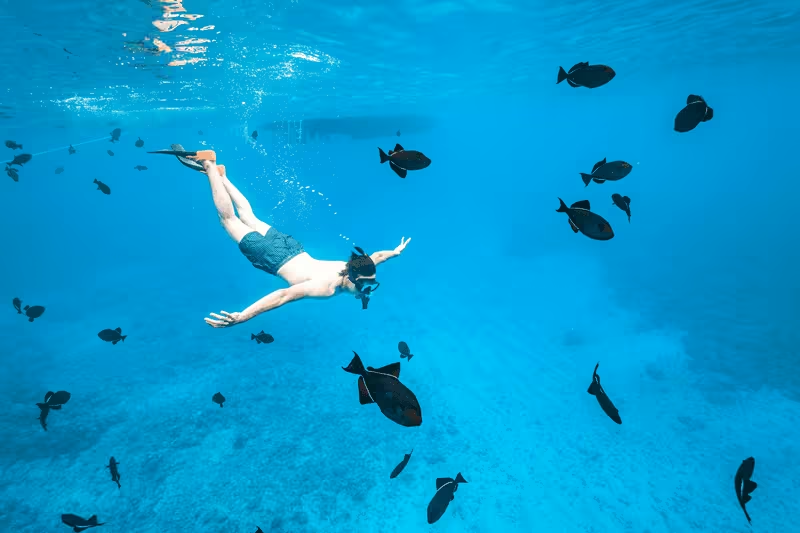
Los peces de arrecife tropicales son la fauna marina más común que verás al bucear en Maui. Busca cerca de los corales, las rocas volcánicas y los bordes de los arrecifes para observar peces coloridos que se mueven por el agua. No alimentes a los peces, no toques los corales ni te pares sobre el arrecife.
Un habitante del arrecife que pasa fácilmente desapercibido es el pez erizo de Maui, que a menudo descansa bajo repisas o dentro de agujeros sombreados en los arrecifes durante el día. Los peces erizo son parientes cercanos de los verdaderos peces globo, pero pertenecen a una familia diferente. Nuestros Guía para ver peces globo en Maui Explica cómo identificar el pez globo de Guinea, el pez globo de manchas blancas y el pez globo hawaiano de manchas blancas.
También podrá avistar al emperador de ojos grandes, conocido en hawaiano como mū. Su ojo inusualmente grande, su cuerpo de color plateado intenso y sus marcas cambiantes pueden ayudar a distinguirlo de otros peces de arrecife. Vea nuestra Guía del emperador de ojos grandes en Maui para obtener consejos de identificación, información sobre el comportamiento, el hábitat y la práctica de esnórquel.
Para conocer aún más especies que observar, utilice nuestra Guía de identificación de peces de Maui para aprender sobre los coloridos peces de arrecife que puedes ver mientras practicas esnórquel alrededor de la isla.
Pulpo: Maestros del camuflaje
La fauna de los arrecifes de Maui no siempre es fácil de avistar. El pulpo diurno, llamado heʻe en hawaiano, puede cambiar de color y textura de piel para mimetizarse con su entorno. Lo que parece un simple trozo de arrecife puede revelar de repente un ojo o un brazo en movimiento.
Rayos
Las rayas águila y las mantarrayas son avistamientos especiales que ocurren en el lugar y momento adecuados. Suelen verse cerca de canales arenosos, en los bordes de arrecifes más profundos o en aguas mar adentro. Si ves una raya, mantén la calma y deja que pase naturalmente.
Delfines
Los delfines habitan en los alrededores de Maui, pero la mayoría de los avistamientos se realizan desde embarcaciones, no desde la costa. Son una especie protegida, así que nunca los persigas, rodees ni nades hacia ellos. Observarlos de forma responsable significa mantener la distancia y dejar que se muevan con naturalidad.
Las focas monje hawaianas son mamíferos marinos raros y protegidos. En Maui, lo más común es verlas descansando tranquilamente en las playas. Si ve una, mantenga una distancia prudencial, aleje a los perros y permanezca fuera de las zonas señalizadas o acordonadas. Descansar en la playa es un comportamiento normal para las focas monje. No intente despertarlas ni devolverlas al mar.
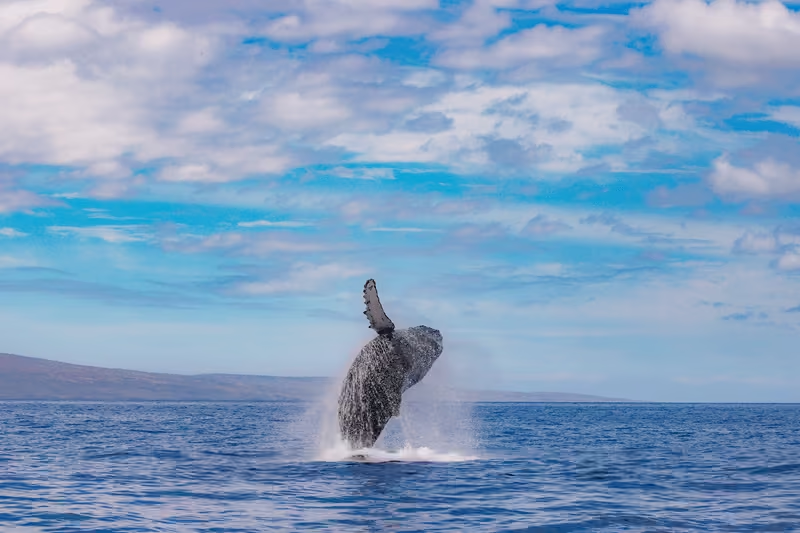
Las ballenas jorobadas migran a aguas hawaianas cada invierno para reproducirse y dar a luz. Maui es uno de los mejores lugares del mundo para observarlas, especialmente de enero a marzo. Podrás verlas soplar, saltar, golpear el agua con la cola o agitar sus aletas desde la costa o desde un barco de avistamiento de ballenas.
La fauna terrestre de Maui es más tranquila que la marina, pero aun así es divertido observarla mientras se exploran las zonas rurales, los parques, las playas, los complejos turísticos y las áreas naturales abiertas. Algunos animales, como el nēnē, son nativos y están protegidos, mientras que otros, como el ciervo axis y las mangostas, fueron introducidos y ahora se ven con frecuencia en toda la isla.
Nēnē: Ganso hawaiano
El nēnē es el ave estatal de Hawái y uno de los avistamientos de fauna silvestre más significativos de Maui. Es endémico de Hawái, lo que significa que no se encuentra de forma natural en ningún otro lugar. Fíjese en su cabeza negra y su cuello pálido y profundamente surcado, características que lo distinguen de los gansos canadienses. Es posible verlos pastando en zonas abiertas de hierba, especialmente en las zonas montañosas y de mayor altitud. Déjeles espacio, nunca los alimente y conduzca con precaución si se encuentran cerca de la carretera.
Ciervo axis
Los ciervos axis son comunes en algunas zonas rurales y secas de Maui. Su pelaje moteado los hace fácilmente reconocibles, pero no son nativos de Hawái. Su pastoreo y pisoteo pueden dañar la vegetación autóctona, por lo que también representan una importante preocupación para la conservación. Son hermosos de ver desde la distancia, pero también pueden ser un peligro al conducir, especialmente al amanecer y al atardecer. Reduzca la velocidad en áreas abiertas y esté atento a los ciervos cerca de los arcenes.
Mangostas
Las mangostas son animales pequeños y veloces que a menudo se ven corriendo por estacionamientos, a los lados de las carreteras, en parques y áreas ajardinadas. Introducidas en Hawái para el control de ratas, las mangostas también se alimentan de aves nativas y sus huevos. Son parte del paisaje cotidiano en algunas zonas, pero su presencia representa un desafío para la fauna silvestre autóctona.
Geckos y lagartijas pequeñas
Los geckos son algunos de los animales terrestres más fáciles de avistar en Maui. Búscalos en paredes cálidas, patios, bordes de jardines y cerca de luces exteriores por la noche. Son inofensivos y un avistamiento divertido de la vida silvestre para niños y adultos.
Murciélago canoso hawaiano: ʻŌpeʻapeʻa
Uno de los animales más inadvertidos de Maui sale al atardecer. El murciélago canoso hawaiano, o ʻōpeʻapeʻa, es el único mamífero terrestre nativo de Hawái. Pasa el día posado en los árboles y sale a cazar insectos voladores al anochecer.
Aves de Maui
Maui también es un lugar ideal para observar aves, incluso si no eres un ornitólogo. A lo largo de la costa, busca aves marinas que planean sobre acantilados, puertos y mar abierto. En las zonas boscosas y del interior, reduce la velocidad, escucha atentamente y lleva binoculares para una mejor observación.
Para obtener consejos de identificación y lugares donde buscar, explore nuestra Guía de aves de Maui, que abarca aves forestales autóctonas, especies de humedales, aves marinas, visitantes estacionales y aves introducidas comunes.
Los mejores consejos para la observación de aves
Utilice binoculares para observar aves marinas, nēnē y fauna silvestre a distancia.
Ve más temprano, cuando las aves estén más activas.
Manténgase en los senderos y evite las zonas de anidación.
No alimente a los pájaros ni se acerque a ellos para tomarles fotos.
También puede notar Gallinas salvajes en Maui Se pueden encontrar en parques de playa, complejos turísticos, estacionamientos y zonas al borde de las carreteras. La mayoría son gallinas salvajes, así que disfrútelas desde la distancia y no las alimente, persiga, toque ni traslade.
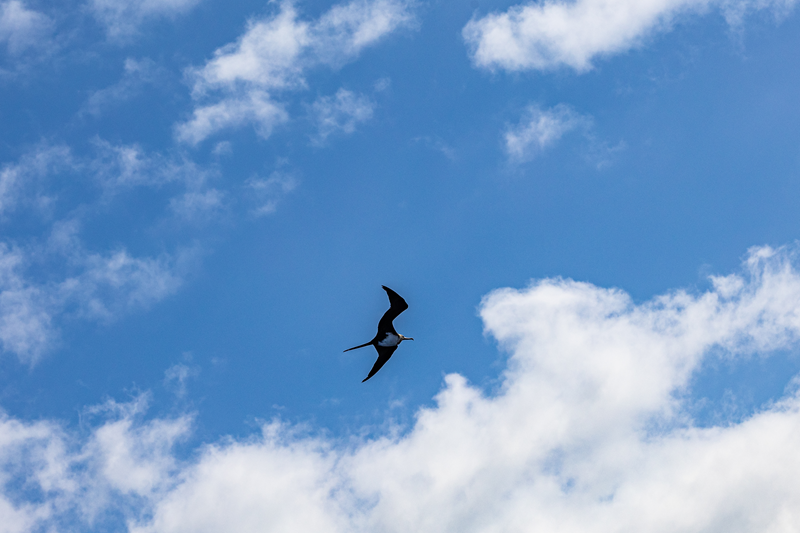
Gran fragata
¿Cuánto espacio se debe dejar a la fauna silvestre de Maui?
Una pequeña distancia facilita la observación de la vida silvestre para todos. La NOAA recomienda mantenerse al menos a:
Tortugas marinas A 10 pies de distancia.
Focas monje hawaianas: A 50 pies de distancia, o a 150 pies de las madres con cachorros.
Delfines y ballenas pequeñas: A 50 yardas de distancia.
Los mejores lugares para ver fauna salvaje en Maui
Si quieres planificar las mejores visitas a los lugares donde observar la fauna de Maui, ten en cuenta el hábitat y las condiciones. Los arrecifes tranquilos suelen ofrecer una mayor variedad de vida marina, mientras que las zonas rurales, los bosques y los espacios abiertos son mejores para las aves y los animales terrestres.
Consejo profesional: Lleva prismáticos para observar aves y ballenas, y gafas de sol polarizadas para avistar tortugas y la estructura de los arrecifes desde la orilla.
Sur de Maui: Wailea y Kihei
El sur de Maui es una de las zonas más recomendables para practicar snorkel en arrecifes poco profundos, observar peces de arrecife y avistar tortugas. Las mañanas tranquilas suelen ofrecer la mejor visibilidad y las condiciones más agradables.
Mejor para: Buceo con esnórquel en el arrecife, tortugas y peces tropicales
Mejor momento del día: Buenos días
Qué es útil traer: Protector solar mineral, ropa con protección solar, agua y equipo de snorkel que ajuste correctamente.
Oeste de Maui: Kāʻanapali y Kapalua
El oeste de Maui ofrece excelentes oportunidades para practicar snorkel desde la orilla y cuenta con pintorescas zonas costeras donde los visitantes pueden avistar tortugas, peces de arrecife y, en temporada, ballenas. Las condiciones pueden cambiar rápidamente, así que siempre consulte el estado del mar antes de entrar.
Mejor para: Esnórquel desde la costa, tortugas, avistamiento de arrecifes y avistamiento de ballenas en invierno.
Mejor momento del día: Por la mañana, cuando el agua suele estar más tranquila.
Qué es útil traer: Equipo de snorkel adecuado, agua, protección solar y un plan B en tierra.
Maui central: Maʻalaea
Maʻalaea es un importante puerto para excursiones de snorkel y avistamiento de ballenas. Es un excelente punto de partida para observar fauna marina desde embarcaciones, especialmente delfines y ballenas jorobadas durante la temporada.
Mejor para: Salidas de embarcaciones y fauna marina
Mejor momento del día: Las salidas matutinas suelen tener condiciones más tranquilas.
Qué es útil traer: Una chaqueta ligera y medicamentos para prevenir el mareo si es necesario.
Estanque Keālia: Aves de humedal sin necesidad de ir en barco.
Para descubrir una faceta diferente de la fauna de Maui, visite el Refugio Nacional de Vida Silvestre de Keālia Pond. Sus humedales albergan cigüeñuelas hawaianas, llamadas aeʻo, y fochas hawaianas, llamadas ʻalae keʻokeʻo, además de aves migratorias estacionales.
Lleva binoculares y tómate tu tiempo para observar el agua y la costa. El paseo marítimo y el área de visitantes del refugio tienen horarios de acceso diferentes, así que consulta la información oficial para visitantes antes de decidir adónde ir.
Área de Upcountry y Haleakalā
La zona rural es uno de los mejores lugares para observar el nēnē, aves y fauna silvestre propia de climas más fríos. El paisaje es hermoso y la mayor altitud ofrece a los visitantes una experiencia de observación de la vida silvestre muy diferente a la de las zonas costeras.
Mejor para: Nēnē, aves, recorridos panorámicos y un clima más fresco.
Mejor momento del día: Por la mañana o a última hora de la tarde.
Qué es útil traer: Prismáticos, agua y ropa de abrigo si vas a visitar la cima de Haleakalā.
Costa Norte
La costa norte de Maui ofrece la posibilidad de observar la fauna sin necesidad de meterse en el agua. En el Parque de la Playa Hoʻokipa, las tortugas marinas a veces salen a tierra para descansar en una zona de playa protegida. Obsérvelas desde fuera de los límites marcados y deje despejada su ruta entre la playa y el océano.
También se pueden observar aves marinas a lo largo de la costa y avistar ballenas jorobadas mar adentro durante el invierno.
Mejor para: Observación de tortugas desde la costa, aves marinas y avistamiento de ballenas en temporada.
Mejor época para visitar: Durante el día y dentro del horario establecido por el parque, los avistamientos varían.
Qué es útil traer: Prismáticos, protección solar y una cámara con zoom.
Este de Maui y Hāna
El exuberante paisaje del este de Maui alberga una flora y avifauna diferentes a las del árido lado de sotavento de la isla. La carretera a Hāna forma parte de la experiencia, pero los visitantes deben usar los apartaderos con precaución y respetar la propiedad privada y las comunidades locales.
Mejor para: Hábitat exuberante, aves, observación de fauna silvestre en un entorno pintoresco y vegetación.
Mejor momento del día: Más temprano en el día para una conducción más segura y menos aglomeraciones.
Qué es útil traer: Chaqueta impermeable, refrigerios, agua y paciencia.
Preguntas Frecuentes
La fauna de Maui incluye tortugas marinas verdes hawaianas, peces de arrecife tropicales, rayas, delfines, focas monje hawaianas, ballenas jorobadas en invierno, nēnē, aves marinas, geckos, mangostas y ciervos axis. Algunos animales son fáciles de avistar, mientras que otros dependen de la estación, la ubicación y las condiciones.
Las tortugas marinas se ven a menudo en zonas tranquilas de arrecifes, bahías poco profundas y lugares con un hábitat marino saludable. El sur y el oeste de Maui son zonas populares para el avistamiento de tortugas, y Turtle Town, Maui Es una de las zonas de tortugas más conocidas.
La mejor época para avistar ballenas jorobadas en Maui es durante el invierno, con el mayor número de avistamientos entre enero y marzo. Si bien es posible verlas desde la costa, las excursiones en barco para avistar ballenas suelen ofrecer una mejor experiencia.
No planees nadar con delfines salvajes en Maui. Las normas federales prohíben nadar con delfines giradores hawaianos, acercarse a ellos o permanecer a menos de 45 metros de ellos en aguas protegidas de Hawái. Disfruta de los avistamientos desde la distancia y nunca persigas, rodees, alimentes ni toques a los delfines.
No. Las focas monje hawaianas son mamíferos marinos raros y protegidos. Si ve una descansando en la playa, mantenga una distancia prudencial, aleje a los perros y permanezca fuera de las zonas señalizadas o acordonadas.
Entre los animales terrestres comunes en Maui se encuentran el nēnē, los geckos, las mangostas, el ciervo axis y muchos tipos de aves. El nēnē es nativo y está protegido, mientras que animales como las mangostas y el ciervo axis fueron introducidos en Hawái.
La mejor manera de observar la fauna de Maui de forma responsable es mantener la distancia, nunca alimentar a los animales, evitar tocar la vida marina, no pisar los corales y seguir las señales. Si un animal cambia su comportamiento por tu presencia, estás demasiado cerca.
¿Listo para explorar el mundo submarino de Maui?
Descubre el entorno marino de Maui a bordo del Lani Kai II. Te proporcionaremos el equipo de snorkel, la comida y la amable asistencia de nuestra tripulación para que puedas concentrarte en la aventura.
Las excursiones parten del puerto de Maʻalaea. Las rutas, los lugares para practicar snorkel y los avistamientos de vida marina varían según las condiciones del océano.
Conclusión: Experimente la vida silvestre de Maui
Algunos momentos con la vida silvestre de Maui son espectaculares, como una ballena jorobada saltando fuera del agua en alta mar. Otros son tan sutiles que pasan desapercibidos, como un gecko en el muro de un jardín o un pulpo camuflado en el arrecife. Reserva tiempo en tus planes para disfrutar de ambos. Ya sea que estés explorando un humedal, caminando por la costa o practicando snorkel sobre un arrecife, la diversión reside en descubrir lo que aparece de forma natural.
Fuentes y actualizaciones
¿Planeas observar la fauna silvestre? Utiliza estos recursos oficiales para aprender sobre los animales de Maui, consultar información para visitantes y revisar las recomendaciones para la observación de la fauna y las condiciones del océano antes de tu viaje.