Written by Maui Snorkeling, operating tours to Molokini Crater, Turtle Town, and Coral Gardens from Māʻalaea Harbor since 1985. Tours are led by USCG-licensed captains aboard a USCG-inspected passenger vessel.
Last updated July 29, 2026
Quick answer
Lokelani is Maui’s official flower and is often known as the heavenly rose. This fragrant pink rose is loved for its soft color, sweet scent, and connection to Maui’s island identity. While it isn’t native to Hawaiʻi, Lokelani has become one of Maui’s most meaningful floral symbols.
Main takeaways:
Official flower: Lokelani is the official flower of Maui
Meaning: Lokelani is often translated as heavenly rose
Color: The flower is known for its soft pink color, which is also tied to Maui’s island color
Plant type: Lokelani is an introduced rose, not a native Hawaiian plant
Why it matters: Lokelani represents Maui’s beauty, fragrance, and welcoming spirit
Maui is known for lush landscapes, colorful gardens, and flowers that help tell the story of each Hawaiian island. The Lokelani flower, also called the Lokelani rose, is Maui’s official flower. This fragrant pink rose is loved for its soft beauty, sweet scent, and deep connection to Maui’s island identity.
Lokelani isn’t just a pretty flower. It’s a symbol of love, grace, and the welcoming spirit visitors often feel when they come to Maui. In this guide, we’ll look at what Lokelani means, how it became Maui’s official flower, and why it’s still one of the island’s most cherished floral emblems.
For more island flower inspiration, see our full guide to flowers in Maui.
What Is Lokelani?
Lokelani is the official flower of Maui and is commonly known as the Damask rose or Maui rose. Its soft pink petals and sweet fragrance make it one of the most recognizable flowers tied to the island. While many people think of tropical plants when they picture Hawaii, Lokelani stands out because it’s a rose with a special place in Maui’s story.
The flower is often linked to beauty, romance, and affection. You may see Lokelani referenced in lei, local artwork, floral displays, gardens, and stories about Maui’s island symbols.
What Does Lokelani Mean In Hawaiian?
Lokelani is often translated as heavenly rose. The name fits the flower well because of its classic rose shape, gentle pink color, and strong fragrance. For many people, Lokelani captures the softer side of Maui’s natural beauty.
The word also helps visitors understand why the flower is more than a decoration. This fragrant rose carries meaning, memory, and a sense of place. It’s one of the symbols that connects Maui’s landscapes, culture, and spirit of aloha.
Lokelani Quick Facts
Here’s a simple look at Lokelani, Maui’s official flower and one of the island’s most beloved symbols.
Topic
Details
Hawaiian name
Lokelani
Meaning
Often translated as heavenly rose
Official symbol
Maui’s official flower
Common name
Damask rose or Maui rose
Scientific name
Rosa damascena, though older references may vary
Color
Soft pink, which is also associated with Maui’s island color
Native to Hawaiʻi?
No. Lokelani is an introduced rose that became closely tied to Maui over time
Fragrance
Known for a sweet, classic rose scent
Cultural meaning
Represents Maui’s beauty, warmth, romance, and welcoming spirit
Where visitors may see it
Gardens, landscaped areas, floral displays, lei, and cultural events on Maui
Visitor tip
Enjoy Lokelani with care. Don’t pick flowers from public gardens, private property, or protected areas.
Note: Lokelani is loved as Maui’s official flower, but it isn’t a native Hawaiian plant. It’s best understood as a cultural symbol of Maui rather than a native conservation species.
How Lokelani Became Maui’s Official Flower
Lokelani is widely associated with the Damask rose, known botanically as Rosa damascena. This rose has a long history outside Hawaii and is known worldwide for its fragrance. Over time, it became closely tied to Maui and was recognized as the island’s official flower.
Today, the rose is one of the main floral symbols representing Maui. Just as each major Hawaiian island has its own flower and color, Maui is represented by a fragrant pink rose. This makes it an important part of the island’s visual identity and cultural storytelling.
Is Lokelani Native To Maui?
Lokelani is not native to Maui. It’s an introduced rose that became meaningful to the island over time. That distinction is important for visitors because not every official island flower is a native Hawaiian plant.
Instead of thinking of this rose as a native conservation species, it’s best to understand it as a cultural symbol of Maui. Its importance stems from how people have connected it with the island’s beauty, warmth, and sense of welcome.
What Lokelani Symbolizes On Maui
This pink rose symbolizes love, grace, beauty, and appreciation. Its color is often connected with Maui’s island color, and its fragrance adds to its reputation as a flower of romance and affection.
For residents and visitors, Maui’s official flower represents the gentle, welcoming feeling the island is known for. It’s a reminder that Maui’s beauty isn’t only found in beaches, mountains, and ocean views. It’s also found in small details, like a fragrant pink rose blooming in a garden or woven into a lei.
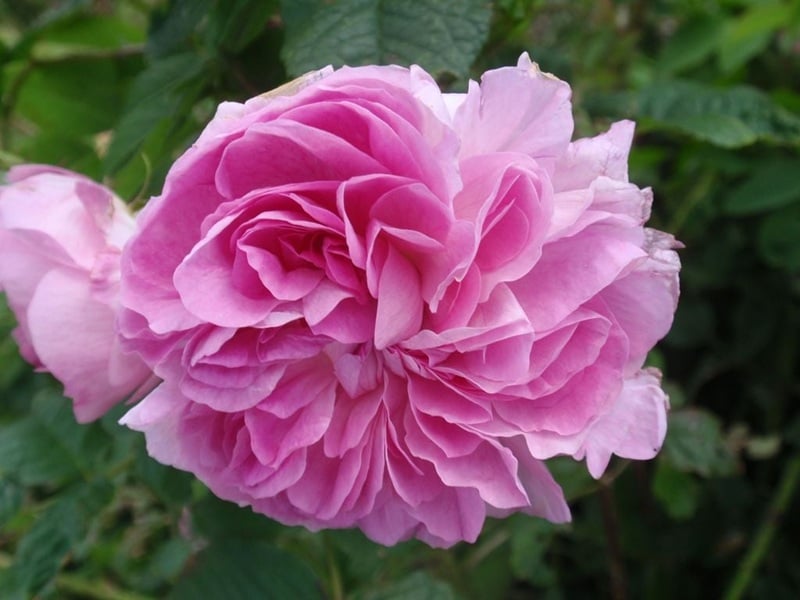
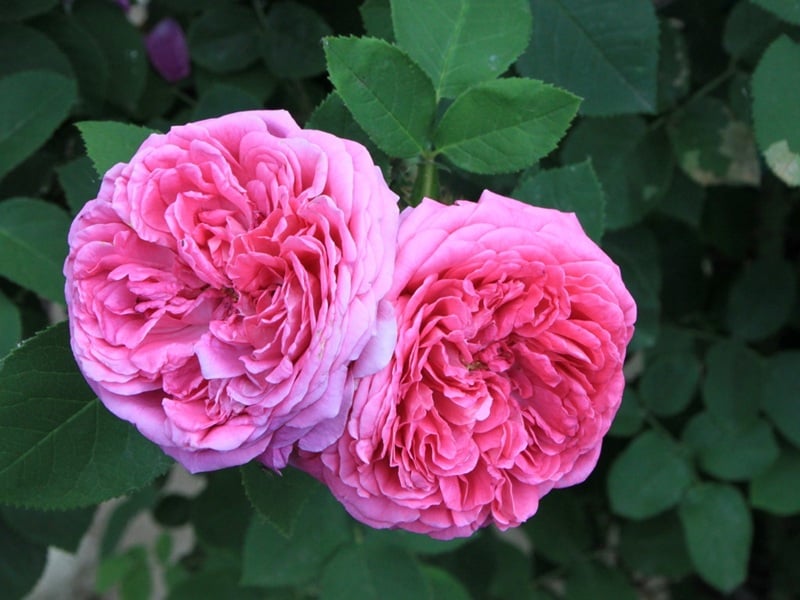
Maui’s official flower is known for its soft pink color, layered petals, and sweet rose fragrance. Its classic rose shape makes it different from many tropical flowers visitors may expect to see in Hawaii, but that’s part of what makes this island symbol so memorable.
Appearance
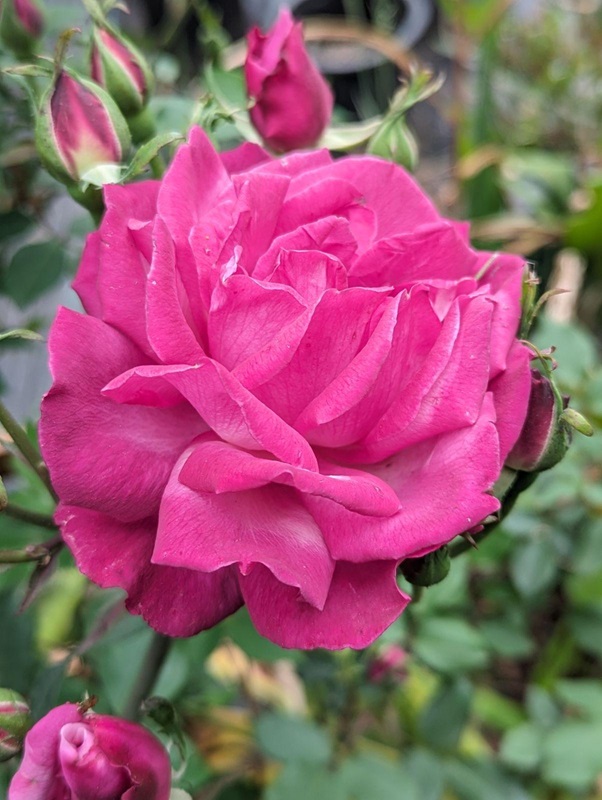
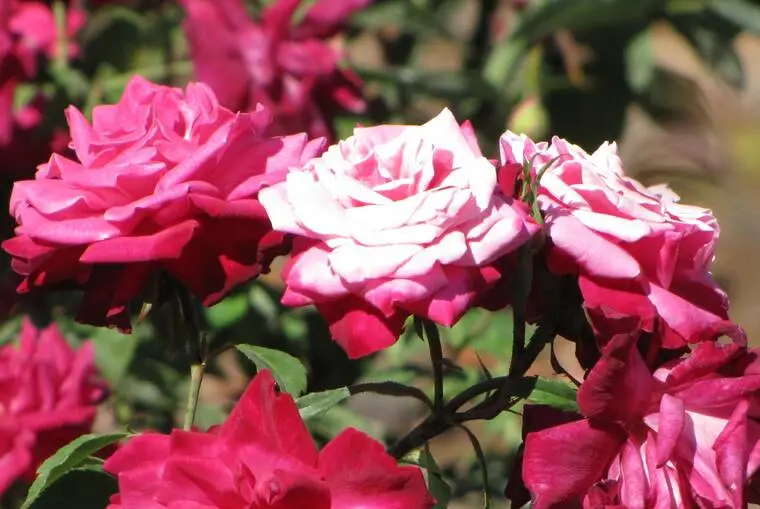
These roses often have full, layered blooms with many petals. Their pink color stands out against green leaves and garden landscapes, which is one reason the flower is so closely connected with Maui’s island color.
Fragrance
The rose is loved for its sweet, classic scent. The fragrance is one of the main reasons people remember this flower. It’s also why fragrant roses have long been valued in perfumes, oils, floral displays, and garden spaces.
How it Grows
Lokelani grows as a rose shrub and does best in warm conditions with plenty of sunlight. While it isn’t native to Hawaii, it can thrive in Maui’s climate with well-drained soil, consistent care, and enough room to grow.
How To Care For Lokelani Roses In Warm Climates
Growing these roses can be rewarding, especially in warm places like Maui. Like many rose varieties, they need sunlight, healthy soil, regular watering, and pruning to support strong growth and repeat blooms.
Sunlight And Soil
These roses do best in full sun. Choose a spot that gets several hours of direct sunlight each day and has well-drained soil. Good drainage helps protect the roots and keeps the plant healthier over time.
Watering
Water the plant regularly, especially during dry periods. Deep watering is usually better than light surface watering because it helps the roots grow stronger. Don’t let the soil stay soggy, since roses don’t like sitting in water.
Pruning
Prune the rose to remove dead or weak growth and help the plant keep its shape. Pruning can also encourage new growth and support a healthier bloom cycle.
Fertilizer
A rose-friendly fertilizer can help the plant produce healthy leaves and better blooms. Follow the fertilizer directions carefully, since too much fertilizer can stress the plant rather than help it.
Can Lokelani Grow Outside Hawaii?
These roses may be harder to grow in cooler or drier climates, but they can sometimes do well in containers, greenhouses, or protected garden spaces. If you don’t live in a warm climate, container growing may give you more control over sunlight, water, and temperature.
How Lokelani Is Used In Lei, Art, And Celebrations
Maui’s official flower is closely tied to the island’s sense of beauty, welcome, and pride. Because of its soft pink color and sweet fragrance, this rose is often associated with love, appreciation, and the warm spirit of aloha.
Lei And Floral Displays
These roses may be used in lei, floral arrangements, and special displays when available. Their fragrance makes them especially memorable, while their pink hue connects them to Maui’s official island color.
For visitors, seeing this flower in a garden, lei, or local floral display can be a simple way to understand how flowers help tell the story of each Hawaiian island.
Hawaiian Art And Storytelling
The rose also appears in local art, music, poetry, and cultural storytelling. Artists may use the flower to represent Maui, romance, beauty, or a deep connection to place.
Like many flowers in Hawaii, Lokelani is more than decoration. It can carry meaning, memory, and emotion. That’s why it continues to appear in creative work inspired by Maui’s landscapes and spirit.
How Lokelani Is Used Today
Today, the rose is still valued for its beauty, fragrance, and connection to Maui. While it’s best known as Maui’s official flower, it also appears in gardens, floral gifts, local products, and island-inspired designs.
Perfumes And Fragrant Products
Because Lokelani is associated with a sweet rose scent, it’s often connected with perfumes, oils, soaps, candles, and other fragrance-based products. Rose scents are popular because they feel classic, romantic, and calming.
Skincare And Rosewater
Rosewater and rose extracts are sometimes used in skincare products for their light scent and refreshing feel. If you see Lokelani-inspired skincare in Hawaii, the flower is usually used as a symbol of softness, beauty, and island-style self-care.
Food And Drink Inspiration
Rose flavors can appear in teas, desserts, syrups, honey, and other specialty foods. However, visitors shouldn’t eat Lokelani petals from gardens or public spaces. Only use flowers that are clearly labeled as edible and grown without unsafe sprays or chemicals.
Souvenirs And Maui-Inspired Gifts
The flower is also a popular theme for Maui gifts, artwork, jewelry, prints, and home décor. Since it represents Maui, it’s a natural choice for visitors who want a keepsake that feels connected to the island.
Lokelani is best understood as a cultural symbol of Maui, not a native Hawaiian conservation plant. Since it isn’t native to Hawaiʻi, it shouldn’t be confused with endemic plants that need special protection in Maui’s forests, drylands, and coastal areas.
That distinction matters. Maui’s native plants and habitats are part of what makes the island so unique, and many conservation efforts focus on protecting species found only in Hawaiʻi.
Lokelani’s value comes from its beauty, fragrance, and meaning as Maui’s official flower. Visitors can appreciate Lokelani while still helping protect Maui’s natural places. Stay on marked paths, don’t pick flowers from public gardens or private property, and support local gardens that teach visitors about native Hawaiian plants, island flowers, and responsible land care.
Where To See Lokelani On Maui
If you’re visiting Maui and want to see the Lokelani rose, look for it in gardens, landscaped areas, floral displays, lei, and local events. Because flowers bloom in cycles, sightings aren’t guaranteed, but these places are a good starting point.
Botanical Gardens
Botanical gardens are a great place to learn about Maui flowers, island plants, and tropical landscapes. Places like Kula Botanical Garden and Garden of Eden may include roses or other colorful flowering plants in their collections. Before you go, check current hours, admission details, and what’s blooming.
Resorts And Landscaped Areas
Some Maui resorts, spas, and landscaped properties use fragrant flowers in gardens, floral arrangements, and guest spaces. Lokelani-inspired flowers may appear in décor, spa settings, or special displays, especially because the rose is tied to Maui’s soft pink island color.
Lei, Floral Displays, And Local Events
Lokelani may also appear in lei, cultural displays, flower arrangements, and community events. If you’re interested in Hawaiian island flowers, local fairs, festivals, and garden events can be a good way to see how flowers are used to celebrate place, beauty, and aloha.
How To Enjoy Lokelani Respectfully
This flower is a meaningful part of Maui’s identity, so it’s best to enjoy it with care. Take photos, admire the fragrance when appropriate, and learn the story behind the rose, but don’t pick blooms from gardens, parks, resorts, or private property.
If you’re shopping for a Lokelani-inspired lei, gift, oil, or keepsake, look for local businesses that share clear product details. This helps you choose something connected to Maui while supporting the people who care for the island’s culture and natural beauty.
FAQs
Lokelani is Maui’s official flower. It’s a fragrant pink rose often called the heavenly rose, and it’s one of the most recognized floral symbols connected to the island of Maui.
Lokelani is often translated as heavenly rose. The name fits the flower’s soft pink color, sweet fragrance, and meaningful connection to Maui’s beauty and welcoming spirit.
No, Lokelani isn’t native to Maui or Hawaiʻi. It’s an introduced rose that became an important cultural symbol of Maui over time.
Lokelani became Maui’s official flower because of its strong connection to the island’s identity. Its pink color, sweet scent, and graceful look make it a fitting symbol of Maui’s beauty, warmth, and aloha.
Visitors may see Lokelani in gardens, landscaped areas, floral displays, lei, and local events. Blooming can vary, so it’s always a good idea to check with gardens or venues before visiting.
No, visitors shouldn’t pick Lokelani flowers from gardens, resorts, parks, or private property. It’s best to enjoy the flower by taking photos, learning its story, and respecting the places where it grows.
Final Thoughts
The Lokelani flower is a fragrant pink rose that represents beauty, love, grace, and the island's welcoming spirit. Even though the rose isn’t native to Hawaiʻi, it has become one of Maui’s most recognizable floral symbols.
For visitors, this flower is a simple reminder to slow down and notice the small details that make Maui special. You’ll find the island’s beauty in ocean views, green mountains, quiet gardens, fragrant flowers, and the spirit of aloha that connects them all.
Sources & Updates
Use these trusted resources to confirm Lokelani’s official flower status, botanical background, Maui island flower details, garden visitor information, and cover photo source.