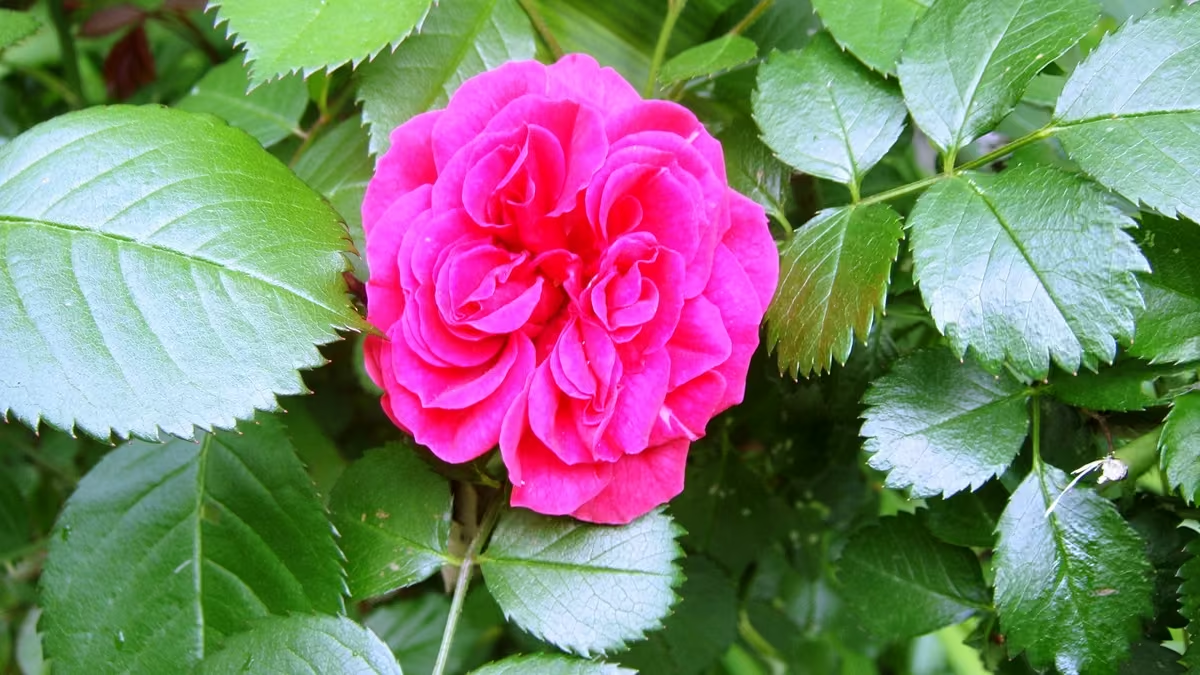
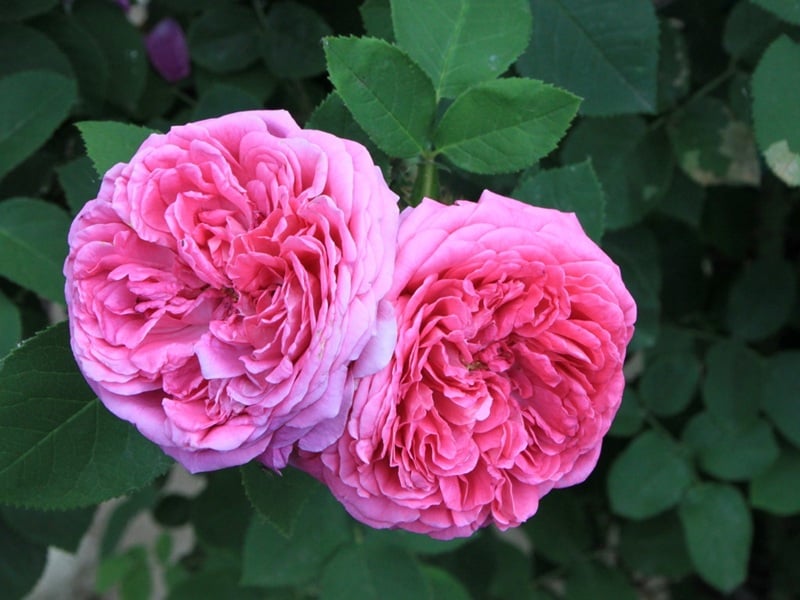
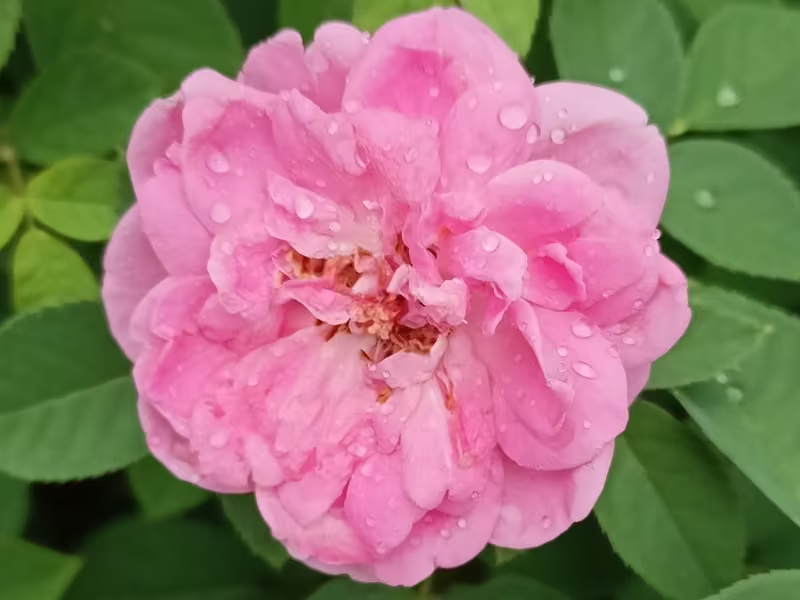
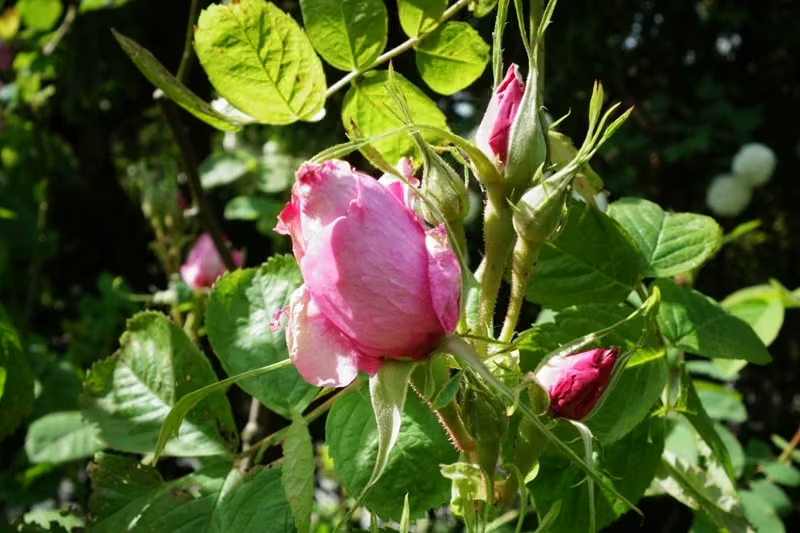
The Lokelani flower is Maui’s official island flower: a fragrant pink rose commonly called the 天上のバラ. Hawaiʻi law identifies it as the damask rose. It’s an introduced plant rather than a native Hawaiian species, and its connection to Maui is reflected in the island’s official pink color.
主な要点:
Maui’s flower: Lokelani is the island’s official floral emblem.
Name meaning: Lokelani is commonly translated as heavenly rose.
Plant background: It’s an introduced rose, not a native Hawaiian plant.
識別: Pink petals alone don’t establish that a rose is Lokelani.
Seeing it: Ask a garden or grower about an identified specimen before planning a visit specifically for Lokelani.
Visitor etiquette: Photograph flowers where permitted and leave blooms on the plant.
ザ ロケラニの花 gives Maui an unusual floral emblem: a pink rose. While many visitors associate Hawaiʻi with hibiscus and plumeria, Lokelani has its own place in the island’s history.
This guide explains the name, official designation, and botanical questions surrounding Maui’s rose, along with what to know before looking for one in a garden. For a broader introduction to the island’s blooms, explore our flowers in Maui guide.
ロケラニとは何ですか?
Lokelani is the fragrant pink rose designated as Maui’s official flower. Hawaiʻi’s statute calls it the damask rose, using the botanical name ダマスクローズ. Modern horticultural references commonly write the damask rose as Rosa × damascena.
The name has also been applied to roses whose precise identity is less certain. That means a pink garden rose or nursery label doesn’t, by itself, establish a connection to the historic Maui flower.
Compare the name, official status, and identifying details of Maui’s floral emblem.
トピック
詳細
ハワイ語の名前
ロケラニ
Common translation
Heavenly rose
Official status
マウイ島の公式の花
Botanical reference
The statute names ダマスクローズ; modern horticultural references commonly use Rosa × damascena.
Flower color
Pink, also Maui’s official island color
ハワイ出身ですか?
No. Lokelani is an introduced rose.
Appearance and scent
Pink petals and a pronounced rose fragrance; appearance varies among roses sold or described as Lokelani.
視聴のヒント
Ask about an identified plant and current blooms before making a special trip.
Visitor etiquette
Follow garden rules, stay out of private planting areas, and leave flowers on the plant.
注意 Lokelani’s official status is clear, but identifying the historic rose is more complicated. A pink bloom alone doesn’t confirm the plant’s identity.
ロケラニがマウイの公式の花になった経緯
Maui’s association with Lokelani predates the current state statute. Maui Nui Botanical Gardens documents its inclusion among island emblems in a 1923 territorial resolution.
In 2000, Act 165 formally added the individual island flowers to Hawaiʻi law. Lokelani was named for Maui, and pink was designated as the island’s official color.
The historical rose’s precise identity remains uncertain. Botanical accounts have considered a damask rose, a China rose, or a hybrid, so the official designation doesn’t establish which surviving garden plants represent the historic Lokelani.
Lokelani is grown as a rose shrub. Its mature size, flowering pattern, and care needs depend on the specific plant. Ask the nursery for its botanical or cultivar name rather than relying on Lokelani alone.
Growing Lokelani Roses
Start by identifying the rose you’re buying. Plants sold under the same common name may differ in size, flowering season, and climate suitability.
For damask roses, general growing needs include a sunny spot, fertile, well-drained soil, and enough space for the shrub to develop. Water based on the soil and weather rather than a fixed daily schedule.
Pruning depends on the rose’s flowering habit. Some old garden roses flower mainly once a year, so don’t assume repeated pruning will produce continuous blooms.
Lokelani isn’t limited to tropical climates. Choose a plant suited to your location and follow guidance for that cultivar. In Hawaiʻi, the University of Hawaiʻi Master Gardener program can help with local growing questions.
ロケラニはハワイ以外でも栽培できるのでしょうか?
Yes. Damask roses can grow outside Hawaiʻi, including in climates with cold winters. Suitability depends on the particular rose and your local growing conditions. Ask the nursery for its botanical or cultivar name, then check its hardiness, sunlight, soil, and watering requirements.
Lokelani’s clearest connection to Maui is its role as the island’s official flower. The pink rose can serve as a visual reference to Maui in artwork, gifts, and floral designs.
Be careful with claims about lei. Maui Nui Botanical Gardens notes that some damask-type roses growing on Maui drop their petals quickly after picking, making them unsuitable for lei. A rose lei isn’t automatically made from the historic Lokelani.
Likewise, a product named Lokelani may be inspired by the flower rather than made with locally grown rose petals. Check the maker’s ingredient and origin information before describing a soap, perfume, tea, or keepsake as containing Maui-grown Lokelani.
Before planning a trip specifically to see Lokelani, ask a garden or grower whether they have an identified specimen and whether it’s currently flowering.
マウイ・ヌイ植物園 is a useful starting point for learning about Maui’s floral emblem and its history. Contact the garden about its current collection rather than assuming a Lokelani plant will be on display.
For any garden visit, ask how the plant is labeled and follow staff guidance. Pink roses in resort landscaping or floral arrangements aren’t enough to confirm Lokelani.
ロケラニを敬意をもって楽しむ方法
This flower is a meaningful part of Maui’s identity, so enjoy it with care. Take photos, admire the fragrance when appropriate, and learn the story behind the rose, but don’t pick blooms from gardens, parks, resorts, or private property.
Lokelani is Maui’s official island flower, a fragrant pink rose identified in Hawaiʻi law as the damask rose.
Lokelani is commonly translated as heavenly rose.
No. Lokelani is an introduced rose rather than a native Hawaiian plant.
No. Lokelani represents Maui. Hawaiʻi’s official state flower is the native yellow hibiscus, Hibiscus brackenridgei.
Ask a garden or grower whether they have an identified specimen currently flowering before making a special trip. Don’t assume every pink rose is Lokelani.
Leave flowers on the plant unless the owner or garden staff explicitly permits picking. Follow posted rules and respect private property.
最終的なご意見
ロケラニ connects a fragrant pink rose with Maui’s island identity. Learning its history also means recognizing the difference between an official emblem, a botanical identification, and a plant growing in a garden today.
If you find an identified specimen, enjoy it where it grows and leave its flowers for others to appreciate. 🌹
ソースと更新情報
Use these references for Lokelani’s official designation, historical background, botanical identification, and rose-growing guidance. Contact gardens directly about their current collections and blooms.