Verfasst von Schnorcheln auf Maui, Seit 1985 bietet das Unternehmen Touren zum Molokini-Krater, nach Turtle Town und zu den Korallengärten ab dem Hafen von Māʻalaea an. Die Touren werden von Kapitänen mit USCG-Lizenz an Bord eines Schiffes geleitet. von der US-Küstenwache inspiziertes Passagierschiff.
Last updated November 12, 2026
Kurzantwort
The Lokelani flower is Maui’s official island flower: a fragrant pink rose commonly called the himmlische Rose. Hawaiʻi law identifies it as the damask rose. It’s an introduced plant rather than a native Hawaiian species, and its connection to Maui is reflected in the island’s official pink color.
Wichtigste Erkenntnisse:
Maui’s flower: Lokelani is the island’s official floral emblem.
Name meaning: Lokelani is commonly translated as heavenly rose.
Plant background: It’s an introduced rose, not a native Hawaiian plant.
Identifikation: Pink petals alone don’t establish that a rose is Lokelani.
Seeing it: Ask a garden or grower about an identified specimen before planning a visit specifically for Lokelani.
Visitor etiquette: Photograph flowers where permitted and leave blooms on the plant.
Der Lokelani-Blume gives Maui an unusual floral emblem: a pink rose. While many visitors associate Hawaiʻi with hibiscus and plumeria, Lokelani has its own place in the island’s history.
This guide explains the name, official designation, and botanical questions surrounding Maui’s rose, along with what to know before looking for one in a garden. For a broader introduction to the island’s blooms, explore our flowers in Maui guide.
Was ist Lokelani?
Lokelani is the fragrant pink rose designated as Maui’s official flower. Hawaiʻi’s statute calls it the damask rose, using the botanical name Rosa damascena. Modern horticultural references commonly write the damask rose as Rosa × damascena.
The name has also been applied to roses whose precise identity is less certain. That means a pink garden rose or nursery label doesn’t, by itself, establish a connection to the historic Maui flower.
Lokelani wird oft übersetzt als himmlische Rose. Der Name passt perfekt zu dieser Blume, denn sie hat die klassische Rosenform, eine zartrosa Farbe und einen intensiven Duft. Für viele verkörpert die Lokelani die sanftere Seite der natürlichen Schönheit Mauis.
Das Wort hilft Besuchern auch zu verstehen, warum die Blume mehr als nur Dekoration ist. Diese duftende Rose trägt Bedeutung, Erinnerung und ein Gefühl von Heimat in sich. Sie ist eines der Symbole, die Mauis Landschaften, Kultur und … Geist von Aloha.
Lokelani Flower Quick Facts
Compare the name, official status, and identifying details of Maui’s floral emblem.
Thema
Einzelheiten
Hawaiianischer Name
Lokelani
Common translation
Heavenly rose
Official status
Die offizielle Inselblume von Maui
Botanical reference
The statute names Rosa damascena; modern horticultural references commonly use Rosa × damascena.
Flower color
Pink, also Maui’s official island color
Gebürtig aus Hawaii?
No. Lokelani is an introduced rose.
Appearance and scent
Pink petals and a pronounced rose fragrance; appearance varies among roses sold or described as Lokelani.
Betrachtungstipp
Ask about an identified plant and current blooms before making a special trip.
Visitor etiquette
Follow garden rules, stay out of private planting areas, and leave flowers on the plant.
Hinweis: Lokelani’s official status is clear, but identifying the historic rose is more complicated. A pink bloom alone doesn’t confirm the plant’s identity.
Wie Lokelani zur offiziellen Blume von Maui wurde
Maui’s association with Lokelani predates the current state statute. Maui Nui Botanical Gardens documents its inclusion among island emblems in a 1923 territorial resolution.
In 2000, Act 165 formally added the individual island flowers to Hawaiʻi law. Lokelani was named for Maui, and pink was designated as the island’s official color.
The historical rose’s precise identity remains uncertain. Botanical accounts have considered a damask rose, a China rose, or a hybrid, so the official designation doesn’t establish which surviving garden plants represent the historic Lokelani.
Stammt Lokelani von Maui?
Lokelani ist nicht auf Maui heimisch. Es handelt sich um eine eingeführte Rose, die im Laufe der Zeit für die Insel an Bedeutung gewonnen hat. Diese Unterscheidung ist für Besucher wichtig, da nicht jede offizielle Inselblume eine einheimische hawaiianische Pflanze ist.
Anstatt diese Rose als einheimische Schutzart zu betrachten, sollte man sie vielmehr als kulturelles Symbol von Maui verstehen. Ihre Bedeutung rührt daher, dass die Menschen sie mit der Schönheit, der Wärme und der Gastfreundschaft der Insel verbinden.
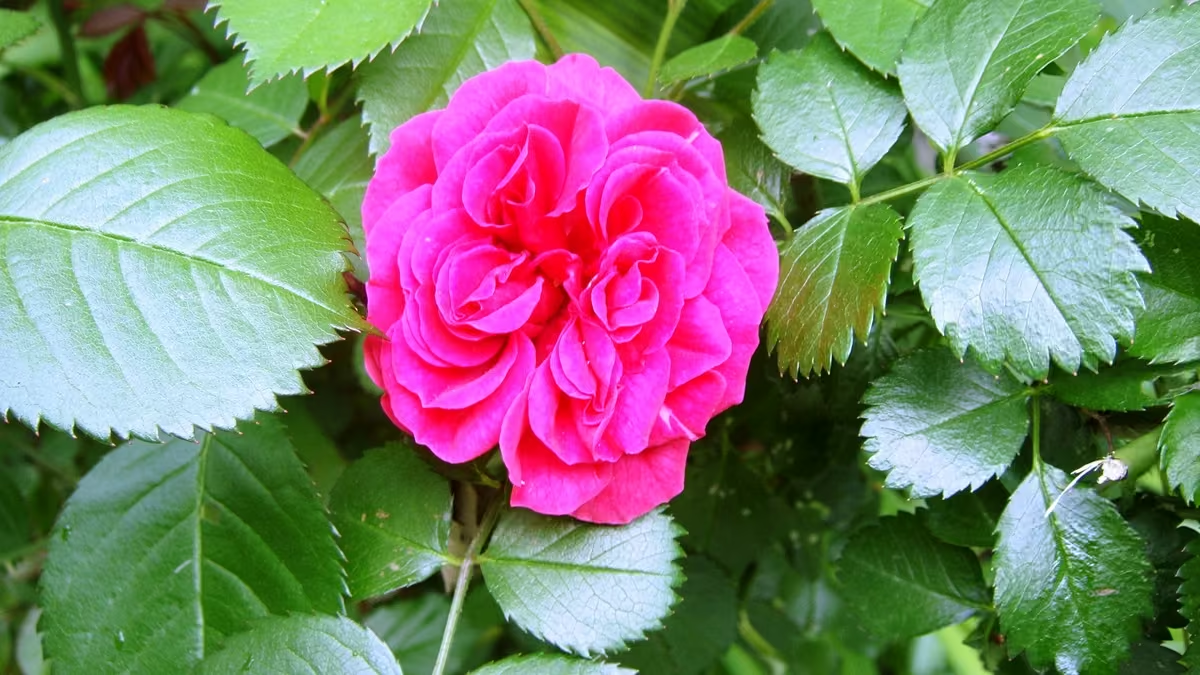
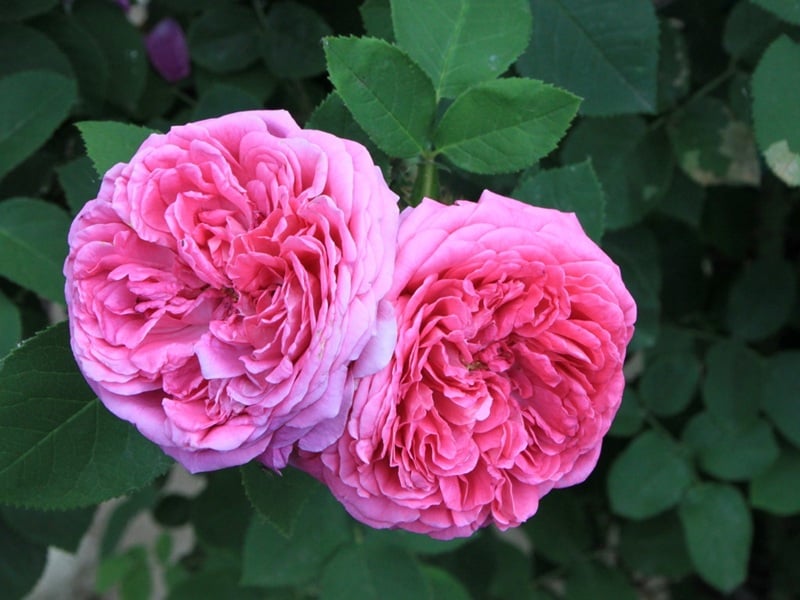
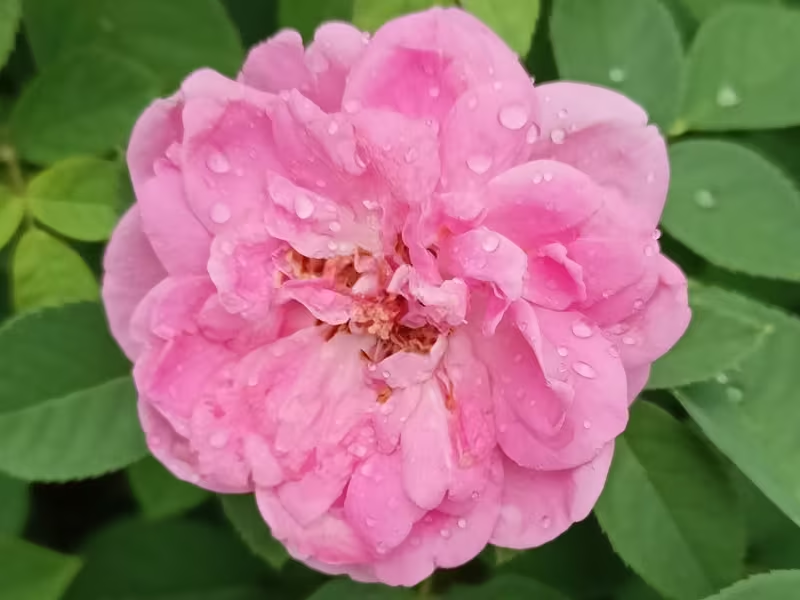
Die offizielle Blume Mauis ist bekannt für ihre zartrosa Farbe, die geschichteten Blütenblätter und ihren süßen Rosenduft. Ihre klassische Rosenform unterscheidet sie von vielen tropischen Blumen, die Besucher auf Hawaii erwarten, aber genau das macht dieses Inselsymbol so unvergesslich.
Aussehen
Diese Rosen haben oft üppige, mehrschichtige Blüten mit vielen Blütenblättern. Ihre rosa Farbe hebt sich deutlich vom Grün der Blätter und der Gartenlandschaft ab, was ein Grund dafür ist, dass die Blume so eng mit den Farben der Insel Maui verbunden ist.
Duft
Die Rose wird für ihren süßen, klassischen Duft geliebt. Dieser Duft ist einer der Hauptgründe, warum Menschen diese Blume in Erinnerung behalten. Deshalb werden duftende Rosen seit Langem in Parfums, Ölen, Blumenarrangements und Gärten geschätzt.
Wie es wächst
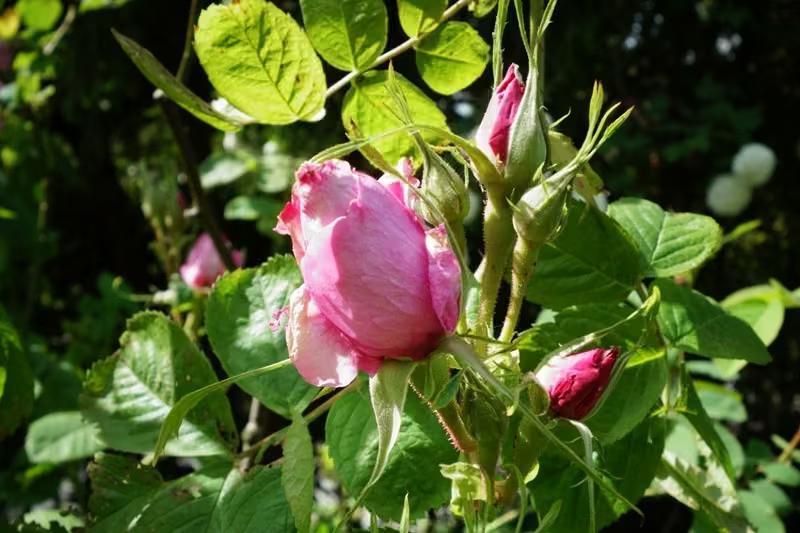
Lokelani is grown as a rose shrub. Its mature size, flowering pattern, and care needs depend on the specific plant. Ask the nursery for its botanical or cultivar name rather than relying on Lokelani alone.
Growing Lokelani Roses
Start by identifying the rose you’re buying. Plants sold under the same common name may differ in size, flowering season, and climate suitability.
For damask roses, general growing needs include a sunny spot, fertile, well-drained soil, and enough space for the shrub to develop. Water based on the soil and weather rather than a fixed daily schedule.
Pruning depends on the rose’s flowering habit. Some old garden roses flower mainly once a year, so don’t assume repeated pruning will produce continuous blooms.
Lokelani isn’t limited to tropical climates. Choose a plant suited to your location and follow guidance for that cultivar. In Hawaiʻi, the University of Hawaiʻi Master Gardener program can help with local growing questions.
Kann Lokelani außerhalb von Hawaii wachsen?
Yes. Damask roses can grow outside Hawaiʻi, including in climates with cold winters. Suitability depends on the particular rose and your local growing conditions. Ask the nursery for its botanical or cultivar name, then check its hardiness, sunlight, soil, and watering requirements.
Lokelani’s clearest connection to Maui is its role as the island’s official flower. The pink rose can serve as a visual reference to Maui in artwork, gifts, and floral designs.
Be careful with claims about lei. Maui Nui Botanical Gardens notes that some damask-type roses growing on Maui drop their petals quickly after picking, making them unsuitable for lei. A rose lei isn’t automatically made from the historic Lokelani.
Likewise, a product named Lokelani may be inspired by the flower rather than made with locally grown rose petals. Check the maker’s ingredient and origin information before describing a soap, perfume, tea, or keepsake as containing Maui-grown Lokelani.
Before planning a trip specifically to see Lokelani, ask a garden or grower whether they have an identified specimen and whether it’s currently flowering.
Botanischer Garten Maui Nui is a useful starting point for learning about Maui’s floral emblem and its history. Contact the garden about its current collection rather than assuming a Lokelani plant will be on display.
For any garden visit, ask how the plant is labeled and follow staff guidance. Pink roses in resort landscaping or floral arrangements aren’t enough to confirm Lokelani.
Wie man Lokelani respektvoll genießt
This flower is a meaningful part of Maui’s identity, so enjoy it with care. Take photos, admire the fragrance when appropriate, and learn the story behind the rose, but don’t pick blooms from gardens, parks, resorts, or private property.
Wenn Sie nach einer von Lokelani inspirierten Lei, einem Geschenk, Öl oder Andenken suchen, achten Sie auf lokale Unternehmen, die detaillierte Produktinformationen bereitstellen. So können Sie ein Produkt mit Bezug zu Maui auswählen und gleichzeitig die Menschen unterstützen, denen die Kultur und die natürliche Schönheit der Insel am Herzen liegen.
Häufig gestellte Fragen
Lokelani is Maui’s official island flower, a fragrant pink rose identified in Hawaiʻi law as the damask rose.
Lokelani is commonly translated as heavenly rose.
No. Lokelani is an introduced rose rather than a native Hawaiian plant.
No. Lokelani represents Maui. Hawaiʻi’s official state flower is the native yellow hibiscus, Hibiscus brackenridgei.
Ask a garden or grower whether they have an identified specimen currently flowering before making a special trip. Don’t assume every pink rose is Lokelani.
Leave flowers on the plant unless the owner or garden staff explicitly permits picking. Follow posted rules and respect private property.
Abschließende Gedanken
Lokelani connects a fragrant pink rose with Maui’s island identity. Learning its history also means recognizing the difference between an official emblem, a botanical identification, and a plant growing in a garden today.
If you find an identified specimen, enjoy it where it grows and leave its flowers for others to appreciate. 🌹
Quellen & Updates
Use these references for Lokelani’s official designation, historical background, botanical identification, and rose-growing guidance. Contact gardens directly about their current collections and blooms.