Best Time To Visit Maui: 12-Month Guide For Weather, Snorkeling, Whales, And Crowds
July 23rd, 2025
| Maui Information
Written by Maui Snorkeling, operating tours to Molokini Crater, Turtle Town, and Coral Gardens from Māʻalaea Harbor since 1985. Tours are led by USCG-licensed captains aboard a USCG-inspected passenger vessel.
Last updated October 15, 2026
Quick Answer
The best time to visit Maui depends on your priorities. April, May, September, and October are good starting points for warm-weather trips outside the busiest holiday and school-vacation periods. January through March is the peak whale-watching window, while summer suits many families’ schedules. Compare prices for your actual dates, and remember that snorkeling conditions depend on the day and shoreline, not just the month.
Main takeaways:
Best overall months to consider: April, May, September, and October, with flexibility around holidays and school breaks
Best for snorkeling: Suitable conditions can occur year-round. Warmer-season trips may appeal for water comfort, and mornings often have lighter winds, but always check swell, visibility, and water quality.
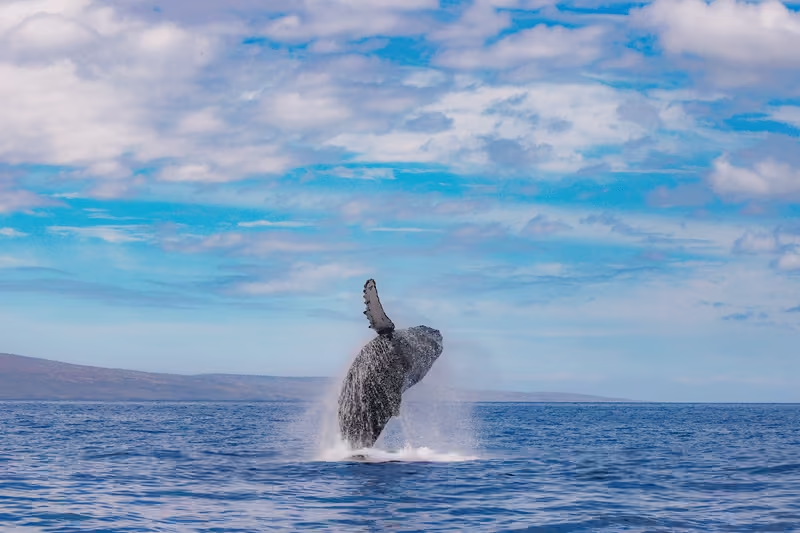
Best for whales: January through March is the peak window. Sightings are generally possible from November through April, but aren’t guaranteed.
Best for family schedules: June, July, and August fit many school vacations, though popular dates can be busy
Best value windows to compare: Late April through May and September through early November, outside holidays. Compare complete flight and lodging costs rather than assuming a particular month will be cheapest.
Most important planning tip: Check forecasts for each destination and leave room to rearrange weather-sensitive activities
Aloha! If you’re planning a Maui vacation, timing can make a big difference. The best time to visit Maui depends on what you want most, whether that’s calm snorkeling, whale watching, sunny beach days, lower prices, or fewer crowds.
This guide breaks Maui down month by month so you can choose the right season for your trip, plan around ocean conditions, and make the most of your time on the island.
Best Months To Visit Maui By Travel Goal
Compare months based on what matters most to your trip, from whale watching and snorkeling to family schedules and travel costs. These are starting points, not guarantees of weather, prices, or crowd levels.
Travel Goal
Months To Consider
Planning Details
All-around Maui trip
April, May, September, and October
Good starting points for warm-weather outings outside peak holiday and school-vacation periods. Check your specific dates for events, availability, and prices.
Snorkeling-focused trip
April through October, with suitable opportunities year-round
Warmer-season trips may appeal for water comfort. Morning winds are often lighter, but swell, rainfall, visibility, and local conditions determine whether snorkeling is suitable.
Whale watching
January through March
The peak humpback whale season. Sightings are generally possible from November through April, but wildlife activity and suitable boating conditions aren’t guaranteed.
Family vacation
June, July, and August
Summer fits many school calendars and offers warm-weather outings. Popular dates can be busy, so reserve must-do activities once your plans are firm.
Travel value
Late April through May and September through early November, outside holidays
Compare these windows with peak travel dates. Include flight costs, lodging taxes and fees, transportation, and activities rather than assuming shoulder season will always be cheaper.
Honeymoon or couples trip
April, May, September, and October
Consider dates outside holidays for a more flexible itinerary. Choose your lodging area and preferred experiences first, then compare availability and complete trip costs.
Fewer crowds
Late April, May, September, and October, outside holidays
Look beyond school breaks and holiday weekends, including Memorial Day and Labor Day. Popular beaches, restaurants, and tours can still be busy during quieter travel periods.
Note: Seasonal patterns help you choose travel dates, but they aren’t a daily forecast. Before snorkeling, check current wind, swell, water quality, and posted warnings. Leave room to rearrange weather-sensitive activities.
Best Time to Visit Maui by Season
Maui's climate is famously pleasant year-round, but each season brings its own unique character to the island and its waters. Let's break it down so you can find your perfect match!
Winter: December Through February
Best for: Whale watching, winter escapes, and holiday trips.
Winter brings humpback whales and warm coastal weather, but also cooler ocean temperatures and a greater chance of rainstorms. North and west swells can affect exposed shorelines, so be flexible with snorkeling plans.
Christmas, New Year’s, and holiday weekends can be busy. Reserve must-do activities ahead of time, bring a light layer for boat trips, and leave room to rearrange outdoor plans.
Spring: March Through May
Best for: A mix of whale watching, beach outings, and later-spring travel.
Spring isn’t one uniform travel window. March overlaps peak whale season and spring break, while April can still offer whale sightings. Late April and May are worth comparing if you have flexible dates.
Snorkeling can be rewarding when conditions cooperate, but spring doesn’t guarantee calm seas. Check the forecast for your destination rather than assuming the leeward coast will be wind-free.
Summer: June Through August
Best for: School-break vacations, warm-weather outings, and family trips.
Summer brings warm coastal weather and popular vacation dates. Plan ahead for must-do activities, especially around holiday weekends.
Warm water doesn’t mean a flat ocean. Trade winds can create chop, and south swells can affect South Maui beaches. Plan snorkeling around the day’s conditions, not just the season.
Fall: September Through November
Best for: Flexible travel dates, warm-weather trips, and comparing shoulder-season prices.
September and October are useful months to consider outside summer vacation and year-end holidays. Early November may also suit a quieter trip, but Thanksgiving week is a different planning window.
Fall transitions toward winter weather, so don’t assume calm seas or clear visibility. Compare actual lodging and flight totals, and check event dates rather than relying on a fixed festival month.
Maui Month By Month At A Glance
Compare Maui’s seasonal highlights, weather patterns, and travel considerations across all twelve months. Use these trends to narrow down your dates, then check prices, availability, and forecasts for your specific trip.
Month
Best For
What To Expect
January
Whale watching and winter getaways
January falls within peak whale season. New Year’s travel and holiday weekends can affect demand, while rainstorms and winter swells may change outdoor and snorkeling plans.
February
Whale watching and couples trips
Peak whale season continues. Compare availability around Valentine’s Day and Presidents’ Day weekend, and leave flexibility for weather-sensitive outings.
March
Whales and spring-break vacations
March remains within peak whale season, but spring break can increase demand. Winter rain patterns and large swells can continue, so spring doesn’t automatically mean calm seas.
April
All-around trips and later-spring travel
A transition toward warmer-season weather, with possible late-season whale sightings. Compare dates after school breaks and Easter, which falls in March or April depending on the year.
May
Beach outings and shoulder-season travel
May is worth comparing with summer vacation dates for availability and value. Memorial Day weekend can be busier, and snorkeling still depends on local wind, swell, and visibility.
June
Family vacations and summer activities
School vacations begin for many families. Morning winds are often lighter, but summer trade winds and south swells can affect ocean outings and South Maui beaches.
July
School-break trips and beach days
Warm coastal weather and popular family travel dates, especially around Independence Day. Reserve must-do experiences ahead of time rather than assuming last-minute availability.
August
Warm-water outings and late-summer vacations
Coastal weather and ocean temperatures are generally warm. School return dates vary, so compare individual weeks rather than treating the whole month as equally busy or quiet.
September
Warm-water trips and flexible travel dates
Dates after Labor Day are worth comparing with peak summer travel for crowds and prices. Summer warmth can continue, but neither lower rates nor calm snorkeling conditions are guaranteed.
October
Shoulder-season trips and varied island outings
Warm weather often continues as Maui transitions toward wetter-season patterns. Check local events and forecasts, and don’t assume October will bring light winds or clear water every day.
November
Pre-holiday travel and possible early whale sightings
Early November and Thanksgiving week can offer very different travel experiences. Rain and winter surf become more relevant, and early whale sightings are possible but less dependable than during peak season.
December
Holiday vacations and returning whale activity
Whale activity builds toward the peak season. Compare early December with Christmas and New Year’s dates, when availability can be tighter. Keep outdoor plans flexible around winter weather.
Note: Seasonal patterns aren’t a daily forecast, and wildlife sightings aren’t guaranteed. Check conditions for each destination before outdoor activities. Central Pacific hurricane season runs from June 1 through November 30, covering summer and fall rather than August alone.
Where You Stay Matters As Much As When You Visit
Maui doesn’t have one island-wide weather forecast. Coastal Kīhei and Wailea are generally drier than windward areas around Hāna, while Upcountry and Haleakalā can be much cooler than the beaches.
A sunny resort forecast doesn’t describe conditions on a mountain hike or rainforest drive. Check the forecast for each destination, and pack layers if your plans include higher elevations. Drier weather also doesn’t automatically mean calmer ocean conditions.
Best Time To Visit Maui For Snorkeling
Maui offers snorkeling opportunities throughout the year, but no month guarantees calm water or clear visibility. Warmer-season trips may appeal if water comfort matters most; winter trips add the possibility of whale sightings from the boat.
Morning often offers lighter winds, but swell, runoff, and local conditions still matter. Book your preferred outing early in the trip when possible, leaving another day available if plans change.
April, May, September, and October are some of the best months to visit Maui. These months often bring warm weather, good snorkeling conditions, fewer crowds, and a more relaxed island feel.
The best time to visit Maui for snorkeling is usually spring, summer, and early fall. Calm mornings are often best because the water can be clearer and winds are usually lighter earlier in the day.
The best time to visit Maui for whale watching is January through March. Humpback whale season usually runs from November through April, but the peak months often bring the most activity.
September, October, and early November can be good months for better value. Travel prices can change, but these months are often less crowded than winter holidays, spring break, and summer vacation season.
Late April, May, September, and October are often less crowded than peak travel periods. These shoulder-season months can make beaches, restaurants, tours, and scenic stops feel easier to enjoy.
Yes, winter is a great time to visit Maui if you want whale watching, warm weather, and a break from colder mainland temperatures. It can also be one of the busiest and more expensive times to visit, especially around the holidays.
Yes, summer is a good time to visit Maui for families, beach days, snorkeling, and warm ocean water. It can be busier because of school breaks, so it’s smart to book tours, lodging, and popular activities early.
The Central Pacific hurricane season runs from June 1 through November 30. Tropical cyclones can occur outside those dates, so check official forecasts before and during your trip and keep weather-sensitive plans flexible.
November through March is generally the wetter period, but rainfall varies considerably by location. Windward areas are usually wetter than leeward coastal areas, and storms can also affect normally dry places. Check the forecast for your specific destination rather than relying on an island-wide seasonal average.
It’s best to book Maui snorkeling tours early, especially during winter, spring break, summer, and holiday travel periods. Morning tours are popular because ocean conditions are often calmer earlier in the day.
Choose The Best Time To Visit Maui For Your Trip
Start with the experience you care about most, then compare dates around it. January through March suits whale-focused trips, summer fits many school calendars, and spring or fall may offer more flexibility outside holidays.
Whatever month you choose, check local forecasts, reserve your priorities, and leave enough room to enjoy Maui without rushing. Mahalo! 🌺
Sources & Updates
Use these trusted resources to understand Maui’s seasonal weather, regional climate differences, whale season, and hurricane season. Before outdoor activities, check current forecasts, snorkeling safety guidance, water quality advisories, and protected-area rules.