Written by the Maui Snorkeling team, operating Molokini Crater, Turtle Town, and Coral Gardens tours out of Maʻalaea Harbor since 1985. Tours are led by USCG‑licensed captains aboard a USCG‑inspected passenger vessel. We spend more days in these waters than on land.
Last updated: March 2026
Quick Answer: Snorkeling in Maui for non swimmers is only a good idea if you can stay calm in the water, float comfortably (with help if needed), and choose calm conditions. If you can't swim at all or you panic with your face in the water, the safest plan is to skip snorkeling. If you're a nervous or weak swimmer, use flotation, stay close to an easy exit, snorkel in short sessions, and consider a guided tour where the crew helps with gear, timing, and support.
Main Takeaways:
- Safety Rule: If you feel anxious or tired, stop early. A short happy snorkel beats a long stressful one.
- Best Time: Morning usually has calmer surface water and better visibility.
- Best Strategy:Calm conditions, flotation, buddy system, short loops, easy exits.
- Best Upgrade: A guided boat tour reduces guesswork with briefings, gear fitting, and flotation options.
- Don't Use: Full-face snorkel masks. Read why: Can We Use A Full-Face Snorkeling Mask?
If you’re dreaming about snorkeling in Maui but you are not a strong swimmer, you’re not alone. This is one of the most common questions we hear, and it is a good one.
Here’s the honest answer: Maui snorkeling can be amazing, but the ocean doesn’t care if it’s your vacation. The goal is not to be brave. The goal is to be calm, prepared, and smart.
This guide gives you a safety-first plan that still feels fun, plus the simplest way to decide if today is a “yes” day or a “nope” day.
Things To Know Before You Go
- Know Your Category: There’s a big difference between “nervous swimmer” and “cannot swim at all.” This guide helps both, but it’s extra strict for true non-swimmers.
- Check Conditions First: Use our Maui Snorkel Conditions before you commit.
- After Heavy Rain, Skip Shore Snorkeling: Avoid murky or brown water. Read our Maui Brown Water Advisory.
- Don’t Snorkel Alone: Always go with a buddy. Always.
- Short Sessions Win: Five calm minutes is a success. You don’t need to “go far” to have a great snorkel.
The Non Swimmer Reality Check
Let’s define terms, because it matters.
- True Non-Swimmer: You can’t swim. You can’t comfortably float. You panic when water hits your face. You wouldn’t feel safe without holding something.
- Nervous or Weak Swimmer: You can swim a little, you can float, but you don’t feel confident in open water, and you tire easily.
If you’re a true non-swimmer: the safest answer is usually don’t snorkel. Enjoy a beach day, do a reef view from shore, or choose an activity that doesn’t require entering the ocean.
If you are a nervous or weak swimmer: you may be able to snorkel safely with the right conditions, flotation, and a calm plan.
The Calm Go Or No Go Checklist
This is the simplest decision tool. If you can’t say “yes” to all of these, don’t snorkel today.
- Yes: The ocean surface looks calm, and the water looks clear.
- Yes: You can float comfortably (with flotation if needed) without panicking.
- Yes: You have a buddy who stays close.
- Yes: You have an easy exit plan (sandy entry, no rocks, no big shorebreak).
- Yes: You’re willing to do short sessions and stop early if you feel off.
If any of these are “no,” make it a beach day and save snorkeling for a better window. Maui has unlimited fun! You don’t need to force the ocean.
The Calm Plan For Nervous Swimmers
This is the plan we love because it keeps things simple: calm water, small goals, lots of comfort. Your only job is to float, breathe, and enjoy the fish.
Step 1: Pick The Easiest Time
Morning is the safest bet for calmer water and better visibility. If you want help choosing a day and time, start here:
Step 2: Start Shallow And Boring
Boring is good at the beginning. Stand where you can easily touch. Put your face in the water for a few calm breaths. Lift your head. Smile. Repeat.
If you’re totally new, do this guide first:
Step 3: Use Flotation On Purpose
Flotation is not “cheating.” Flotation is comfort. Comfort keeps you calm. Calm keeps you safe.
Need a packing checklist that includes flotation ideas? Here:
Step 4: Snorkel In Short Loops
This is the secret sauce for nervous swimmers.
- Snorkel 3 to 7 minutes
- Come in
- Reset, drink water, breathe normally
- Go again if you feel good
This keeps your brain calm because your exit is always easy and close.
Step 5: Stop Early On Purpose
The best ending is “I could have stayed longer, but I feel great.” Stop before you are tired. That is how people build confidence fast.
Boat Tour Vs Shore Snorkel For Non Swimmers
This is where tours can be a big help, especially for nervous swimmers.
Why A Tour Can Feel Easier
- Less guesswork: captains choose sites based on conditions.
- Gear help: crew fits masks, snorkels, and fins so you’re not fighting leaks.
- Safety briefing: you get a clear plan before you get in.
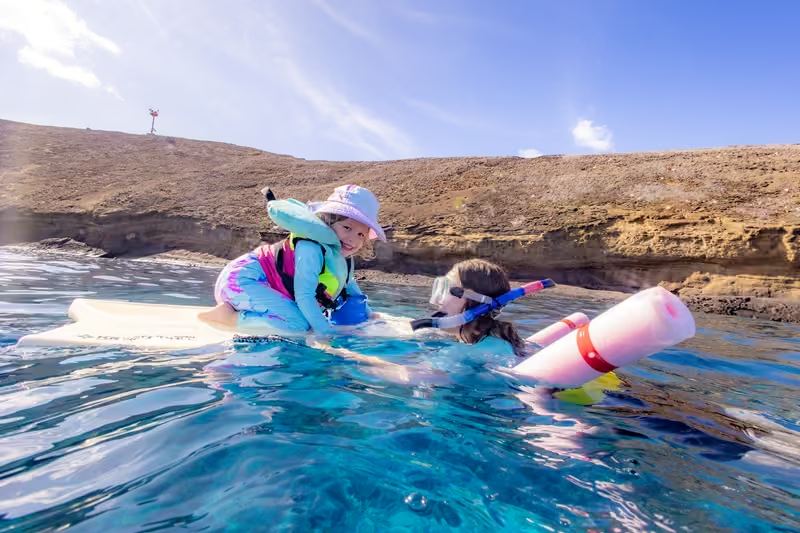
- Flotation options: many tours (including ours) provide flotation support. Our tours include:
- USCG life jacket
- Snorkel vest
- Flotation belts
- Noodles/boogie boards
The Important Truth
A tour doesn’t magically make you safe if you can’t swim at all. You still need to be comfortable in the water and able to float and move calmly. If you can’t do that, don’t snorkel.
Our own standard is simple: you don’t need snorkeling experience, but you should be comfortable in the water and able to swim on your own. If you can float on your stomach, you’re in a much better place to start.
Easy Maui Snorkel Wins That Are Tour-Friendly
If your group has nervous swimmers, these are the simplest “make it fun” moves:
- Choose A Morning Tour: for the calmest surface conditions and best visibility odds.
- Choose a Near-Shore Afternoon Option: when winds cooperate, and you want a shorter, warmer vibe.
- Tell The Crew: let us know you’re nervous. We’ll help you build a calm plan.
These tours are beginner-friendly and built for comfort:
Marine Life Etiquette That Keeps You Safer Too
Good wildlife etiquette also makes snorkeling calmer and safer. When you stop chasing and start floating, everything improves.
- Don’t touch turtles: give them lots of space.
- Don’t feed fish: it changes behavior and harms the reef.
- Don’t stand on coral: keep fins up and float over the reef.
More responsible travel tips here:
Snorkeling in Maui for Non Swimmers FAQs
Can non-swimmers snorkel in Maui?
What is the safest way for a nervous swimmer to snorkel?
Is a boat tour safer than shore snorkeling?
What flotation should I use for snorkeling?
What should I do if I feel tired or anxious in the water?
Should I snorkel after heavy rain?
Final Thoughts
If you’re not a strong swimmer, you can still have an amazing Maui ocean day, but the plan has to be calm and honest. Choose easy conditions, use flotation, stay close to an exit, snorkel with a buddy, and stop early on purpose.
And if you want the easiest path to a great snorkel day with less guesswork, come with us. We’ll help you gear up, stay comfortable, and enjoy Maui’s underwater world the right way!
- Snorkeling Safety Basics: Hawaii Ocean Safety: Snorkeling Safety
- Ocean Safety Guidance For Visitors: GoHawaii: Ocean Safety In Hawaii
- Marine Wildlife Viewing Distances: NOAA Fisheries: Viewing Marine Wildlife In Hawaiʻi
- Water Quality Advisories: Hawaii DOH Clean Water Branch Advisories
- Marine Forecast (Winds, Seas): NWS Honolulu: Hawaiian Coastal Waters Forecast