
Turtle Town is a South Maui reef area most commonly associated with Maluaka Beach in Makena. The best conditions are usually in the morning, before trade winds build. We visit this area on our morning Molokini Crater Snorkeling tours when conditions are safe and visibility is good.
Where Is Turtle Town On Maui?

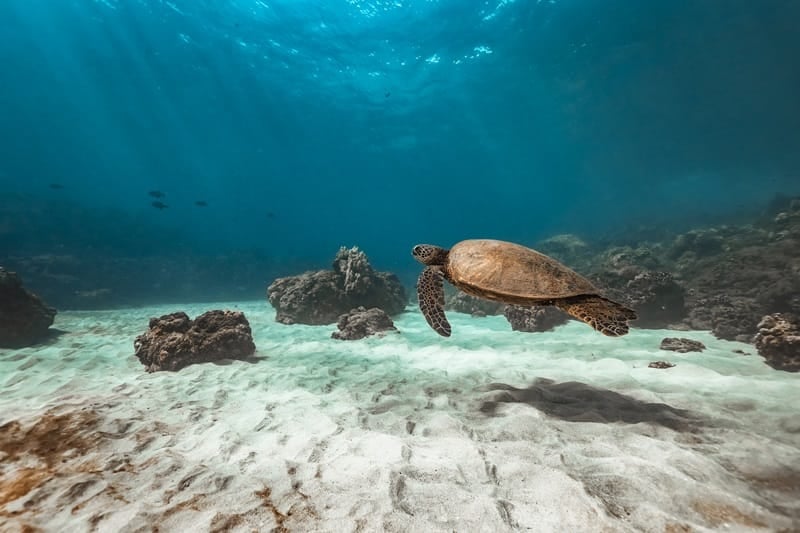
Turtle Town is the nickname for a popular snorkeling area in South Maui, most often connected with the reefs off Maluaka Beach in Makena. With its underwater caves and rich algae, this reef provides a reliable habitat and feeding areas for honu. On our morning snorkel tour, we visit this area when conditions are safe and visibility is good. Our crew will guide you to the best snorkeling zones for the day. This South Maui gem is known as one of the best snorkeling spots on the island, offering an amazing underwater experience!
Want to research the shore access point, too? Read our Maluaka Beach Snorkeling Guide (shore access, parking, entry tips). It’s a peaceful spot that we highly recommend for families, couples, and anyone who wants to see Maui’s turtles in their natural habitat.
Quick Facts: Turtle Town Snorkeling Maui (Morning Tour)
Best for: Seeing Hawaiian green sea turtles (honu) in South Maui, especially on calm, clear mornings.
Where We Go: A South Maui snorkeling area commonly associated with the reefs off Maluaka Beach (Makena).
Best Time to Snorkel: Morning (usually calmer water and better visibility).
Our Recommendation: For most visitors, the easiest way to snorkel here is on a guided boat tour, so you don’t have to guess conditions or manage entry/exit from shore.
What You’ll See: Turtles, reef fish, coral formations, and occasionally eagle rays.
Turtle Etiquette: Give turtles space — at least 10 feet away. Never touch, chase, or block their path to the surface.
Want to snorkel South Maui with our crew? Join our Molokini Crater Snorkeling Tour that departs from Maʻalaea Harbor and stops at Molokini and Turtle Town!
Best Time For Turtle Town Snorkeling
For most visitors, the best time for Turtle Town snorkeling in Maui is in the morning.
Here’s why mornings usually win:
- Calmer Ocean: Afternoon trade winds often pick up, making the water choppier.
- Better Visibility: Less surface disturbance typically means clearer water.
- More Enjoyable Snorkeling: Easier breathing through a snorkel and less fatigue.
That’s one reason our morning tour is such a popular way to experience the reef: you’re out there when conditions are best!
More Detail: Best Time to Visit Turtle Town Maui (conditions, visibility, and safety tips)
Boat Tour vs Shore Snorkeling: What’s Best for Turtle Town?
Most visitors choose between snorkeling by boat or trying it from shore near Maluaka Beach. Here’s how to decide:
Boat Tour (Best for Most Visitors)
Choose a boat tour if you want: the easiest experience with the least guesswork.
Why it helps:
- You get local guidance on where snorkeling is best that day
- The crew supports beginners and provides flotation options
- It’s a smoother plan when conditions are changing
Book our Molokini Crater Snorkeling Tour!
Shore Snorkeling (best for confident snorkelers on calm days)
Shore snorkeling can be great when the ocean is calm, but entry/exit and conditions can be more challenging than people expect. If you’re not comfortable reading ocean conditions, a tour is usually the safer and more enjoyable option.
What You’ll See At Turtle Town
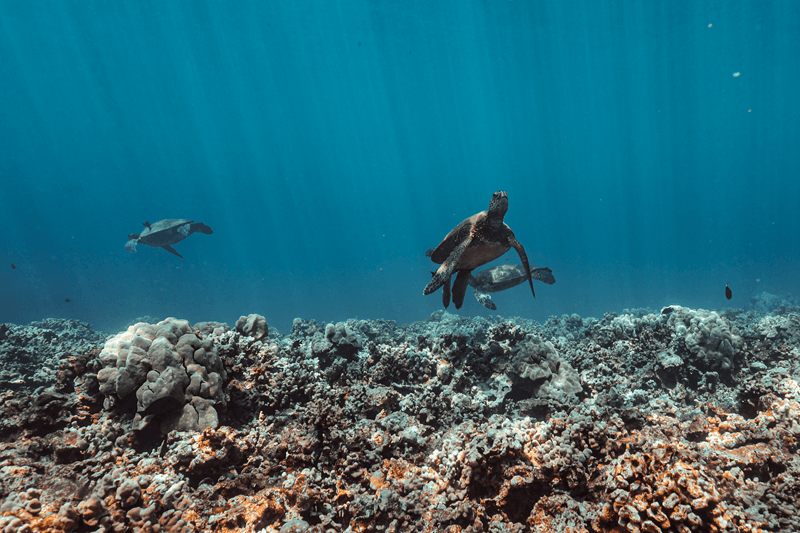
Turtle Town is famous for one thing above all: Hawaiian green sea turtles (honu). On a good day, it’s common to see multiple turtles during a single snorkel.
While wildlife sightings are never guaranteed, you may see:
- Colorful reef fish cruising the reef edges
- Coral heads and reef structure that provide habitat for marine life
- Occasional sightings of eagle rays, Hawaiian hawksbill turtles, and other reef visitors
On our tour, our crew helps you spot marine life while keeping the experience respectful and safe for wildlife. See our marine life guide: Molokini Crater & Turtle Town Marine Life Guide
Safety & Wildlife Guidelines
Sea turtles (honu) are protected under state and federal law. For their protection and your safety, please view wildlife responsibly and follow crew instructions at all times.
- 10 ft turtle distance: Stay at least 10 feet (3 meters) away—on land and in the water.
- Don’t touch or chase: Never touch, chase, surround, ride, feed, or harass a turtle.
- Don’t block their path: Give turtles a clear route to the surface so they can breathe.
- Report wildlife in distress: Sick, injured, stranded, dead, or entangled marine wildlife: call the Hawaiʻi statewide NOAA Marine Wildlife Hotline (888) 256‑9840.
- Report harassment: If you witness illegal interaction or disturbance, contact DLNR DOCARE (808) 643‑DLNR (3567).
Sources: NOAA marine wildlife viewing guidelines (Hawaiʻi), DLNR sea turtle guidance
Snorkel Turtle Town on Our Morning Tour
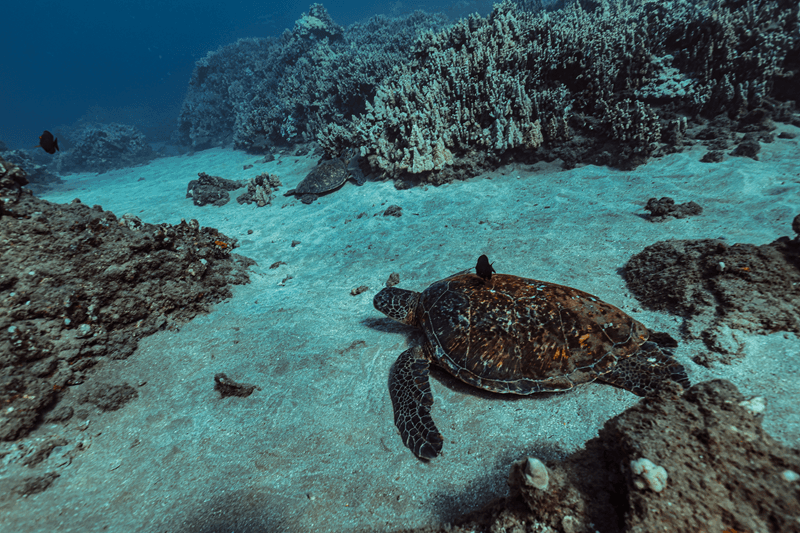
If Turtle Town is on your Maui must-do list, our morning snorkel tour is a simple way to experience it with less stress and more support.
What to expect on our morning Turtle Town tour:
- Snorkel gear included: mask, snorkel, fins, flotation devices
- Guidance from an experienced crew & captains
- Great for first-timers and families
- We visit this area when conditions are safe, and visibility is good
- If conditions aren’t right at this location, we choose the best available snorkel spot
GOOGLE REVIEWS
FAQs
What is Turtle Town on Maui?
Where is Turtle Town located?
Is it the same as Maluaka Beach?
Is this one exact spot or a general area?
Why are turtles so common here?
Are turtles here all year?
When is the best time of day to snorkel here?
What is it like to visit on your snorkeling tour?
What happens if conditions aren’t safe?
What marine life can I see besides turtles?
What’s the 10-foot rule for turtles at Turtle Town?
Can I take photos or video of turtles?
Written by the Maui Snorkeling team, operating Molokini Crater, Turtle Town, and Coral Garden tours out of Maʻalaea Harbor since 1985. Tours are led by USCG‑licensed captains aboard a USCG‑inspected passenger vessel. We spend more days in these waters than on land. Last updated: January 2026


