No Whistling On A Boat: Meaning, History, And Maui Tour Tips

Maui Snorkeling crew member gives a boat briefing to guests gathered at the harbor before a snorkeling tour.
Written by the Maui Snorkeling team, operating Molokini Crater, Turtle Town, and Coral Gardens tours out of Maalaea (Māʻalaea) Harbor since 1985. Tours are led by USCG‑licensed captains aboard a USCG‑inspected passenger vessel. We spend more days in these waters than on land.
Last updated May 23, 2026

Quick answer

No whistling on a boat is an old sailor superstition tied to wind, storms, and bad luck at sea. Sailors once believed whistling could “whistle up” stronger winds or invite rough weather, but today it’s mostly a fun boating tradition and a reminder to respect the captain’s rules.

Main takeaways:

  • Old superstition: Sailors believed whistling could call up wind or storms
  • Modern meaning: Today, it’s mostly a fun boating tradition instead of a real safety rule
  • Practical reason: Less noise makes it easier to hear the captain and crew
  • Maui tour tip: If your crew mentions it, take it as part of the fun boat culture
  • Good guest etiquette: Don’t whistle loudly, distract the crew, or ignore safety instructions while onboard

You’re out on the water off Maui, the sun’s shining, the boat’s cruising, and someone lets out a cheerful whistle.

Then you hear it.

A deckhand laughs and says, “Eh! No whistling on the boat!”
A captain grins but still shakes their head like you just triggered a decades-old rule.

If you’ve ever wondered why whistling on a boat is considered bad luck, especially on fishing boats or ocean charters in Hawaiʻi, this No Whistling on a Boat guide breaks down where the belief comes from, why crews still honor it, and how it shows up on Maui snorkeling and fishing trips today.

In many ways, it fits right into old sailors' superstitions and the broader world of nautical folklore, where small actions were believed to bring either bad luck or good fortune on the ocean.

Why is Whistling on a Boat Bad Luck?

Before we break down the deeper history and meaning, here’s the simple version of why whistling on a boat became such a big deal.

Other classic sailor sayings come from this same tradition of weather and luck at sea.

Why Sailors Believed Whistling Called the Wind

In old maritime lore, whistling is said to “call the wind.” More wind means rougher seas, harder work, and a less comfortable day on the ocean.

Some sailors believed whistling tempted fate at sea, which definitely wouldn't bring good weather.

Why it still Matters on Modern Maui Boats

Today, most Maui snorkeling crews treat it as a fun, lighthearted tradition that also reinforces something very real: the ocean is powerful, conditions change quickly, and good seamanship depends on focus, ­not accidental distractions.

3 Weird Bad Luck Beliefs Behind No Whistling On A Boat

Old sailors tied no whistling on a boat to a few strange but memorable beliefs. Most crews today don’t take them literally, but the stories are still part of boating culture.

  • Whistling could call the wind: Sailors believed a whistle might bring stronger winds when the sea was already unpredictable.
  • Whistling could bring a storm: Since too much wind could make sailing harder, whistling became connected to rough weather and bad luck.
  • Whistling could confuse the crew: On working boats, whistles were sometimes used as signals, so random whistling could create confusion.

That’s why the superstition stuck around. It’s part folklore, part boat etiquette, and part reminder to respect the ocean.

What Does No Whistling On A Boat Mean?

No whistling on a boat means guests and crew shouldn’t whistle loudly while underway, especially during safety briefings, docking, snorkel entries, and ladder time. The phrase comes from old sailor superstition, but today it’s mostly a lighthearted boat tradition about respect, focus, and clear communication.

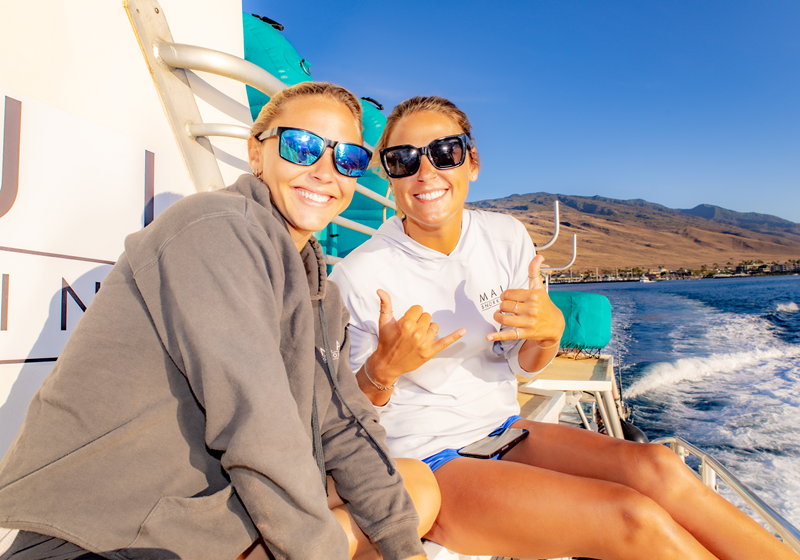
Maui Snorkeling Tours crew on boat wearing branded shirts during a snorkeling trip

Why Sailors Said No Whistling On A Boat

The phrase no whistling on a boat comes from old sailor superstition and practical life at sea. Sailors believed whistling could call up wind, bring bad luck, or invite rough weather. Over time, the rule also became a simple way to keep the deck quiet, allowing the crew to communicate clearly.

Whistling Was Thought To Call The Wind

The most common reason sailors avoided whistling was the belief that it could “whistle up” the wind. On old sailing ships, wind controlled almost everything. Too little wind could leave a ship stuck, while too much wind could make the ocean rough and difficult to manage.

That’s why whistling became tied to storms, bad luck, and unpredictable conditions at sea. Even though modern boats don’t depend on wind the same way old sailing ships did, the superstition is still part of boating culture today.

On Maui, wind still matters for comfort, visibility, and snorkel conditions. Calm mornings are often better for snorkeling, while stronger afternoon winds can make the water choppier. That’s why it helps to understand Maui snorkel conditions before choosing the best time to go.

Whistling Could Confuse Crew Signals

There’s also a practical reason behind the no whistling rule. On ships, whistles weren’t always casual sounds. Crew members used special whistle signals, including the boatswain’s call, to share commands over wind, waves, and deck noise.

If guests or crew members whistled at the wrong time, it could create confusion. That’s one reason the superstition stayed useful. It helped remind people that sound matters on a boat, especially during safety briefings, docking, ladder time, and crew instructions.

It Helped Keep The Deck Calm

A boat is a moving space with people, gear, and crew all working in a limited area. On a Maui snorkel boat, that can include:

  • Lines
  • Ladders
  • Fins
  • Snorkel gear
  • Anchors
  • Guests walking around the deck

Because of that, no whistling on a boat isn’t just about superstition. It’s also about awareness, respect, and listening to the crew. Today, most people treat it as a fun boating tradition, but the lesson still makes sense. A calm, quiet deck helps everyone hear directions, move safely, and enjoy the day on the water.

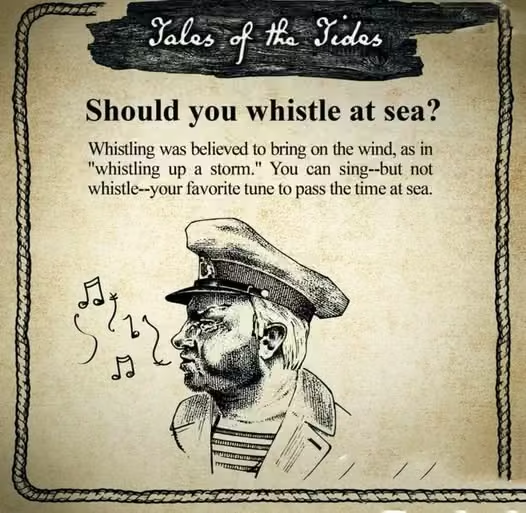
Vintage sailor graphic explaining the no whistling on a boat superstition with music notes and sea folklore text.
Photo Courtesy of Tall Ships

Why Crews Still Prefer No Whistling Today

Even on modern Maui boats, no whistling on a boat still makes sense. The superstition may be old, but the practical reason is simple. A quieter boat helps guests hear the captain, gives the crew room to focus, and keeps everyone more aware during important moments.

Wind Can Change A Maui Snorkel Day

Whistling doesn’t control the weather, but wind really does affect a day on the water. On Maui, wind can change the ride, the snorkeling conditions, and how comfortable guests feel once the boat leaves the harbor.

More wind can mean:

  • A rougher boat ride
  • More ocean spray
  • A higher chance of seasickness
  • Harder ladder entries and exits
  • Less comfortable snorkeling
  • Reduced underwater visibility

That’s why captains pay close attention to wind, swell, and ocean conditions before a snorkel trip. If you want to understand what crews look for before leaving the dock, read our guide to Maui snorkel conditions.

Clear Communication Matters On A Boat

Whistling itself isn’t dangerous, but distraction can be. On a snorkel boat, crew members may be helping guests, watching the ladder, managing lines, checking the ocean, or listening for instructions from the captain.

A sudden whistle can pull attention away at the wrong time. That matters most during:

  • Safety briefings
  • Docking or leaving the harbor
  • Snorkel entries
  • Ladder time
  • Gear instructions
  • Moments when the crew needs guests to listen closely

For guests, the best rule is easy. When the captain or crew is talking, stay quiet, listen, and save extra noise for later.

A Calm Deck Helps Everyone Have A Better Day

A Maui snorkel boat is a moving space with people, gear, ladders, fins, bags, lines, and crew all sharing the same deck. Keeping noise down helps the crew stay focused and helps guests feel more comfortable.

Today, no whistling on a boat is mostly a fun boating tradition. Still, it points to a useful habit. Respect the crew, pay attention during instructions, and help keep the deck calm so everyone can enjoy the trip.

If you like learning boat culture and ocean etiquette, you’ll also enjoy our guide on what not to do when snorkeling in Maui.

Person appearing to whistle with a red no symbol, representing the no whistling on a boat superstition.

How No Whistling On A Boat Shows Up On Maui

The idea of no whistling on a boat isn’t only an old sailor superstition. On Maui boats, fishing charters, and snorkel tours, it often shows up as a playful “don’t jinx it” rule. Most crews don’t take it as a serious warning, but they understand its meaning. The ocean deserves respect, and the day isn’t over until everyone is safely back at the harbor.

It’s A Classic Don’t Jinx It Rule

Boat days come with plenty of little sayings and habits. Some people don’t want to talk too early about perfect weather, a great catch, or calm seas because conditions can change quickly. Whistling fits into that same mindset.

Common boat sayings include:

  • Don’t call it a good day until you’re back
  • Don’t count the fish before they’re in the boat
  • Don’t brag about calm water too early
  • Don’t tempt the weather

For many people, not whistling on a boat is less about fear and more about humility. It’s a small way to remember that the ocean always gets the final say.

The Ocean Always Gets The Last Word

Maui’s ocean can be calm and glassy in the morning, then windy and choppy later in the day. That’s one reason boat crews pay close attention to wind, swell, visibility, and guest comfort.

Even if no one truly believes a whistle can change the weather, the rule still carries a useful lesson. Stay aware. Respect the water. Listen to the crew. Don’t assume conditions will stay the same all day.

It’s Usually Said With A Smile

On a Maui charter or snorkel tour, “no whistling” is usually shared as part of boat culture. It might come across as a playful warning, a fun superstition, or a quick story from the crew.

The message is simple: enjoy the ride, keep the mood light, and don’t be the guest who jokes about calling in more wind. It’s one of those small traditions that helps make a day on the water feel memorable.

What To Do Instead Of Whistling On A Boat

If you’re tempted to whistle on board, there are better ways to get attention, enjoy the moment, and keep the boat calm. These small choices help the crew communicate clearly and help guests feel more comfortable during the trip.

Use Clear Words Or Simple Signals

If you need someone’s attention, don’t whistle across the boat. Use a calm voice or a simple hand signal instead.

  • Say the person’s name
  • Wave if they can see you
  • Walk closer if it’s safe
  • Ask a crew member for help
  • Let the crew handle ladder, entry, and safety communication

Boats run best when communication is clear and easy to understand.

Save The Whistling For Shore

You can still have fun without adding extra noise during important moments. Instead of whistling, enjoy the views, take photos, talk quietly with your group, or listen for crew instructions.

This matters most during safety briefings, docking, snorkel entries, ladder time, and gear instructions. A quieter boat helps everyone hear what they need to know.

Ask The Crew About Boat Rules

Every boat has its own rhythm. Some crews are relaxed and playful, while others keep communication tighter during certain parts of the trip. If you’re unsure what’s okay, just ask.

Crew members appreciate guests who are aware, respectful, and ready to listen. Whether the no whistling rule is treated as superstition, tradition, or simple etiquette, the goal is the same: keep the boat calm, safe, and fun for everyone.

FAQs

Whistling on a boat is considered bad luck because old sailors believed it could call up stronger wind or bring rough weather. Today, most people see it as a fun boating superstition instead of a real warning.

No, whistling can’t change the weather. The superstition comes from old sailing days when wind controlled the whole trip, so sailors were careful about anything they thought might “tempt” the weather.

It depends on the boat and crew. For most modern boats, no whistling is more of a tradition than a strict rule. Still, it’s smart to keep noise down during safety briefings, docking, ladder time, and crew instructions.

Crews may prefer no whistling because a quieter boat makes it easier to hear the captain and follow instructions. On a Maui snorkel boat, clear communication helps everyone stay comfortable, aware, and ready for the water.

It’s best not to whistle loudly on a Maui snorkeling tour, especially when the crew is speaking or guests are entering and exiting the water. Save it for shore and enjoy the boat ride without distracting the crew.

Final Thoughts On No Whistling On A Boat

No whistling on a boat may sound like a strange rule at first, but it has a long history in sailor superstition and a practical meaning that still makes sense today. Sailors once believed whistling could call up wind or bring bad luck, while modern crews often see it as a simple reminder to keep the boat calm and communication clear.

On a Maui snorkel tour, the rule isn’t meant to scare anyone. It’s part of the fun boat culture that comes with spending time on the ocean. Wind, weather, and water conditions can change quickly, so it’s always smart to listen to the captain, respect the crew, and stay aware while you’re onboard.

Whether you believe the superstition or just enjoy the story, the lesson is the same: keep the deck calm, don’t distract the crew, and let the ocean day unfold naturally. Save the whistling for shore, enjoy the ride, and get ready for a beautiful day on Maui’s water!

Sources & Updates

Use these trusted resources to learn more about boating superstitions, sailor signals, and marine weather before a Maui boat day.

© 2026 Maui Snorkeling | Sitemap | Disclaimer | Privacy Statement | Cookie Policy