Written by
Maui Snorkeling, operating tours to Molokini Crater, Turtle Town, and Coral Gardens from Māʻalaea Harbor since 1985. Tours are led by USCG-licensed captains aboard a
USCG-inspected passenger vessel.
Quick answer
Seasickness on a Maui snorkel tour can happen when your inner ear feels the boat moving but your eyes don’t match that motion. You can lower your chances by preparing before check-in, eating light, staying hydrated, getting fresh air, looking at the horizon, and using the motion sickness remedy your doctor or pharmacist recommends.
Main takeaways:
- Why it happens: Seasickness is often caused by a motion mismatch between your body and what your eyes see
- Before boarding: Eat a light meal, drink water, avoid heavy greasy foods, and bring your preferred remedy
- Where to sit: Ask the captain or crew when you board; the most comfortable area varies with conditions.
- When to ask for help: Tell the crew early if you feel off so they can help you get more comfortable
- Maui tour tip: Morning snorkel trips are often a good choice for guests who are worried about wind, motion, or rougher afternoon water
Seasickness can happen on a Maui snorkel tour, especially if you're sensitive to motion, dehydrated, tired, or spending too much time looking down at your phone. The good news is that a little planning before check-in can make a big difference. Here's how to prepare before boarding, what to do once you're on the boat, and how to recover quickly if you start feeling off.
What is Seasickness?
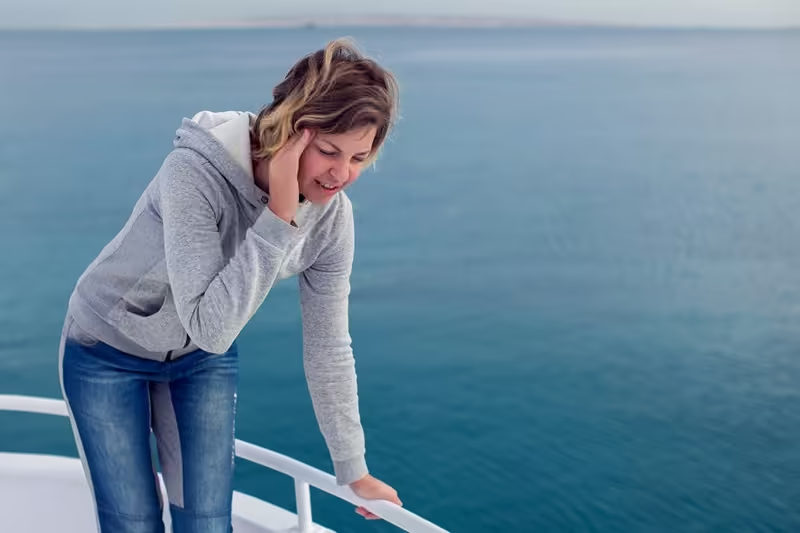
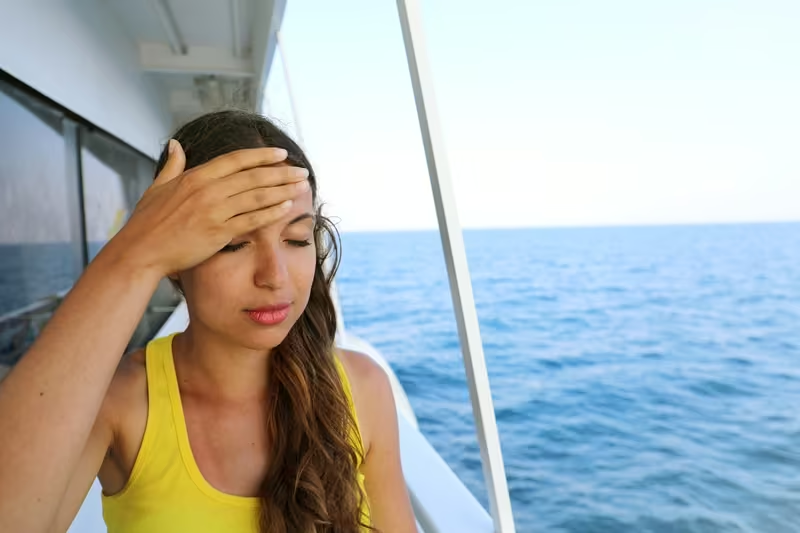
Seasickness, also known as motion sickness, is a common condition triggered by a mismatch between your body's perception of movement and what your eyes and inner ear are telling your brain. When you're on a boat, your inner ear senses the motion of the waves, but your eyes may see a relatively stable environment (like the interior of a cabin). This sensory conflict sends confusing signals to your brain, leading to a variety of unpleasant symptoms of motion sickness, including:
- Nausea and vomiting - The most common and recognizable symptoms.
- Dizziness and lightheadedness - A spinning sensation or feeling off-balance.
- Disorientation - Feeling confused or unable to focus.
- Sweating - Cold sweats often accompany nausea.
- Fatigue and drowsiness - A sense of lethargy or exhaustion.
- Pallor - A noticeable paleness of the skin.
- Dry Mouth - Often due to dehydration or nervousness
While anyone can experience seasickness, some individuals are more susceptible than others. Factors such as age (children and pregnant women are more prone), inner ear disorders, migraines, and anxiety can increase your risk.
Why do People get Seasick on Boats?
To understand seasickness, let's dive deeper into the science behind it. Our bodies maintain balance and spatial orientation through a complex interplay of sensory input from:
- Inner ear (vestibular system): Detects motion, gravity, and head position.
- Eyes (visual system): Provide information about your surroundings and movement.
- Proprioceptors: Sensors in muscles and joints that tell your brain where your body is in space.
When these systems send conflicting signals, your brain has trouble matching what you feel with what you see. That mismatch can trigger nausea, dizziness, sweating, fatigue, and other motion sickness symptoms.
Several factors can increase the likelihood of seasickness:
- Rough seas: Large waves and intense rocking increase disorientation.
- Lack of experience: First-time or infrequent sailors are more prone.
- Reading or focusing on close objects: Prevents the brain from aligning motion cues.
- Fatigue and dehydration: Lower resilience to motion stress.
- Sensitivity: Some individuals are naturally more prone to motion sickness.
Before Check-in: Prep Early
If you're prone to motion sickness, don't wait until you're already on the boat to think about it. Eat something light, drink water, avoid heavy, greasy foods, and bring the remedy that usually works for you. If you're using medication, follow the label and ask your doctor or pharmacist first, especially if you're pregnant, taking other medications, or have a medical condition.
Prevention Is Key
Preventing seasickness begins before setting sail and understanding your triggers. Here are proven strategies to keep the queasiness at bay:
1. Choose the Right Spot on the Boat
Motion-sensitive? Ask the captain or crew where to sit when you board. The most comfortable area can vary with the route, sea state, wind, speed, vessel loading, and available seating. Stay in fresh air with a clear view of the horizon, avoid reading or looking down at a screen, and tell the crew at the first sign of symptoms.
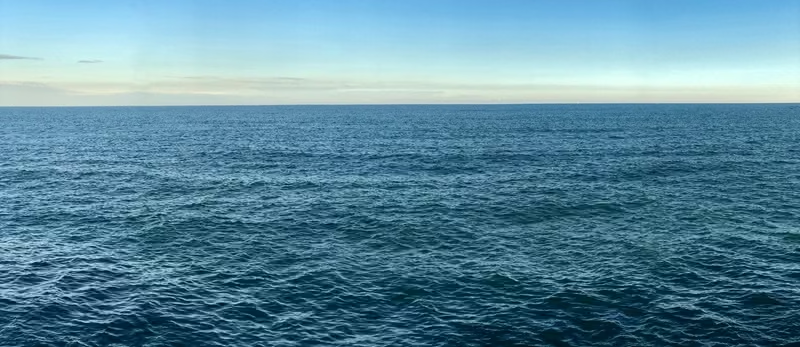
2. Keep Your Eyes on the Horizon
Looking at the horizon helps your brain reconcile the movement it feels with what your eyes see, reducing sensory conflict.
3. Avoid Triggers
- Skip heavy meals: Avoid greasy, spicy, or acidic foods before heading out.
- Limit alcohol and caffeine: These can dehydrate you and lower your resilience.
- Avoid strong odors: The smell of fuel, perfume, or food can exacerbate nausea.
Medical note: This article provides general information and is not a substitute for medical advice. Motion sickness medicines can cause drowsiness and other side effects. Follow the product label, and ask a doctor or pharmacist which option and timing are appropriate for you, especially if you’re pregnant, taking other medications, managing a medical condition, or choosing a medicine for a child.
4. Use Medications
CDC Yellow Book guidance on motion sickness: Medicine generally works best when taken before motion begins.
- Over-the-counter antihistamines: In the United States, Original Dramamine contains dimenhydrinate, while Bonine and Dramamine Less Drowsy contain meclizine. Both can cause drowsiness and other side effects.
- Prescription scopolamine: The transdermal scopolamine patch is a prescription medicine, not an over-the-counter antihistamine. It can cause side effects and isn’t appropriate for everyone, so use it only as prescribed.
- For children: Start with behavioral measures such as fresh air, a clear view of the horizon, and avoiding reading or screens. Ask a pediatrician or pharmacist before giving a child any motion-sickness medicine. Antihistamines can over-sedate some children or cause unexpected agitation. The CDC says scopolamine, including patches, should be avoided in children because it can cause dangerous adverse effects.
If you're thinking about using motion sickness medication, follow the label and ask your doctor or pharmacist first, especially if you're pregnant, taking other medications, managing a medical condition, or bringing medication for a child.
5. Try comfort Items if they Work for you
Some guests like ginger chews, peppermint, crackers, or acupressure wristbands. These aren't guaranteed fixes, but if they help you feel calmer and more comfortable, they're easy to pack. Just avoid strong scents if smells make your nausea worse.
6. Stay Hydrated and Rested
Drink plenty of water before and during your trip to stay ahead of dehydration, which can worsen symptoms.
7. Get Enough Sleep Before the Tour
Sleep deprivation can worsen motion sickness. Aim for a full night’s sleep and avoid staying up unusually late before your tour.
What to do if you get Sick During the Tour
If seasickness sets in despite your best efforts, these recovery tips can help you bounce back quickly:
1. Change Your Focus
- Go outside: Fresh air and open views are your allies.
- Fix your gaze on the horizon: This helps recalibrate your sensory inputs.
2. Lie Down
Lying down, especially with your eyes closed, can help stabilize your inner ear and reduce the sensation of motion.
3. Cool Down
- Splash your face with cold water or use a cool compress.
- Stay in the shade to avoid overheating.
4. Sip Fluids
Drink small amounts of water, ginger ale, or an electrolyte solution to rehydrate. Avoid large gulps, which can upset your stomach further.
5. Eat Lightly
If you feel hungry, opt for bland foods like crackers or dry toast, which are easier to digest.
6. Use Mild Scents Only If They Help
Some guests find peppermint or other mild scents calming, but strong smells can worsen nausea. If scents bother you, skip this and focus on fresh air, shade, small sips of water, and looking at the horizon.
7. Distract Yourself
Engaging in light, enjoyable activities like listening to music or chatting with others can shift your focus away from the discomfort.
Final Thoughts
Seasickness doesn't have to ruin your Maui snorkel plans. Prep before check-in, stay hydrated, keep your eyes on the horizon, get fresh air, and tell the crew early if you start feeling off. With the right plan, you'll have a better chance of staying comfortable and enjoying your time at Molokini Crater, Turtle Town, or Coral Gardens!