Escrito por
Snorkel en Maui, operando excursiones al cráter Molokini, Turtle Town y Coral Gardens desde el puerto de Māʻalaea desde 1985. Las excursiones son dirigidas por capitanes con licencia de la Guardia Costera de EE. UU. a bordo de un
Buque de pasajeros inspeccionado por la Guardia Costera de EE. UU..
Respuesta rápida
Cantos de ballenas jorobadas de Maui are patterned underwater vocalizations produced by male humpback whales. You may hear them while snorkeling during whale season, but listening opportunities are never guaranteed. January through March is the usual peak in whale abundance around Hawaiʻi. Songs can travel several miles, so hearing one doesn’t mean a whale is close.
Conclusiones principales:
- Temporada: Hawaiʻi’s humpback whale season generally runs from November through May, with peak abundance from January through March.
- What you might hear: Moans, cries, and changing tones arranged in repeating patterns.
- Ways to listen: You may hear songs while snorkeling, or through a hydrophone on a tour that offers one.
- Important distinction: Hearing a song doesn’t tell you how close the singer is.
- Respect the whales: Never swim toward a whale. Federal law prohibits approaching humpback whales within 100 yards in Hawaiʻi.
- Expectativas de la gira: Maui Snorkeling tours are snorkeling trips, not dedicated whale-watching or whale-listening excursions.
Hearing Maui humpback whale songs can be a memorable part of winter snorkeling. You might notice a low moan, a rising tone, or a repeating sequence of sounds while floating above the reef, even when there isn’t a whale in sight.
This guide explains what those sounds are, when you might hear them, and how to listen responsibly. Whale songs can travel several miles underwater, so hearing one doesn’t mean a whale is nearby or that you should try to find it.
¿Cuáles son los cantos de las ballenas jorobadas de Maui?
Humpback whale songs are organized sequences of underwater sounds. Repeated sounds form phrases, phrases form themes, and themes follow a sequence that makes up a song.
Male humpbacks are the known singers. Other vocalizations, including shorter calls, aren’t the same as these elaborate songs. A whale may repeat its song through a singing session that continues for hours.
Song likely plays a role in mating behavior, but scientists haven’t settled its exact function. Males in a breeding area generally share a changing song pattern rather than each singing a completely unrelated tune.
Listen to a Humpback Whale Song
Want to hear an example before your trip? Visit NOAA’s whale-song recordings and play the first recording, captured near Olowalu, Maui.
Listen for repeated patterns and pitch changes. This is a recorded example, not a live feed or a promise of what you’ll hear on a snorkeling trip.
Why Whale Songs Are Part of Maui’s Winter Soundscape
Hawaiʻi’s warm waters provide winter breeding and calving habitat for humpback whales. The waters around Maui Nui, including Maui, Molokaʻi, Lānaʻi, and Kahoʻolawe, are an important part of that seasonal habitat.
Hawaiʻi’s humpback whale season generally runs from November through May, with peak abundance from January through March. That makes winter a sensible time to plan a trip if whales are part of your interest, although audible songs are never guaranteed.
Clear water helps you see the reef, but it doesn’t determine whether you’ll hear a whale. Treat listening as a possible part of the day rather than something a particular beach or tour can promise.
How to Hear Humpback Whale Songs in Maui
You can listen underwater while snorkeling, through a hydrophone, or through a recording. Each offers a different experience, and none requires approaching a whale.
Listen While Snorkeling
If you’re already snorkeling in suitable conditions during whale season, you may notice unfamiliar tones beneath the usual reef sounds. Continue following your crew’s instructions and stay with your snorkeling group.
Don’t swim farther offshore, leave the designated snorkeling area, or change direction to follow a sound. Hearing a song isn’t a reliable way to locate its source.
Choose a Tour That Offers Hydrophone Listening
A hydrophone is an underwater microphone that allows people aboard a boat to listen through a speaker or headphones.
If whale listening is your main goal, ask a whale-watching operator whether the trip offers hydrophone listening. Don’t assume every boat carries one or that it will be used on every departure.
Understand the Difference Between Shore Viewing and Listening
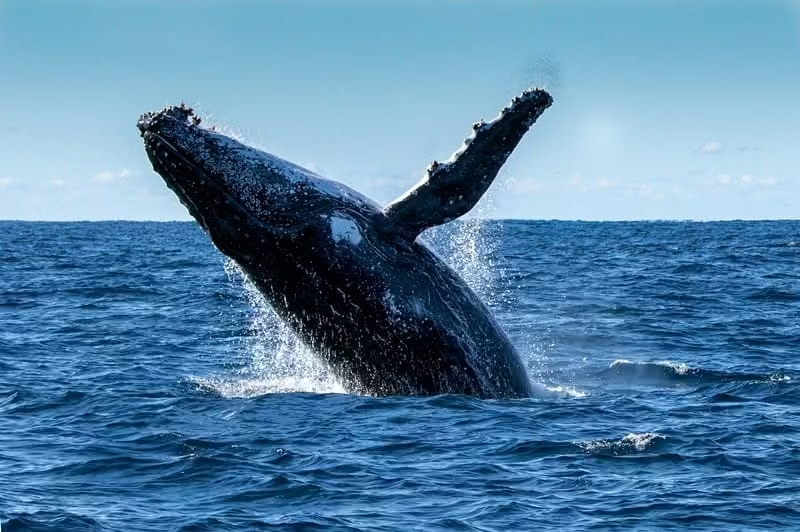
From shore, you may see blows, breaches, or tail slaps. Watching these behaviors isn’t the same as hearing underwater songs.
For an option that doesn’t involve entering the ocean, use the NOAA recording linked above or look for a tour that specifically offers hydrophone listening.
Keep Listening Separate From Approaching
Federal law prohibits approaching humpback whales within 100 yards in Hawaiʻi, including while swimming. Never swim toward a whale, intercept its path, or try to get closer for a better recording.
If a whale appears unexpectedly, alert the crew and follow their instructions. The opportunity to hear or see wildlife never overrides the day’s safety plan.
Protecting the Whales Behind the Songs
Whale conservation includes protecting the underwater environment where these animals communicate. Humpbacks face threats including entanglement, vessel strikes, disturbance, and ocean noise.
Researchers around Hawaiʻi use underwater recorders to study whale sounds over time. These recordings help reveal seasonal changes in whale presence and complement observations made from boats and shore.
For visitors, the most useful contribution is straightforward: choose responsible operators, follow crew instructions, and don’t pursue whales for a closer encounter. Enjoying their songs doesn’t require interrupting their behavior.
Excursiones de snorkel en Maui durante la temporada de ballenas.
Nuestro Tour de snorkel en el cráter Molokini y Tour de esnórquel por la tarde focus on Maui’s reefs and marine life. During whale season, you may also spot whales from the boat or hear songs underwater, but these aren’t dedicated whale-watching or whale-listening trips. Choose the tour that fits your snorkeling plans; destinations and activities are subject to conditions and the captain’s assessment.
A Different Way to Experience Maui’s Whale Season
Maui humpback whale songs offer another way to appreciate winter wildlife, even when there isn’t a whale in sight. Listening can be rewarding without turning the experience into a search for the singer.
Plan your snorkeling day around suitable ocean conditions and enjoy any whale activity as a seasonal bonus. If seeing whales is your main priority, our whale watching in Maui guide can help you plan a more focused outing. 🐳