
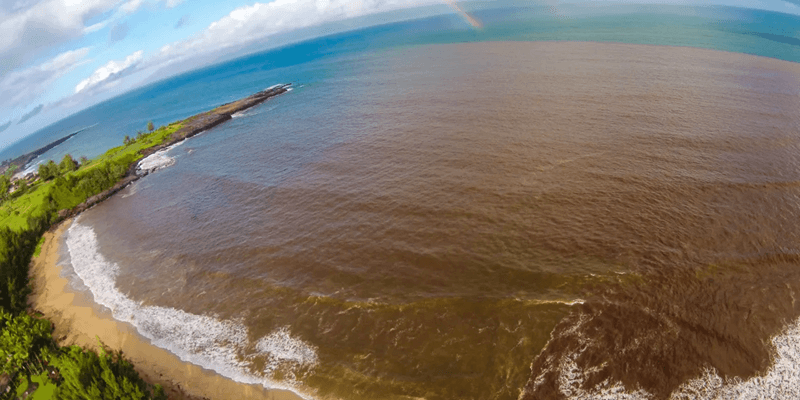
You’re in Maui. You packed the mask. You’re ready to see turtles. And then… it rains. 🌧️
So here’s the big question everyone asks (usually while staring at the ocean like it personally betrayed them): “Can we still snorkel today?”
Quick Answer: If there was heavy rain recently and the ocean looks brown, cloudy, or murky (or there’s a posted advisory), it’s usually a no-go for snorkeling. DOH notes coastal waters are usually safer after about 48 hours due to tidal flushing, but after heavy rain many people use a more conservative 48–72 hour window—especially near streams, storm drains, or flood conditions. Always check active advisories before getting in.
Key Facts:
- Brown Water = Runoff Risk: Storm runoff can carry pollutants into the ocean.
- Do Not Trust “It Looks Fine”: Water can be unsafe even if it isn’t obviously brown.
- Wait 48–72 Hours: Longer is better after big storms, flash flood warnings, or near stream mouths.
- Check Official Advisories: Use Hawaiʻi DOH Clean Water Branch + local beach safety reports.
- Have A Backup Plan: Maui has plenty of ways to have an epic day while the ocean clears.
What Is A Brown Water Advisory?
A Brown Water Advisory is basically Hawaiʻi’s way of saying: “Heads up—recent rain may have pushed polluted runoff into the ocean.”
After heavy rain, water can turn brown or cloudy because soil and silt wash down through streams and drainage systems. The bigger issue is what can ride along with that runoff (not the vibe you want in your snorkel mask).
Brown Water Is Not Always Literally Brown
This part surprises people: the water does not have to look brown to be a problem. It can look gray or even not very colored, but still be cloudy/turbid and impacted by runoff.
Yes, It Can Happen On A Sunny Day
Another sneaky Maui thing: it might be sunny at your beach… but if it rained hard upcountry or in the mountains, runoff can still flow down to the coast through streams and storm drains. Translation: “blue skies” doesn’t always mean “blue water.”
Why Brown Water Is A Big Deal For Snorkelers
Brown water isn’t just an “ew” factor—it’s a health + safety issue.
Runoff Can Carry The Stuff You Do Not Want In Your Sinuses
Storm runoff can potentially include things like pathogens and pollutants from land (including overflow issues in some areas). That’s why official guidance generally advises avoiding contact with water when conditions are brown/murky after storms.
Low Visibility Makes Snorkeling Riskier (Even If You Feel Fine)
Even if you’re thinking, “I’m tough, I’ll just do a quick snorkel,” low visibility changes the game:
- You can’t clearly see coral heads, rocks, surge channels, or shallow spots.
- It’s easier to get scraped (and scrapes + ocean water = not a combo we love).
- It’s harder to track your buddy, kids, or your exit point.
- It’s less fun. Like… dramatically less fun.
Friendly rule: If the water looks like it belongs in a latte, let it rest! ☕️
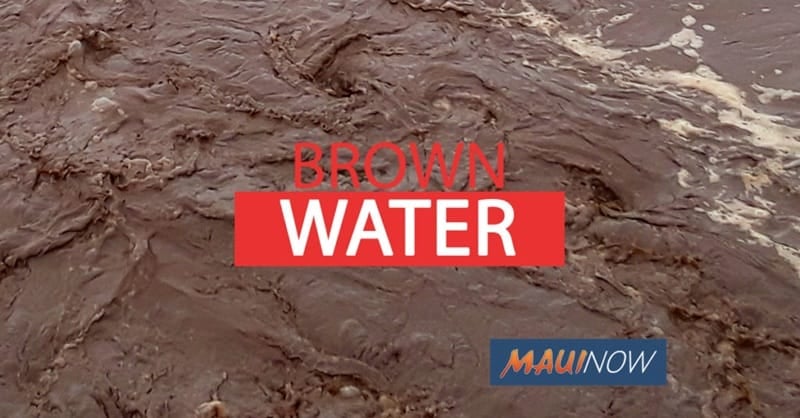
Photo courtesy of Maui Now
How Long Should You Wait After Heavy Rain?
If you only remember one thing from this entire post, make it this:
After heavy rain, waiting is usually the smartest move. Most guidance you’ll see in Hawaiʻi points to 48–72 hours after the rain stops (and after the beach gets full sunshine) before you get back in.
The “48–72 Hours After Rain Stops” Rule Of Thumb
For many visitors, 72 hours is the simplest “vacation-proof” rule. It’s easy to remember, and it gives the ocean more time to flush and settle.
When 72 Hours Is Smarter Than 48
Give it more time if any of these are true:
- There was a flash flood warning or intense storm.
- You’re near a stream mouth, drainage ditch, canal, or storm drain.
- The water still looks cloudy or there’s floating debris/foam.
- You (or someone in your group) is higher-risk (kids who swallow water, older adults, pregnancy, immunocompromised).
How To Check Water Quality And Beach Safety Today
Here’s the move we recommend before you drive across the island chasing “maybe-clear” water.
Check Hawaiʻi DOH Water Quality Advisories
The Hawaiʻi Department of Health Clean Water Branch posts updates for things like:
- Brown Water Advisories
- High bacteria count beach advisories
- Sewage spill advisories
Brown Water vs High Bacteria Count vs Sewage Spill: What’s the Difference?
Maui has a few different “don’t get in the water” warnings that sound similar—but they’re triggered for different reasons. Here’s the simple breakdown so you can tell what you’re looking at (and what it means for snorkeling).
Quick cheat sheet
- Brown Water Advisory (BWA): Issued when the ocean is brown, cloudy, or turbid from stormwater/surface runoff—often after heavy rain (and it can be issued even if the water isn’t literally brown).
- High Bacteria Count (Beach Action Value) Advisory: Issued when lab testing shows enterococci (an indicator of fecal contamination risk) is above the state’s Beach Action Value (BAV) threshold (130 per 100 mL).
- Sewage Spill Advisory: Issued after a confirmed sewage spill into state waters; these advisories generally remain until follow-up water sampling shows bacteria levels are back below the BAV for affected beaches.
1) Brown Water Advisory
A Brown Water Advisory is the DOH Clean Water Branch’s way of saying: runoff is hitting the ocean, and that runoff can carry land-based pollution (soil/silt plus a long list of contaminants that can come along for the ride). The water may be brown, gray, or even colorless—but it’s often cloudy/turbid, which is the red flag.
Snorkeler takeaway: If you see murky water, brown plumes, or flow from streams/storm drains—treat it as a no-go and move to a different plan (or wait for conditions to clear).
2) High Bacteria Count Advisory (Beach Advisory)
This one is data-driven. The state monitors for enterococci, an EPA-recommended fecal indicator bacterium. When results are high, DOH uses a threshold called the Beach Action Value (BAV)—130 enterococci per 100 mL—to decide when a site has an elevated risk.
There’s also an important nuance:
A High Bacteria Count Notification can appear first (meaning the initial sample exceeded the threshold and the beach is being resampled).
A Beach Advisory is posted if follow-up sampling confirms the exceedance (or if follow-up sampling can’t happen right away, like before a weekend/holiday). Advisory signs may be posted at the beach, and the advisory remains in effect until levels drop below the threshold.
Snorkeler takeaway: Don’t assume “it looks clear” means it’s safe—this advisory is in place because the numbers came back high.
3) Sewage Spill Advisory
A Sewage Spill Advisory is issued when DOH receives a report of a confirmed sewage spill into state waters (for example, reported by a permitted wastewater facility or verified by DOH staff). It’s a higher-alarm situation because it’s tied to an identified sewage contamination event, and it’s meant to warn the public to stay out of affected waters.
Snorkeler takeaway: Treat this as a hard “no” until DOH cancels the advisory. DOH notes coastal waters are often safer after tidal flushing, but also emphasizes waiting for official instructions/updates.
Bottom line for Maui snorkeling
All three advisories are different “labels,” but the practical rule is the same: if an advisory is active—or the water looks questionable—skip snorkeling and check the official DOH advisories for current status and locations.
Use these official pages:
- Hawaiʻi DOH Clean Water Branch Advisories (Landing Page)
- Hawaiʻi DOH Advisories Map / Viewer
- DOH Beach Monitoring Program (What Advisories Mean)
Check Beach Conditions And Talk To Lifeguards
Water quality is one piece. Ocean hazards are another (shorebreak, currents, surf, etc.). If you’re going beach snorkeling, stack the odds in your favor:
- Go to a lifeguarded beach when possible.
- Read posted signs and flag warnings.
- If there’s a lifeguard tower, ask: “How are conditions right now for snorkeling?”
Helpful official resources:
- List Of Lifeguarded Beaches (Hawaiʻi Ocean Safety)
- Understanding Beach Warning Signs (Hawaiʻi Ocean Safety)
Bonus: If you want our full “read the ocean like a local” guide, use our Maui Snorkel Conditions: Read Wind, Swell, & Visibility page.
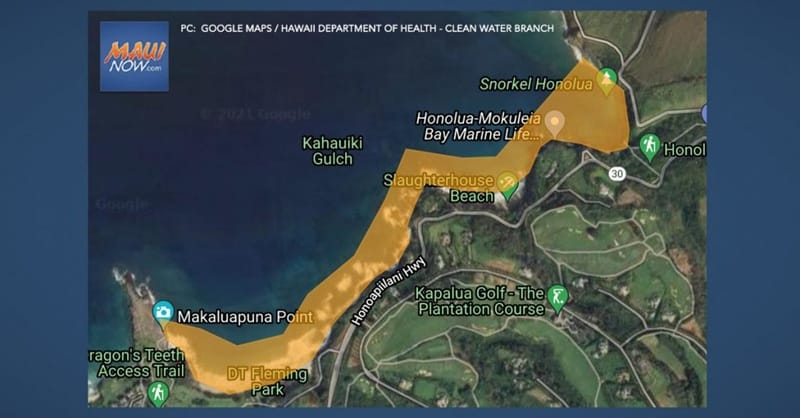
Photo courtesy of Maui Now
A Simple Maui Rain-To-Snorkel Decision Checklist
Use this like a quick “go/no-go” checklist:
- Did it rain hard in the last 48–72 hours? If yes, be extra cautious.
- Is the water cloudy, brown, or murky? If yes, skip.
- Do you see debris, foam lines, or dirty runoff near shore? If yes, skip.
- Are you near a stream mouth or storm drain? If yes, skip (especially after rain).
- Is there a posted advisory or warning sign? If yes, do not enter.
- Are there strong currents or high surf? If so, choose a different beach or day.
If you’re unsure: treat it as a “no.” Maui will still be here tomorrow, and the turtles prefer clear water, too.
Safer Snorkel Options After Rain
Sometimes you can still have a great snorkel day after rain—just not immediately during the runoff window.
Pick Areas With Less Runoff Influence
In general, areas without nearby stream mouths and drainage can recover faster. That said, every storm is different—so always confirm conditions in real time before getting in.
If you need help picking beaches by skill level and typical conditions, this guide is a good starting point:
Best Places To Snorkel In Maui: 12 Top Spots
Use A “Backup Day” Plan Instead Of Forcing It
If conditions are brown/rough, your best move is to swap snorkeling for a few hours and come back when the ocean clears. We even built an easy plan for those “welp… now what?” days:
Backup-Day Snorkeling Game Plans (Works Any Time Of Year)
What If You Already Booked A Snorkel Tour?
If you’re booked with a boat tour operator, conditions are still the boss. Good crews monitor wind, swell, visibility, and safety and will choose the best available site or adjust plans when conditions aren’t right.
If you’re planning ahead and want to understand what makes a day “good” or “nope,” our beginner-friendly guide helps a lot:
Maui Snorkeling For Beginners: Spots, Safety, & Gear
Final Thoughts: Clear Water Days Are Worth The Wait
Maui snorkeling is magical when the water is clear—like “I can’t believe this is real life” clear.
But after heavy rain, the ocean needs a little time to reset. If you see brown water (or there’s an advisory), don’t force it. Grab a great lunch, explore, enjoy the island… and come back when the water is blue again.
And when you’re ready for an epic snorkel day, we’ll be here. 🤿🌺
Maui Brown Water Advisory FAQs
Can You Snorkel In Maui If It’s Raining?
Light rain by itself isn’t always the problem—runoff is. If it’s been raining hard (especially inland/upcountry), visibility and water quality near shore can drop fast. If the water looks cloudy/murky or there’s an advisory, skip snorkeling and pivot to a backup plan.
How Long After Rain Is Maui Ocean Water Safe?
A common rule of thumb in Hawaiʻi is to wait 48–72 hours after heavy rain stops and after the beach gets full sunshine. After major storms or flood warnings, 72 hours is often the safer, simpler choice.
Does A Brown Water Advisory Mean The Beach Is Closed?
Not necessarily. It’s an advisory—meaning it’s warning you conditions may pose a health risk. Even if access is open, it can still be a smart “no” for swimming and snorkeling until things clear.
Why Is The Water Brown In Kihei / Wailea / Lahaina / Kaʻanapali?
Most often it’s storm runoff carrying soil/silt into the ocean through drainage and streams. The water might be brown, gray, or just “cloudy.” If you’re near a drainage outlet or stream mouth after rain, that’s a strong sign to skip.
What If The Water Looks Clear But It Rained Yesterday?
Be cautious. Some pollution risks aren’t always visible. This is why checking official advisories and giving it time after heavy rain is recommended—even if the surface looks “okay” from shore.
Should We Avoid Freshwater Streams And Waterfalls After Heavy Rain?
Yes—especially after heavy rain. Hawaiʻi DOH warns that illnesses like leptospirosis can be contracted through contact with contaminated freshwater and wet soil/vegetation. (So: admire waterfalls with your eyes, not your whole body.)
Sources & Updates: We keep this guide updated, but conditions can change quickly after storms. Before you snorkel, confirm water quality advisories and beach hazards using the official pages below.
- Official Water Quality Advisories (DOH): DOH Advisories Landing Page
- Advisories Map / Viewer (DOH): DOH Advisories Viewer
- What A Brown Water Advisory Means (DOH): DOH Beach Monitoring Program
- Storm Water Health Advisory (DOH): DOH General Health Advisory
- Beach Warning Signs (Ocean Safety): Understanding Beach Warning Signs
- Cover Photo: Kihei Community Association
- Lifeguarded Beaches List (Ocean Safety): List Of Lifeguarded Beaches
Last checked: February 17, 2026


