Written by
Maui Snorkeling, operating tours to Molokini Crater, Turtle Town, and Coral Gardens from Māʻalaea Harbor since 1985. Tours are led by USCG-licensed captains aboard a
USCG-inspected passenger vessel.
Quick Answer
How snorkel fins should fit: secure, not squeezing. Your foot should sit fully in the pocket without your toes pressing against the front, painful pressure, or a heel that repeatedly slips. Start with your shoe size, then check the specific model and any socks or booties. Try both fins before entering, and ask the crew about discomfort rather than expecting it to disappear once you're swimming.
Main takeaways:
-
Full-Foot Fins: The heel cup should hold comfortably without lifting off or rubbing your skin.
-
Open-Heel Fins: Fit the pocket first, then secure the strap; footwear requirements vary by model.
-
Between Sizes: Compare neighboring sizes with your actual footwear instead of always sizing up.
-
Socks And Booties: Check compatibility and refit; added thickness can make an otherwise comfortable pocket tight.
-
Crew Check: Report slipping, pinching, or rubbing before entry, and follow instructions for getting aboard afterward.
You came to Maui to watch fish, not think about your toes. But a fin that rubs your heel or threatens to slip off can quickly become the main event. A little attention during fitting helps keep your focus where it belongs: on the reef.
How snorkel fins should fit comes down to a secure foot pocket without pinching, cramped toes, or excessive movement. Your shoe size gives you a starting point, but the fin's shape and the footwear you use matter too.
Here's how to check the heel and toes, compare full-foot and open-heel designs, and know when another size makes more sense than another strap adjustment.
How Snorkel Fins Should Fit
A good fit feels secure without squeezing. Your foot should settle fully into the pocket, with your toes clear of its front rather than pressed against it. Don't ignore pressure across the top of your foot, curled toes, or a heel that keeps lifting.
Try both fins while seated, with space for the blades. Gently move your feet and notice whether the pockets move with them or wobble on their own. You shouldn't have to grip with your toes to keep the fins on.
Check the setup you'll actually wear in the water. Trying a fin barefoot and then adding thick booties changes the fit. For the rest of your equipment, our Maui Snorkeling Packing List helps you separate included gear from personal essentials.
Full-Foot Fins: A Pocket Around Your Heel
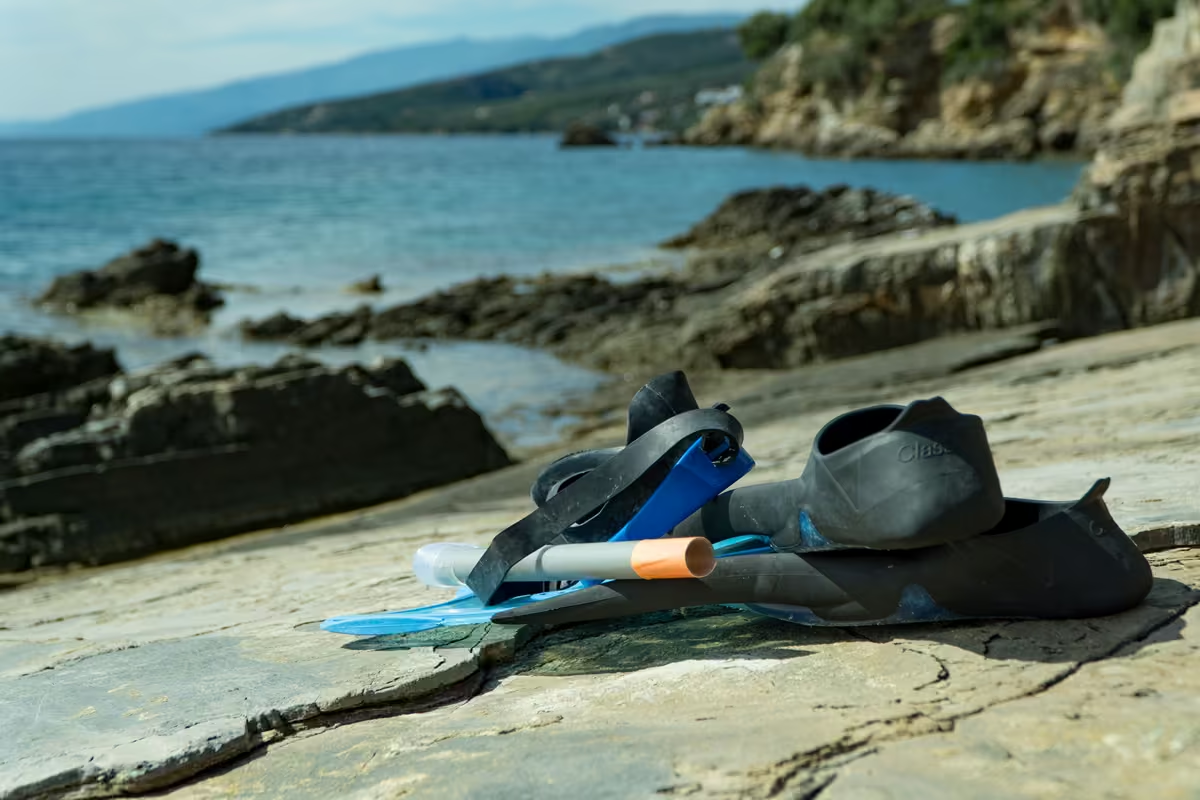
Full-foot fins enclose the heel in a soft pocket and are commonly worn barefoot in warm water. Some accommodate thin fin socks, but check the model's guidance and try the combination together.
Your heel should sit securely inside the heel cup without repeatedly lifting out. Because there's no adjustable rear strap, choosing the right pocket shape and size matters most.
Open-Heel Fins: A Strap Behind Your Foot
Open-heel fins use a rear strap to retain your foot. Many scuba-style versions are designed around dive boots, while some snorkeling and travel models are made for bare feet or thin socks. An open heel doesn't automatically mean you need booties.
Follow the manufacturer's footwear instructions. Seat your foot properly before adjusting the strap; don't use extra tension to pull your toes into an undersized pocket. On models with bungee or spring straps, ask how the particular system is fitted rather than assuming there's a buckle to tighten.
Correct Heel And Toe Fit
At the heel: A full-foot pocket should retain your heel comfortably. On an open-heel model, some heel exposure is normal; the strap should hold your foot securely in the position the design intends. Digging, sliding straps, or repeated slipping call for another check.
At the toes: Keep them relaxed, not curled under or pushed against the front. Some fins have an open toe, so seeing toes through an opening isn't automatically a sizing problem. The opening's edge shouldn't press or rub against them.
Across the foot: Check the sides and instep, the upper part of your foot. A fin can be long enough and still feel too narrow or shallow. Tightening the heel strap won't change that pocket's shape.
Signs Your Snorkel Fins Are Too Large Or Too Small
Too-large fins tend to shift, lift at the heel, or feel like they're coming off. Too-small fins crowd the toes or squeeze the foot. The same rubbing spot can have different causes, so don't assume every blister means you need a larger size.
What To Do Between Shoe Sizes
Don't automatically size up or down. Start with the chart for the exact fin model, including its sizing system and intended footwear. A US shoe size, a European size, and a fin labeled medium aren't interchangeable measurements.
Try the adjacent options with the socks or booties you plan to use. Compare heel retention, toe room, and pressure across the foot. A larger pocket that stops pinching but lets your heel escape hasn't solved the problem.
If neither size works, ask about a different pocket shape or model. For wide feet, a high instep, or noticeably different foot sizes, explain the issue before choosing. Contact a tour operator ahead of time about unusual sizing needs rather than assuming every size and style will be aboard.
Preventing Rubbing And Blisters
Start with fit, not padding. A loose pocket can move repeatedly against your skin, while a tight edge can rub one spot. Both can spoil a swim that began comfortably.
Before putting fins on, rinse sand from your feet and the pockets. Smooth any folded sock material and check the heel area for an awkward seam or damaged edge. Ask for help if the equipment itself looks worn or broken.
Notice the first repeated rubbing sensation, not just the blister afterward. End the session and have the fit checked rather than hoping your skin will get used to it. Don't keep snorkeling through pain to finish the planned route.
Do You Need Fin Socks Or Booties?
Fin socks can provide a protective layer against rubbing when they're compatible with the fin. Thin fabric socks and thicker neoprene socks take up different amounts of room, so adding them may change the size you need.
Booties are a different setup, often with a more substantial sole. Pair them with fins designed to accommodate them. Don't force bulky water shoes into a barefoot pocket just because you already packed those shoes.
Socks aren't a cure for fins that are clearly too large, and adding thickness to an already tight pocket can make the pressure worse. Recheck the complete combination. For rented or tour-supplied gear, ask before adding footwear or modifying anything.
Putting Fins On Safely
On A Snorkeling Boat
Carry your fins to the designated preparation area and follow the crew's instructions about when to put them on. Sit where directed instead of balancing on one leg on a moving deck. Fins aren't deck shoes, so avoid walking around with the blades attached.
Know the exit procedure too. Some ladders require fin removal and others don't. Keep your fins on while swimming back to the boat. Remove them only where and when the crew instructs you.
For Shore Snorkeling
Carry fins across land rather than walking over sand or rocks in them. Choose a lifeguarded location and an entry you can manage, then ask where to put them on and take them off. Don't balance in breaking waves or use coral as a seat or handhold.
Our Maui Snorkeling For Beginners guide covers preparation beyond equipment fit. Fins don’t make a difficult entry suitable. Independent shore snorkeling requires swimming ability. On our tours, guests should feel comfortable floating face-down in deep water and follow crew instructions.
When To Ask The Crew For Another Size
How Our Crew Can Help With Fin Fit
Our Maui Snorkeling tours include fins and crew support. Before entering the water, try both fins and tell our crew if your heel slips, your toes feel crowded, or the pocket presses across your foot. Those details help us assess whether an adjustment or another available size may work better. You shouldn’t have to accept painful pressure or repeated slipping.
If you have unusual sizing needs or prefer to wear fin socks or booties, contact us before your trip to ask about available options.
Use the fitting time for your mask too; our leaking snorkel mask guide explains another common reason to ask for an adjustment before swimming away.
Final Thoughts: Comfortable Fins, More Reef Time
The right fins stay with your feet without demanding your attention. Start with the model's size guidance, check both heel and toe fit, and test any socks or booties as part of the same setup.
A size change isn't a setback. It's a small adjustment that can help you spend your snorkeling time noticing fish instead of negotiating with your footwear.
Sources & Updates
Start with your exact model's instructions. Pocket shapes, sizing, footwear compatibility, and strap systems differ. Tour details follow the linked operator pages.