Written by the Maui Snorkeling team, operating Molokini Crater, Turtle Town, and Coral Garden tours out of Maʻalaea Harbor since 1985. Tours are led by USCG‑licensed captains aboard a USCG‑inspected passenger vessel. We spend more days in these waters than on land.
Last updated: January 2026
At a Glance: Hawksbill Sea Turtles in Maui
- Hawaiian Name: Honuʻea (also ʻea)
- Scientific Name: Eretmochelys imbricata
- How Rare in Hawaiʻi: Green turtles outnumber hawksbills by ~100 to 1
- Why They’re Special: They’re coral-reef specialists that often feed on sponges
- Protection: Listed as endangered under the U.S. Endangered Species Act
- Rule of Thumb: Stay at least 10 feet (3 m) away (ocean and beach)
Seeing a sea turtle while snorkeling in Maui is unforgettable—but spotting a Hawksbill Sea Turtle is something truly extraordinary. These beautifully patterned turtles are among the rarest marine animals in Hawaiʻi, and while sightings are uncommon, Maui’s healthy reefs and protected marine areas make encounters possible for lucky snorkelers.
At Maui Snorkeling, our guests don’t just explore crystal-clear waters—they experience a living ocean filled with coral reefs, tropical fish, and sometimes even rare wildlife like the Hawksbill Sea Turtle. Whether you’re a first-time visitor or a seasoned snorkeler, learning about these special turtles adds even more meaning to your time in the water.
What Is A Hawksbill Sea Turtle
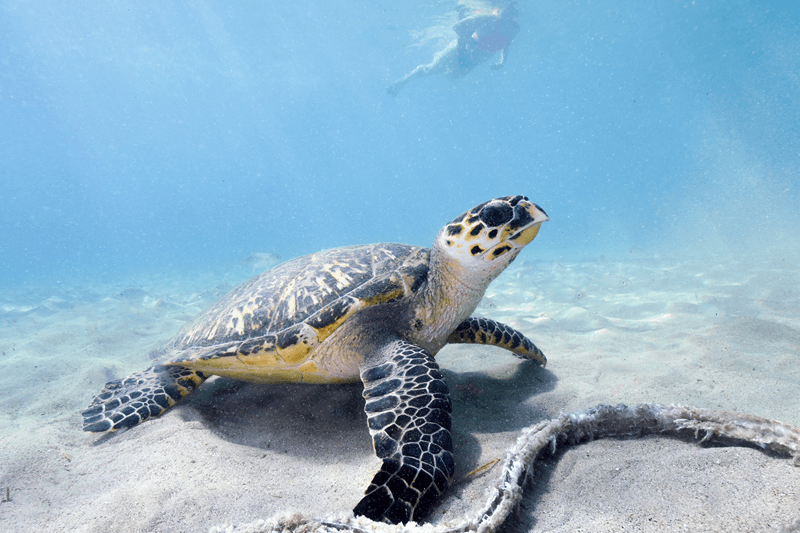
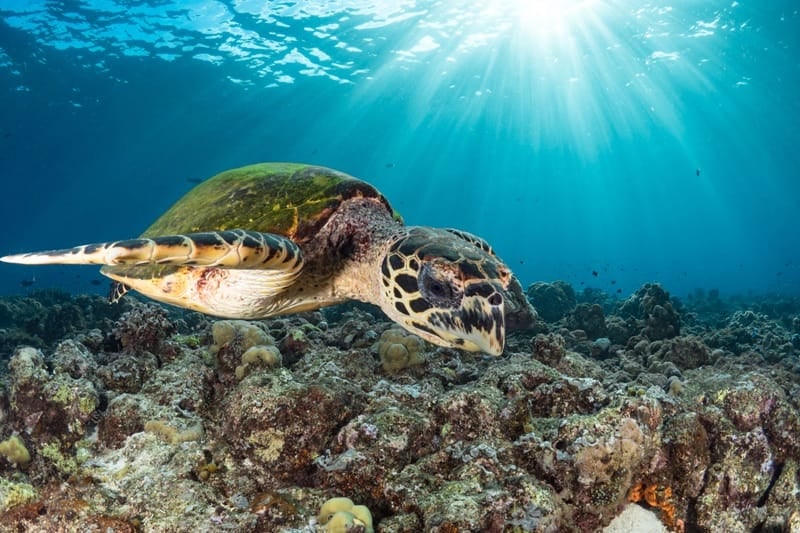
The Hawksbill Sea Turtle (Eretmochelys imbricata) is named for its narrow, pointed beak that resembles a hawk’s bill. This unique mouth allows the turtle to reach into coral-reef crevices to feed on sponges—its primary food source.
How To Spot A Hawksbill
- A striking shell pattern with overlapping scutes
- Amber, brown, and gold coloring
- A smaller, sleeker body compared to other sea turtles
- A strong connection to coral reef ecosystems
Unlike the more commonly seen Green Sea Turtle, Hawksbills tend to be shy, solitary, and highly selective about where they live.
Are Hawksbill Sea Turtles Found In Maui?
Yes—hawksbill sea turtles (honuʻea) do live around Maui, but sightings are uncommon. Across Hawaiʻi, hawksbills are far rarer than green sea turtles—greens outnumber hawksbills by about 100:1.
Hawaiʻi also has a very small nesting population (often described as one of the smallest in the world). Depending on the year and monitoring method, sources commonly cite roughly 20-25 nesting females annually statewide.
Because they’re tied to healthy reef habitat, your best chance is simply spending time snorkeling Maui’s better coral areas—always with the mindset that a hawksbill is a bonus sighting, not an expectation.
Why Hawksbill Turtles Are So Rare In Hawaii
Hawksbill Sea Turtles face challenges unlike any other turtle species in Hawaiʻi. Their rarity is due to several factors:
- Specialized Diet: Hawksbills rely heavily on coral reef sponges, which limit where they can live and feed.
- Slow Reproduction: They mature slowly and lay fewer eggs compared to other turtle species.
- Historic Exploitation: Their beautifully patterned shells were once used in jewelry and ornaments, devastating populations worldwide.
- Habitat Sensitivity: Coral reef health directly impacts Hawksbill survival, making them vulnerable to environmental changes. Because of this, every Hawksbill sighting is considered special—and a reminder of why marine conservation matters.
Hawksbill Vs Green Sea Turtles in Maui
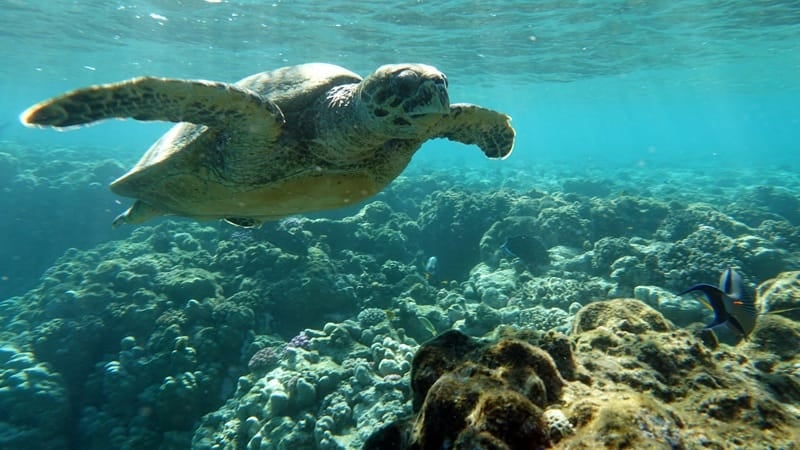
Most people who see “turtles in Maui” are green sea turtles (honu). Hawksbills are the rare look-alike—here’s how to tell quickly:
Hawksbill (Honuʻea)
- Narrow head with a more pointed “beak.”
- Overlapping scutes on the shell (like shingles)
- Shell edge can look serrated (especially juveniles)
- Often associated with coral reef structure and sponge-rich areas
Green (Honu)
- Rounder head and mouth
- Shell scutes don’t overlap the same way
- In Hawaiʻi, greens are the sea turtle most commonly seen—and are also known for basking on beaches
Quick reality check: if you’re watching turtles resting on a Maui beach, it’s almost always a green turtle (not a hawksbill). Our guests are far more likely to see Green Sea Turtles—but the possibility of a Hawksbill encounter adds an exciting layer of wonder to every snorkel adventure!
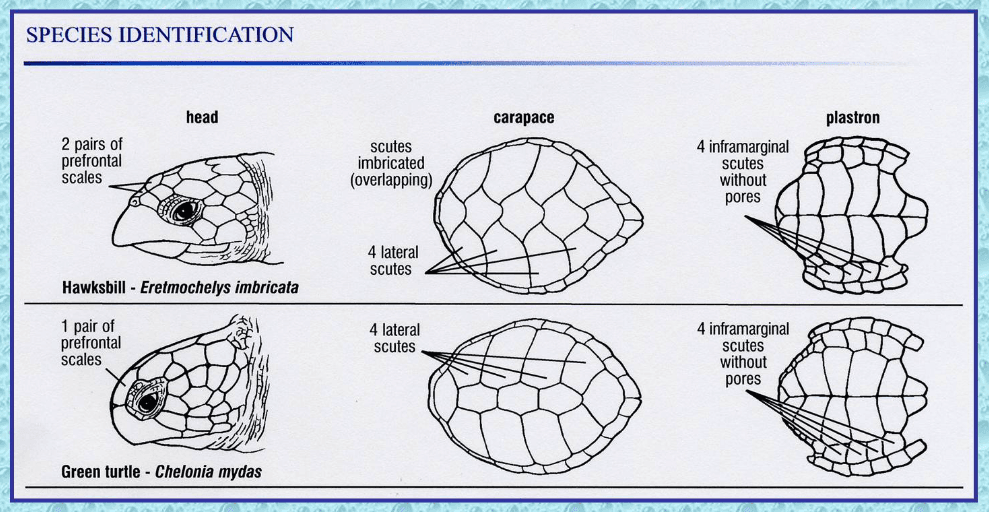
Photo Courtesy of HIhawksbill.org
Where Hawksbill Turtles May Be Spotted In Maui Waters
Hawksbill Sea Turtles prefer healthy coral reef environments, which is why snorkeling locations with vibrant reef systems offer the best chance of a sighting.
On Maui, that includes offshore and reef-rich areas such as Molokini Crater and parts of Turtle Town.
These locations feature:
- Clear visibility
- Complex coral formations
- Abundant marine life
- Protected waters that support reef health
While Hawksbill sightings are never expected or promised, these environments create the conditions where rare marine life can occasionally appear.
Why Maui Snorkeling Tours Offer The Best Chance To See Rare Wildlife
Snorkeling from shore can be fun—but guided boat tours provide access to healthier reefs, deeper ecosystems, and less-pressured marine environments.
What Makes Maui Snorkeling Different
Our tours are designed to maximize both safety and wildlife encounters:
- Small-group snorkeling experiences
- Experienced crew familiar with local marine behavior
- Access to offshore reef systems
- Calm morning and afternoon tour options
- Emphasis on responsible wildlife viewing
When guests snorkel with Maui Snorkeling, they’re exploring areas where turtles, reef fish, rays, and even rare species feel comfortable enough to thrive.
Molokini Crater Snorkeling Tour
This all-inclusive morning tour runs daily from 7:00 AM to 12:00 PM and features two snorkel stops at Molokini Crater and Turtle Town.
Guests enjoy:
- Exceptional visibility
- Snorkeling with tropical fish and sea turtles
- Breakfast, lunch, and snorkel gear included
- A fun onboard waterslide
- Comfortable boat amenities
Afternoon Snorkeling Tour
Our 1:00 PM to 4:00 PM tour explores Coral Gardens, known for colorful coral and abundant reef life.
This tour includes:
- A relaxed afternoon schedule
- Tropical fish and coral reef snorkeling
- Lunch and snorkeling gear included
- Great conditions for families and beginners
While Hawksbill sightings are rare, both tours offer incredible opportunities to experience Maui’s marine ecosystem at its best.
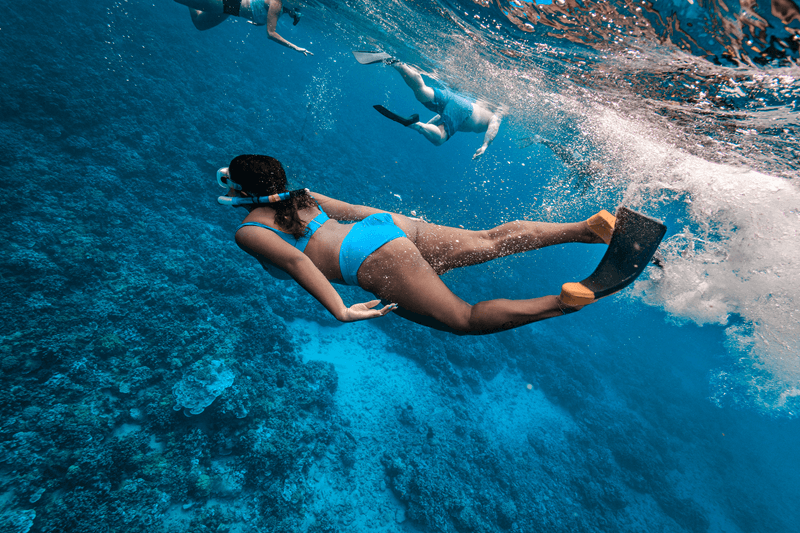
Responsible Turtle Viewing: Protecting Maui’s Wildlife
Whether you encounter a Green Sea Turtle or are lucky enough to glimpse a Hawksbill, respectful viewing is essential.
Turtle Safety Guidelines
- Maintain at least 10 feet (3 meters) of distance
- Never touch, chase, or block a turtle’s path
- Avoid hovering directly above turtles
- Let turtles approach you—never the other way around
Following these guidelines helps protect endangered species and ensures Maui’s reefs remain healthy for future generations.
What to Do if You See a Hawksbill (or Any Turtle in Trouble)
If you see a hawksbill, the best thing you can do is stay calm, keep your distance, and document responsibly.
- Give space: stay at least 10 feet (3 m) away
- No touching/chasing/blocking (also avoid hovering directly above)
- Use zoom for photos (don’t approach for the shot)
- If injured, stranded, or dead: report immediately to NOAA’s stranding network/hotline resources.
- If you simply got a clear ID photo: consider submitting it to the Hawaiʻi hawksbill photo-ID community as well (useful for conservation tracking).
Why Seeing A Hawksbill Turtle Is So Meaningful
Spotting a Hawksbill Sea Turtle isn’t just exciting—it’s a powerful reminder of the importance of conservation. These turtles are indicators of reef health, and their presence signals a thriving marine ecosystem.
Even if you don’t see a Hawksbill, snorkeling in Maui offers:
- Hawaiian Green Sea Turtles
- Dozens of tropical fish species
- Vibrant coral formations
- Rays, reef sharks, and seasonal wildlife
Every snorkel trip is different, and that sense of discovery is what makes Maui snorkeling so special.
Book Your Maui Snorkeling Adventure
At Maui Snorkeling, we believe the ocean should be experienced—not rushed. Our tours are designed for guests who want meaningful wildlife encounters, comfortable amenities, and unforgettable memories on the water.
Whether you’re hoping to see sea turtles, explore coral reefs, or simply enjoy Maui from the ocean, our crew is ready to welcome you aboard.
Join us and snorkel where Maui’s marine life thrives—because you never know what rare and beautiful creature you might encounter! 🐢